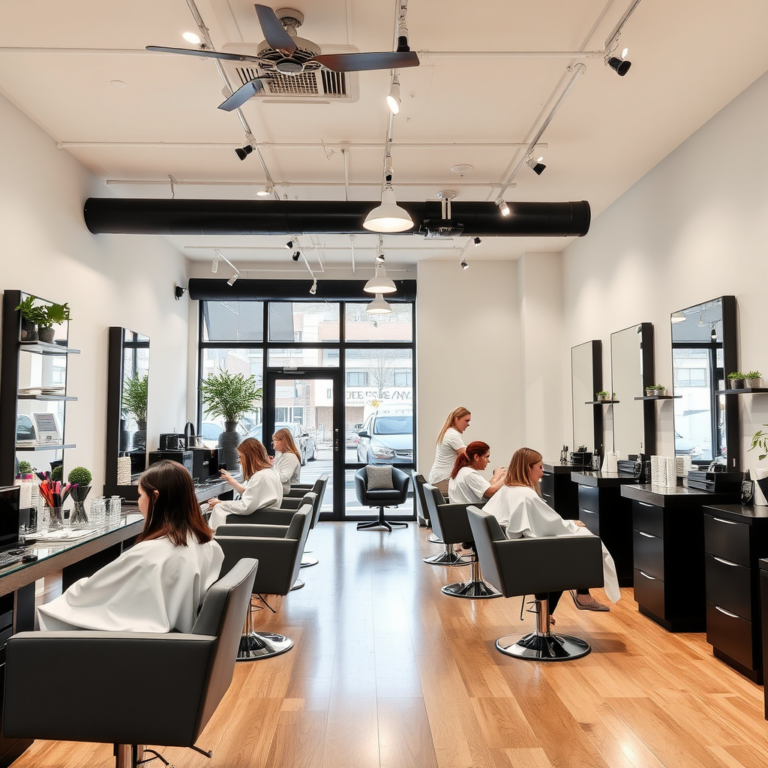
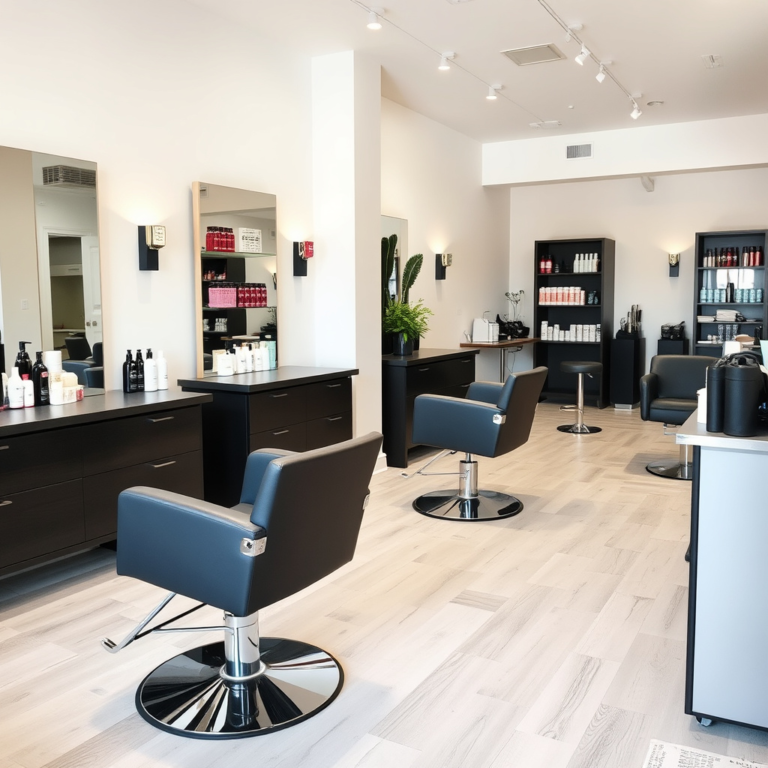
Six Essential Services Offered in Hairdressing Salons
Hairdressing salons offer a variety of services designed to enhance your hair’s appearance and health. Six key services commonly provided include haircuts, coloring, styling, treatments, blow-drying, and hair extensions. These services cater to different needs, from everyday grooming to special occasions.
Understanding these services can help clients make informed choices about their hair care routine. Haircuts reshape and refresh your look, while coloring allows creative expression with new shades. Styling and blow-drying prepare your hair for events or daily wear, and specialized treatments focus on hair repair and health.
This article details each of these six services so you gain insights into what they involve, their benefits, and how to choose the right option for your hair goals.
Haircuts: The Foundation of Hairdressing
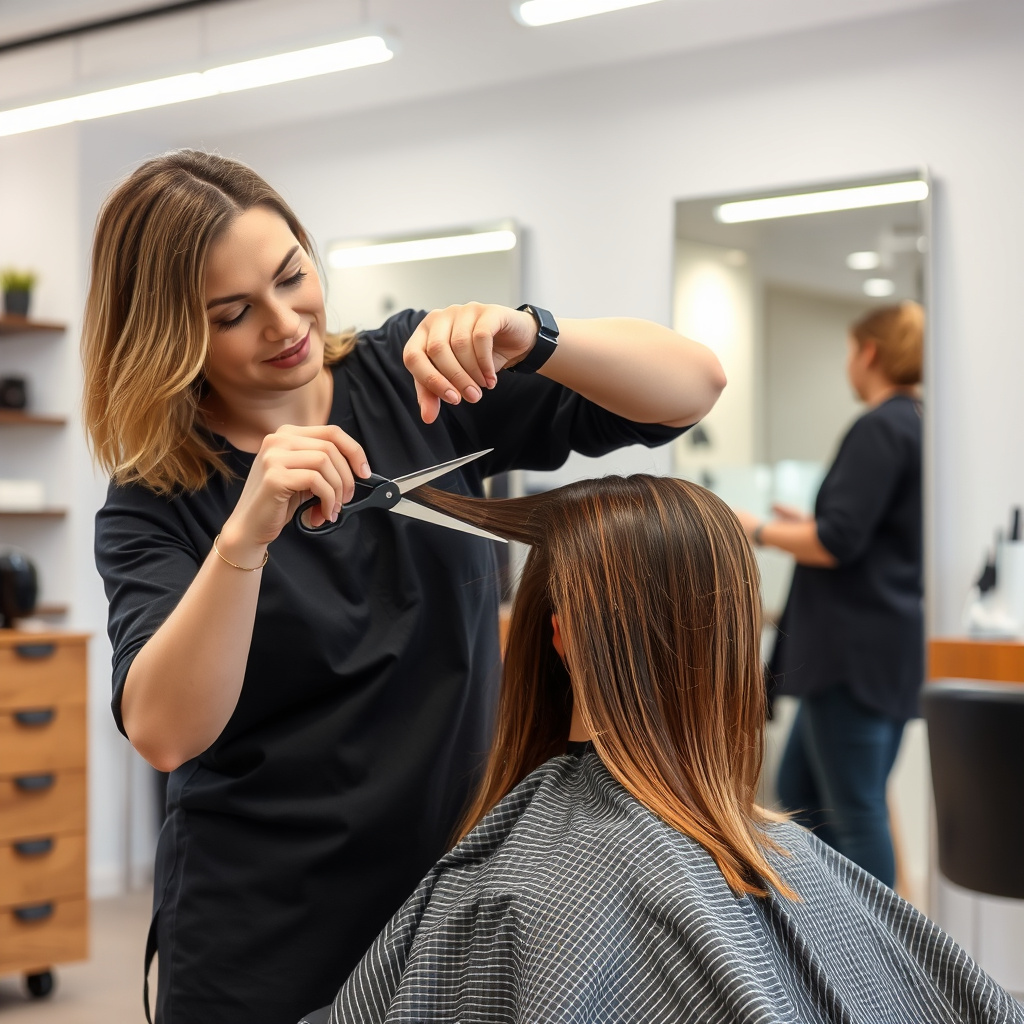
Types of Haircuts
Salons provide a wide range of haircut styles including trims, layers, bob cuts, and fades. Each style suits different hair textures, face shapes, and personal preferences. Precision and consultation with the stylist ensure the best outcome based on individual features and lifestyle.
Men’s and women’s haircuts differ in technique and styling. Barbershop-style cuts focus on sharp edges and short styles, while salons may offer more creative or voluminous cuts tailored to client goals.
- Trim: basic removal of split ends
- Layered cut: adds volume and movement
- Bob cut: classic jaw-length style
- Fade: gradual length change, common in men
Maintaining Haircuts
Regular haircuts every 6-8 weeks prevent split ends and maintain shape. Proper aftercare like moisturizing and avoiding excessive heat extends the look. Stylists can recommend schedules based on hair growth and condition.
Refreshing cuts also revive textured styles, keeping hair manageable and healthy. Clients are encouraged to discuss lifestyle factors to ensure the haircut fits daily routines.
Hair Coloring: Techniques and Trends
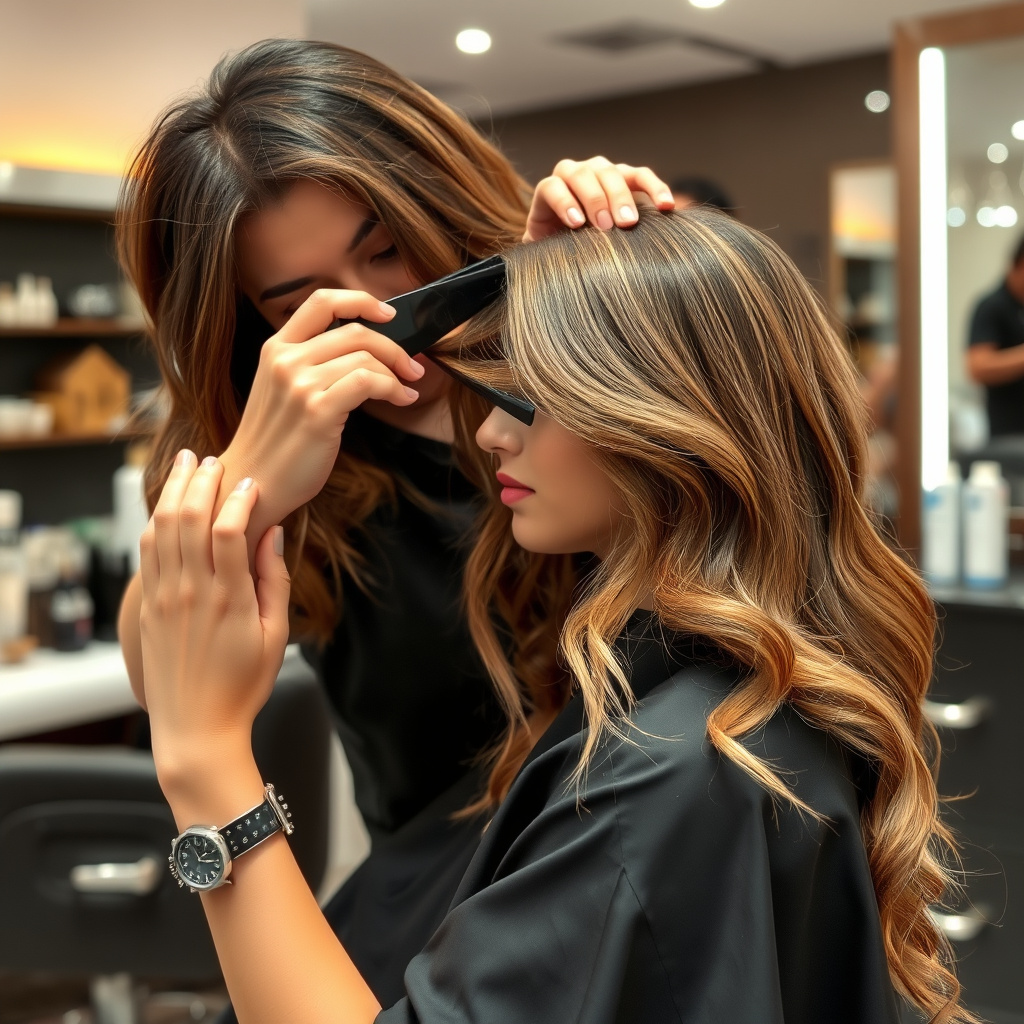
Popular Hair Coloring Methods
Hair salons offer various coloring techniques such as highlights, balayage, ombre, and full-color dyeing. Each method creates different color effects and level of maintenance. For example, balayage offers a natural sun-kissed look with low upkeep, while full-color change delivers bold transformation.
Color choice depends on factors like natural hair color, skin tone, and client preferences. Professional colorists can customize formulas to prevent damage and maximize vibrancy.
- Highlights: lightened sections
- Balayage: hand-painted natural gradients
- Ombre: gradual color fading
- Full color: uniform dye application
Hair Salon Treatments to Protect Color
Specialized hair salon treatments help maintain color longevity and hair health. These include deep conditioning, glossing, and bond-repair treatments that restore moisture and reduce fading.
Stylists often recommend sulfate-free shampoos and heat protection routines to preserve vibrant color and prevent damage from coloring processes.
Styling Services: Versatility for Every Occasion
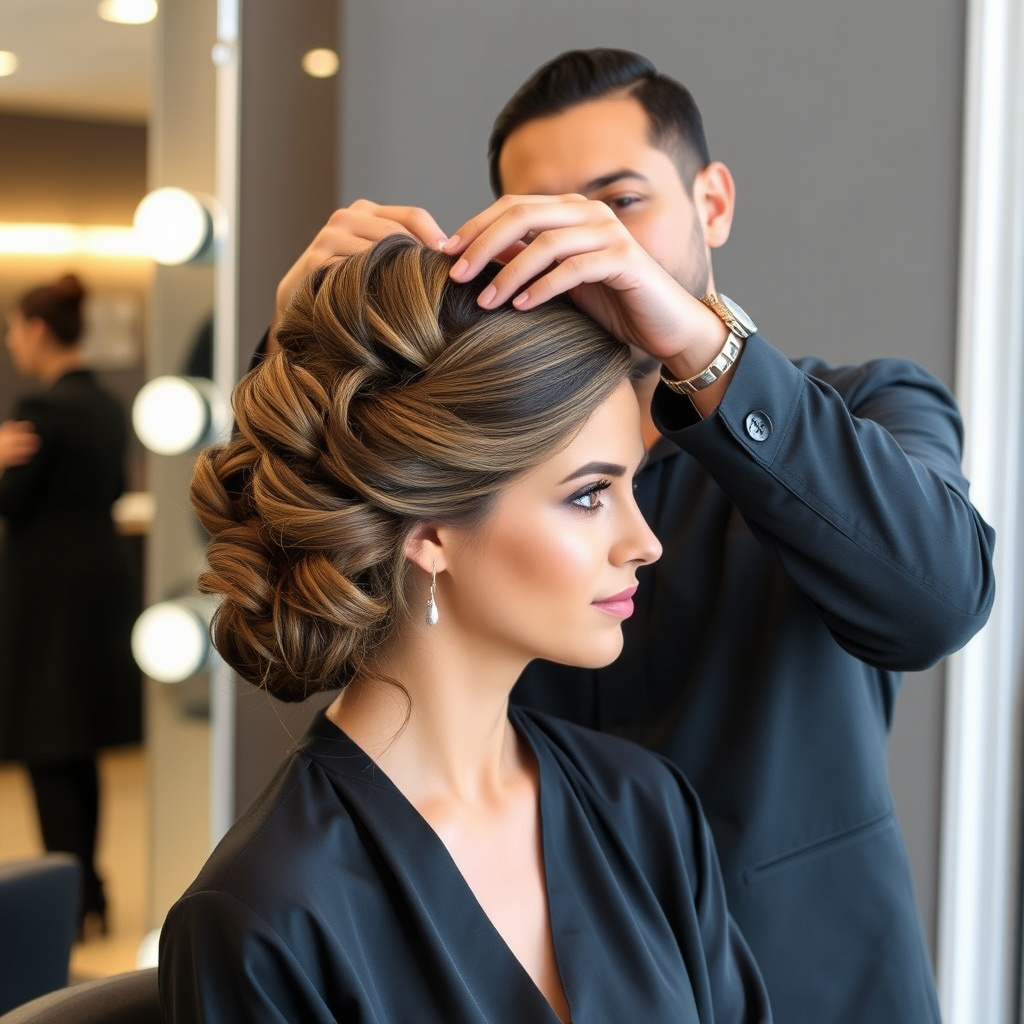
Daily and Special Occasion Styling
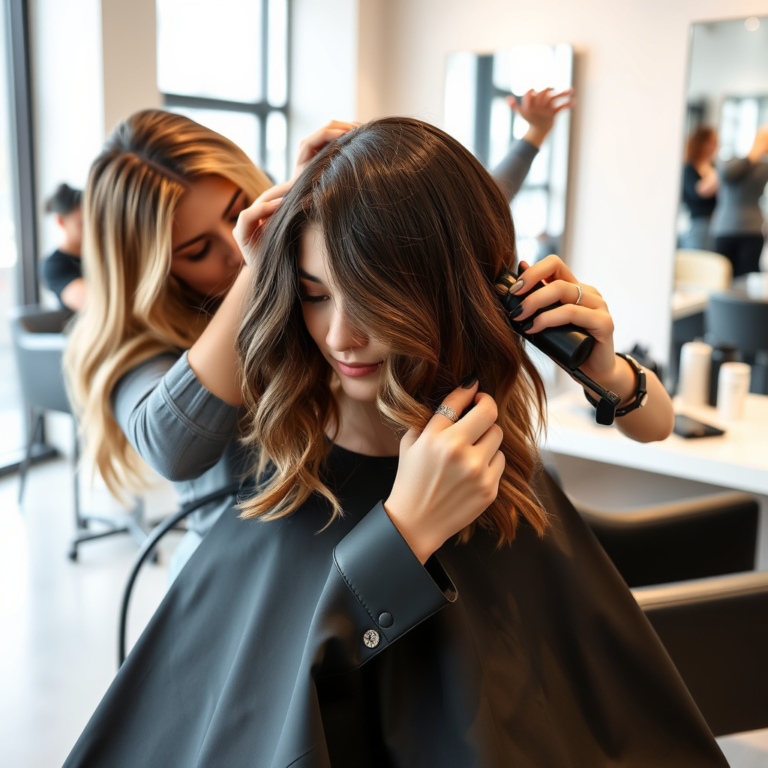
Salons provide a range of styling options tailored to daily wear or events like weddings and parties. These include straightening, curling, braiding, and updos. Skilled stylists use various tools and techniques to achieve the desired look while protecting hair integrity.
Clients can choose simple blowouts for a polished everyday look or intricate styles for formal occasions. Personalized consultations help identify styles that complement face shape and outfit choices.
- Blowouts: smooth and voluminous finish
- Curls: loose waves to tight ringlets
- Braids: simple to complex designs
- Updos: elegant pinned hairstyles
Using Heat and Products Wisely
Styling often involves heat tools like flat irons or curling wands along with finishing products such as sprays and serums. Professional stylists apply heat protectants and choose products suited to hair type to minimize breakage.
Understanding product ingredients and heat guidelines aids clients in preserving hair texture and prolonging style results between visits.
Hair Salon Treatments: Repair and Nourishment
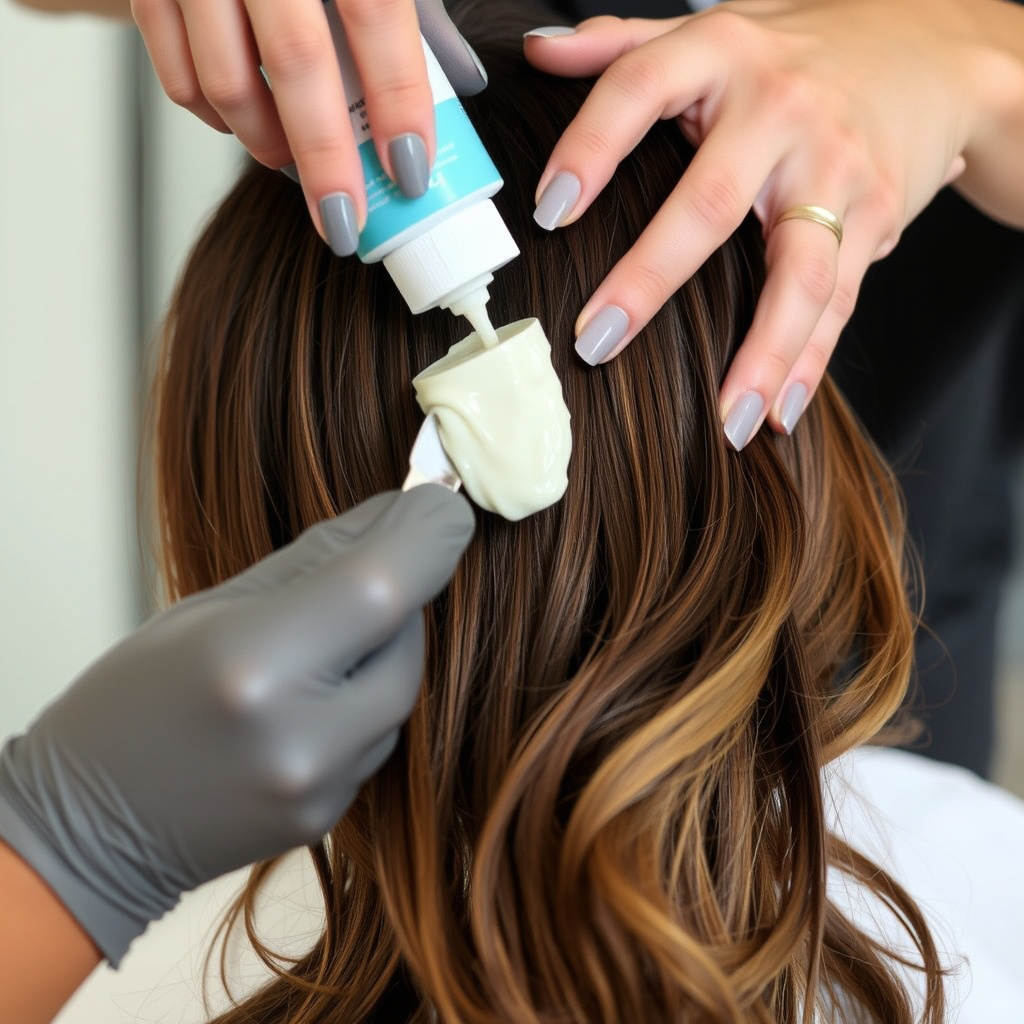
Deep Conditioning and Scalp Treatments
Salons offer intensive treatments that deeply hydrate and repair damaged hair. Deep conditioning masks replenish moisture and strengthen strands, while scalp treatments address dryness, flaking, and circulation.
These services improve overall hair health and enhance the appearance by reducing frizz, increasing shine, and preventing breakage.
- Moisturizing masks
- Protein treatments
- Scalp exfoliation
- Anti-dandruff therapy
Bond-Rebuilding and Keratin Services
Bond-rebuilding treatments like Olaplex reform broken disulfide bonds caused by coloring or heat. Keratin treatments smooth hair cuticles and reduce frizz, resulting in sleek, manageable hair.
While effective, these treatments require professional application and proper aftercare to maintain benefits without causing buildup or dryness.
Blow-Drying and Finishing Touches
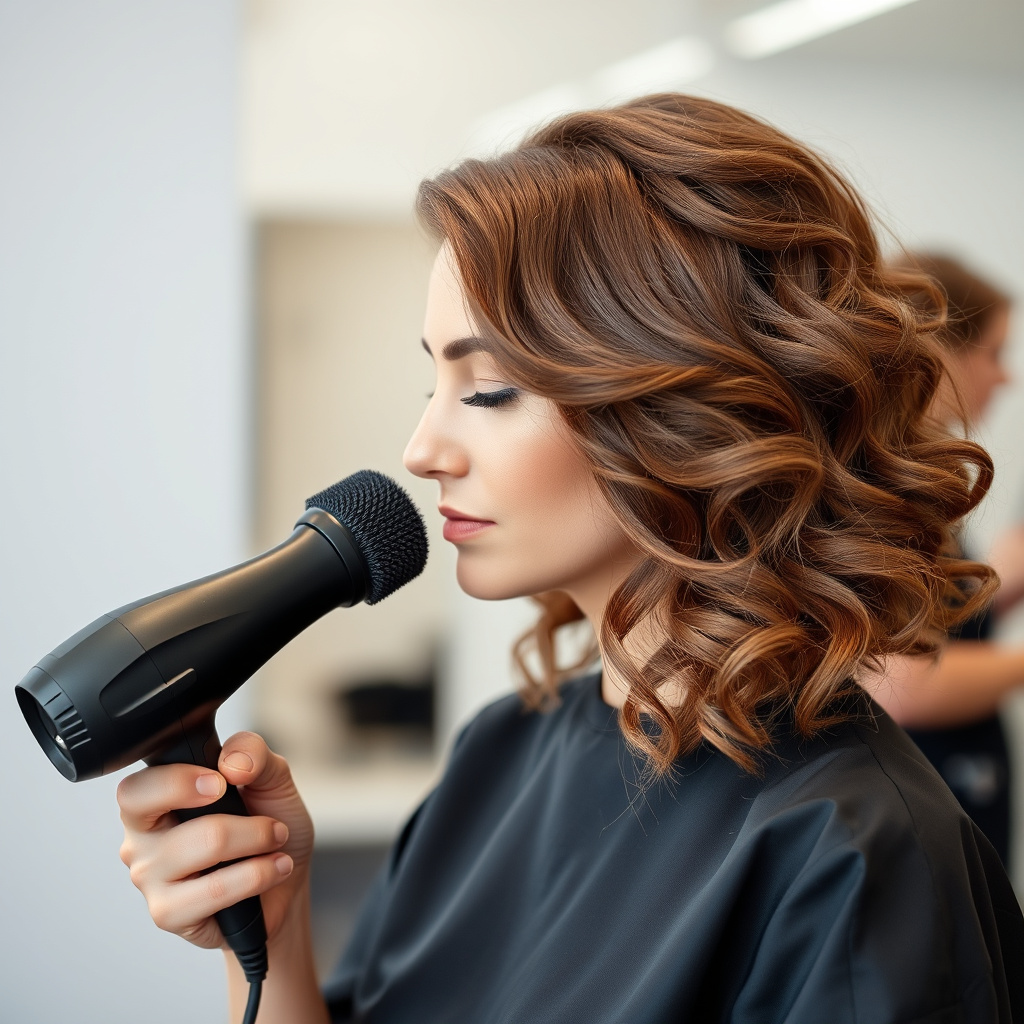
Professional Blow-Drying Techniques
Blow-drying at salons uses professional-grade tools and techniques to deliver volume, smoothness, and shine. Stylists use brushes to control shape and add bounce, adapting to hair texture and desired style.
This service often concludes a haircut or color treatment, providing clients with a polished finish that lasts longer than home drying.
- Round brush for volume
- Paddle brush for sleekness
- Cool shot for setting style
Additional Finishing Services
Finishing touches include application of serums, hairsprays, and texturizers to lock in style and add shine or hold. These products also protect hair strands and enhance the overall look.
Stylists evaluate hair type to select suitable finishes that avoid heaviness or buildup.
Hair Extensions: Enhancing Length and Volume
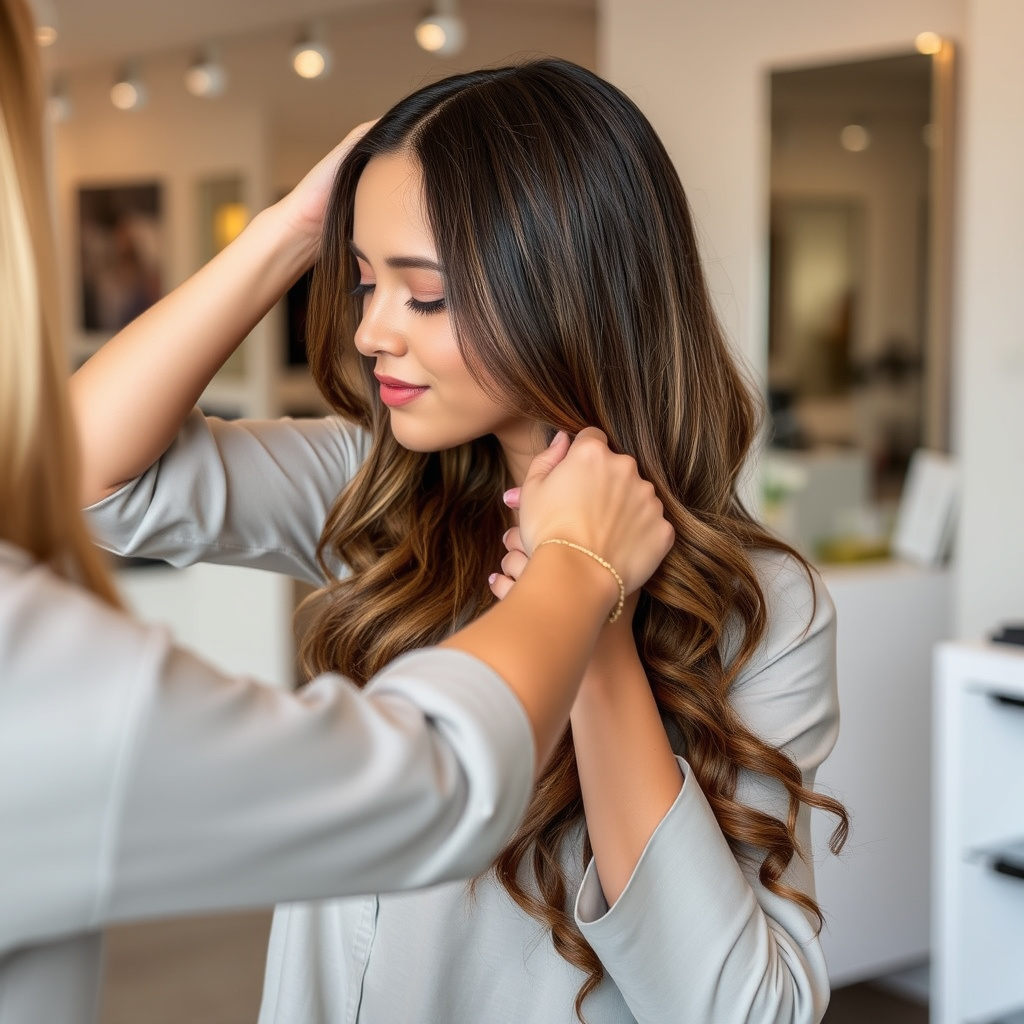
Types of Hair Extensions
Salons offer diverse hair extension types including clip-in, tape-in, sew-in, and fusion. Each type differs in application method, cost, and longevity. Extensions add length, volume, and can introduce color contrasts without dyeing.
Human hair extensions provide natural look and styling flexibility, while synthetic options are more affordable but less versatile.
- Clip-in: temporary and easy to apply
- Tape-in: semi-permanent adhesive bands
- Sew-in: braided base with sewn extensions
- Fusion: bonded strands lasting months
For more detailed historical and technical information, see Hairdressing on Wikipedia. Hairdressing on Wikipedia.
Caring for Hair Extensions
Proper maintenance includes gentle washing, avoiding excessive heat, and scheduled salon visits for adjustments. Extensions require specific shampoos and conditioners to prevent tangling or damage.
Clients should follow stylist instructions carefully to maximize extension lifespan and maintain natural hair health.
Comparison of Common Hairdressing Salon Services
Below is a comparison table highlighting key differences among popular hairdressing services offered at salons.
| Service | Purpose | Duration | Maintenance Required |
|---|---|---|---|
| Haircut | Reshape and refresh hair | 30-60 minutes | Every 6-8 weeks |
| Hair Coloring | Change or enhance hair color | 1-3 hours | Touch-ups every 4-8 weeks |
| Styling | Prepare hair for events or daily wear | 30-90 minutes | Daily upkeep varies |
| Hair Treatments | Repair and nourish hair | 30-60 minutes | Monthly or as needed |
| Blow-Drying | Smooth and volumize hair | 20-45 minutes | Before each styling |
| Hair Extensions | Add length and volume | 1-4 hours | Regular salon visits and special care |
Frequently Asked Questions
How often should I get a haircut?
Most people benefit from a haircut every 6 to 8 weeks to maintain shape and prevent split ends, though this varies by hair type and style.
Are hair coloring treatments damaging?
Hair coloring can cause some damage, but professional application and conditioning treatments minimize harm and keep hair healthy.
Can I get hair extensions on thin hair?
Yes, but it's important to choose the right type and method of extensions with a stylist to avoid putting too much stress on thin hair.
What is the difference between balayage and highlights?
Balayage is a freehand painting technique for a natural gradient look, while highlights use foils for more uniform lightened sections.
How do I maintain styled hair at home?
Use heat protectants, avoid over-washing, and choose gentle products that preserve your style and hair condition between salon visits.
Key Takeaways
- Salons offer a range of personalized haircuts to suit all styles and needs.
- Hair coloring methods vary with different maintenance and effects.
- Professional treatments restore hair health damaged by styling or environmental factors.
- Hair extensions provide versatile options to enhance length and volume.
Conclusion
Choosing the right hairdressing service depends on your hair goals, lifestyle, and current hair condition. Whether you seek a simple trim, a bold new color, or long-lasting extensions, understanding options ensures satisfaction with the result. Consulting with a skilled stylist helps match services to individual needs and hair type, delivering both style and health benefits. Regular maintenance and care also play a big role in extending the life of salon results.
For those wanting to refresh their look routinely, haircuts combined with blow-drying offer quick and effective transformations. If color is your focus, balayage or highlights add dimension while treatments help protect hair. Special occasion styling services provide versatility for events, and hair extensions can dramatically increase length or thickness for a noticeable change. Each service complements others, creating a complete hair care experience.
Your next step is to visit a reputable hairdressing salon and discuss which services align best with your preferences and hair condition. A professional consultation will clarify options and safety measures for your hair health. Experimenting with different services over time can expand your style range and keep your hair looking vibrant and well cared for.