How to Style Hair for Winter: Tips to Keep Your Hair Healthy and Stylish
Styling hair for winter means focusing on protecting it from dryness and damage caused by cold air and indoor heating, while still creating looks that hold up despite harsh conditions. The main goal is to balance moisture retention with winter-friendly styles that prevent breakage and static without sacrificing style.
Cold weather tends to strip natural oils from hair and increase frizz and static, making winter hair care vital. Choosing styles that lock in moisture, minimize manipulation, and shield hair from wind and harsh temperatures helps maintain healthy, manageable locks throughout winter months.
This article covers practical styling techniques and product recommendations designed specifically for winter hair challenges. You’ll learn how to prep your hair, select protective styles, and modify everyday routines with winter hair care tips that combine function with flattering looks.
Preparing Hair for Winter Styling

Moisturizing and Hydrating Hair
Hydration is the foundation for styling hair in winter, as cold air combined with indoor heating can quickly dry out hair strands. Using leave-in conditioners or hair oils on damp hair helps seal moisture inside.
Look for products containing ingredients like argan oil, shea butter, or glycerin, which attract and lock in moisture. Consistent hydration prevents brittleness and makes styling easier.
- Apply leave-in conditioner after washing
- Use a light oil on ends to prevent split ends
- Deep condition weekly for extra moisture
Avoiding Heat Damage
Although winter styling may sometimes tempt using hot tools to tame frizz or achieve smoothness, excessive heat can worsen dryness. Limit heat styling frequency and always apply a thermal protectant spray before blow drying or flat ironing.
Opt for air drying when possible, or use cooler heat setting on tools to keep hair healthy and less prone to breakage during the dry winter months.
- Use thermal protectant sprays regularly
- Set styling tools to low or medium heat
- Try heatless styling methods like braids or twists
Winter Hair Styling Techniques for Different Hair Types

Styling Curly and Wavy Hair
Curly and wavy hair often becomes frizzier in winter due to moisture loss and static. Protective styles such as loose buns or twists help reduce friction and breakage.
Using curl creams or gels with moisturizing properties can define curls without weighing them down. Pineappling hair at night protects curls and minimizes morning frizz.
- Use curl-defining creams with hydration
- Try twist-outs or braid-outs for low manipulation
- Sleep with a satin bonnet to reduce static
For more on this, see our related guide: What Type of Protective Style Is Best for Winter: Top Choices for Hair Health.
Styling Fine and Straight Hair
Fine or straight hair may become limp or static-prone in winter. Adding volume with lightweight mousses or sprays and avoiding heavy oils prevents flattening.
Simple protective hairstyles like low ponytails or half-up styles can minimize tangling, and using anti-static sprays helps control flyaways.
- Use volumizing products suited for fine hair
- Try half-up styles to add interest without stress
- Apply anti-static spray to tame flyaways
Protective Winter Hairstyles
Braids and Twists
Braids and twists are excellent winter protective styles that shield hair from harsh weather by keeping strands contained and decreasing overall manipulation.
Options such as French braids, fishtail braids, or two-strand twists work well to protect hair ends and reduce tangling under scarves or hats.
- Try double Dutch braids for a neat look
- Use silk scarves around braids to minimize friction
- Refresh styles with moisturizing spray daily
Buns, Updos, and Low Ponytails
Sleek buns and low ponytails help prevent hair damage from wind and dryness by keeping hair off the face and reducing exposure. Loose, low buns are especially gentle on scalp and hairline.
Pinning hair into updos with smooth edges also limits breakage and static, making these styles practical and versatile for winter.
- Secure hair loosely to avoid tension
- Use satin scrunchies to reduce hair breakage
- Add lightweight serum for smoothness
Choosing the Right Products for Winter Hair Styling
Moisturizing Styling Products
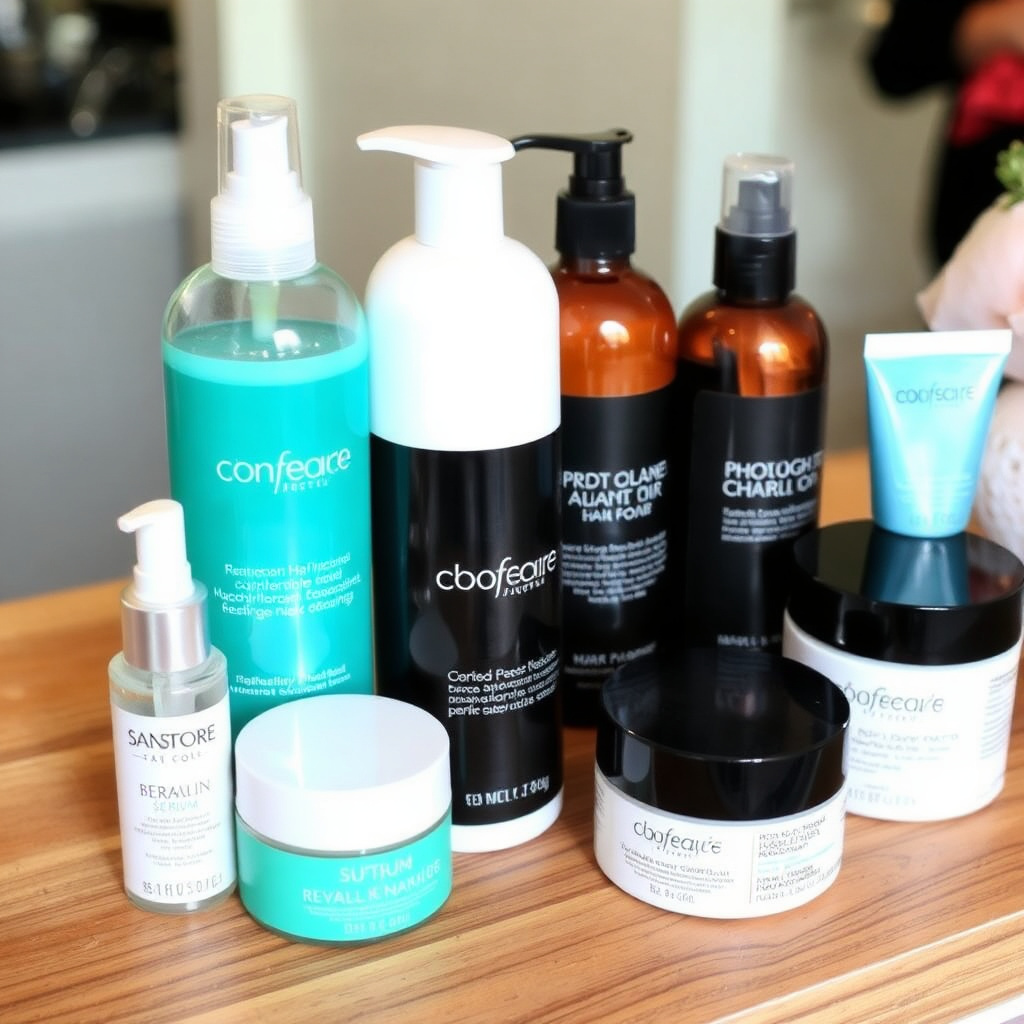
Selecting moisturizing styling products is key to winter hair styling; ingredients like avocado oil, jojoba, and aloe vera help replenish moisture lost to cold air.
Leave-in sprays and creams formulated for dry climates enhance manageability and reduce frizz, enabling styles to last longer during the day.
- Choose alcohol-free styling sprays
- Look for hydrating gels for curl definition
- Avoid products with drying sulfates or silicones
For more on this, see our related guide: How to Condition Thick Hair for Smooth, Manageable Strands.
Anti-Static and Frizz-Control Solutions
Winter hair styling greatly benefits from anti-static sprays and serums that smooth flyaways and maintain sleekness despite dry conditions.
Applying products with silicone derivatives or natural oils controls static electricity and adds shine without heavy buildup.
- Use anti-static sprays before styling hats or scarves
- Apply hair oils sparingly to hair ends
- Avoid over-brushing which increases static
Maintaining Styled Hair Over Winter Days

Protecting Hair from Elements
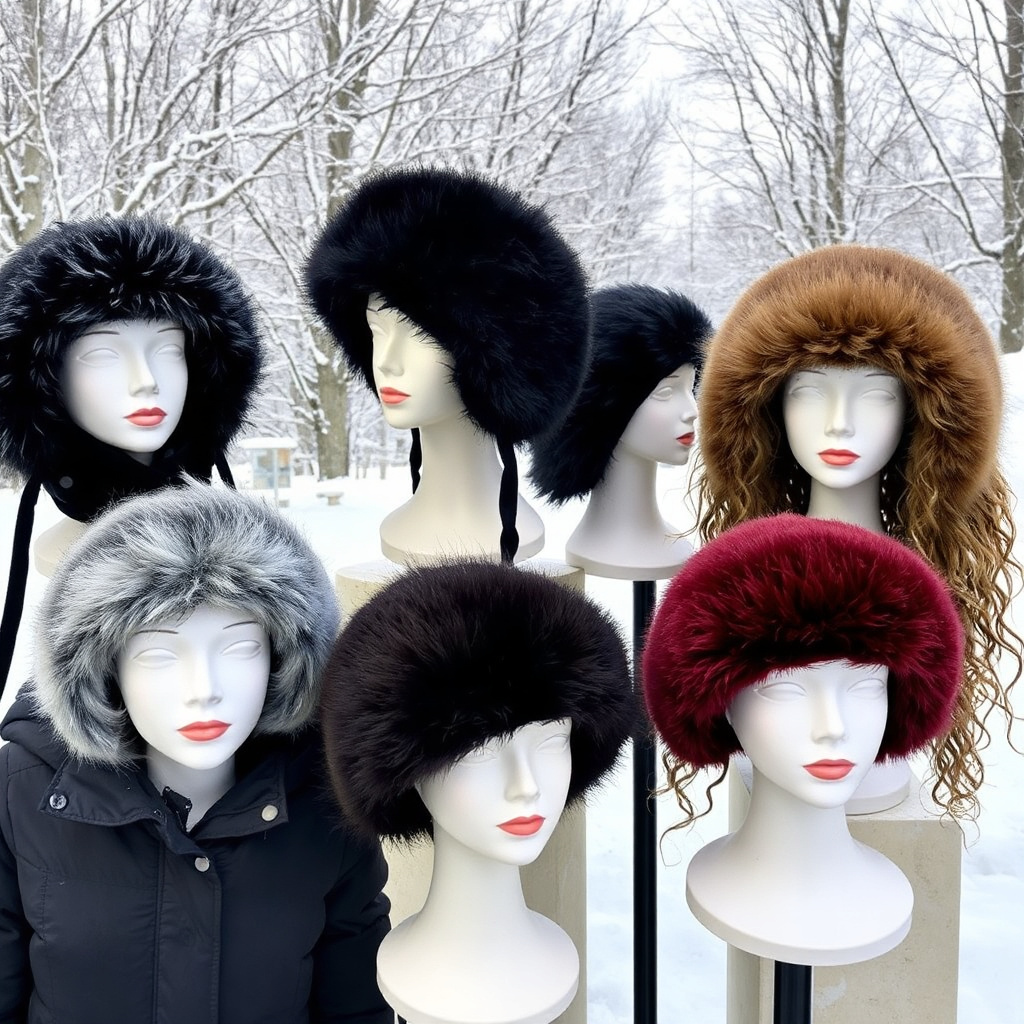
Wearing hats, scarves, or hooded coats protects styled hair from wind, snow, and cold air, which can cause frizz and dryness. Choose fabric linings like silk or satin to reduce friction under hats.
Using light hairsprays and adapting styles like loose braids allows hair to withstand harsher elements without getting tangled or damaged.
- Opt for silk or satin-lined headwear
- Reapply moisturizing sprays throughout the day
- Remove hats gently to avoid hair breakage
For more detailed winter hair care advice and seasonal product recommendations, check out expert tips available at Women's Health. winter hair care advice.
Refreshing and Restyling Techniques
Refreshing winter hairstyles between washes can be done with water sprays, leave-in conditioners, or light oils to reactivate products and tame frizz.
Protective styles like buns or twists can be loosened and reset to maintain volume and neatness without heat or chemical treatments.
- Mist hair lightly with water or conditioning spray
- Finger-comb or use wide-tooth comb to detangle
- Adjust styles gently to avoid breakage
Winter Hair Styling Methods Comparison
Here’s a quick comparison of popular winter hair styling approaches highlighting key benefits and considerations to help you pick the best method.
| Style Type | Protection Level | Maintenance Ease | Ideal Hair Type | Frizz Control |
|---|---|---|---|---|
| Braids and Twists | High | Medium | Curly, Wavy, All | Excellent |
| Buns and Updos | High | High | All | Good |
| Loose Styles with Moisturizers | Low | Low | Straight, Fine | Fair |
| Heat Styling with Protection | Low | Medium | All | Good |
| Satin-Lined Hats and Scarves | Very High | High | All | Excellent |
Frequently Asked Questions
Can I use heat styling tools safely in winter?
You can use heat tools in winter if you limit the frequency and apply a thermal protectant to prevent moisture loss and damage.
What are the best hairstyles to prevent winter hair breakage?
Protective styles like braids, twists, and loose buns reduce hair manipulation and exposure, helping prevent breakage in winter.
How often should I moisturize hair during cold months?
Moisturize hair after every wash and use daily leave-in conditioning sprays or oils to keep hair hydrated in cold, dry weather.
Are hats bad for hair in winter?
Hats are beneficial if lined with silk or satin to minimize friction; avoid tight hats that cause tension or breakage.
How can I reduce static in winter hair styling?
Use anti-static sprays or hair oils sparingly and avoid excessive brushing to control static during dry winter days.
Key Takeaways
- Hydrate hair thoroughly to combat winter dryness before styling
- Protective styles such as braids and buns shield hair from cold damage
- Choose moisturizing and anti-static products for better style hold
- Use satin-lined hats and gentle styling to prevent breakage
Conclusion
When approaching how to style hair for winter, the main focus should be on maintaining moisture balance and minimizing damage caused by cold air and heating indoors. Choosing protective hairstyles combined with hydrating products creates a foundation for healthy hair that resists frizz and breakage. Avoiding excessive heat styling and gently managing static contribute further to long-term hair health through the season.
Specific styling approaches serve different hair types and daily needs; for example, braids and twists offer high protection and frizz control for curly or wavy hair, while fine or straight hair benefits from volumizing lightweight mousses and simple updos to reduce tangling. Incorporating winter hair care tips like using satin-lined hats or regular moisturizing sprays helps maintain any chosen style’s longevity.
A practical next step is to evaluate your hair’s individual needs, pick a protective style that suits your routine, and invest in moisturizing and anti-static products designed for cold weather. Remember to refresh styles delicately throughout the day and shield hair from harsh elements with soft-lined accessories to enjoy stylish, healthy hair all winter long.





2 Comments