How to Style Layers: Essential Tips for Effortless Layered Looks
Styling layers means combining pieces of clothing in a way that adds depth, texture, and interest to your outfit without making it look bulky or chaotic. The key is balancing proportions, mixing fabrics, and choosing colors that complement each other, allowing each layer to contribute to a cohesive overall look.
Layering matters because it offers flexibility in adapting to changing temperatures, enhancing personal style, and adding versatility to your wardrobe. When done well, layers can transform simple basics into polished ensembles and keep you comfortable throughout the day or evening.
This article will cover the core principles of how to style layers, including fabric selection, color coordination, and silhouette management. You'll also find practical advice for layering in different seasons, different outfit occasions, and tips on accessorizing layered looks.
Mastering Fabric Choices for Layered Outfits
Choosing the Right Fabrics to Avoid Bulk
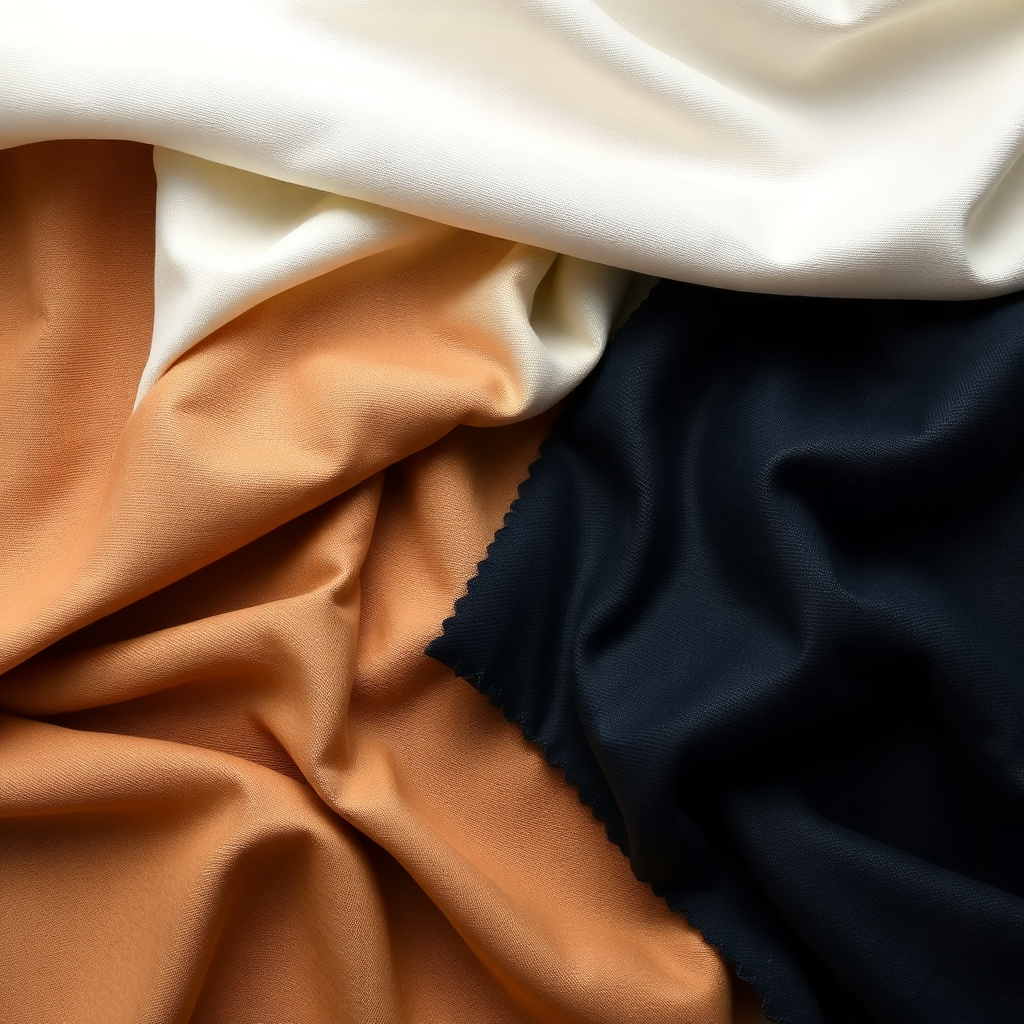
Selecting fabrics wisely is critical when styling layers to avoid added bulk and discomfort. Lightweight materials like cotton, linen, and fine knits make excellent base layers since they fit close to the skin without adding weight. Medium-weight fabrics such as jersey, chambray, or soft wool blends work well as middle layers that add warmth and texture.
Avoid heavy or stiff materials for the base layers because they can create unnecessary volume. Thinner fabrics let you stack multiple pieces smoothly while maintaining ease of movement, which is essential for a sleek layered effect.
- Lightweight cotton and linen for base layers
- Soft wool or cashmere blends for insulation
- Avoid bulky heavy fabrics close to skin
Mixing Textures for Visual Interest
Combining different textures in a layered outfit adds dimension and keeps your look dynamic. Pairing smooth fabrics like silk or satin with rougher textures such as denim or knitwear creates contrast that attracts the eye. This differentiation prevents the layers from blending into a flat, one-dimensional outfit.
Introducing textures like leather, velvet, or suede as outer layers or accessories can also elevate your ensemble. Don’t be afraid to experiment with combining smooth, coarse, shiny, and matte materials to build intrigue while styling layers.
- Silk with denim or knitwear
- Leather or suede outer layers
- Mix matte and shiny fabrics
Color Coordination in Layered Outfit Ideas

Building Color Palettes for Layered Looks
A cohesive color palette is fundamental to pulling off stylish layers. Begin with a neutral base—colors like white, black, navy, beige, or gray provide versatility and stability. Then add one or two accent hues to introduce personality without overwhelming the outfit.
Using analogous colors (colors side by side on the color wheel) or complementary colors (opposites on the wheel) can create visually balanced layered outfits. For example, layering a soft blue cardigan over a navy shirt paired with beige pants keeps the look coordinated yet interesting.
- Start with neutrals for base layers
- Use accent colors sparingly
- Experiment with analogous or complementary colors
For more on this, see our related guide: How to Style a Bun: Easy and Elegant Hairstyles for Every Occasion.
Using Patterns and Prints Strategically
Patterns and prints in layered outfits can add fun and express individuality, but choosing how to combine them requires attention. Mixing small-scale patterns with large prints avoids visual clutter. When layering, it helps if only one piece features a bold pattern while the rest remain subdued.
Plaids, stripes, florals, and geometric patterns each work differently in creating layered looks. Keep consistent color schemes or pick prints with common undertones to harmonize various patterns seamlessly within a layered outfit.
- Pair small patterns with larger prints
- Use one bold patterned piece per outfit
- Match prints with similar color tones
Balancing Silhouettes When Styling Layers
Understanding Proportion in Layered Clothing
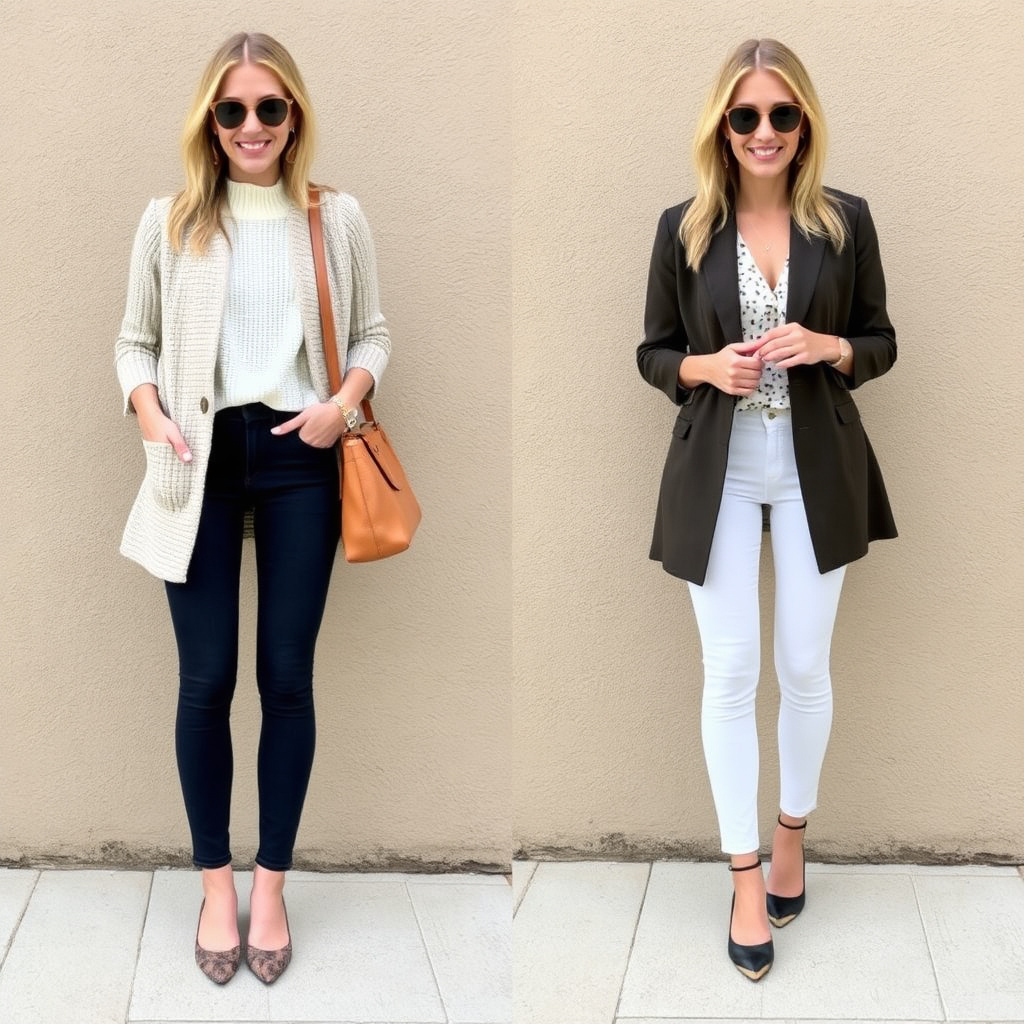
Maintaining proportion is essential to prevent your outfit from looking bulky or shapeless when layering. If you wear loose or oversized pieces on the top, balance them with fitted clothing on the bottom, or vice versa. The contrast between tight and loose allows layers to appear intentional rather than sloppy.
Avoid layering multiple oversized elements as it can drown your figure. Instead, choose streamlined base layers with a slightly relaxed outer layer for depth. Proportion awareness keeps layered looks flattering across different body types.
- Pair fitted pieces with loose layers
- Avoid multiple oversized garments together
- Use streamlined base layers
Layering Different Lengths for Style
Playing with varying layer lengths can add sophistication and help draw attention strategically. For example, a longer shirt under a cropped jacket or a mid-length vest over a sweater introduces dimension without overlapping awkwardly.
Layer lengths should complement body shape—for instance, longer layers elongate the torso, while cropped layers highlight the waist. Thoughtful length contrast enhances the fit and flow of layered outfits.
- Combine cropped and longer pieces
- Use length to highlight body shape
- Avoid too many layers of the same length
Styling Layers for Different Seasons

Layering Tips for Warm Seasons
In warmer months, focus on layering breathable, lightweight fabrics that wick moisture and allow airflow. Use thin camisoles, button-down shirts, and lightweight cardigans or kimonos to add layers without overheating.
Layered outfit ideas for spring and summer often rely on sheer or lace fabrics and open weaves, which create texture while keeping you cool. Colors tend to be lighter or brighter to reflect sunlight and enhance the season’s upbeat mood.
- Choose breathable, lightweight fabrics
- Use sheer or lace layers
- Favor light and bright colors
For more on this, see our related guide: What Type of Hairstyle is Best for Thick Hair? Expert Tips and Styles.
Layering for Cold Weather Comfort
In colder seasons, layering aims to trap warmth while maintaining mobility. Start with a thermal base layer, then add insulating mid-layers like fleece or wool, finishing with a weather-resistant outer coat.
Accessories such as scarves, hats, and gloves contribute crucial extra layers. Textured outerwear such as quilted jackets or puffer vests offers warmth and visual appeal to your layered outfits during winter.
- Use thermal base layers
- Add insulating mid-layers like fleece
- Include warm accessories
Accessorizing to Complement Layered Looks
Using Scarves and Belts to Define Shape
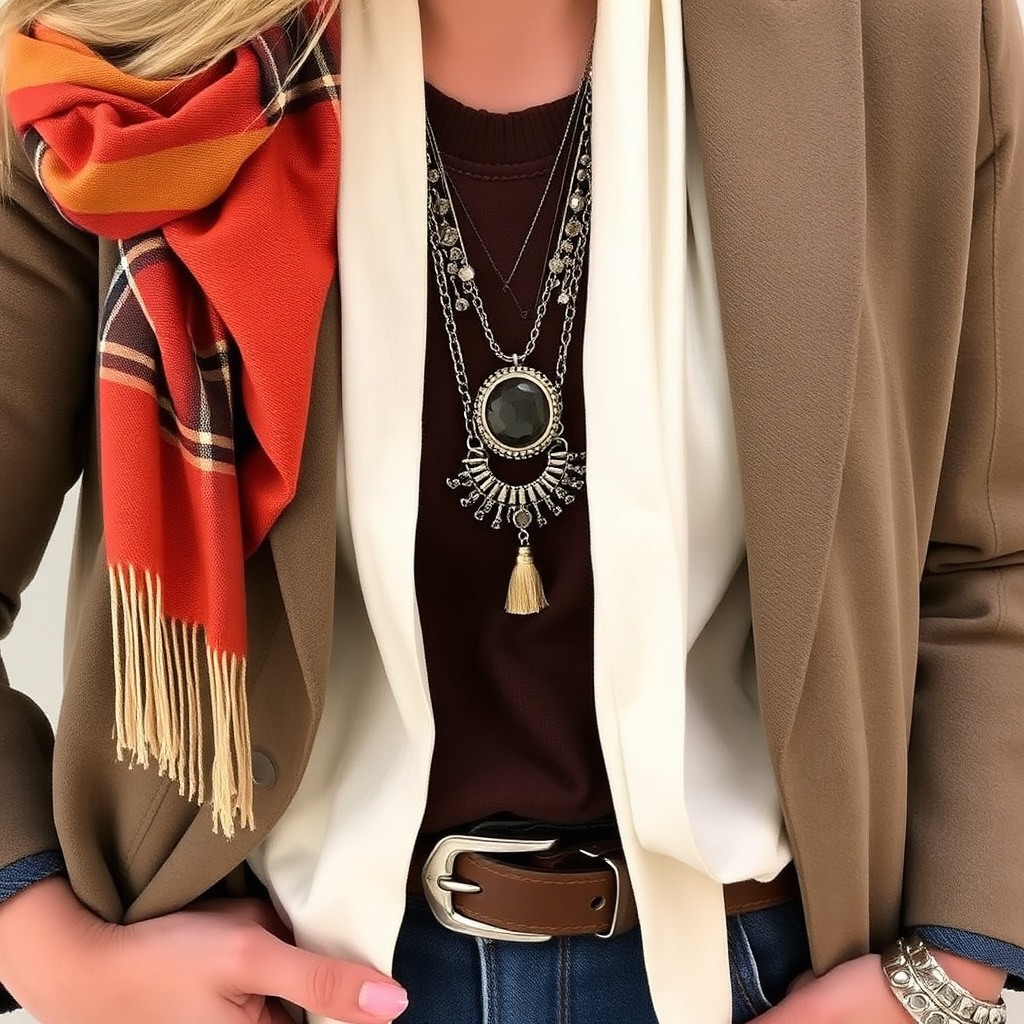
Scarves bring color, texture, and warmth to layered outfits and can be styled in numerous ways to add flair. A loosely draped scarf softens structured layers, while a tightly wrapped scarf provides warmth and focus near the face.
Belts are crucial for defining waistlines when layering bulky garments. Cinching an outer layer with a belt prevents the look from becoming shapeless and adds a fashionable edge to your outfit.
- Drape scarves for softness, wrap for warmth
- Use belts to create waist definition
- Match accessory tones with outfit colors
To explore further, check out this comprehensive overview of layering techniques in clothing. layering techniques.
Incorporating Jewelry and Hats
Jewelry like layered necklaces or statement earrings can enhance simple layering by adding shine or subtle detail. Avoid over-accessorizing; pick pieces that complement the colors and textures of your layers.
Hats, from beanies to fedora styles, functionally add warmth and stylistic finishing touches. They create points of interest and can tie an outfit together when chosen thoughtfully in color and material.
- Opt for jewelry that matches outfit vibe
- Use hats to add warmth and interest
- Avoid overcrowding accessories
Layering Techniques Category Comparison
Here’s a comparison of popular layering techniques that balance style, comfort, and weather suitability.
| Technique | Best Season | Key Benefit | Style Level |
|---|---|---|---|
| Light layering with thin fabrics | Spring/Summer | Breathability and coolness | Casual to Smart Casual |
| Thermal base + insulating mid-layer | Fall/Winter | Retains warmth efficiently | Active and Casual |
| Length contrast layering | All seasons | Adds dimension and silhouette interest | Fashion-forward |
| Mixed textures layering | All seasons | Visual depth and personality | Creative and Trendy |
Frequently Asked Questions
Can I layer clothes with different patterns without clashing?
Yes, layering different patterns works best when pairing a bold pattern with smaller, subtler prints. Keeping a consistent color palette or tones helps harmonize the overall look and prevents clash.
How many layers are too many when styling layers?
Typically, 3-4 layers work well without feeling bulky, depending on fabric thickness and body proportions. More layers can add warmth but risk restricting movement or appearing bulky.
Are there any fabrics I should avoid when layering?
Avoid thick, stiff fabrics close to the skin as base layers because they can add unwanted bulk and reduce comfort. Stick to lightweight, breathable materials like cotton or silk for layering underneath.
How do I make a layered outfit look polished rather than messy?
Balance proportions by pairing fitted pieces with loose layers and keep your color scheme cohesive. Also, vary layer lengths and textures thoughtfully to create structure instead of a haphazard appearance.
Can layering work well in hot climates?
Yes, but focus on very lightweight, breathable layers like thin shirts or sheer cardigans. Layering in hot climates adds style without overly increasing warmth when fabrics are chosen wisely.
Key Takeaways
- Choose lightweight, breathable fabrics for comfortable layering
- Build cohesive color palettes to unify layered outfits
- Balance proportions and vary lengths for flattering silhouettes
- Use accessories like scarves and belts to complete layered looks
Conclusion
Styling layers successfully is about creating harmony between texture, color, and proportion while addressing practical needs like climate and occasion. Carefully selecting fabrics that avoid bulk and mixing textures can transform an ordinary outfit into a versatile layered look. Managing silhouette contrast and mindful color combinations deepen the outfit’s impact without overwhelming your frame.
For warm seasons, light layering of breathable fabrics like cotton or linen combined with subtle patterns offers comfort and style. Cold weather favors thermal bases and insulating mid-layers topped with weather-resistant outerwear for warmth and structure. Accessories such as belts and scarves not only improve functionality but also define and embellish your look across seasons.
Next time you build an outfit, start with your base layers and build outward while considering your movement and shape. Experiment with layering different textures and lengths to find what highlights your personal style best. For more detailed inspiration on layering techniques and outfit ideas, you can refer to trusted fashion resources and guides.




One Comment