How to Protect Natural Hair While Sleeping for Healthy Strands
Protecting natural hair while sleeping is essential to maintain moisture, reduce breakage, and preserve hairstyles. Using the right techniques and accessories like satin or silk scarves and pillowcases can prevent friction and dryness that cause damage overnight.
Natural hair tends to be more fragile and prone to dryness due to its curly structure, so adequate nighttime care can make a noticeable difference in hair health. Without protection, hair may tangle, shed, or split, making daytime styling more challenging and less effective.
This article covers key methods to guard your natural hair during sleep, including choosing suitable fabrics, protective styles, moisturizing routines, and how to adapt your night routine for various hair types and textures.
Choosing the Right Fabrics to Protect Natural Hair While Sleeping
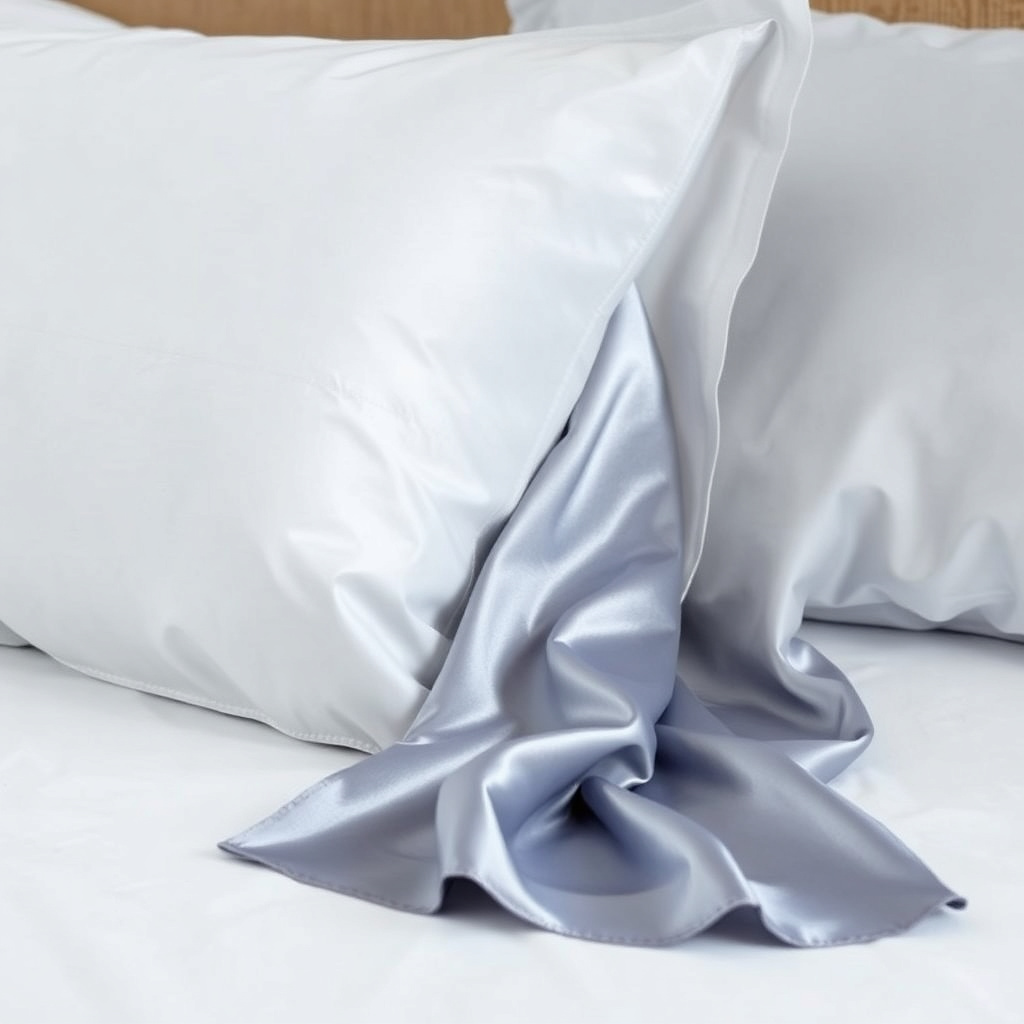
Benefits of Satin and Silk Materials
Satin and silk fabrics reduce friction between hair and pillowcases, which helps to minimize breakage and moisture loss. These smooth textures allow hair strands to glide instead of snagging, preserving natural oils and preventing frizz.
Unlike cotton, which absorbs moisture and creates static, satin and silk retain moisture better, making them ideal for protecting natural hair while sleeping. Many natural hair care experts recommend these fabrics as a safe nighttime alternative.
- Reduces friction and tangling
- Preserves hair moisture
- Decreases hair breakage
- Minimizes frizz and static
Using Satin Scarves, Bonnets, and Pillowcases
Wrapping hair with a satin or silk scarf or bonnet locks in moisture and prevents contact with rough fabrics. These accessories should be snug but comfortable to avoid slipping off during the night.
In addition to scarves, using satin pillowcases complements the protection by covering any exposed hair and reducing the chance of friction on loose strands. Combined, they create an effective barrier against dryness and breakage.
- Choose size appropriate for hair volume
- Secure scarf or bonnet with adjustable ties or elastic bands
- Use satin pillowcases in combination for extra protection
Protective Hairstyles That Safeguard Hair at Night
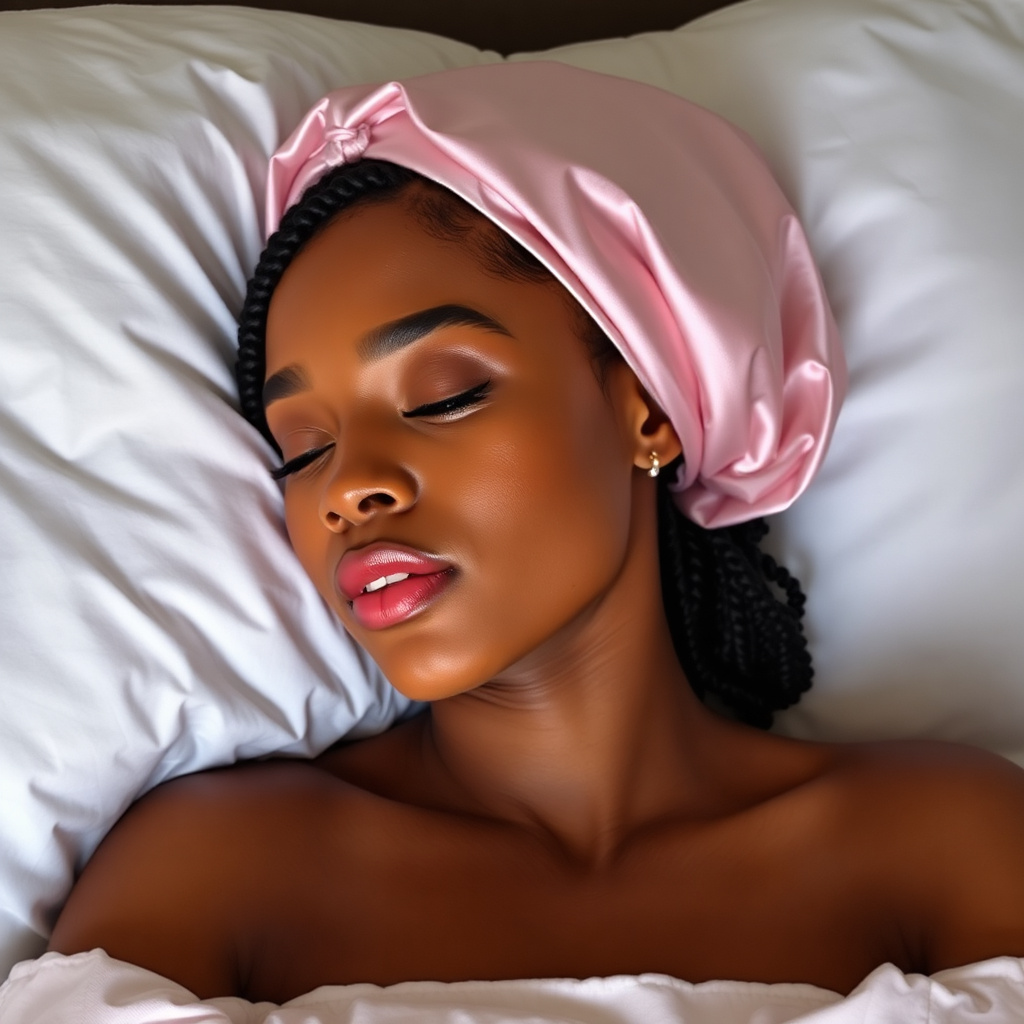
Low-Manipulation Styles for Overnight Care
Protective hairstyles like loose braids, twists, or bantu knots reduce tangling and keep ends tucked away, which helps maintain hair length and prevents breakage. These styles minimize friction and keep strands aligned during sleep.
Avoid tight hairstyles that pull on the scalp or edges as they can cause tension and lead to hair loss. Comfort is key for nighttime styles so your hair can stay protected without disturbing your sleep.
- Loose braids or twists
- Bantu knots or pineapple updos
- Avoiding tight ponytails or buns
Refreshing Protective Styles in the Morning
In the morning, lightly mist hair with water or leave-in conditioner before gently unraveling protective styles to restore moisture and definition. This helps revive curls and reduces frizz caused by overnight drying.
Using a wide-tooth comb or your fingers to detangle preserves curl pattern and minimizes breakage. Protective styles paired with proper morning care extend the longevity of your hairstyle and hair health.
- Use water-based spray or leave-in
- Detangle gently with fingers or wide-tooth comb
- Re-twist or re-braid if needed
Moisturizing and Sealing Hair Before Bed
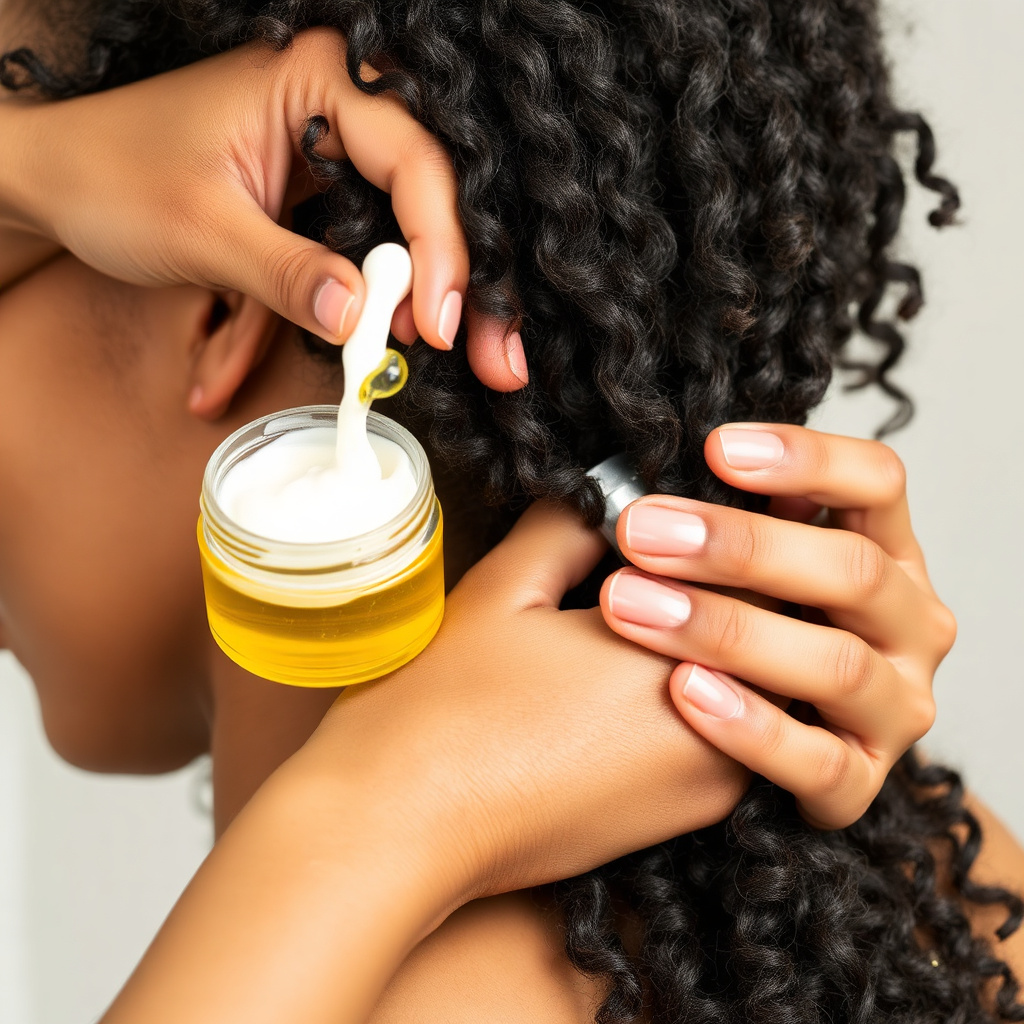
Importance of Nighttime Moisturizing
Natural hair can lose moisture overnight, especially in dry environments. Applying a lightweight water-based moisturizer before bed replenishes hydration to your strands while you sleep.
Moisturizing at night helps maintain hair elasticity and softness, making it less prone to breaking or becoming brittle. Consistency with moisturizing routines significantly improves natural hair health over time.
- Water-based leave-in conditioners
- Lightweight hair creams
- Avoid heavy products that cause buildup
For more on this, see our related guide: What Type of Oil Is Best for Hair Growth: A Complete Guide.
Techniques for Sealing Moisture
After moisturizing, using natural oils or butters like jojoba oil, shea butter, or castor oil seals in hydration. This prevents evaporative moisture loss and adds an extra protective layer against friction.
Apply oils sparingly on hair ends and mid-lengths to avoid greasiness or weighing hair down. Proper sealing ensures longer-lasting moisture, which helps protect natural hair while sleeping.
- Apply oils mainly to ends
- Use lightweight natural oils
- Avoid excessive product buildup
Nighttime Hair Care Routine for Different Natural Hair Types
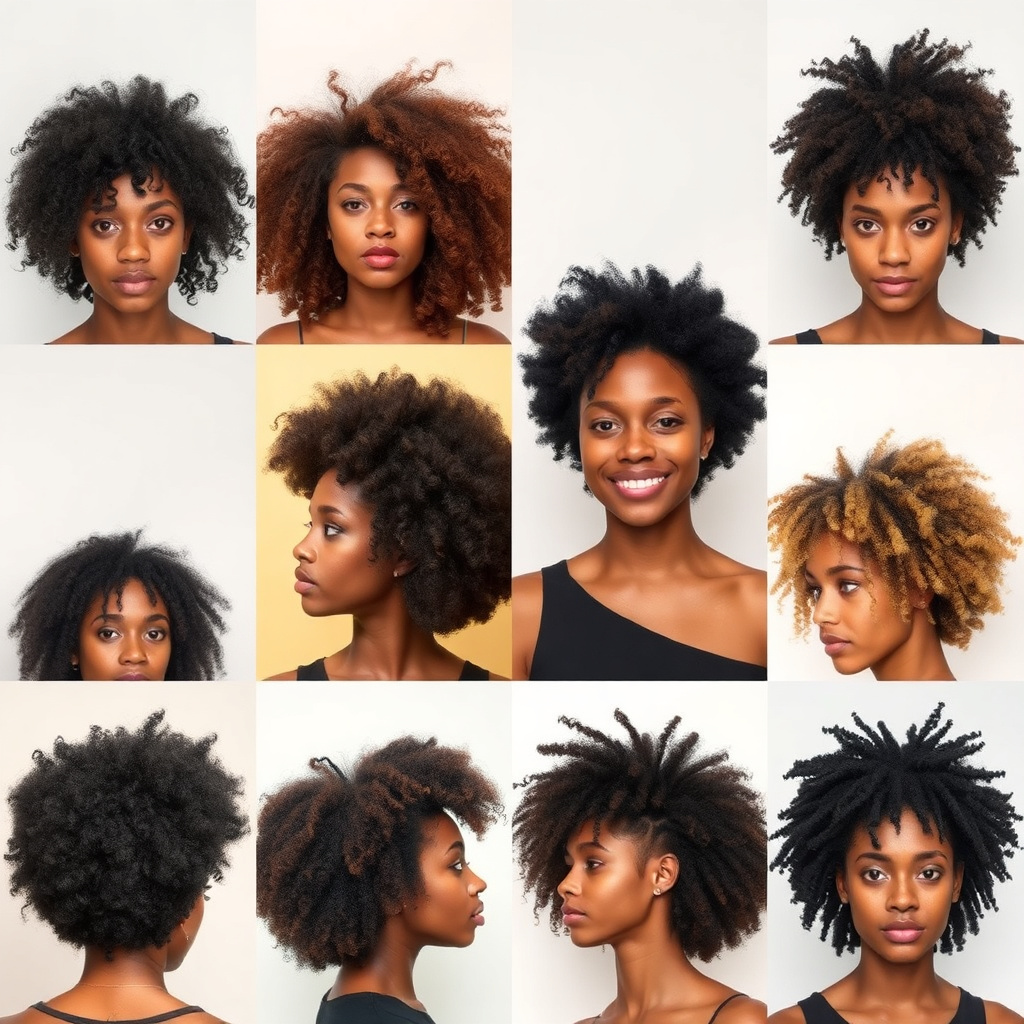
Caring for Looser Curl Patterns (3A-3C)
Looser curls tend to be more porous and can lose moisture quickly. Using a light leave-in conditioner with moisturizing oils and loose protective styles like pineapple updos helps preserve curl definition and hydration overnight.
Looser curls benefit from satin scarves or pillowcases combined with gentle detangling in the morning to prevent frizz and breakage without disrupting the curl pattern.
- Use light moisturizing products
- Try loose pineapple or twists
- Employ satin accessories nightly
Caring for Tighter Coils and Kinks (4A-4C)
Tighter natural hair is more prone to dryness and shrinkage, so heavier moisturizing creams and sealing with butters like shea butter are essential. Protective styles like braids and bantu knots at night reduce tangling and breakage.
Satin or silk wraps protect fragile coil patterns and help maintain moisture. Morning routines should include gentle rehydration and detangling to refresh the style.
- Use heavy moisturizing creams
- Seal with butters and oils
- Protect with braids or twists
Avoiding Common Mistakes That Damage Natural Hair Overnight

Steering Clear of Cotton Fabrics
Cotton pillowcases and scarves absorb moisture from hair and create friction, leading to dryness and breakage. Avoid using cotton fabric directly on natural hair while sleeping to maintain hydration and reduce split ends.
If cotton is unavoidable, layering with a satin scarf inside the cotton covering can help reduce damage. However, switching fully to satin or silk accessories remains best.
- Cotton absorbs moisture
- Creates friction and static
- Use satin layers instead
For more on this, see our related guide: How to Wrap Hair for a Silk Press: A Step-by-Step Guide.
Avoiding Tight Wrapping and Pulling
Wrapping hair too tightly or securing scarves with hard elastics can induce tension, leading to hairline damage and breakage. Hair requires gentle handling even during sleep to preserve scalp and strand health.
Choose adjustable scarves, loose buns, or pineapples that do not stress the scalp. Comfort should be prioritized to prevent overnight hair loss or damage.
- Use adjustable or soft ties
- Avoid tight wraps and pulls
- Prioritize scalp comfort
Integrating Best Nighttime Hair Care for Natural Hair Into Your Routine
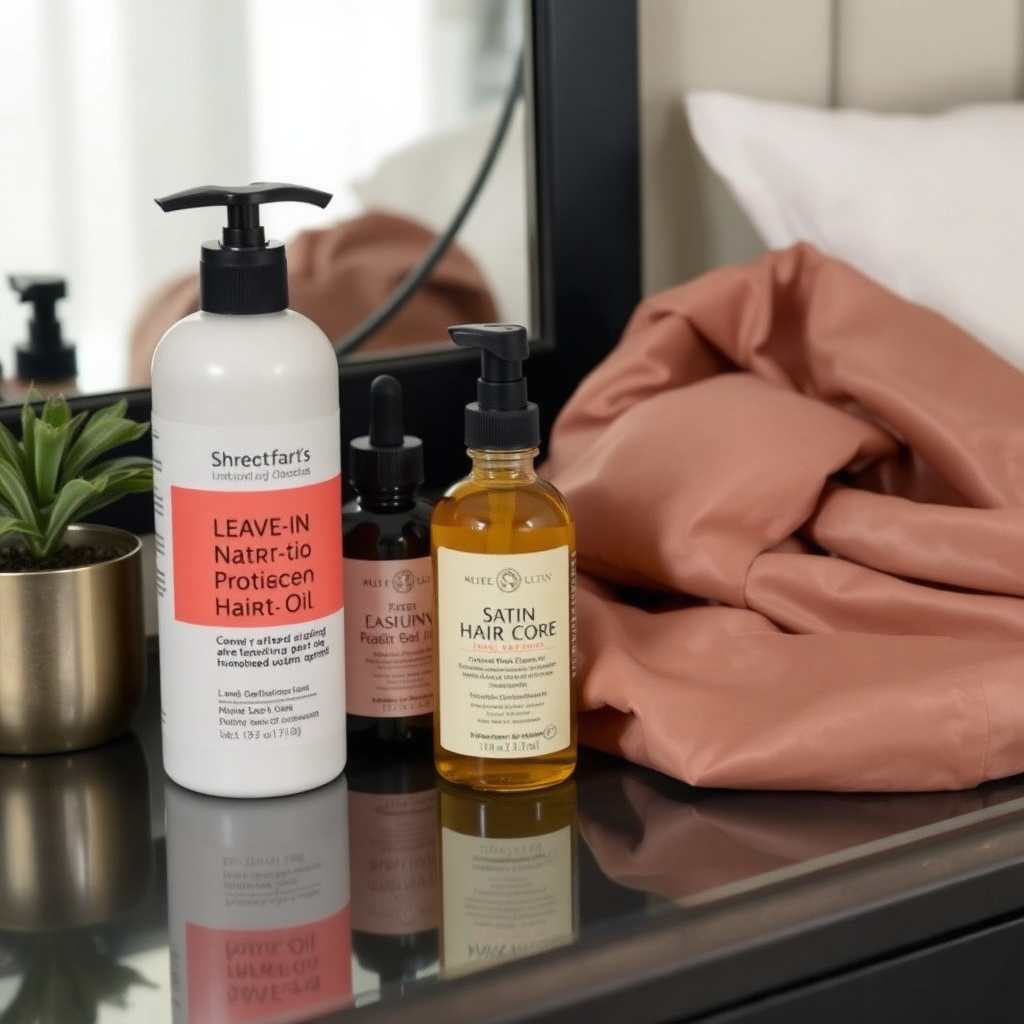
Consistency and Routine
Regularly protecting natural hair during sleep through consistent nighttime routines creates lasting benefits. Consistency with moisturizing, protective styles, and fabric choices fosters stronger, more resilient strands over time.
Develop habits like prepping hair before bed, securing satin wraps, and refreshing styles in the morning to build a sustainable hair care routine that supports natural hair health.
- Set a predictable routine
- Prepare hair before sleeping
- Morning maintenance
For those interested in more background and science behind natural hair care, this natural hair care on Wikipedia article offers comprehensive information. natural hair care on Wikipedia.
Adapting Routines to Seasonal Changes
Hair care needs shift with climate changes; drier winter months may require heavier moisturizers and more sealing, while humid summers might benefit from lighter products and styles that reduce sweat buildup.
Adjust nighttime hair care for natural hair accordingly to help mitigate seasonal effects, keeping hair protected and comfortable year-round.
- Increase moisture in dry seasons
- Use lighter products in humid weather
- Change styles to suit season
Comparison of Protective Nighttime Methods for Natural Hair
This table compares several common protective nighttime hair care methods, outlining their benefits and ideal uses.
| Protective Method | Key Benefit | Best For | Ease of Use |
|---|---|---|---|
| Satin/Silk Scarves | Reduces friction and moisture loss | All hair types, especially fragile hair | Moderate |
| Satin Pillowcases | Protects hair exposed during sleep | Loose styles and short hair | Easy |
| Protective Hairstyles (Braids/Twists) | Minimizes tangling and breakage | Long hair and thick textures | Moderate |
| Moisturizing Before Bed | Maintains hydration levels | Dry and porous hair types | Easy |
| Heavy Sealing Butters | Locks in moisture overnight | Tight coils and dry hair | Easy to moderate |
Frequently Asked Questions
Can I use cotton pillowcases if I protect my hair with a satin bonnet?
Using a satin bonnet over cotton pillowcases helps reduce friction and moisture loss. However, cotton still absorbs moisture, so full protection is best achieved when both bonnet and pillowcase are satin or silk.
How often should I moisturize my hair before sleeping?
Moisturizing every night or at least several times a week helps maintain hydration. Adjust frequency based on your hair’s dryness and environment, but consistent moisturizing is key to healthy natural hair.
Are tight buns or ponytails good protective styles for sleeping?
Tight buns or ponytails can cause tension and damage hair follicles overnight. Looser styles like loose braids or pineapples are preferable to avoid stress and breakage.
How does humidity affect my nighttime hair care routine?
Humidity can cause frizz and reduce product effectiveness. In humid conditions, lighter moisturizers and breathable styles work better, while heavy products suit dry, cold environments to retain moisture.
Is it necessary to use oil to seal my hair after moisturizing at night?
Sealing with oil or butter helps lock in moisture and prevent evaporation. While not absolutely necessary for everyone, it benefits those with dry or porous hair types to maintain hydration overnight.
Key Takeaways
- Use satin or silk fabrics to reduce friction and protect hair moisture overnight
- Opt for loose protective hairstyles like twists or braids to minimize tangling and breakage
- Moisturize and seal hair before bed according to your hair type for maximum hydration
- Avoid cotton fabrics and tight hairstyles that cause friction and damage
Conclusion
Protecting natural hair while sleeping requires a thoughtful approach that balances fabric choice, hairstyle selection, and proper moisturizing. Prioritizing materials like satin and silk reduces friction and moisture loss, which are common culprits of damage during sleep. Applying a nighttime routine tailored to hair texture and personal comfort can lead to healthier, stronger natural strands over time. Being consistent and gentle with these habits supports hair resilience and ease of styling during the day.
Specific strategies depend on your natural hair type, but everyone benefits from reducing harsh cotton contact and securing hair with soft, protective fabrics. For looser curls, lighter moisturizing and loose updos preserve curl shape, while tighter coils thrive with heavier emollients and braided or twisted styles that limit tangles. Combining these with a satin pillowcase or bonnet enriches protection. Regularly refreshing your protective nighttime styles in the morning sustains hair vitality and prevents unnecessary breakage.
Getting started simply involves acquiring a quality satin scarf or pillowcase and choosing a comfortable protective style to try at bedtime. Adjust moisturizing and sealing methods as needed by season or hair condition. By taking these steps, you invest in natural hair health with minimal effort, transforming your night routine into an essential part of your overall hair care regimen. This consistency will pay off with more manageable, well-moisturized hair that lasts.


One Comment