How to Moisturize Hair in Winter: Essential Tips for Hydrated Locks
Moisturizing hair in winter requires a focused approach because cold, dry air strips moisture, leaving strands brittle and prone to damage. The key is using hydrating products like deep conditioners, oils, and leave-in treatments while minimizing harsh shampoos and heat styling that exacerbate dryness.
Winter weather reduces natural humidity, causing hair to lose moisture faster than other seasons. This dryness leads to breakage, frizz, and scalp irritation, making it essential to adjust your hair routine. Proper moisturizing restores softness and strength, helping hair withstand winter's drying effects.
This article explores practical methods to moisturize hair in winter, including product recommendations, home remedies, and lifestyle adjustments. We'll cover how to choose suitable moisturizers, protective hairstyles, and daily care routines that promote hydration and hair health during colder months.
Understanding Winter Hair Moisture Loss

Why Winter Air Dries Out Hair
Cold winter air holds less humidity than summer, leading to a dry environment that causes moisture evaporation from both hair and scalp. Indoor heating systems further sap humidity, compounding the dryness. These combined factors weaken the hair cuticle, making strands brittle and more vulnerable to damage.
Additionally, frequent exposure to cold winds can strip natural oils from the scalp and hair shaft. Without these protective oils, hair fibers lose elasticity and moisture retention, resulting in frizz and split ends. Understanding these causes can help in effectively counteracting winter moisture loss.
Signs Your Hair Needs More Moisture in Winter
Hair that feels rough, tangles easily, or appears dull often signals moisture deficiency. Increased static, breakage, and persistent frizz are common indicators that your hair is dehydrated. A dry, itchy scalp may accompany these symptoms, showing that hydration is needed at the root level too.
Noticing excessive shedding or split ends during winter can also mean your hair isn’t receiving enough moisture. Paying attention to these signs early allows you to adjust your hair care routine before significant damage occurs.
Choosing the Right Moisturizing Products

Deep Conditioners and Hair Masks
Deep conditioners and hair masks formulated with emollient-rich ingredients like shea butter, argan oil, and glycerin penetrate the hair shaft to restore moisture and improve elasticity. Using these treatments once or twice weekly can replenish lost hydration.
Look for products free from sulfates and alcohols as they can strip moisture. Applying these masks regularly during winter nourishes both the scalp and hair, reducing dryness and improving manageability.
- Use once or twice a week
- Choose sulfate and alcohol-free formulas
- Focus on mid-length to ends for application
Leave-In Conditioners and Oils
Leave-in conditioners provide ongoing hydration and protection without rinsing, making them excellent for daily winter use. Oils such as coconut, jojoba, and castor oil seal in moisture and add a protective layer against harsh elements.
Applying a small amount of oil after styling or before heading outdoors helps lock moisture and minimizes frizz. It's important to avoid heavy formulations that can weigh hair down or cause buildup.
- Daily application recommended
- Focus on ends and dry areas
- Avoid overly heavy oils for fine hair
Effective Moisturizing Techniques for Winter Hair
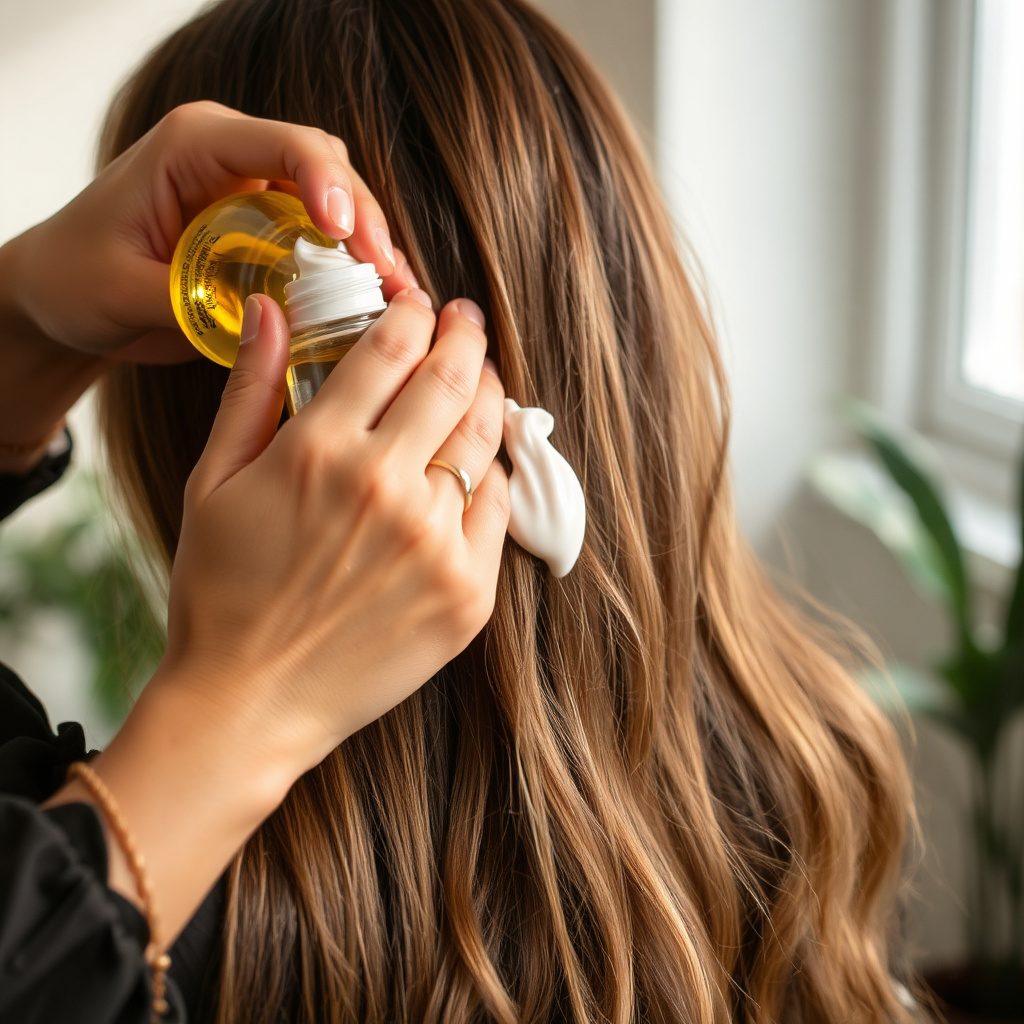
Proper Washing and Conditioning Routine
Limit shampooing frequency to avoid stripping natural oils; aim for two to three times a week. Use lukewarm water instead of hot to preserve hydration and always follow with a rich conditioner to replenish moisture lost during washing.
After washing, gently pat hair dry with a microfiber towel to reduce friction that causes breakage. Skipping heat styling tools like blow dryers or straighteners when possible further preserves moisture and reduces damage.
- Wash 2-3 times weekly
- Use lukewarm water
- Pat dry with microfiber towel
- Minimize heat styling
For more on this, see our related guide: How to Protect Natural Hair in Winter for Healthy, Moisturized Strands.
Sealing Moisture with Protective Styles
Protective hairstyles such as braids, buns, or twists shield hair from environmental stressors that accelerate moisture loss. These styles maintain hydration by reducing hair exposure to wind and friction.
Additionally, covering hair with scarves or hats made of breathable fabrics like cotton or satin preserves moisture without causing breakage. These simple measures keep hair healthier throughout the winter months.
- Try braids, buns, or twists
- Use scarves or hats with satin or cotton linings
- Avoid tight styles that stress hair roots
Natural Remedies for Winter Hair Moisturizing

Using Oils and Butters at Home
Natural oils like coconut, olive, and avocado contain fatty acids that deeply condition hair. Applying these as warm oil treatments before washing can penetrate dry strands and replenish moisture.
Shea butter and mango butter are also effective for sealing moisture post-wash. These natural butters form a protective barrier that locks hydration inside the hair shaft during cold weather.
- Warm oil treatments before shampooing
- Apply butters on damp hair
- Use sparingly to avoid buildup
Homemade Moisturizing Hair Masks
DIY hair masks using ingredients such as honey, yogurt, and aloe vera provide gentle hydration and soothe a dry scalp. Honey acts as a humectant, drawing moisture into the hair, while yogurt nourishes and strengthens strands.
Mix these ingredients to form a creamy mask applied for 20-30 minutes before rinsing. Regular use helps maintain moisture levels naturally throughout winter.
- Honey for moisture retention
- Yogurt for protein and softness
- Apply mask weekly
Daily Hair Care Habits to Retain Moisture

Gentle Brushing and Combing Practices
Using a wide-tooth comb or soft-bristle brush reduces hair breakage caused by tangles, especially when hair is dry and brittle in winter. Avoid brushing when hair is soaking wet to minimize damage.
Start detangling from the ends and work upwards slowly. Regular gentle brushing also distributes natural oils from the scalp along the strands, aiding moisture retention.
- Use wide-tooth combs
- Avoid brushing wet hair
- Detangle from ends upward
For more on this, see our related guide: How to Moisturize Hair with Oil: A Practical Guide for Healthy Strands.
Protecting Hair Overnight
Sleeping on silk or satin pillowcases prevents moisture loss and reduces friction that causes breakage and frizz. Alternatively, wrapping hair in a silk scarf overnight offers similar benefits by maintaining hydration.
Avoid cotton pillowcases as their absorbent fibers can dry hair out further during sleep, making moisture retention harder in cold months.
- Use silk or satin pillowcases
- Wrap hair with a silk scarf
- Avoid cotton pillowcases
Adjusting Your Diet and Environment for Hair Hydration

Nutrient-Rich Diet for Hair Health
Eating foods high in omega-3 fatty acids, vitamins A, C, and E, and biotin supports scalp health and hair hydration from within. Fatty fish, nuts, leafy greens, and fruits provide essential nutrients that strengthen hair follicles and improve moisture retention.
Adequate water intake is also crucial to keep hair cells hydrated. Dehydration can make hair dry and brittle despite external moisturizing efforts.
- Include fatty fish and nuts
- Consume fruits and leafy greens
- Maintain daily hydration with water
You can learn more about winter hair care and moisture retention techniques from this detailed resource. winter hair care.
Using Humidifiers to Combat Dry Indoor Air
Indoor heating systems decrease air moisture significantly, causing hair and skin dryness. Using a humidifier adds moisture back into the environment, reducing hair dehydration and scalp irritation.
Position humidifiers in frequently used rooms during winter nights to maintain balanced humidity levels, assisting your hair’s natural moisture balance.
- Use humidifiers in bedrooms and living areas
- Clean humidifiers regularly to prevent mold
- Aim for indoor humidity levels of 40-60%
Winter Hair Moisturizing Product Category Comparison
Here's a quick comparison of different moisturizing product categories to help you find the best fit for your winter hair care routine.
| Category | Hydration Level | Application Frequency | Best Hair Types | Typical Ingredients |
|---|---|---|---|---|
| Deep Conditioners | High | 1-2 times per week | Dry, curly, or damaged hair | Shea butter, argan oil, glycerin |
| Leave-In Conditioners | Medium | Daily | All hair types, especially fine or normal | Light oils, silicones, humectants |
| Hair Oils | High | Daily or as needed | Thick, coarse, or curly hair | Coconut oil, jojoba oil, castor oil |
| Hair Masks (Natural) | High | Weekly | Dry or chemically treated hair | Honey, yogurt, aloe vera |
| Serums and Creams | Medium | Daily | Frizzy or straight hair | Silicones, natural oils |
| Humidifiers (Environmental) | Indirect | Continuous while in use | All hair types | Water vapor, optional essential oils |
Frequently Asked Questions
Can I use the same moisturizing products year-round?
Winter hair typically needs richer, more emollient products than warmer seasons. While some products work year-round, switching to heavier creams or oils in winter helps combat extra dryness.
How often should I deep condition my hair in winter?
Using a deep conditioner once or twice a week during winter is effective for restoring moisture and maintaining softness without overloading the hair.
Is it okay to use natural oils daily on my hair?
Daily use of natural oils can benefit dry hair, but it's best to apply sparingly to avoid buildup; fine hair types should use oils less frequently to prevent heaviness.
Can indoor heating cause my hair to dry out?
Yes, indoor heating reduces humidity levels, causing hair and scalp to lose moisture more quickly, which can lead to dryness and brittleness.
Do I need to avoid washing hair frequently in winter?
Reducing shampoo frequency to 2-3 times per week helps preserve natural oils that keep hair hydrated and protected from winter dryness.
Key Takeaways
- Winter air and indoor heating significantly reduce hair moisture, causing dryness and damage.
- Use deep conditioners, leave-in products, and oils to replenish and seal hydration.
- Protective styles and silk pillowcases help maintain moisture and reduce breakage.
- A balanced diet and humidifiers support hydration from inside and out.
Conclusion
Moisturizing hair in winter involves understanding the environmental challenges that strip moisture and adjusting your hair care routine accordingly. Prioritizing gentle cleansing, using hydrating treatments, and protecting hair from harsh weather and heated indoor air all play essential roles. Recognizing dryness signs early ensures timely intervention before serious damage.
Choosing the right products depends on your hair type and condition. Deep conditioners and natural hair masks work wonders for dry or damaged hair, while lighter leave-in conditioners and oils suit finer textures. Incorporating protective hairstyles and nighttime care methods like silk pillowcases further aids moisture retention. Additionally, managing indoor humidity with a humidifier complements topical treatments by improving your hair's environment.
Ultimately, consistent care focused on hydration tailored to winter’s drying effects yields the best results. Start with small changes like reducing shampoo frequency, introducing weekly deep conditioning, and protecting hair nightly. Combining these steps with a nutrient-rich diet and ambient moisture control will give you soft, resilient hair throughout the cold months.



One Comment