How to Do Box Braids: Step-by-Step Guide for Beginners
Box braids are a versatile and protective hairstyle that can be done at home with the right technique and tools. To start, section your hair into square-shaped parts, then braid each section from root to tip using three-strand braiding. This method creates neat, uniform braids that can last several weeks.
Box braids matter because they not only offer a stylish look but also protect natural hair from damage caused by frequent manipulation and harsh environments. Many people choose box braids to give their hair a break while maintaining an attractive appearance.
This article covers everything you need to know about how to do box braids including preparation, sectioning techniques, braiding methods, maintenance tips, and common mistakes to avoid. Whether you want classic box braids or variations, these insights will help you achieve salon-quality results at home.
Preparing Your Hair for Box Braids

Washing and Conditioning
Start with clean, well-moisturized hair to make the braiding process easier and prevent scalp irritation. Use a sulfate-free shampoo to gently cleanse your scalp without stripping natural oils, then apply a hydrating conditioner to soften the strands.
Rinse thoroughly and gently detangle the hair using a wide-tooth comb or fingers while conditioner is still in. This reduces breakage and ensures smooth braids.
Detangling and Moisturizing
After washing, apply a leave-in conditioner or light moisturizer to keep the hair flexible and less prone to snapping during braiding. Detangle again to remove any knots that might have formed overnight or during washing.
Section the hair into manageable parts and spritz with water or a braid spray to maintain moisture throughout the braiding process.
Sectioning Techniques for Box Braids

Creating Neat Square Sections
Box braids get their name from the square-shaped parts you create on the scalp. Use a rattail comb to divide your hair into evenly sized sections, clipping each away so they don’t tangle.
Consistent section size leads to even braids and a tidy overall look. Start by parting the hair from front to back, then make perpendicular parts to create a grid of squares.
- Use clips or hair ties to keep sections separated
- Work carefully to avoid overlapping or uneven parts
Adjusting Section Size for Desired Thickness
The size of your sections determines the thickness of your braids. For thinner, more intricate braids, create smaller parts. For chunkier, statement-style box braids, larger sections work better.
Consider your hair texture and length when choosing section sizes to avoid overly heavy or strained braids.
Step-by-Step Braiding Method
Starting the Braid at the Root
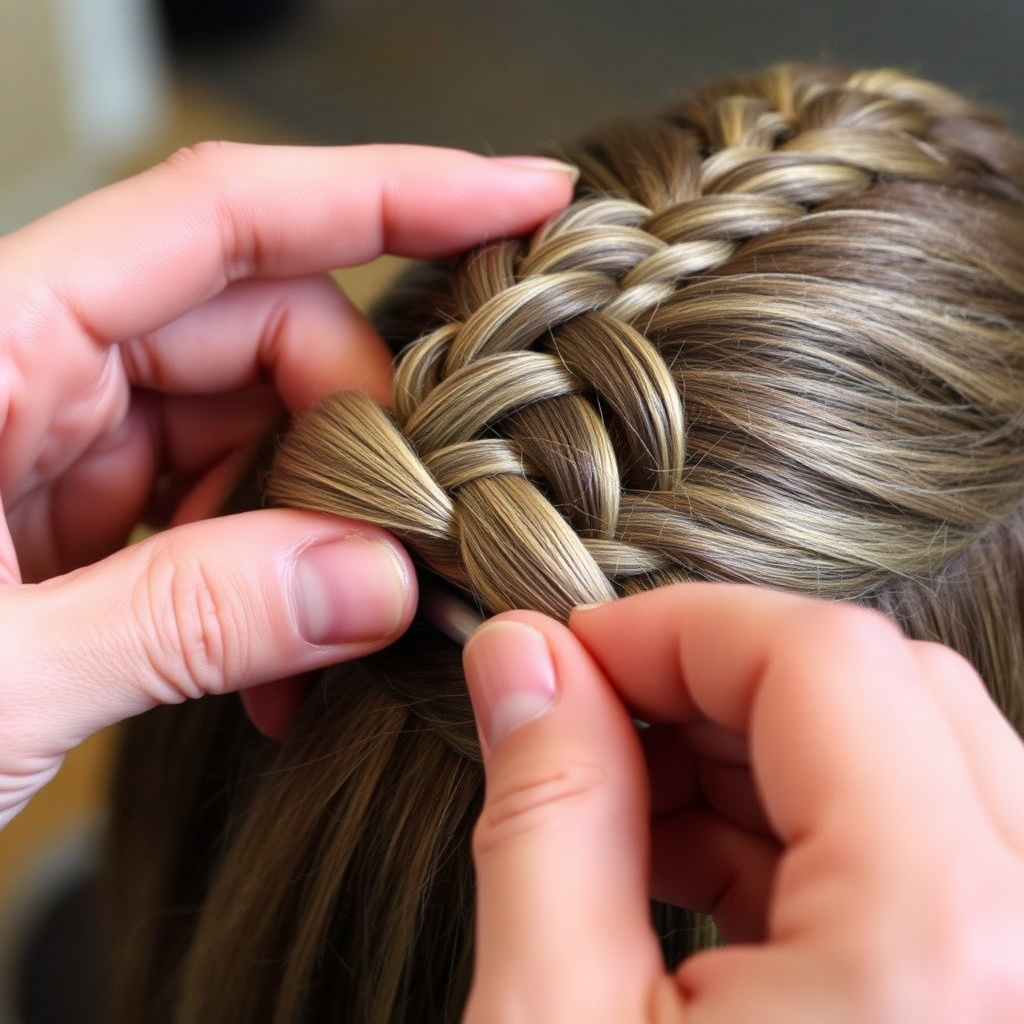
Take one section and divide it into three equal strands. Begin braiding tightly near the scalp to keep the braid secure, ensuring each weave crosses over the center strand alternately.
Maintain consistent tension but avoid pulling too tightly to prevent scalp pain or hair breakage.
For more on this, see our related guide: What Type of Braids Last the Longest: A Guide to Long-Lasting Braid Styles.
Continuing and Securing the Braid
Continue braiding all the way down the the length of your hair. If using synthetic hair extensions, integrate the strands evenly into each braid to add length and volume without lumps.
Finish by tying the end with a small elastic band or dipping the braid in hot water if synthetic hair is used to seal it.
- Keep braids uniform in tightness for consistent appearance
- Use extension hair for longer or thicker braids
How to Install Box Braids Safely

Using Synthetic Hair Extensions
To lengthen or bulk up box braids, synthetic hair extensions are commonly added by braiding them together with your natural hair. Choose high-quality Kanekalon or Toyokalon fiber for a smoother look and less scalp irritation.
Blend the extensions neatly and avoid overloading sections to reduce scalp stress.
Avoiding Scalp Damage
Overtight braiding can lead to tension headaches and hair loss. Pay attention to comfort—if you experience significant pain, loosen the braids slightly or adjust your technique.
Regularly moisturize the scalp during the wear period to avoid dryness and itchiness.
- Do not braid too small or too tight
- Take breaks between installs to let hair rest
Caring for and Maintaining Box Braids
Daily Maintenance Tips
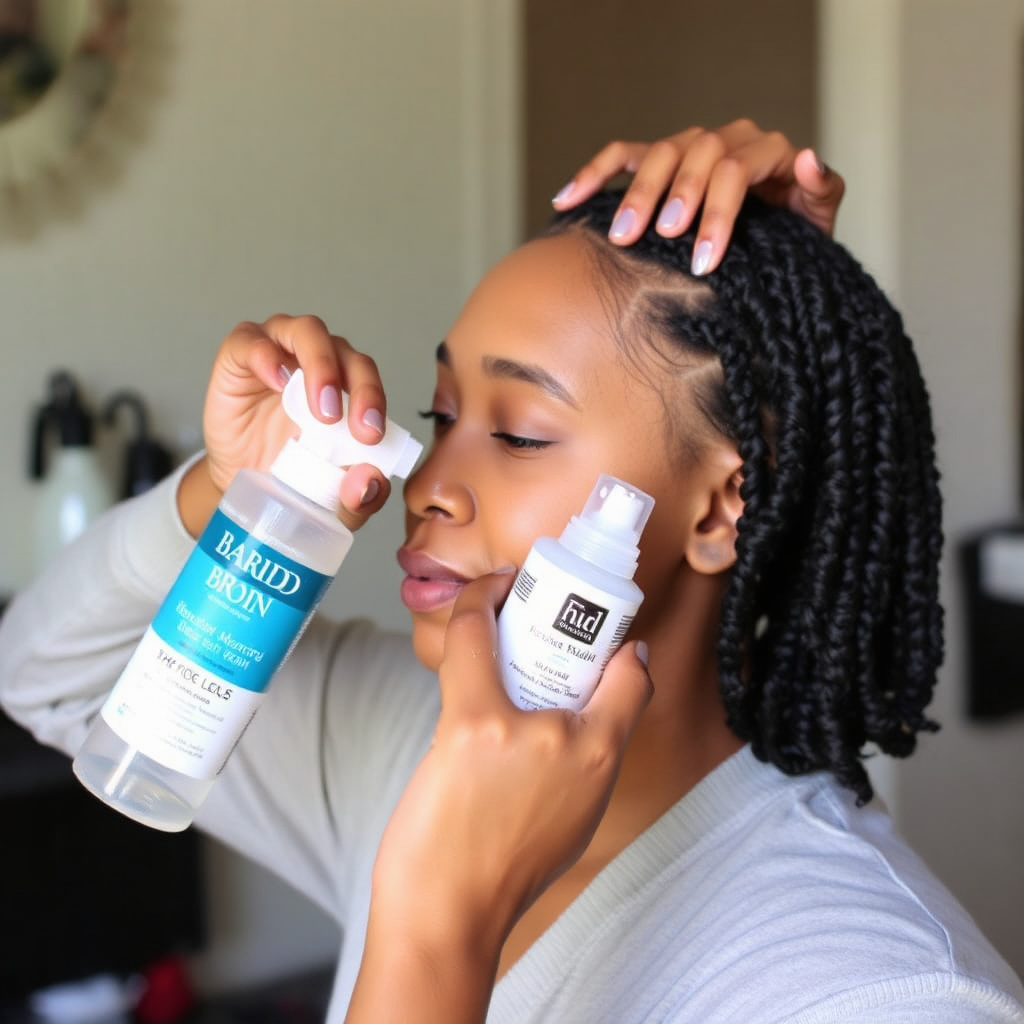
Keep your scalp clean by gently wiping with a diluted shampoo solution or dry shampoo designed for braids. Use a lightweight braid spray to maintain moisture and reduce frizz.
Tie your braids loosely with a silk or satin scarf at night to prevent tangling and breakage.
For more on this, see our related guide: What Type of Braiding Hair Is Best for Knotless Braids.
When and How to Reinstall
Box braids typically last 4-8 weeks depending on care and hair growth. Once your edges start to look frizzy or new growth is noticeable, it’s time to redo.
Remove braids carefully to avoid damaging hair. Wash and deep condition before reinstalling to maintain healthy hair.
Common Mistakes to Avoid with Box Braids
Uneven Sectioning
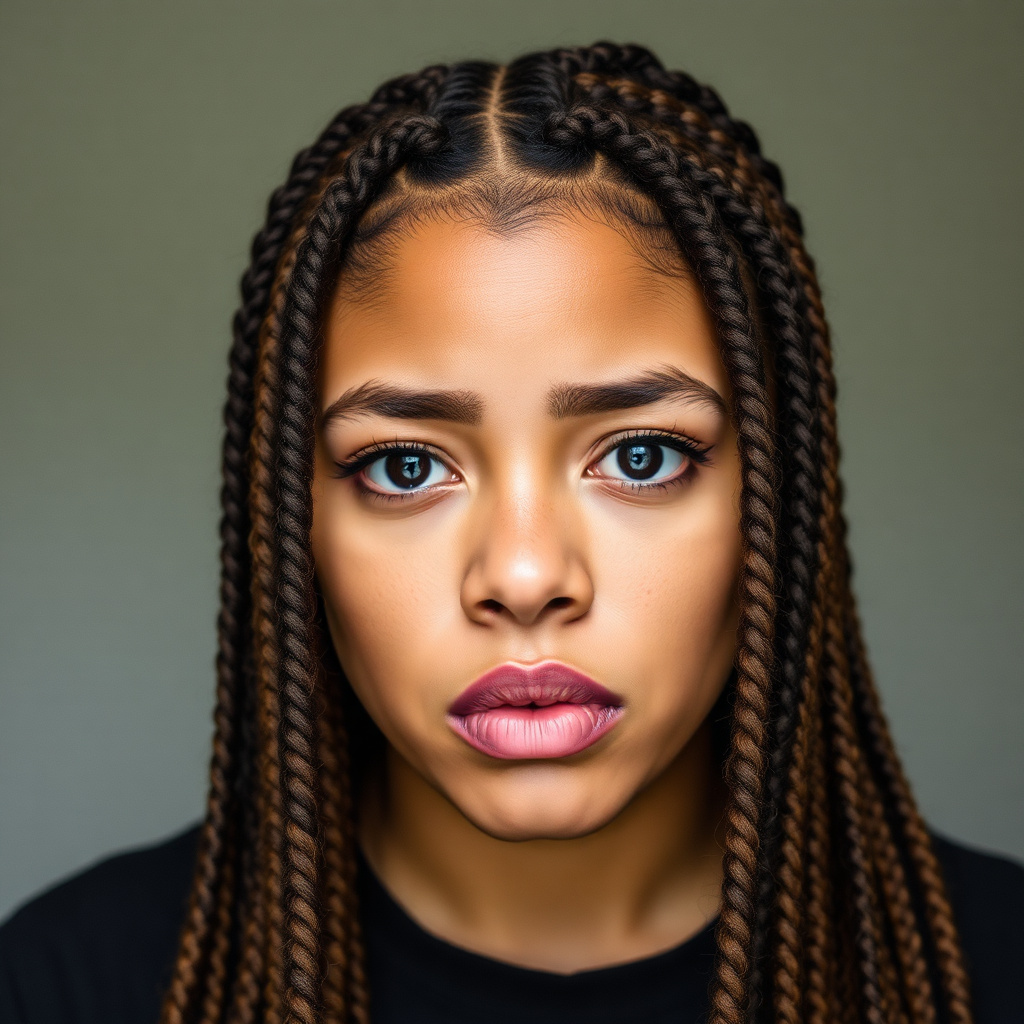
Irregular or haphazard sectioning results in messy braids that do not last as long or look polished. Taking time to create neat, equal parts is crucial for a uniform hairstyle.
Use proper tools and good lighting to see your parts clearly.
For detailed historical and cultural information about box braids, the Box braids on Wikipedia page offers valuable insights. Box braids on Wikipedia.
Braiding Too Tight
Braiding tightly causes tension on scalp and hair follicles, leading to discomfort, headaches, and potential hair loss. A firm but gentle hold is best for both longevity and health.
Listen to your scalp’s signals and loosen braids if necessary.
- Avoid excessive pulling during braiding
- Check braid tension frequently as you work
Box Braids Category Comparison
Here is a comparison of popular box braid styles to help you choose the best fit for your needs and preferences.
| Style | Average Section Size | Typical Duration | Ideal Hair Length | Maintenance Level |
|---|---|---|---|---|
| Classic Box Braids | Medium | 6-8 weeks | Medium to long | Moderate |
| Micro Box Braids | Small | 4-6 weeks | Long | High |
| Jumbo Box Braids | Large | 6-8 weeks | Short to medium | Low |
| Knotless Box Braids | Medium | 6-8 weeks | Medium to long | Moderate |
| Triangle Box Braids | Medium, triangular | 6-8 weeks | Medium to long | Moderate |
Frequently Asked Questions
How long does it take to do box braids?
The time needed varies with braid size and skill, but generally box braids take 4 to 8 hours to complete for beginners and less for experienced braiders.
Can I do box braids on short hair?
Box braids work best on medium to long hair, but shorter hair can be braided with extensions or jumbo-size braids to compensate for length.
How do I keep my box braids neat?
Moisturize the scalp regularly, tie your braids with satin wraps at night, and avoid excessive manipulation to maintain neatness.
Are box braids damaging to natural hair?
Box braids protect hair when installed properly and not too tight, but overly tight braids or keeping them too long can cause breakage or tension damage.
How often should I wash my box braids?
Washing every 1 to 2 weeks with diluted shampoo helps keep the scalp clean without disrupting the braids.
Key Takeaways
- Start with clean, detangled hair for smooth box braids
- Use even square sections to create uniform braids
- Avoid braiding too tightly to protect your scalp and hair
- Maintain moisture and gently care for braids to extend wear
Conclusion
Successfully doing box braids depends largely on preparation, sectioning, and the braiding technique. The main keyword, how to do box braids, highlights exact steps from washing and detangling to creating precise square parts and braiding with consistent tension. This approach ensures durable, neat, and healthy-looking braids. Avoiding common pitfalls such as uneven parts or excessively tight braids can protect both your scalp and natural hair over time, promoting long-term hair health while allowing for a stylish transformation.
For different preferences, you can choose from classic, micro, jumbo, or knotless box braids, each with varied installation times and maintenance levels. For beginners aiming to install box braids at home, starting with medium-sized classic box braids is a practical choice due to their moderate section size and manageable upkeep. Those seeking volume or length often incorporate synthetic extensions carefully to avoid damage. Regular moisturizing and gentle nighttime care prolong braid lifespan regardless of style.
If you feel ready to try box braids yourself, prepare by gathering essentials like a rat-tail comb, hair clips, moisturizing products, and optionally, synthetic hair extensions aligned with your chosen style. Practice your sectioning and braiding slowly, focusing on evenness and comfort. With patience and consistent care, mastering box braids is achievable and can become a go-to protective and fashionable hairstyle.