How to Wash a Weave: Step-by-Step Guide for Clean, Luscious Hair
Knowing how to wash a weave correctly can protect your investment and maintain a fresh, natural look. It involves gentle cleansing techniques that avoid damaging either your natural hair or the extensions. Washing your weave every one to two weeks helps remove buildup without loosening the installation prematurely.
Taking care of a weave extends its lifespan and preserves scalp health by preventing odors, itching, and dandruff. Proper washing is essential because regular hair-washing habits may not fit well with the texture and attachment methods of different weaves. A balanced routine allows your hair to look clean and vibrant without compromising the integrity of the bonds or braids.
This article covers everything from pre-wash preparation and choosing the right shampoos to detailed washing steps and thorough drying tips. We’ll also discuss aftercare tactics to make your weave shine longer and avoid common issues like tangling or dryness.
Preparing Your Weave for Washing

Detangling the Weave
Before applying water or shampoo, carefully detangle your weave using a wide-tooth comb or your fingers. Start at the ends and work your way up to reduce knotting and pulling on your natural hair. This step minimizes breakage and helps the shampoo spread evenly.
Avoid aggressive combing, as it can loosen tracks or bonds depending on your weave type. If you notice severe tangles that don’t easily come out, consider using a detangling spray formulated for hair extensions to ease the process.
- Use a gentle, wide-tooth comb
- Work from ends to roots
- Apply detangling spray if necessary
- Avoid harsh tugging
Protecting Your Natural Hair
If your natural hair is braided or cornrowed underneath, check the scalp for buildup or dryness before washing. Moisturizing your scalp with natural oils like jojoba or coconut oil can prevent excessive dryness caused by shampoo.
Some prefer to wrap the hairline or edges with a silk scarf during washing to reduce manipulation and frizz. Maintaining scalp health ensures your weave rests on a clean, nourished base.
Choosing the Right Shampoo and Conditioner

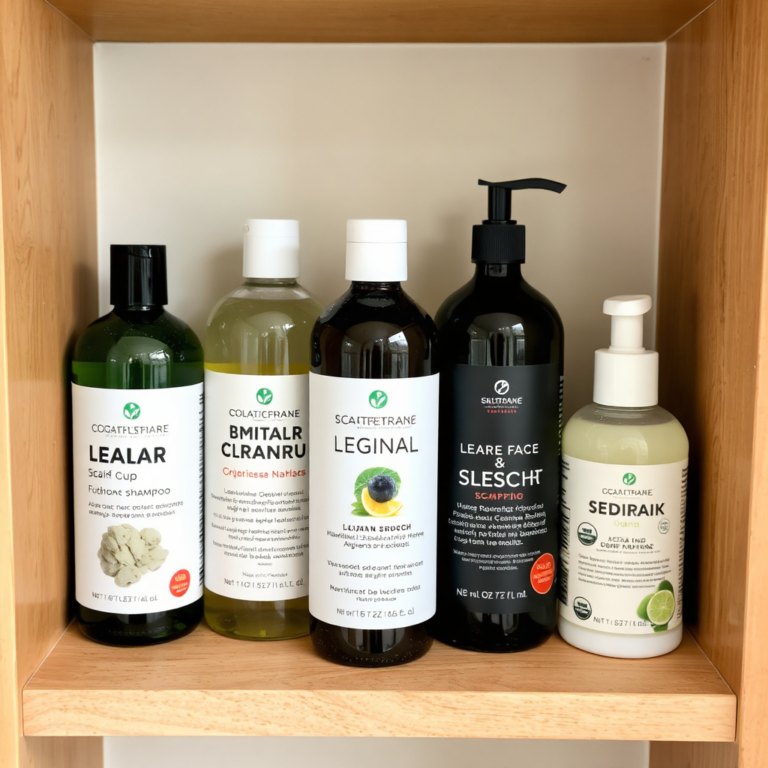
Selecting Sulfate-Free Shampoos
Sulfates strip natural oils and can lead to dryness or frizz in both your weave and natural hair. Choosing a sulfate-free shampoo helps keep strands hydrated while effectively cleansing. Look for formulations labeled gentle or for color-treated hair to protect your weave’s texture and hue.
These shampoos prevent over-drying by preserving moisture balance, minimizing the risk of shedding or tangling after washing.
- Avoid shampoos with sodium lauryl sulfate
- Look for hydrating and gentle formulas
- Prioritize shampoos designed for extensions or color-treated hair
Hydrating with the Right Conditioner
After shampooing, apply a moisturizing conditioner to restore softness and manageability to your weave. Focus on the mid-lengths and ends to reduce tangling and dryness. Leave the conditioner on for a few minutes for deeper hydration before rinsing thoroughly.
For weaves that tend to get dry due to frequent styling, consider a leave-in conditioner or light oil to keep strands supple between washes.
- Use a hydrating conditioner
- Apply mainly to mid-lengths and ends
- Consider leave-in treatments for extra moisture
Step-by-Step Washing Process for Your Weave
Applying Shampoo Properly
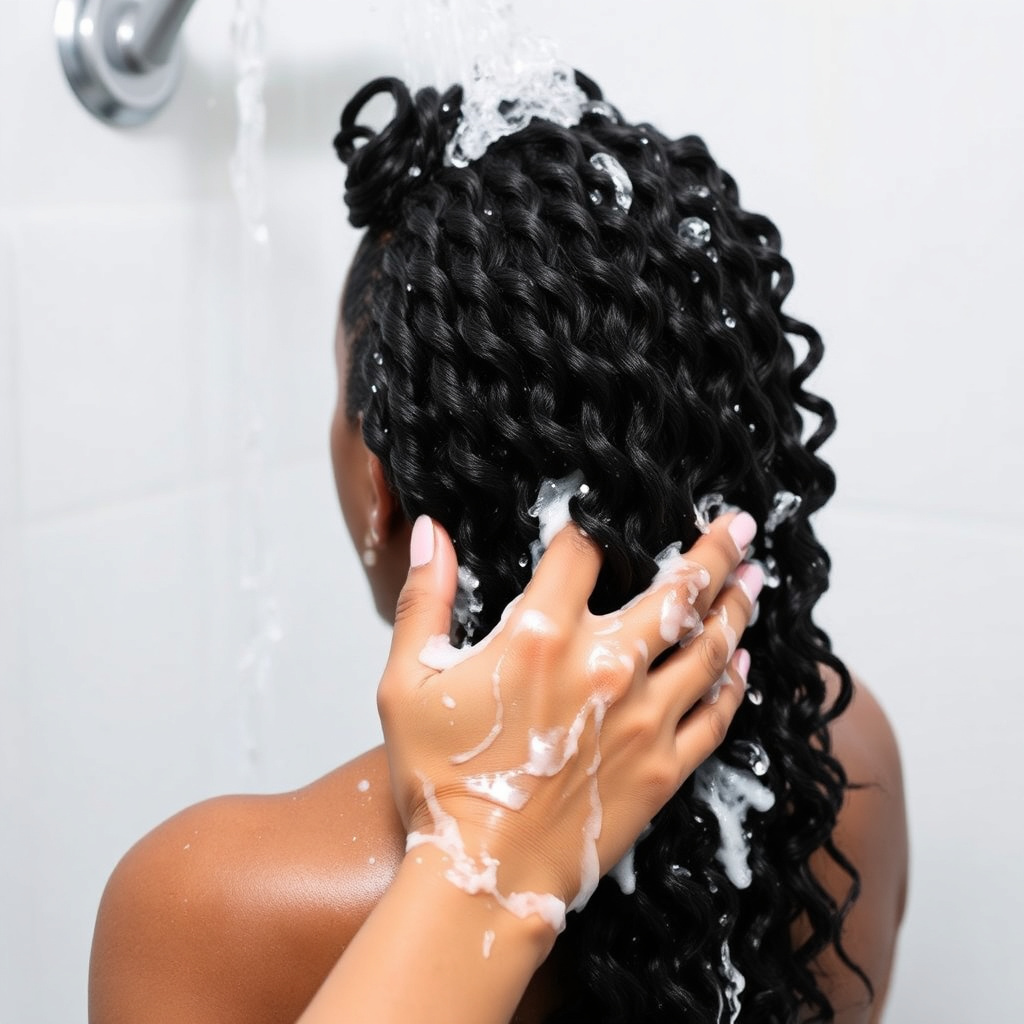
Rinse your weave with lukewarm water, avoiding highly hot temperatures that can loosen bonds or cause frizz. Dispense a small amount of sulfate-free shampoo into your palms and gently massage it through the weave and scalp. Do not scrunch or twist the hair; instead, use light downward strokes to cleanse without disrupting the installation.
Focus on the scalp and roots where oils accumulate but run the shampoo through the hair gently to remove environmental buildup.
- Use lukewarm water for rinsing
- Massage shampoo in gently from roots downward
- Avoid scrubbing or twisting motions
For more on this, see our related guide: How to Wrap Hair in a Towel: Step-by-Step Guide for All Hair Types.
Conditioning and Rinsing Techniques
After shampooing, apply conditioner evenly focusing on the ends and avoiding the scalp to prevent heaviness. Let it sit for 3-5 minutes to deeply hydrate, then rinse with cool water to seal the cuticles and add shine. Pat your hair dry with a soft towel; avoid vigorous rubbing that can cause tangles or frizz.
If possible, air drying is recommended to maintain the weave’s integrity, but if you use heat tools, apply a heat protectant first.
- Apply conditioner mainly on mid-lengths and ends
- Rinse with cool water for smoothness
- Gently pat dry with microfiber towel
- Air dry or use heat protectant before styling
Drying and Styling Your Weave
Air Drying vs Blow Drying
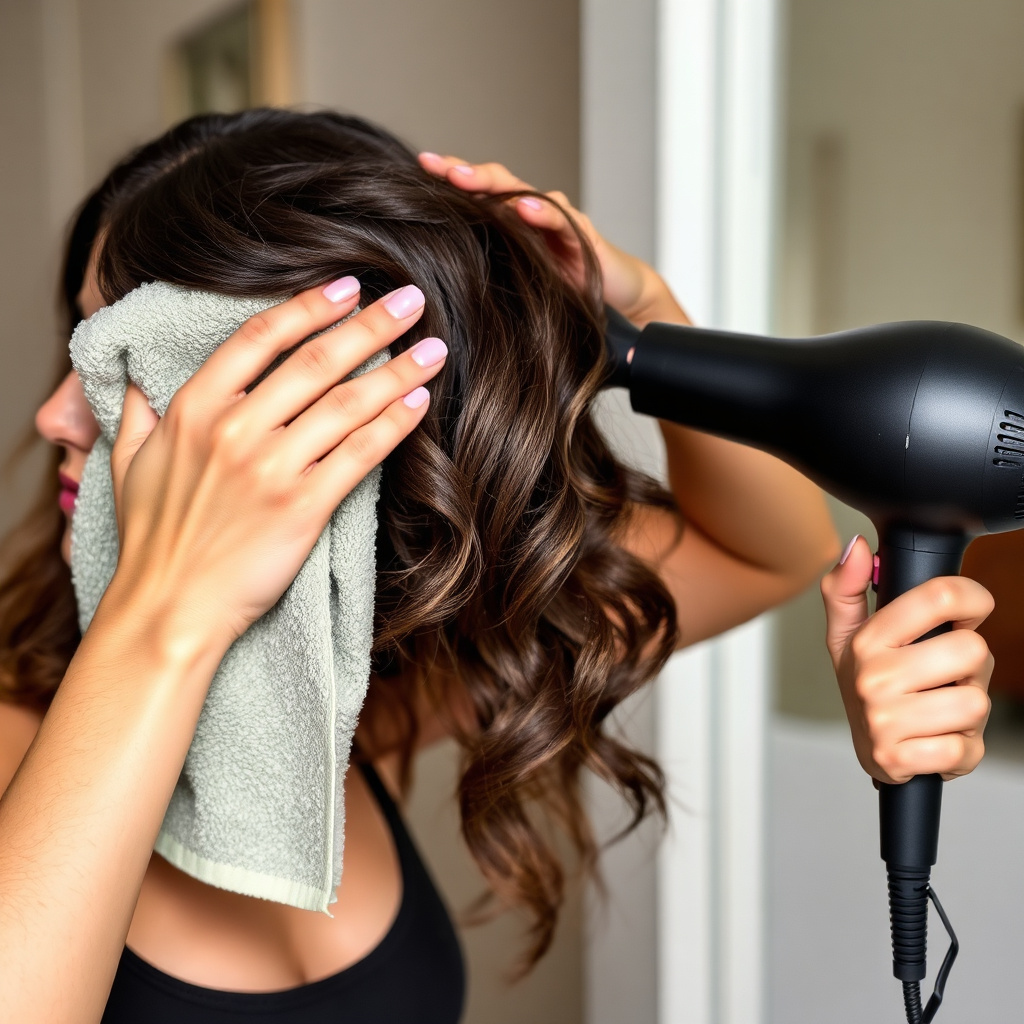
Air drying is the safest method to preserve your weave's texture and prevent premature loosening of braids or glued wefts. It reduces heat exposure that can cause dryness or breakage. Pat your hair with a microfiber towel to remove excess water, then allow it to dry naturally in a well-ventilated area.
If time is tight, opt for blow drying on a low heat setting with a diffuser attachment to minimize direct heat damage and keep curls or waves intact.
- Use microfiber towel to gently blot hair
- Prefer air drying whenever possible
- Blow dry on low heat with diffuser if needed
Styling Tips Post-Wash
After drying, detangle your weave carefully using a wide-tooth comb or fingers. Lightly apply a leave-in conditioner or serum to reduce frizz and add shine. Avoid heavy products that weigh the hair down or cause buildup. For heat styling, always use a heat protectant to prevent damage to both your natural hair and the extensions.
Regular moisturizing extends the weave’s lifespan and keeps it looking fresh between washes.
- Detangle gently after drying
- Apply lightweight moisturizing products
- Use heat protectant before using heat tools
Maintaining Your Weave Between Washes

Nighttime Care and Protection
Protect your weave while you sleep by wrapping it with a silk or satin scarf or using a matching bonnet. These materials reduce friction that can cause frizz or tangling. Sleeping on a silk pillowcase is another effective way to keep your hair smooth and prevent damage.
Regular protection helps maintain your weave’s neat appearance and stretches the time between washes.
- Use silk/satin scarf or bonnet at night
- Consider a silk pillowcase
- Avoid sleeping with wet hair
For more on this, see our related guide: How to Braid Hair with a Ribbon: Step-by-Step Guide for Beautiful Styles.
Refreshing Your Weave Daily
To keep your weave looking fresh, lightly spritz it with a leave-in conditioner water mixture or a specialized weave refresher spray. Gently finger-comb any tangles and avoid heavy styling products that cause buildup. Quick daily maintenance can reduce the frequency of washing without sacrificing cleanliness or softness.
Spritzing and gentle touch-ups ensure your weave stays manageable and vibrant between thorough washes.
- Use light conditioning sprays daily
- Finger-comb to detangle
- Avoid oily or heavy products
Troubleshooting Common Weave Washing Issues
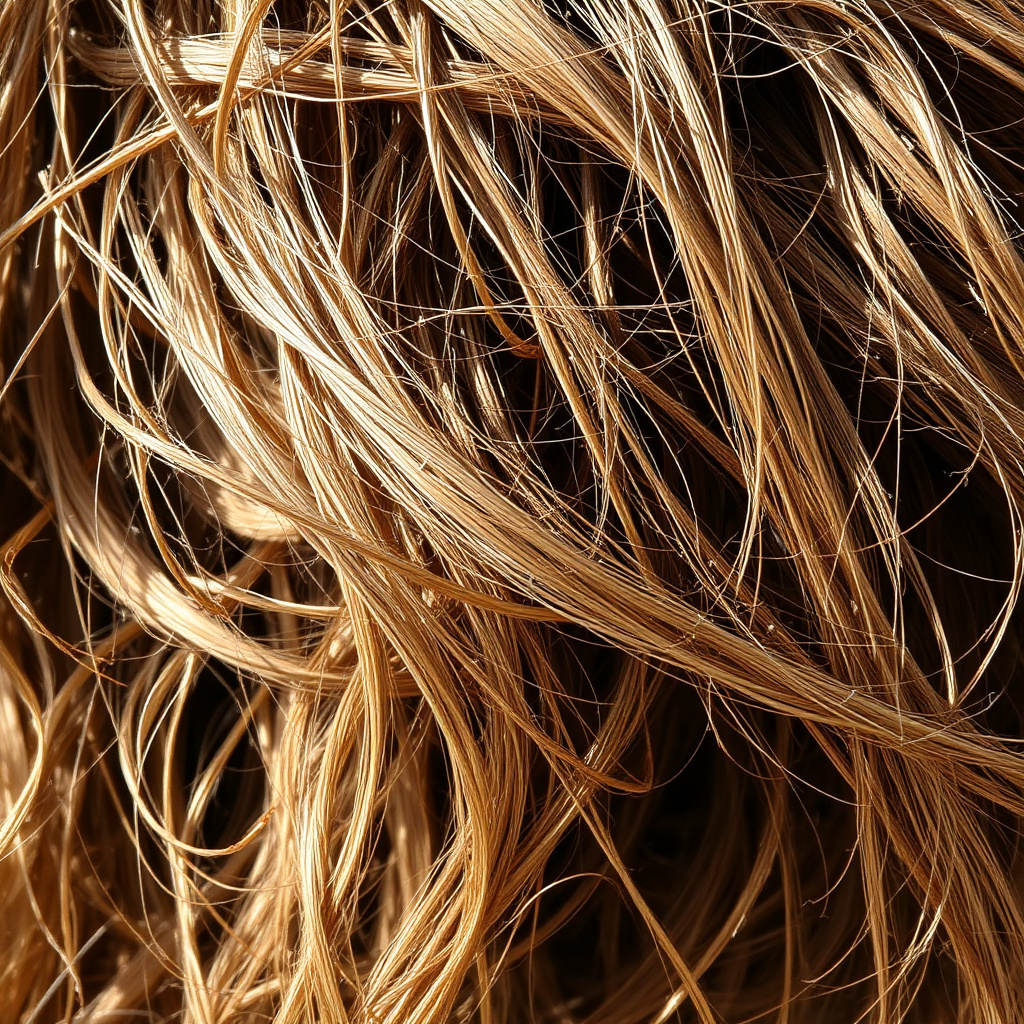
Dealing with Tangling and Matting
Tangling can result from inadequate moisturizing or rough handling during washing. Use detanglers and conditioners rich in slip before washing. During hair care routines, maintain gentle motions and avoid excessive twisting or scrubbing that can cause wefts to tangle.
If mats form, carefully separate strands with fingers and use conditioning treatments to soften the hair before attempting to comb.
- Apply detangler before washing
- Handle hair gently with minimal friction
- Use deep conditioning treatments if mats form
For historical background and more details on hair weaving techniques, see the Hair Weave Care Guidelines on Wikipedia. Hair Weave Care Guidelines on Wikipedia.
Preventing Shedding and Loosening
Shedding and loosening are common problems when improper washing techniques are used. Avoid pulling or tugging on the roots and make sure you rinse shampoo and conditioner fully. Using mild products without harsh chemicals will help the bonds or braids hold longer.
Avoid washing too frequently; a one to two-week schedule is often sufficient unless you sweat heavily or use lots of styling products.
- Rinse products thoroughly from hair
- Avoid harsh shampoos and chemicals
- Wash on a regular but not too frequent schedule
Types of Weaves and Their Washing Requirements Compared
Here’s a quick comparison of popular weave types and how their washing needs differ to help you choose the best care approach.
| Weave Type | Attachment Method | Washing Frequency | Recommended Products | Drying Method |
|---|---|---|---|---|
| Sew-in Weave | Braided tracks | Every 1-2 weeks | Sulfate-free shampoo & conditioner | Air dry or low heat blow dry |
| Glue-in Weave | Adhesive bonding | Every 1-2 weeks | Gentle cleansing sprays, sulfate-free shampoo | Air dry preferred, limit heat |
| Clip-in Extensions | Removable clips | After every 5-7 wears or as needed | Mild shampoo, deep conditioner | Air dry only |
| Tape-in Weave | Pre-taped bonds | Every 1-2 weeks | Gentle, hydrating shampoos | Air dry or low heat diffuser |
| Micro-link Weave | Bead attachments | Every 1-2 weeks | Gentle sulfate-free products | Air dry or low heat blow dry |
Frequently Asked Questions
Can I use regular shampoo on my weave?
Regular shampoos often contain sulfates and harsh chemicals that may dry out weaves and cause tangling or loosening. It’s better to use sulfate-free shampoos designed for extensions or color-treated hair to maintain moisture and manageability.
How often should I wash my weave?
Washing a weave every one to two weeks is ideal for removing buildup while protecting the installation. More frequent washing can cause dryness and loosening, while less frequent washing may lead to scalp irritation or odor.
Is air drying better than blow drying for weaves?
Air drying is gentler and helps preserve the weave’s texture and bonds. Blow drying is acceptable if done on low heat with a diffuser, but excessive heat can dry out or damage the extensions.
How do I prevent my weave from tangling after washing?
Pre-wash detangling, using moisturizing conditioners, and gentle handling during wash and styling reduce tangling. Nighttime silk wrapping also helps maintain smooth strands between washes.
Can I apply conditioner directly to the scalp?
Conditioner should generally be applied to mid-lengths and ends rather than the scalp to avoid buildup that can clog pores or weigh hair down, which potentially causes itching or dullness.
Key Takeaways
- Wash your weave every one to two weeks with gentle sulfate-free products.
- Detangle carefully before washing to avoid knots and damage.
- Air drying is preferred but low heat blow drying is acceptable with protection.
- Use lightweight conditioners and protect your weave at night with silk or satin.
Conclusion
Mastering how to wash a weave blends patience and care to keep your hair looking fresh and natural. Understanding your weave type and using gentle, sulfate-free shampoos are essential steps. The delicate process of detangling before washing and applying conditioner strategically protects both your extensions and natural hair from damage, allowing your style to last longer and maintain its smooth texture.
For those sporting sew-in or tape-in weaves, following a consistent one- to two-week washing schedule with hydrating products makes the biggest difference. If you use clip-in extensions, washing them based on wear count rather than time helps keep them clean without risking premature drying. Incorporating nightly silk scarves or bonnets and refreshing sprays between washes maintains softness and minimizes tangling, extending the life of your weave.
The best approach is steady, gentle upkeep—starting with the right cleansing and conditioning routine, proper drying techniques, and protective daily habits. Assess your weave’s specific needs, try recommended products suited for your type, and introduce a maintenance rhythm that fits your lifestyle. This process ensures your weave remains a beautiful, manageable part of your hair routine for weeks on end.