How to Remove Nail Glue from Skin Safely and Effectively
If you accidentally get nail glue on your skin, the fastest way to remove it is by soaking the affected area in warm, soapy water and gently peeling or rubbing the glue off once it softens. Acetone-based nail polish remover can help dissolve stubborn glue, but it should be used carefully to avoid skin dryness or irritation. Avoid pulling or scraping aggressively to protect your skin from damage.
Nail glue bonds very quickly and firmly, which is why it can be frustrating when it ends up on your skin instead of just the nails. Since the glue is designed to adhere strongly, improper removal can cause skin irritation, redness, or even small wounds. Understanding the safest removal techniques helps protect your skin while eliminating the glue efficiently.
This article will walk you through practical, gentle ways to remove nail glue from skin, including household remedies and when to use commercial products. You'll also learn tips to prevent skin damage during the removal process and what to do if irritation occurs. After reading, you’ll feel confident handling nail glue mishaps with ease.
Common Household Methods for Removing Nail Glue from Skin
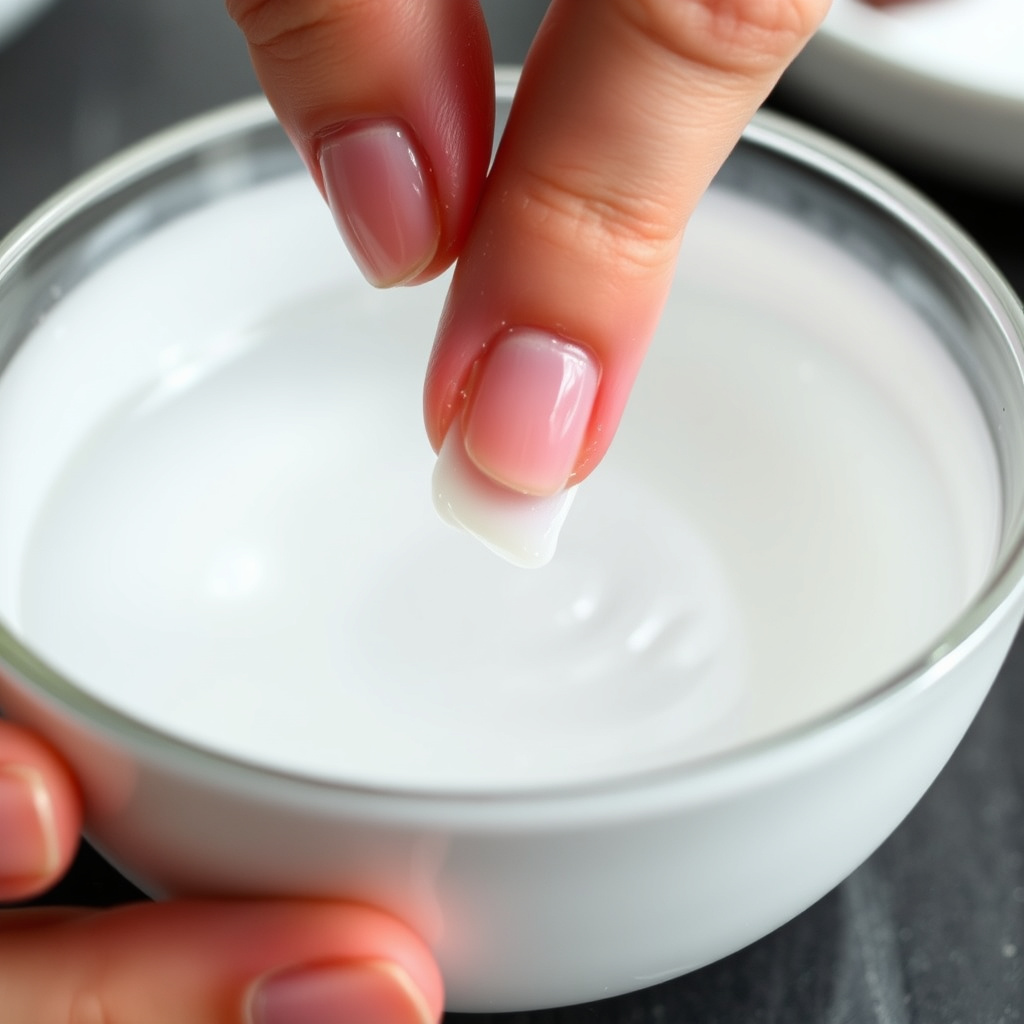
Using Warm Soapy Water
Soaking the glued skin in warm, soapy water is the gentlest way to loosen nail glue. The warm water softens the glue, while the soap helps to break down its adhesive properties over several minutes. After soaking for about 10-15 minutes, you can try rubbing the glue gently with a soft cloth or your fingers to peel it away.
Be patient with this process, as forcing the glue off too quickly can damage the skin. Repeat soaking if necessary, especially for thicker glue patches. This method is safe for sensitive skin and avoids harsh chemicals.
- Use mild dish soap or hand soap
- Maintain water temperature at comfortably warm, not hot
- Soak for at least 10-15 minutes
- Gently rub with a cloth or finger
Applying Petroleum Jelly
Petroleum jelly can help soften nail glue on the skin by creating a moisturizing barrier. Apply a generous amount over the glued area and allow it to sit for several minutes. This softens the glue and facilitates gentle removal by rubbing or peeling.
While petroleum jelly isn't as fast as acetone products, it’s a good option if you want to avoid harsh solvents. It also helps protect the surrounding skin from drying out during removal.
- Apply thick layer of petroleum jelly
- Let it sit for about 10 minutes
- Rub or gently peel off softened glue
Using Chemical Removers Safely on Skin

Using Acetone-Based Nail Polish Remover
Acetone dissolves nail glue quickly but can dry and irritate your skin. To use it safely for removal, dip a cotton swab or ball in acetone-based nail polish remover and gently dab only the glued area, avoiding excessive rubbing or contact with unaffected skin.
After the glue starts to loosen, wash the area with soap and water immediately and apply a moisturizer to reduce dryness. Limit acetone use to short periods and small amounts, especially on delicate or damaged skin.
- Use acetone sparingly and spot-apply
- Avoid open wounds or sensitive areas
- Rinse thoroughly after use
- Apply moisturizer post-removal
Non-Acetone Nail Glue Removers
Non-acetone removers are less harsh but may require longer soaking or repeated applications to dissolve nail glue. These removers often use solvents like ethyl acetate which can still dry the skin but tend to be milder.
For sensitive skin, non-acetone removers are a safer alternative to break down glue gradually. As with acetone, always rinse thoroughly afterward and moisturize the skin.
- Longer application time needed
- Use gentle rubbing motions
- Rinse well and moisturize skin
Techniques to Prevent Skin Damage During Removal
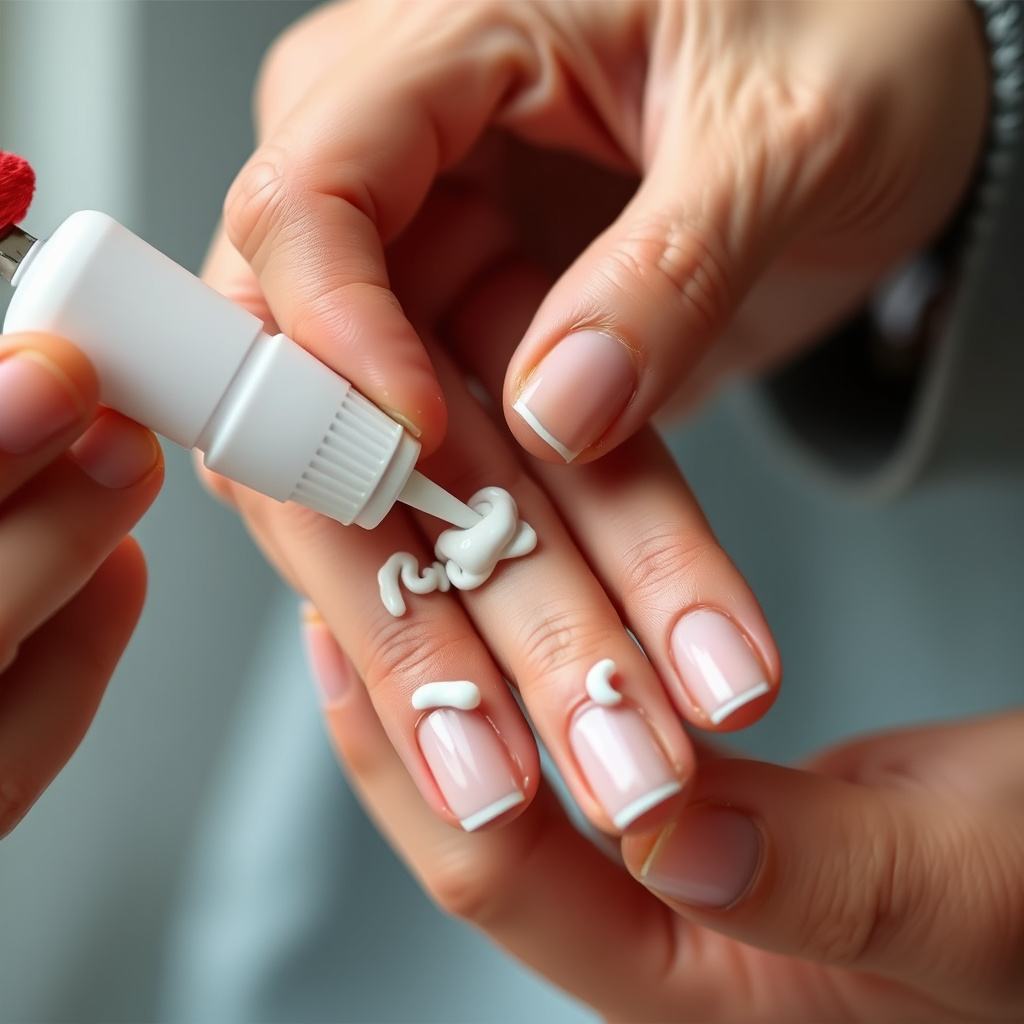
Avoid Scraping or Pulling Aggressively
Vigorous scraping or pulling off dried nail glue can cause skin abrasions, redness, and irritation. It’s important to work gently and patiently, letting the glue soften fully before attempting removal.
If you encounter resistance, return to soaking or applying removal agents instead of forcing the glue off. Protecting your skin’s surface maintains its natural barrier and prevents inflammation.
- Work gently and avoid sharp tools
- Re-soak if glue is stubborn
- Stop if skin becomes red or painful
Moisturizing After Removal
After removing nail glue, your skin may feel dry or tight due to solvents or prolonged soaking. Applying a nourishing moisturizer or hand cream helps restore skin hydration and supports barrier repair.
Look for products containing soothing ingredients like aloe vera, shea butter, or vitamin E. Regular moisturizing post-removal minimizes peeling or cracking and soothes any minor irritation.
- Use fragrance-free, gentle moisturizers
- Apply immediately after washing
- Reapply during the day as needed
When to Seek Professional Help for Nail Glue Removal

Signs of Skin Reaction or Infection
If you notice swelling, blistering, intense redness, or spreading rash around the glued skin, these could be signs of an allergic reaction or infection. Professional medical assessment is necessary to prevent worsening symptoms.
Do not attempt to remove glue forcefully if the area is painful or infected. Instead, consult a dermatologist or healthcare provider for safe treatment options.
- Swelling or blisters develop
- Increasing pain or warmth
- Redness spreading beyond glued area
Persistent Glue That Won’t Come Off
In cases where nail glue remains firmly stuck despite home remedies and chemical removers, a professional nail technician or dermatologist can use specialized tools or treatments to remove it safely without damaging your skin.
This is especially important for sensitive skin types or when the glue covers a large or difficult-to-access area.
- Professional removal tools may be used
- Specialized dissolving agents available
- Reduce risk of skin injury
How to Prevent Nail Glue from Getting on Skin

Precise Application Techniques
Use a small brush or applicator tip for controlled nail glue application, placing glue only on the nail surface, not the cuticles or surrounding skin. Applying thin layers reduces overflow that can stick to skin.
Take your time during application and keep cotton swabs or tissues nearby to quickly wipe excess glue before it dries.
- Use a fine applicator or brush
- Apply thin, even layers
- Keep cleanup tools close
For more scientific details about the chemical composition of nail glue, see the article on cyanoacrylate adhesives. cyanoacrylate adhesives.
Wearing Protective Barriers
Applying a thin layer of petroleum jelly around the nails before using glue can act as a barrier and prevent skin adhesion. This creates a protective film so any glue that touches skin is easier to peel off later.
Alternatively, use liquid latex nail guards or finger cots to shield the skin during application for more foolproof protection.
- Apply petroleum jelly around nails
- Use liquid latex nail guards
- Consider finger cots during application
Nail Glue Removal Methods Category Comparison
This table compares popular nail glue removal techniques based on speed, skin safety, and ease of use.
| Method | Speed of Removal | Skin Irritation Risk | Ease of Use |
|---|---|---|---|
| Warm Soapy Water | Slow (10-20 mins) | Very Low | Easy |
| Petroleum Jelly | Slow to Moderate | Low | Easy |
| Acetone Nail Polish Remover | Fast | Moderate to High | Moderate |
| Non-Acetone Remover | Moderate | Low to Moderate | Moderate |
| Professional Removal | Fast | Very Low with expert | Requires professional help |
Frequently Asked Questions
Can I use household vinegar to remove nail glue from my skin?
Vinegar has mild acidic properties but is generally ineffective for removing nail glue. It does not dissolve the glue well and may irritate the skin. Better to stick with warm soapy water or acetone-based removers.
Is nail glue toxic if it gets on my skin?
Nail glue is formulated for external use and generally non-toxic in small skin contact instances. However, it can cause irritation, redness, or allergic reactions, so avoid prolonged exposure and remove glue promptly.
How long does it take for nail glue to dry on skin?
Nail glue typically dries and bonds within seconds to a minute. Once dry, it becomes tougher to remove, so treating the area quickly is best to prevent strong adhesion.
Can I use oil to remove nail glue from skin?
Certain oils like olive or coconut oil may help soften nail glue by moisturizing the skin, but they work slower than acetone or soaking. Oils are a gentle removal option if you want to avoid harsh solvents.
What should I do if nail glue causes a skin rash?
If you develop a rash or itchiness after contact with nail glue, stop using any removers and wash the area gently. Apply a soothing cream and consult a healthcare provider if symptoms worsen or persist.
Key Takeaways
- Warm soapy water is the safest first step to remove nail glue from skin.
- Acetone nail polish remover works quickly but may irritate and dry skin.
- Avoid scraping glued skin aggressively to prevent damage.
- Moisturize skin after removal to restore hydration and comfort.
Conclusion
Removing nail glue from skin requires a careful balance between effectiveness and protecting the skin’s natural barrier. Starting with gentle methods like soaking in warm, soapy water lets the glue soften gradually while minimizing irritation. When glue is stubborn, using small amounts of acetone-based nail polish remover can speed removal but must be applied with care to prevent dryness or redness. Throughout the process, patience and gentleness preserve skin health and avoid painful damage.
For everyday nail glue mishaps, warm water soaking combined with petroleum jelly or gentle rubbing offers a safe and accessible way to loosen glue. In tougher cases, especially if you are dealing with thick glue or sensitive skin, opting for non-acetone removers or seeking professional help can protect your skin from injury. Preventive techniques like careful application, barriers, and quick cleanup reduce the frequency of skin contact with nail glue, simplifying future removals.
The best practical step after reading is to prepare a small removal kit with mild soap, petroleum jelly, and a nail polish remover with acetone or non-acetone options. By applying these strategies promptly and thoughtfully, you can manage nail glue on skin with minimal fuss and keep your hands healthy and comfortable.


