How to Stop Nails from Peeling: Effective Tips for Stronger Nails
To stop nails from peeling, it's important to maintain a consistent nail care routine focusing on hydration, protection, and gentle treatment. Peeling nails often result from dryness, exposure to harsh chemicals, or mechanical damage. Applying a moisturizing nail oil regularly, avoiding excessive water exposure, and reducing the use of nail polish removers with acetone can significantly help restore nail integrity.
Nail peeling can be caused by a mix of external and internal factors, including frequent hand washing, using cleaning agents without gloves, or nutritional deficiencies. Addressing these root causes is essential because peeling not only affects nail appearance but can lead to discomfort and increased risk of infections if not managed properly.
This article will cover key ways to prevent nail peeling by examining hydration methods, protective strategies, diet improvements, and best nail care practices. Readers will gain insights into specific treatments and lifestyle adjustments to support nail health and prevent further damage.
Understanding Why Nails Peel
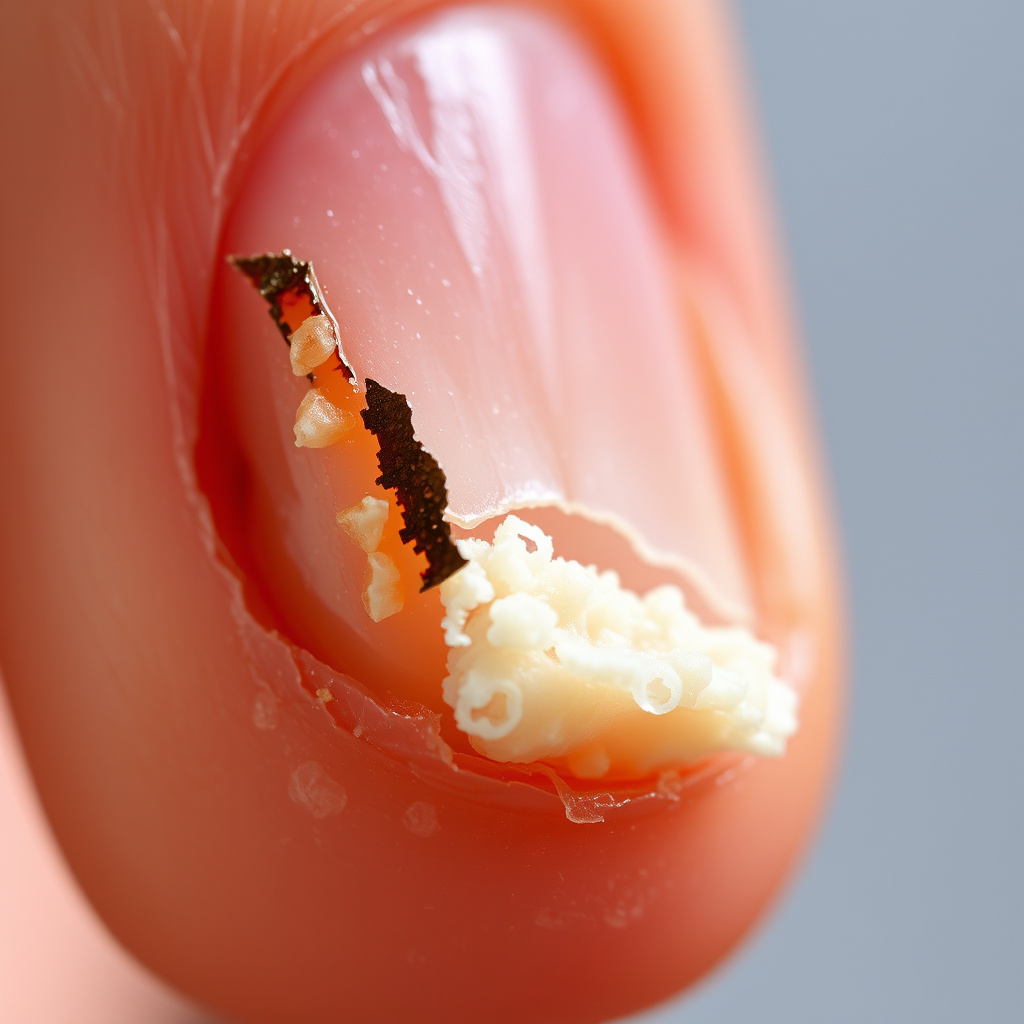
Common Causes of Nail Peeling
Nail peeling occurs when the outer nail layers separate due to repeated exposure to moisture, chemicals, or physical trauma. Frequent washing, harsh detergents, and overuse of nail polish removers wearing down the protective keratin layers are primary contributors.
Other factors like nutritional deficiencies, especially lack of vitamins A, C, and Biotin, or underlying health issues such as anemia or hypothyroidism can weaken the nails from within, increasing susceptibility to peeling.
How Nail Structure Affects Peeling
Nails consist mainly of keratin, a protein that provides strength and flexibility. When the nail’s protective layers are compromised, peeling or laminations can develop, leading to brittle, flaky nails.
Understanding that nails grow slowly and repair takes time is vital. Protecting the nail plate from further damage allows the natural growth process to restore smooth, healthy nails.
Daily Habits to Prevent Nail Peeling

Moisturizing and Hydration Techniques
Keeping nails hydrated helps prevent peeling by maintaining flexibility in the keratin layers. Applying cuticle oils containing vitamin E or jojoba oil daily locks in moisture and supports nail resilience.
Using hand creams regularly after washing, especially those rich in glycerin and shea butter, can reduce dryness and brittleness, common triggers of nail peeling.
- Use cuticle oil every night
- Apply hand cream after washing hands
- Avoid frequent soaking in water
Protecting Nails During Routine Tasks
Wearing gloves when washing dishes or handling chemicals prevents waterlogging and chemical exposure, both of which enhance peeling risks. Gloves also protect nails from mechanical damage caused by scrubbing.
Avoiding excessive filing or using metal tools under the nails helps keep the nail plate intact and reduces layers’ separation.
- Wear rubber gloves for household chores
- Limit use of metal nail tools
- Trim nails regularly without aggressive filing
Nutritional Strategies to Strengthen Nails
Key Vitamins and Minerals for Nail Health
Biotin (Vitamin B7) promotes keratin production and is clinically shown to improve nail hardness and reduce splitting. Other essential nutrients include Vitamin C for collagen synthesis and zinc for cell growth and repair.
Ensuring a diet rich in leafy greens, nuts, eggs, and fish provides these vitamins naturally, supporting the nails from the inside out.
- Include biotin-rich foods
- Consume vitamin C sources like citrus fruits
- Maintain zinc intake through nuts and legumes
Supplements: When and How to Use Them
If dietary intake is inadequate or nails show persistent weakness, supplements may be beneficial under a healthcare provider’s guidance. Biotin supplements ranging from 2.5 to 5 mg daily are common for improving nail strength.
Avoid megadoses or unverified products, as excessive or inappropriate use can cause side effects or have no additional benefit.
- Consult a doctor before starting supplements
- Use clinically tested biotin brands
- Avoid excessive dosages
Choosing Nail Products to Support Healthy Nails
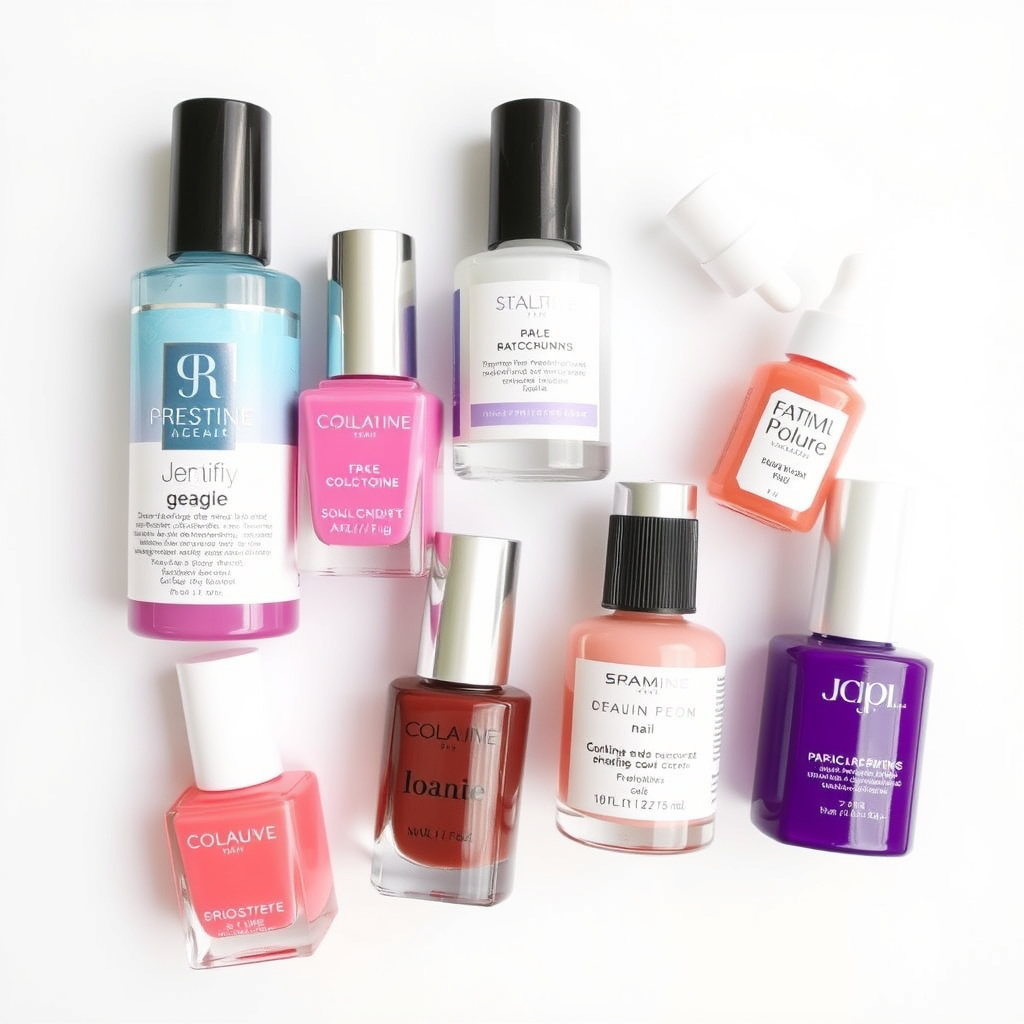
Best Nail Polishes for Peeling Nails
Look for nail polishes labeled 'strengthening' or fortified with proteins and moisturizers. These formulas reduce drying effects and can temporarily reinforce nails as they grow.
Avoid polishes with harsh chemicals such as formaldehyde, toluene, and dibutyl phthalate, which can worsen peeling and brittleness.
- Use nail polishes with added vitamins
- Avoid strong chemical solvents
- Limit polish application frequency
Safer Nail Polish Removers
Acetone-free nail polish removers are less drying and protect the nail’s moisture barrier. Opting for removers with nourishing ingredients like glycerin or aloe vera helps maintain nail health during removal.
Limiting the use of polish removers to only when necessary further reduces chemical stress on nails.
- Choose acetone-free removers
- Apply nail remover sparingly
- Look for added moisturizers in removers
Professional Treatments and When to Seek Help
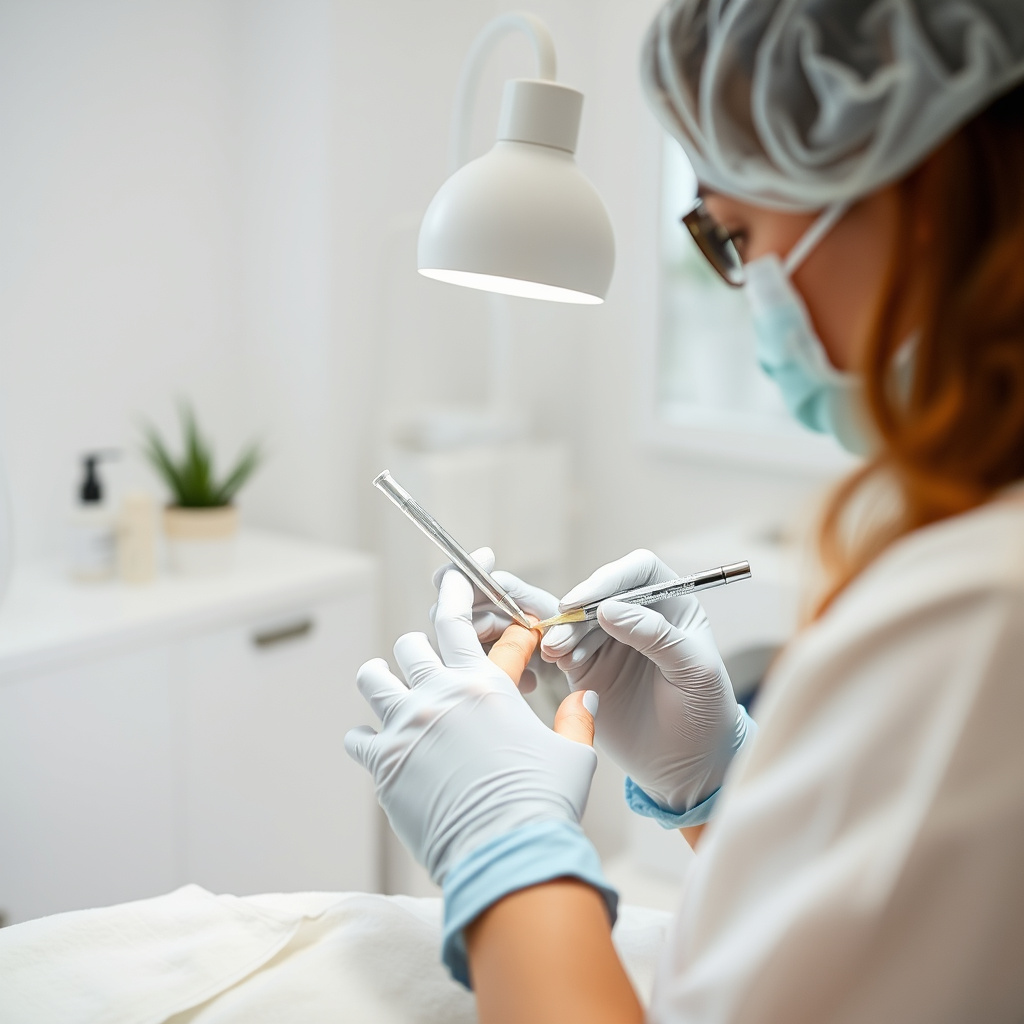
Benefits of Salon Treatments for Peeling Nails
Professional manicures that include nail strengthening treatments and moisturizing masks can provide additional nourishment not easily achieved at home. These services use specialized products to rebuild nail layers gently.
Gel manicures with protective base coats can help guard nails during regrowth, though they must be removed properly to avoid damage.
- Regular moisturizing treatments
- Use of nail strengtheners during manicures
- Careful gel polish removal
For more information on nail anatomy and related issues, explore this detailed article on nail structure. nail structure details.
When to Consult a Dermatologist
Persistent or severe nail peeling that doesn’t improve with home care may signal underlying skin or nail disorders like psoriasis or fungal infections. A dermatologist can diagnose and recommend targeted treatments.
If peeling is accompanied by redness, pain, or swelling around the nail, seek medical advice promptly.
Comparison of Nail Care Approaches to Prevent Peeling
This table summarizes various methods used to prevent nail peeling, highlighting their advantages and considerations.
| Method | Effectiveness | Ease of Use | Cost | Best For |
|---|---|---|---|---|
| Hydration with Oils and Creams | High | Easy | Low | Daily maintenance |
| Nutritional Supplements | Moderate to High | Easy | Moderate | Nails weakened by deficiency |
| Protective Gloves | High | Moderate | Low | Household chores exposure |
| Gentle Nail Products | Moderate | Easy | Low to Moderate | Chemical sensitivity |
| Professional Treatments | High | Requires appointment | High | Severe or persistent peeling |
Frequently Asked Questions
How often should I moisturize my nails to prevent peeling?
Moisturize your nails and cuticles at least twice daily, especially after washing your hands, to keep them hydrated and prevent peeling.
Can nail peeling be a sign of a health problem?
Yes, persistent nail peeling can indicate nutritional deficiencies or medical conditions like thyroid disorders, so consult a healthcare provider if it continues despite care.
Are artificial nails helpful or harmful for peeling nails?
Artificial nails can protect peeling nails temporarily but may cause further damage if applied or removed improperly. Use them sparingly and with professional guidance.
Does biting nails contribute to peeling?
Yes, nail biting damages the nail plate and surrounding skin, increasing the risk of peeling and infections.
Is it better to trim or file peeling nails?
Trim nails gently and avoid aggressive filing, which can worsen peeling. Use a fine-grit file to smooth edges carefully.
Key Takeaways
- Hydration is essential to stop nails from peeling and maintain flexibility.
- Protect nails from water and harsh chemicals using gloves during tasks.
- Balanced nutrition with vitamins like biotin supports nail strength.
- Using gentle nail products and professional treatments promotes healing.
Conclusion
Making the decision to improve nail health by stopping peeling involves combining consistent care with protective habits. Taking time daily to moisturize, avoiding harsh chemicals, and maintaining balanced nutrition form the foundation for strong nails. Patience is necessary since nails regenerate slowly, and results manifest over several weeks.
For those facing mild nail peeling, adopting hydration methods and wearing gloves during household chores offers a straightforward approach. Individuals with dietary gaps should consider including biotin-rich foods or supplements. When peeling is more severe or linked to health issues, professional treatments and dermatologist consultation provide tailored solutions.
Starting with small, actionable steps — like switching to acetone-free removers and applying cuticle oil regularly — can change nail condition noticeably. Prioritize gentle care rather than harsh procedures. Ultimately, understanding the causes and responding with appropriate habits creates lasting improvements in nail strength and appearance.


