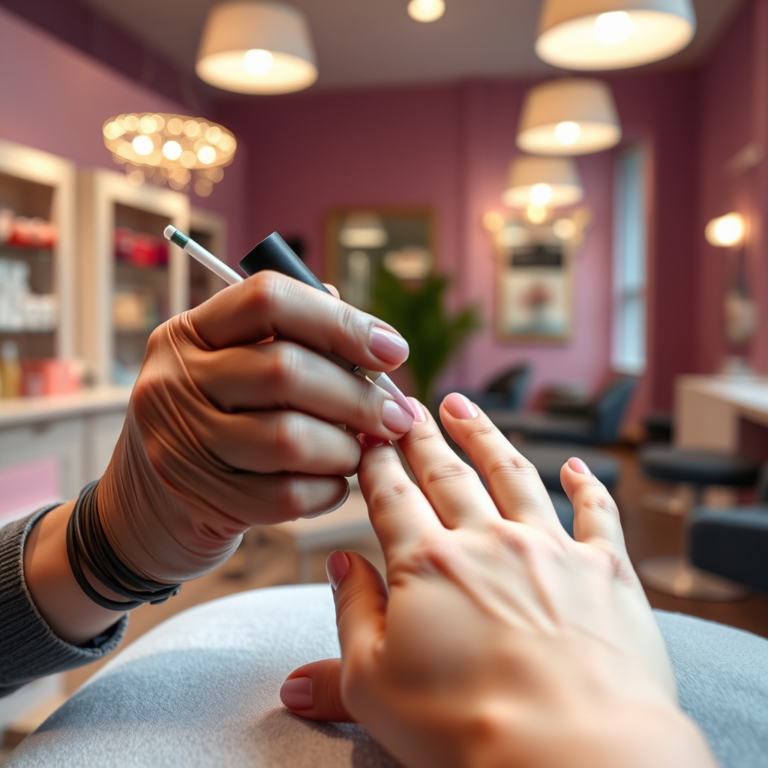
How to Stop Nails from Splitting: Effective Tips for Stronger Nails
Nails split when they become weak, dry, or damaged, but you can stop nails from splitting by improving hydration, avoiding harsh chemicals, and maintaining a balanced diet. Simple changes like moisturizing regularly and using gentle nail products can rebuild nail strength.
Split nails not only look unsightly but can also cause discomfort and increase the risk of infections. This condition occurs due to factors such as frequent exposure to water, nail polish removers with acetone, or nutritional deficiencies affecting keratin production.
This article outlines practical strategies to protect your nails, including lifestyle adjustments, proper nail care, and remedies to restore nail health. You'll learn about signs of weak nails, prevention tips, and product recommendations that support the best nail care practices.
Understanding Why Nails Split

The Anatomy of Nails and Causes of Splitting
Nails consist largely of keratin, a tough protein that gives nails their strength and flexibility. When nails lack moisture or are exposed to aggressive factors like detergents or excessive water, the keratin layers can separate, causing splitting or peeling.
Other causes include aging, repetitive trauma from nail tools, and underlying health issues like hypothyroidism or vitamin deficiencies that weaken nail integrity over time.
Environmental and Lifestyle Factors Affecting Nail Health
Habitual exposure to water, soaps, and nail polish removers containing acetone can strip natural oils from nails. Wearing artificial nails or acrylics without breaks also impairs natural growth and flexibility.
Frequent handwashing, cold weather reducing skin hydration, and occupational risks such as gardening or cleaning increase the likelihood of nail splitting.
How to Stop Nails from Splitting Through Proper Nail Care

Daily Moisturizing and Hydration Practices
Regular use of moisturizing lotions or natural oils like jojoba or almond oil helps retain nail flexibility and prevents dryness. Applying cuticle oils after washing hands seals moisture and strengthens the nail bed.
Wearing cotton gloves overnight after oil application can boost absorption, while drinking adequate water daily supports overall nail hydration from within.
- Apply cuticle oil twice daily
- Use hand cream regularly
- Stay hydrated by drinking water
Gentle Nail Grooming Techniques
Avoid harsh nail files or aggressive buffing that can thin nails further. Instead, opt for a fine-grit file and file in one direction rather than a back-and-forth motion. Keep nails trimmed to prevent snagging and splitting.
Limit the use of acrylic nails or gels. When using nail polish or removers, select acetone-free products to prevent excessive drying.
- Use fine-grit nail file
- File nails one direction
- Avoid acetone-based removers
Nutrition and Supplements for Nail Strength

Vitamins and Minerals That Improve Nail Health
Biotin, vitamin E, zinc, and iron are key nutrients that support keratin production and nail growth. Deficiencies in these can cause brittle nails prone to splitting. A diet rich in leafy greens, nuts, eggs, and fish can improve nail condition.
Taking supplements after consulting a healthcare provider may help if natural intake is insufficient or if nails do not improve with topical care.
- Biotin supports keratin
- Vitamin E protects nail cells
- Zinc improves nail strength
- Iron prevents brittleness
Hydration and Balanced Diet Importance
Adequate hydration is essential for maintaining nail flexibility as dehydrated nails become brittle. Including a variety of protein sources ensures your body has the amino acids necessary for keratin synthesis.
Avoid excessive consumption of caffeine or alcohol, which can dehydrate the body and negatively impact nail health.
Protective Measures and Habits to Prevent Nail Splitting

Using Protective Gloves During Tasks
Wear waterproof gloves when washing dishes, cleaning with chemicals, or gardening to shield nails from excessive moisture and harsh agents. This reduces weakening and prevents chipping or splitting beneath the surface.
Choosing breathable cotton gloves over plastic ones during prolonged wear prevents fungal infections and allows skin to breathe.
- Use gloves for wet chores
- Avoid prolonged exposure to detergents
- Choose breathable glove materials
Avoiding Nail Trauma and Harmful Habits
Biting nails, picking at hangnails, or using nails as tools stresses the nail plate leading to splitting. Refraining from these habits preserves nail integrity and promotes smoother growth.
Being mindful while typing or handling objects reduces mechanical stress contributing to nail damage.
- Do not bite or pick nails
- Avoid using nails as tools
- Be gentle when handling objects
Home Remedies and Treatments for Split Nails

Natural Oils and Moisturizing Masks
Applying natural oils such as coconut oil, olive oil, or castor oil helps repair brittle nails by replenishing moisture and softening cuticles. Honey combined with oils forms a mask that nourishes nails deeply when used as a weekly treatment.
Gentle warm oil soaks stimulate blood flow to nail beds, promoting healthy growth and reducing splitting.
- Use coconut or castor oil regularly
- Apply honey-oil masks weekly
- Try warm oil soaks for 10 minutes
Over-the-Counter Strengthening Products
Products like nail strengtheners or hardeners containing ingredients such as keratin, calcium, or hydrolyzed silk can improve nail durability. These are applied like nail polish and offer a protective layer preventing splits.
Choose formulations free from formaldehyde and harsh chemicals to avoid further damage and allergic reactions.
- Look for keratin-enriched formulas
- Avoid formaldehyde-based products
- Apply as directed for best results
When to See a Specialist for Nail Problems

Recognizing Serious Nail Conditions
If nails split persistently despite care, or if accompanied by discoloration, pain, or swelling, it may indicate fungal infections or systemic diseases requiring professional evaluation.
Other signs include thickened or deformed nails, which are not typical for simple splitting and should prompt a consultation.
For more detailed information about nail anatomy and care, the Mayo Clinic provides an informative resource. nail anatomy and care.
Available Medical Treatments and Diagnostics
Dermatologists can perform nail clippings or scrapings to diagnose infections. Prescription topical or oral antifungals and treatments for underlying health issues can restore nail health.
In complex cases, treating conditions like psoriasis or thyroid disorders can halt nail damage and improve appearance.
Comparison of Nail Care Methods for Preventing Splitting
Below is a comparison table highlighting common nail care approaches, their benefits, drawbacks, and suitable user types.
| Method | Benefits | Drawbacks | Best For |
|---|---|---|---|
| Daily Moisturizing | Improves nail flexibility | Requires consistent application | Anyone prone to dryness |
| Protective Gloves | Prevents moisture damage | Can feel uncomfortable | Those frequently exposed to water/chemicals |
| Nutritional Supplements | Supports nail growth internally | Results take weeks to show | People with deficiencies |
| Natural Oil Treatments | Moisturizes and strengthens | May be messy or time-consuming | Fans of natural remedies |
| Over-the-Counter Hardeners | Provides protective coating | Harsh formulations may cause issues | Users seeking fast strength |
Frequently Asked Questions
Can nail polish cause nails to split?
Nail polish itself usually doesn't cause splitting, but frequent use of harsh removers, especially acetone, can dry out nails and lead to splitting over time.
How often should I moisturize my nails to prevent splitting?
Moisturizing nails and cuticles at least twice daily, especially after washing hands, helps maintain hydration and reduces the risk of splitting.
Is biotin effective in stopping nails from splitting?
Biotin supports keratin production and can strengthen nails when taken regularly, but results typically appear after several months of consistent supplementation.
Are acrylic nails bad for nail health?
Frequent use of acrylic nails without breaks can weaken natural nails, causing dryness and splitting. Proper care and giving nails time to recover can minimize damage.
When should I see a doctor about my splitting nails?
Consult a healthcare provider if nails are persistently splitting despite care or show signs like pain, discoloration, or swelling to rule out infections or other conditions.
Key Takeaways
- Regular moisturizing and gentle grooming prevent nail dryness and splitting.
- Protective gloves shield nails from water and chemicals that cause damage.
- Nutritional support through diet or supplements aids nail strength.
- Avoid harsh nail products and harmful habits like biting to maintain nail health.
Conclusion
Stopping nails from splitting largely involves understanding the factors weakening your nails and consistently applying hydration, gentle care, and protective habits. Addressing lifestyle causes such as frequent wet exposure or aggressive nail treatments can restore nail resilience. Combined with improved nutrition and avoiding damaging behaviors, these measures promote healthier nails over time.
If you experience mild splitting, focus on daily moisturizing with cuticle oils and using fine-grit files properly. Those regularly exposed to chemicals should invest in quality protective gloves, while nutritional supplements like biotin can help individuals with dietary gaps. For persistent or severe splitting cases, natural oil treatments or over-the-counter nail strengtheners offer additional support safely. Consulting a specialist is wise if symptoms worsen or show infection signs.
To nurture strong nails, begin with a simple care routine emphasizing hydration and protection. Replace harsh removers with acetone-free formulas, trim nails carefully, and balance your diet with biotin and minerals. Tracking progress over a few weeks will help you judge effectiveness and adjust accordingly. Investing consistent effort now saves discomfort and enhances the appearance and health of your nails.