What Type of Conditioner Is Best for Damaged Hair: A Detailed Buyer’s Guide
The best type of conditioner for damaged hair is one that deeply nourishes, repairs, and strengthens weakened strands without weighing them down. Look for conditioners formulated with hydrolyzed proteins, natural oils, and moisturizing agents that target damage from heat, coloring, or environmental stress. These conditioners restore elasticity and promote hair recovery effectively.
Damaged hair typically lacks moisture and structural integrity, causing dry, brittle, and brittle strands prone to breakage. Using the right conditioner helps rebuild the hair's outer layer and internal structure, reducing split ends and improving manageability. This matters because ongoing damage can worsen without proper care, leading to thinning and dullness.
This article covers the different types of conditioners designed for damaged hair, including rinse-out, leave-in, and deep treatments. We will also explore key ingredients to look for, how to choose based on your hair type and damage level, and compare popular conditioner categories to find the best option for rejuvenating your hair.
Understanding Different Types of Conditioners for Damaged Hair
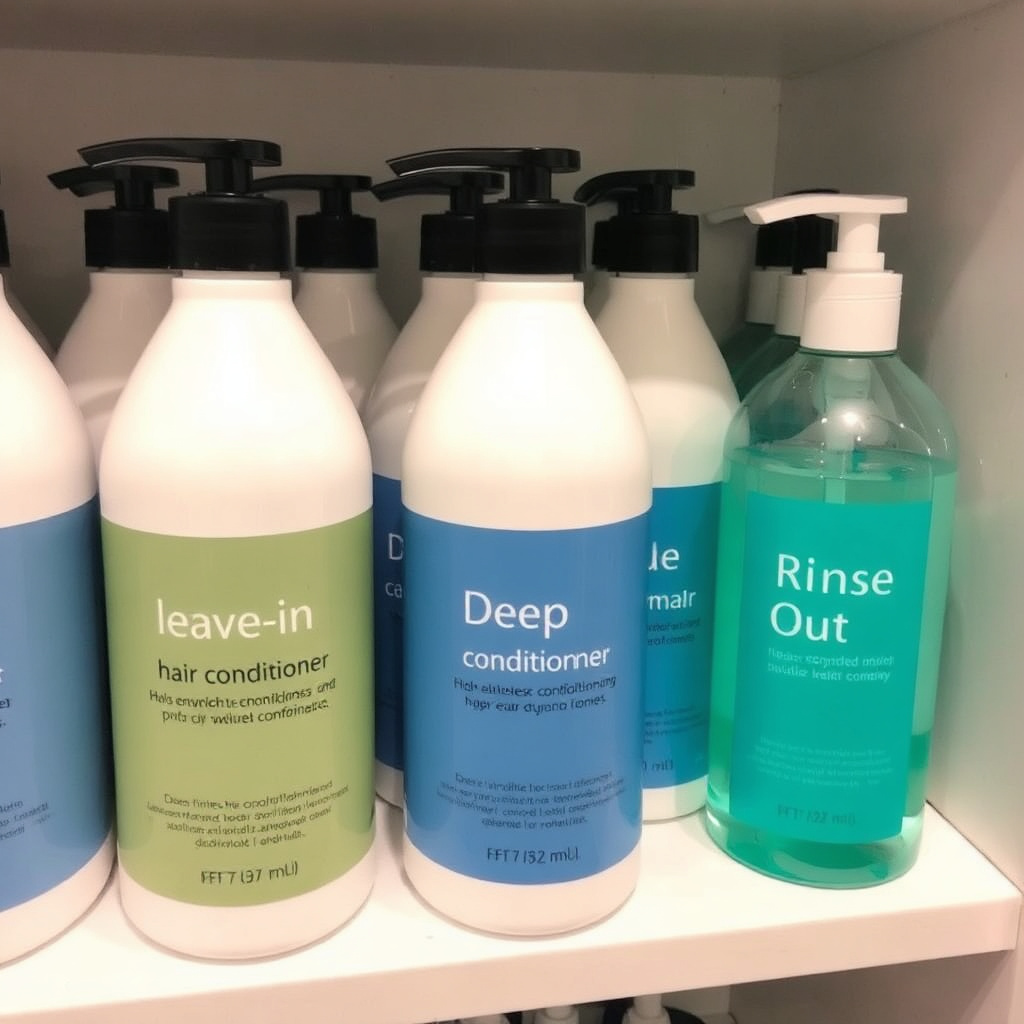
Rinse-Out Conditioners: Daily Repair
Rinse-out conditioners are the most common type, designed to be applied after shampooing and washed out after a short time. They provide immediate moisture and reinforce the hair cuticle to reduce tangling and surface damage. For damaged hair, these conditioners often include proteins and emollients to strengthen strands.
Using a rinse-out conditioner regularly supports everyday repair and protection. While they don't penetrate as deeply as treatments left in the hair longer, they are essential for maintaining smoothness and detangling, which lowers breakage during styling.
- Quick application and rinse cycle
- Adds moisture and smoothness
- Contains proteins and oils for damage control
Leave-In Conditioners: Continuous Protection
Leave-in conditioners stay on the hair to provide ongoing hydration and protection against external stressors like heat and UV rays. These formulas are lighter and designed not to weigh down hair while improving softness and elasticity throughout the day.
They are particularly effective for damaged hair needing extra reinforcement between washes. Leave-in conditioners can help manage frizz, reduce breakage from combing, and prepare hair for styling tools by adding a protective barrier.
- Lightweight hydration without rinsing
- Protects hair from heat and pollutants
- Improves combing ease and reduces breakage
Deep Conditioning Treatments for Serious Repair

Hair Masks and Deep Conditioners
Hair masks and deep conditioners are intensive treatments designed to penetrate the hair shaft and repair extensive damage. These products contain concentrated ingredients like keratin, shea butter, and natural oils to restore moisture and rebuild the hair’s protein structure over time.
Used once or twice a week, these can significantly improve the texture and strength of damaged hair. They require longer application times, often 10 to 30 minutes under a heat cap or towel to maximize absorption for thorough repair.
- Deeply nourishes hair fibers
- Prolonged application boosts effectiveness
- Ideal for severely damaged or chemically treated hair
For more on this, see our related guide: What Type of Comb Is Best for Natural Hair: A Detailed Guide.
Protein Treatments for Strength
Protein treatments supplement the hair's natural keratin that can become depleted from chemical or heat damage. These conditioners rebuild the internal hair structure, reinforcing weak spots and reducing split ends.
However, protein treatments need balanced use because too much protein can cause dryness. Combining protein with moisturizing conditioners is best for damaged hair needing strength without stiffness.
- Rebuilds keratin structure
- Helps prevent breakage and split ends
- Works well combined with hydrating products
Key Ingredients That Make a Conditioner Effective for Damaged Hair

Moisturizing Ingredients to Restore Hydration
Damaged hair lacks moisture, so conditioners rich in emollients like shea butter, glycerin, and natural oils such as argan or jojoba are excellent choices. These ingredients lock in hydration, soften the hair cuticle, and reduce brittleness.
Hydrating conditioners help replenish lost moisture that caused dryness and breakage. They also maintain elasticity, allowing hair to stretch without snapping during styling.
- Shea butter and coconut oil for deep moisture
- Glycerin for water retention
- Aloe vera to soothe and hydrate scalp
Proteins and Repair Agents
Hydrolyzed proteins like keratin, silk, and wheat protein play a crucial role in restoring the hair's internal strength. They fill in gaps caused by damage and strengthen the hair fiber.
Conditioners with these proteins help prevent further damage and support the rebuilding process, making hair more resilient to styling and environmental factors.
- Keratin protein strengthens and repairs
- Silk protein smooths cuticle layers
- Panthenol improves moisture retention and shine
Choosing the Right Conditioner Based on Hair Type and Damage

Fine or Thin Damaged Hair
For fine or thin hair suffering damage, lightweight conditioners that don't weigh hair down are ideal. Look for formulas labeled as volumizing or weightless with ingredients like hydrolyzed silk protein and humectants to add moisture without heaviness.
Avoid overly rich or oily conditioners that can flatten hair and make it look greasy quickly. Focus on those that improve elasticity and protect from further breakage.
- Lightweight, volumizing conditioners
- Avoid heavy oils and butters
- Use leave-in conditioners for extra protection
For more on this, see our related guide: How to Do a Wash Day for Softer, Healthier Hair.
Thick or Curly Damaged Hair
Thick and curly hair often requires richer, more emollient conditioners to combat dryness and manage frizz caused by damage. Conditioners with shea butter, coconut oil, and ceramides help lock in moisture and define curls.
Deep conditioning treatments frequent weekly improve elasticity and reduce breakage, helping curls regain bounce and shine.
- Rich, moisturizing conditioners with natural oils
- Regular deep conditioning treatments
- Leave-in conditioners to maintain curl definition
How to Properly Apply Conditioner for Maximum Benefit

Techniques for Rinse-Out and Leave-In Conditioners
When using rinse-out conditioners, apply generously from mid-length to ends where damage is most severe, avoiding the scalp to prevent buildup. Let it sit for a few minutes before rinsing with cool water to seal the hair cuticle and lock in moisture.
For leave-in conditioners, apply comb-through evenly on damp hair focusing on tips. This technique protects the hair throughout the day and reduces friction from brushing or styling.
- Apply mid-length to ends, avoid scalp in rinse-out
- Use cool water rinse to close cuticles
- Comb through leave-in evenly for coverage
For those wanting to understand how conditioners work at a scientific level, here is an overview with detailed information on conditioners on damaged hair details. conditioners on damaged hair details.
Tips for Deep Conditioning Treatments
Apply deep conditioning masks after shampooing, covering all damaged strands thoroughly. For best results, use a shower cap or a warm towel to help open the cuticle and boost absorption.
Leave the treatment on for the recommended time, usually 10-30 minutes, then rinse well. Regular deep conditioning strengthens hair over time and minimizes future damage.
- Use shower cap or towel warmth
- Follow product recommended time
- Rinse thoroughly to avoid buildup
Conditioner Types for Damaged Hair: Category Comparison
This table summarizes key features and uses of different conditioner types suited for damaged hair.
| Conditioner Type | Typical Use | Main Benefits | Ideal Hair Damage Level |
|---|---|---|---|
| Rinse-Out Conditioner | After shampooing and rinsing | Daily moisture, detangling, surface repair | Mild to moderate damage |
| Leave-In Conditioner | Applied on damp hair, no rinse | Ongoing hydration, frizz control, heat protection | Mild to moderate damage |
| Deep Conditioner/Hair Mask | Once or twice weekly, longer application | Intensive repair, deep hydration, protein rebuilding | Severe damage |
| Protein Treatment | Periodic use, often combined with moisturizer | Strengthens keratin, reduces breakage | Severe chemical or heat damage |
| Natural Oil Conditioner | As a rinse-out or leave-in add-on | Moisturizes, seals cuticles, adds shine | Mild to moderate dryness/damage |
Frequently Asked Questions
Can I use a conditioner on damaged hair every day?
Yes, using a rinse-out conditioner daily can help keep damaged hair hydrated and reduce tangling. Just make sure to choose a formula suited for your damage level to avoid buildup.
What’s the difference between a leave-in conditioner and a deep conditioner?
Leave-in conditioners provide lightweight, ongoing moisture without rinsing, while deep conditioners are intensive treatments applied for longer periods to repair severe damage.
Are protein conditioners good for all damaged hair types?
Protein conditioners repair damage well but should be balanced with moisturizers, especially for dry or curly hair, to avoid stiffness or dryness from too much protein.
How long should I leave a deep conditioner in my hair?
Typically, deep conditioners should be left on for 10 to 30 minutes, sometimes under warmth like a shower cap, to allow proper absorption for restoring hair integrity.
Can natural oils replace conditioners for damaged hair?
Natural oils can supplement conditioning by sealing moisture and adding shine but usually don’t rebuild protein structure alone, so they work best combined with conditioners.
Key Takeaways
- Choose conditioners with proteins and moisturizers to repair damaged hair.
- Deep conditioning treatments provide intensive repair for severely damaged strands.
- Lightweight conditioners suit fine or thin damaged hair to avoid heaviness.
- Rich, emollient conditioners benefit thick or curly damaged hair by locking in moisture.
Conclusion
Selecting the right conditioner for damaged hair involves balancing moisture and protein to restore strength without causing stiffness or weighing hair down. Understanding your specific hair type and damage level helps narrow the options from daily rinse-out conditioners to deep treatment masks. Each type serves a unique role in protecting and rebuilding damaged strands, which makes routine use essential for lasting improvement.
For mild to moderate damage, a high-quality rinse-out or leave-in conditioner with hydrolyzed proteins and moisturizing oils is effective for smoothing and strengthening. In contrast, hair severely damaged by heat or chemicals benefits most from weekly deep conditioning treatments and protein repair formulas that provide intensive restoration. Thick or curly hair often requires richer nourishment, while fine hair demands lightweight protection.
Start by identifying your hair’s specific needs—whether more hydration, protein, or both—and choose a conditioner accordingly. Consistent application and proper technique maximize benefits, enhancing softness, elasticity, and shine. Taking these steps helps damaged hair regain health gradually, making better hair days a reliable expectation rather than a rare occurrence.