What Type of Nail Clipper Is Best for Effortless Grooming
The best type of nail clipper depends on your specific nail care needs, but generally, a stainless steel, sharp, ergonomic clipper with a curved cutting edge is ideal for most people. It offers clean cuts, reduces the risk of splitting, and provides good control, whether trimming fingernails or toenails.
Choosing the right nail clipper matters because a poor-quality tool can lead to painful grooming experiences and nail damage. Professional-quality nail clippers also improve hygiene and help maintain nail health by allowing precise trimming close to the nail bed without causing injury.
This article covers different types of nail clippers, including standard, guillotine, and electric varieties, features to look for, and recommended options depending on your needs. It also compares categories and answers common questions to help you select the best nail clipper for home use.
Understanding Different Types of Nail Clippers

Standard Nail Clippers
Standard nail clippers feature a lever mechanism with two curved blades that trim nails efficiently. They are the most common type and suitable for trimming both fingernails and toenails, especially when equipped with sharp, stainless steel blades.
Their compact size and simple design make them easy to carry and use. Ergonomic models may include textured grips and wide levers to reduce hand fatigue during grooming.
- Easy to use leverage system
- Curved blades match natural nail shape
- Typically made of stainless steel
Guillotine Nail Clippers
Guillotine nail clippers, often favored for pets but sometimes used by humans, have a hole into which the nail is inserted and a blade that slides across to trim. This type offers a precise, single-motion cut but requires careful handling to avoid nail splitting.
While less common for daily grooming, they are useful for people needing detailed trimming and work well for thicker nails due to their blade geometry.
- Designed for precise straight cuts
- Effective on thick or tough nails
- Requires careful positioning to prevent splintering
Key Features to Look for in the Best Nail Clipper

Blade Material and Sharpness
High-quality nail clippers usually have blades made from stainless steel due to its corrosion resistance and durability. Sharp blades ensure smooth cuts without crushing or splitting nails, which helps reduce ingrown nails and discomfort.
Some premium models may offer coated blades or additional sharpening for longevity and enhanced cutting performance, especially important for thick toenails.
- Stainless steel for rust resistance
- Sharp edges for clean cuts
- Blade coatings can improve durability
Ergonomics and Ease of Use
An ergonomic design features comfortable grips and lever action that require minimal force, preventing hand strain during use. Textured or rubberized handles provide better control, which is helpful for those with limited hand strength or dexterity issues.
Wider levers can also enhance leverage, making clipping easier, especially for toenails that often need more pressure.
- Non-slip textured grips
- Wider levers for better force distribution
- Compact size for portability
Specialized Nail Clippers for Different Needs

Clippers for Thick or Ingrown Nails
For thick or ingrown nails, specially designed nail clippers with heavier-duty blades and a wider opening are more effective. These tools apply greater cutting force and reduce the risk of crushing the nail.
Some models include angled blades or built-in nail files to help manage and shape problematic nails gently and safely.
- Heavy-duty stainless steel blades
- Angled or curved cutting edges
- Additional filing attachments
For more on this, see our related guide: How to Make Nails Look Natural: Simple Tips for Effortless Elegance.
Electric Nail Clippers
Electric nail clippers provide a powered trimming solution, often with rotating files or grinding heads. They appeal to users who want a quick, smooth, and consistent clip without exerting manual effort.
These devices are especially useful for elderly people or those with arthritis, who may struggle with standard manual clippers.
- Power-driven trimming and shaping
- Reduces effort needed
- Multiple speed and file attachments
Maintenance and Hygiene Tips for Nail Clippers

Cleaning and Sterilizing Nail Clippers
Regular cleaning of nail clippers prevents bacterial and fungal buildup. After each use, wipe the blades with alcohol or use a small brush to remove debris. For a deeper clean, soaking in disinfectant solutions reduces infection risk.
Proper drying is essential to prevent rust and maintain blade sharpness over time.
- Wipe blades with rubbing alcohol after use
- Use a small brush to remove nail debris
- Store clippers dry to avoid corrosion
When to Replace Your Nail Clipper
Replace nail clippers when blades become dull, bent, or rusty, as these conditions increase the chances of uneven cuts or nail damage. Frequent use may require replacing clippers every 6 to 12 months, depending on quality.
Signs that it's time for a new clipper include difficulty cutting, blade misalignment, and noticeable corrosion on the metal surfaces.
- Blade dullness affects clip quality
- Rust or corrosion indicates replacement needed
- Bent levers or loose parts reduce safety
Common Mistakes to Avoid When Using Nail Clippers
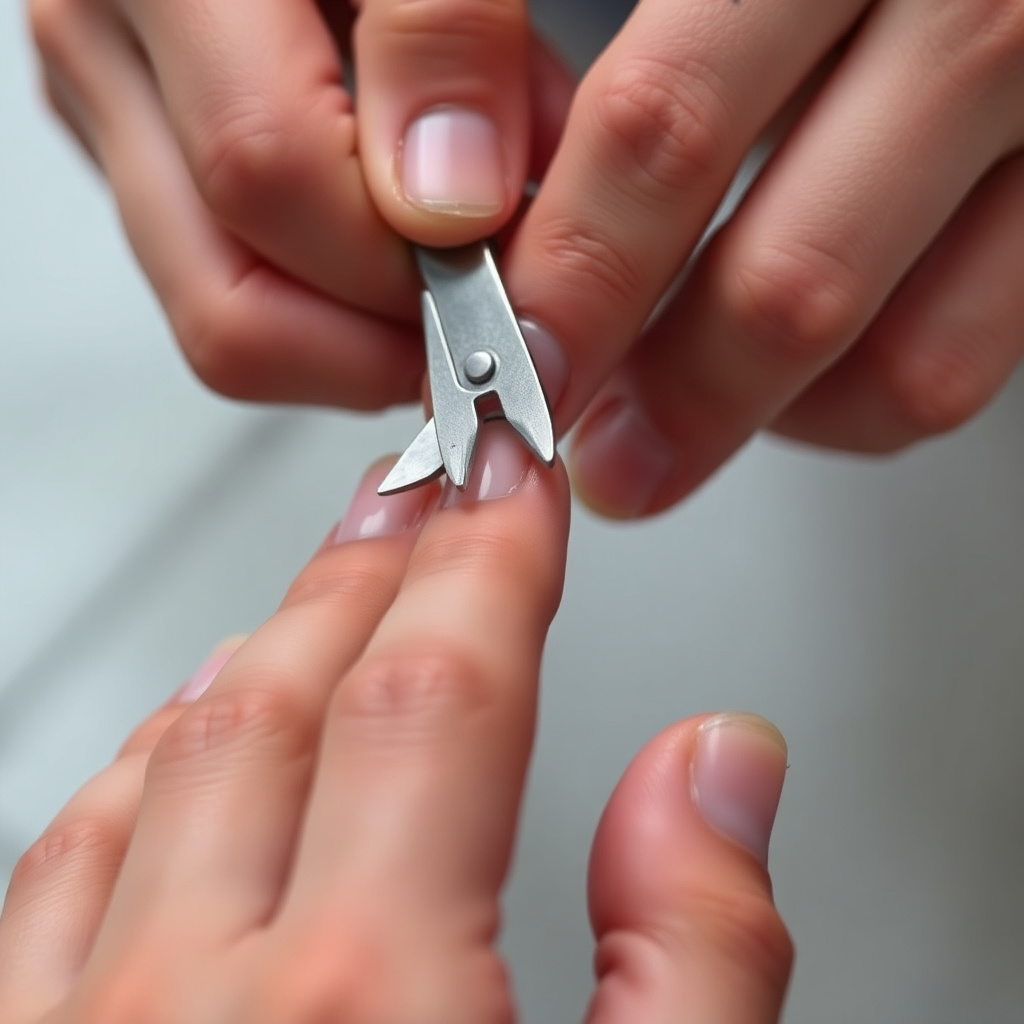
Avoiding Nail Splitting and Injury
Using dull clippers or applying excessive force can cause nails to split or tear, which is painful and can lead to infections. It's best to clip nails in small sections rather than attempting to cut the entire nail at once.
Proper trimming angle following the natural nail curve and avoiding cutting too close to the skin tip also helps prevent ingrown nails and injury.
- Use sharp blades and moderate pressure
- Trim nails straight across or slightly curved
- Avoid cutting cuticles or too close to skin
For more on this, see our related guide: How Often Should You Trim Your Nails for Best Hand and Foot Health.
Handling Clippers Safely
Keep clippers out of reach of children and ensure a stable grip when trimming. Dropping clippers or using them with wet hands can increase the risk of injury.
Storing nail clippers in a protective case helps maintain blade integrity and hygiene.
- Hold clipper firmly during use
- Keep away from children
- Store in a dry, secure container
Choosing Nail Clippers Based on Personal Preferences

Clipper Size and Portability
Compact nail clippers are perfect for carrying in purses or travel kits, but very small clippers may sacrifice cutting power. Larger clippers offer greater leverage but can be less convenient to store or transport.
Choosing the right size involves balancing ease of use against portability needs.
- Small clippers are travel-friendly
- Larger clippers provide better leverage
- Consider your grooming environment
For more detailed background on the history and types of nail clippers, see the nail clipper information on Wikipedia. Nail clipper information on Wikipedia.
Design and Aesthetic Choices
Some users prefer clippers with decorative, colorful, or engraved handles that reflect personal style. While aesthetics don’t affect function significantly, they can make daily grooming more enjoyable.
Non-slip coatings or rubber grips also add to comfort during use, and certain brands emphasize design along with utility.
- Rubberized grips for comfort
- Personalized or color options available
- Design variations for every taste
Nail Clipper Category Comparison
Comparing key nail clipper types helps identify the best option for your grooming routine based on precision, ease, and targeted use.
| Category | Best For | Blade Type | Ergonomics | Price Range |
|---|---|---|---|---|
| Standard Nail Clippers | General use, fingernails and toenails | Curved stainless steel | Usually ergonomic with gripped lever | $5-$15 |
| Guillotine Nail Clippers | Precise trimming and thicker nails | Sliding straight blade | Typically simple lever, less ergonomic | $8-$20 |
| Electric Nail Clippers | Users with limited hand strength | Rotating/grinding head | Ergonomic and powered | $20-$50 |
| Specialized Ingrown Nail Clippers | Ingrown and thick toenails | Heavy-duty angled blades | Ergonomic wide lever | $10-$25 |
| Baby Nail Clippers | Infant nails, gentle trimming | Small curved blades | Small, easy grip design | $5-$12 |
Frequently Asked Questions
Can I use the same nail clipper for fingernails and toenails?
Yes, many standard nail clippers are designed for both fingernails and toenails, but separate clippers for thick toenails or delicate fingernails can improve safety and precision.
How often should I replace my nail clipper?
Replacing nail clippers every 6 to 12 months is recommended, or sooner if blades become dull, bent, or rusty to maintain effective and safe trimming.
Are electric nail clippers safe to use at home?
Yes, electric nail clippers are safe for home use, especially if you select models with safety features like adjustable speeds and cushioned files.
What is the best way to avoid ingrown nails when clipping?
Trim nails straight across without cutting edges too short or rounded excessively, and avoid cutting into the skin to help prevent ingrown nails.
Should I sterilize my nail clippers after each use?
Wiping clippers with rubbing alcohol after each use is a good practice to prevent bacteria and fungus buildup, especially if used by multiple people.
Key Takeaways
- Choose stainless steel clippers with sharp blades for clean cuts.
- Ergonomic design reduces hand fatigue during grooming.
- Select specialized clippers for thick, ingrown, or baby nails.
- Regular cleaning and timely replacement maintain hygiene and performance.
Conclusion
Deciding what type of nail clipper is best involves assessing your personal nail characteristics and grooming habits. Quality steel with sharp curved blades and a comfortable, ergonomic grip should be your baseline criteria. Whether trimming fingernails, managing thick toenails, or caring for infants' delicate nails, matching the clipper to the task improves results and comfort during use.
For everyday home use, a standard stainless-steel nail clipper with non-slip handles fits most needs well, offering precision and durability. If you encounter ingrown or thick toenails, specialized heavy-duty clippers or guillotine-style tools with angled blades can provide safer, cleaner trims. Electric clippers serve those with limited hand strength, delivering consistent results with less effort.
Start with a reliable standard clipper and consider additional specialized tools if you face nail challenges like ingrown edges or difficulty gripping. Keeping your clippers sharp and clean will extend their life and keep grooming hygienic. Investing a little time and care into selecting the right nail clipper transforms a simple routine into a safer, smoother experience.