What Type of Brush Is Best for Natural Hair: Choosing the Right Tool
The best type of brush for natural hair is typically one designed to minimize breakage and preserve the hair’s texture, such as a wide-tooth comb, a detangling brush with flexible bristles, or a soft boar bristle brush. These brushes help gently detangle natural curls and coils without causing excessive pulling or damage.
Natural hair’s unique curl pattern and fragility make choosing the right brush especially important. Using harsh brushes can disrupt curl formation, lead to split ends, and cause hair loss. A brush that respects the hair’s natural structure supports healthier, more manageable hair.
This article will explore different types of brushes suitable for natural hair, their benefits and drawbacks, and how to use them correctly. Understanding your hair’s specific needs will help you find the best brush for your curl pattern and styling routine.
Understanding Natural Hair Texture and Its Needs
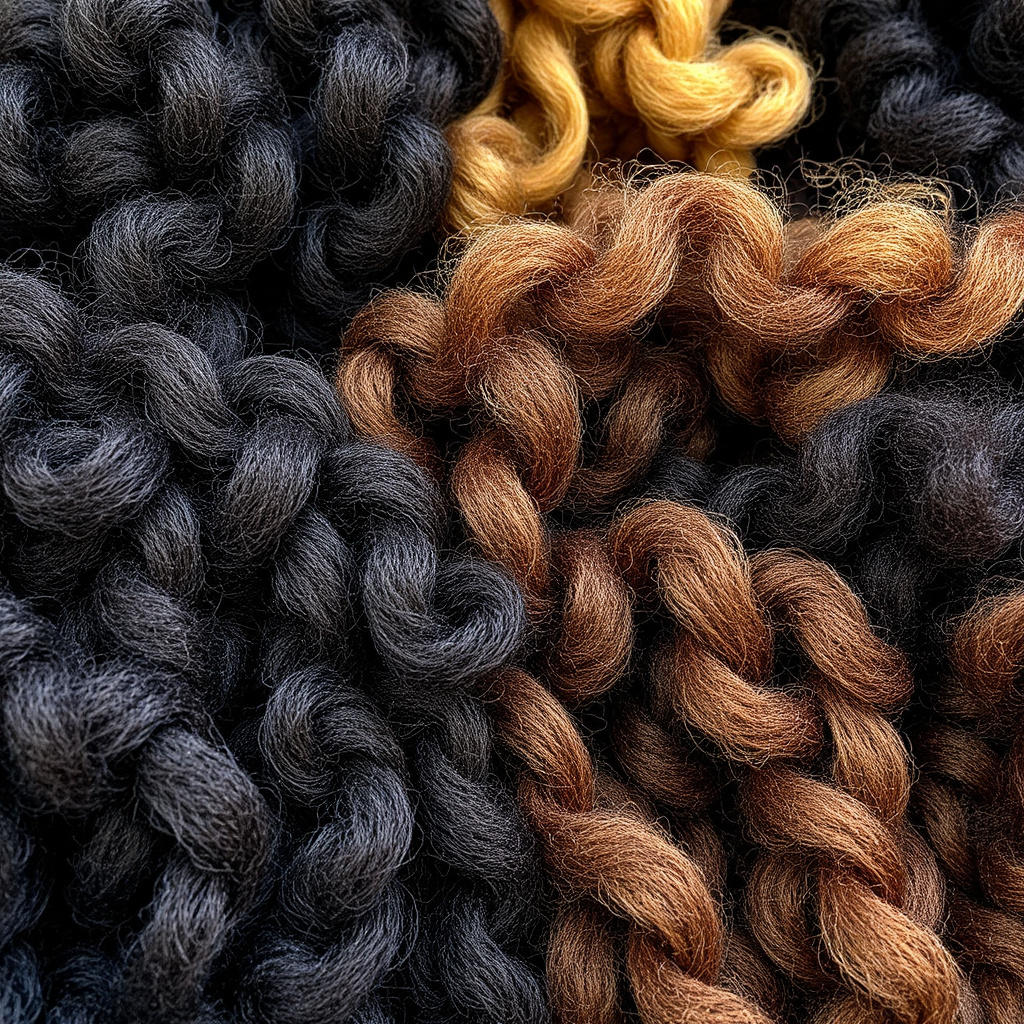
Characteristics of Natural Hair
Natural hair typically features a variety of curl patterns that range from loose waves to tight coils. Its texture often requires extra moisture and gentle handling to avoid damage since the hair’s twist and turns create natural fragile points.
Understanding how your natural hair behaves, such as its porosity and strength, helps in choosing the right type of brush that will minimize tangling and breakage. The more intricate the curl pattern, the more delicate the brushing approach should be.
Why Brush Choice Matters for Natural Hair
Brushing natural hair improperly can disrupt the curl pattern, lead to frizz, and increase breakage. Many standard brushes with stiff bristles are too harsh and can cause pulling at the roots or snagging along the strands.
Selecting a brush that is designed with natural hair texture in mind improves scalp stimulation, distributes natural oils, and gently detangles without stripping moisture or causing damage.
Types of Brushes Best Suited for Natural Hair
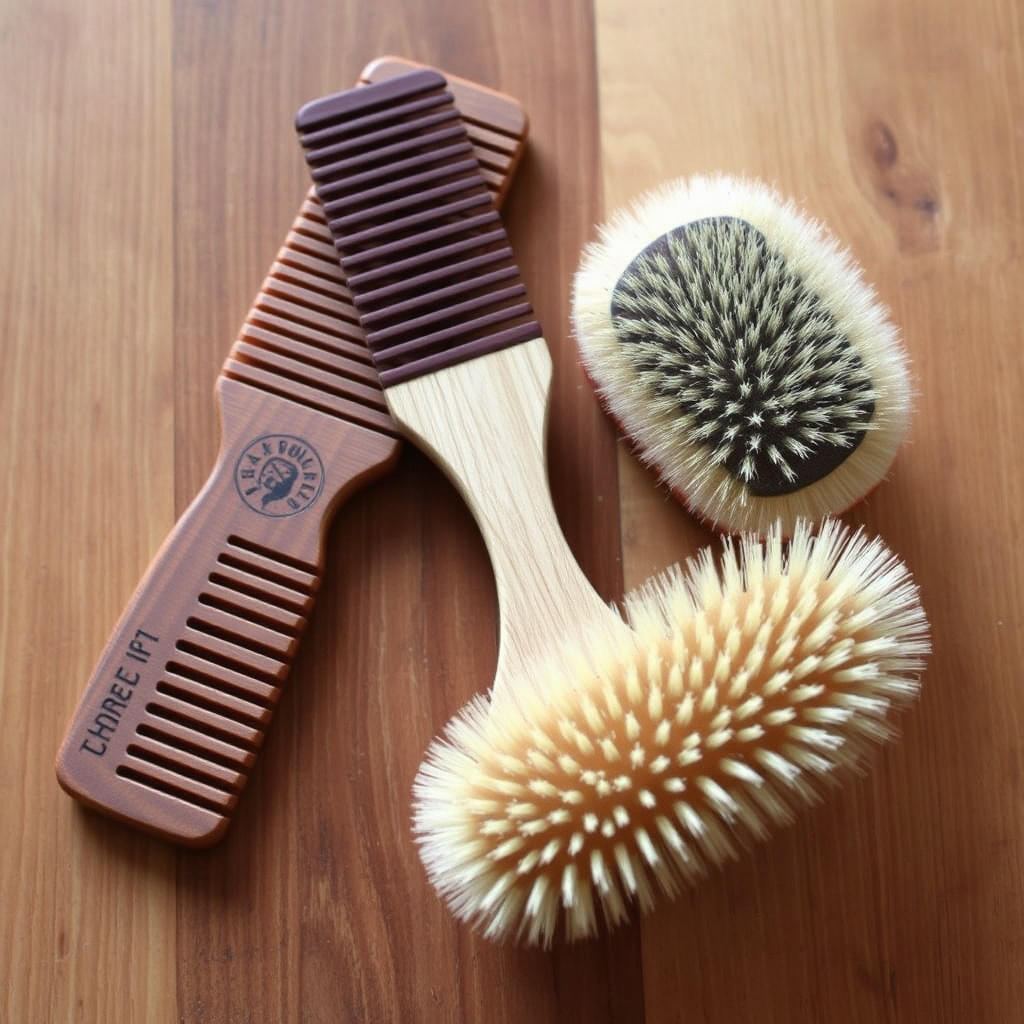
Wide-Tooth Combs
Wide-tooth combs are excellent for initial detangling on wet or damp natural hair. Their widely spaced teeth allow knots to loosen with minimal snagging or pulling, which helps reduce breakage and hair loss during combing.
They work best when used after applying conditioner or detangling spray, gently gliding through the hair from ends to roots without disrupting curl architecture.
- Prevents excessive breakage
- Ideal for wet or damp hair
- Preserves curl pattern
Detangling Brushes with Flexible Bristles
Detangling brushes with soft, flexible bristles adapt to natural hair’s curls and coils, helping to glide through knots without pulling. These brushes reduce tension on the hair shaft and work especially well on dry or damp strands.
They can be used during styling to smooth edges or prepare hair for protective styles, making them a versatile option for natural hair care routines.
- Flexible bristles reduce breakage
- Suitable for dry and damp hair
- Encourages gentle detangling
Boar Bristle Brushes and Their Role in Natural Hair Care
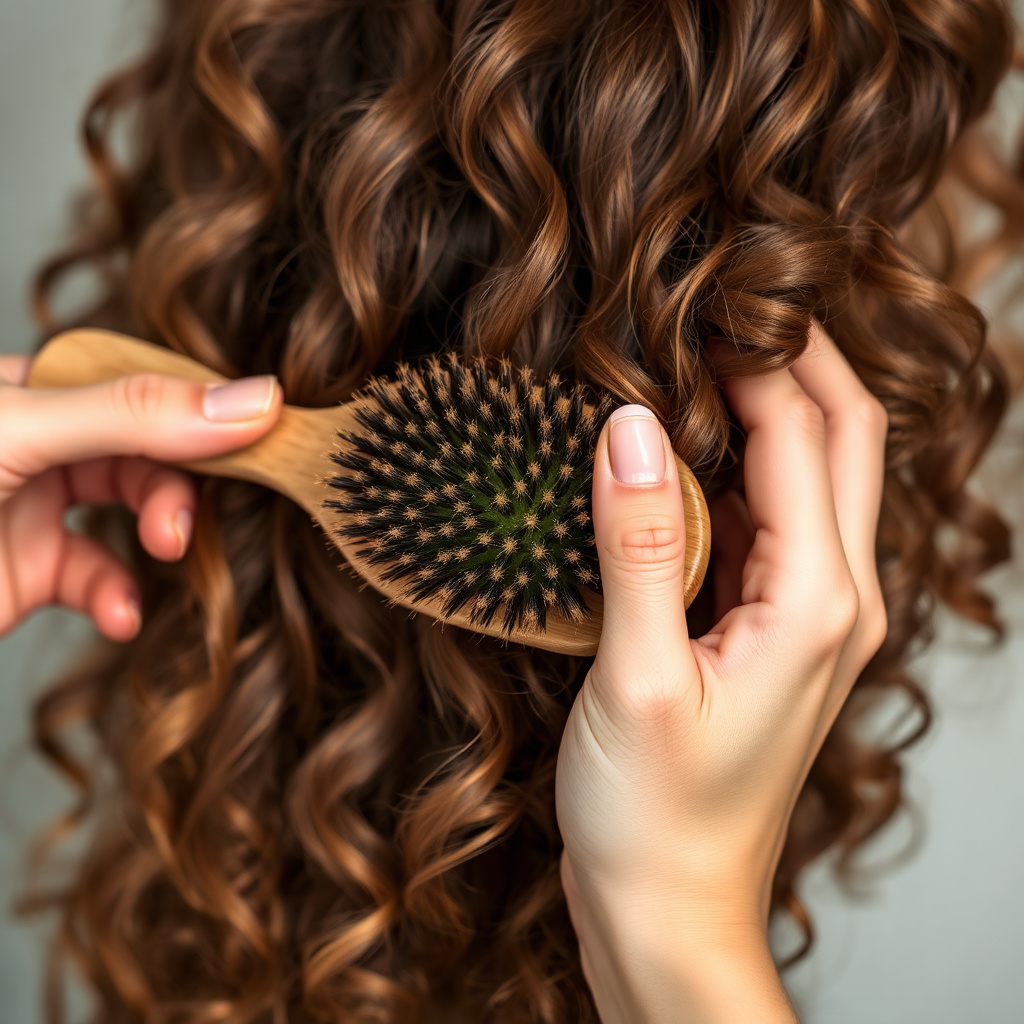
Benefits of Boar Bristle Brushes
Boar bristle brushes are prized for their ability to distribute scalp oils evenly through the hair strands, enhancing shine and moisture retention. They are best suited for denser natural hair types and work to reduce frizz.
These brushes are gentle and help smooth the hair cuticle without disrupting curls too much, making them ideal for finishing styles or daily scalp stimulation.
- Distributes natural oils
- Reduces frizz and adds shine
- Gentle on thick, dense hair
For more on this, see our related guide: What Type of Hairstyle Is Best for Round Face Shapes.
Considerations When Using Boar Bristle Brushes
While beneficial, boar bristle brushes may not be suitable for very tight coils or very fragile hair as they can still cause some pulling. It’s advisable to use them on dry hair and in moderation.
Cleaning the brush regularly prevents buildup of oils and product residue, ensuring it remains effective and hygienic.
- Best for thicker natural hair
- Use on dry hair only
- Requires regular cleaning
Brushing Techniques for Maintaining Natural Hair Health
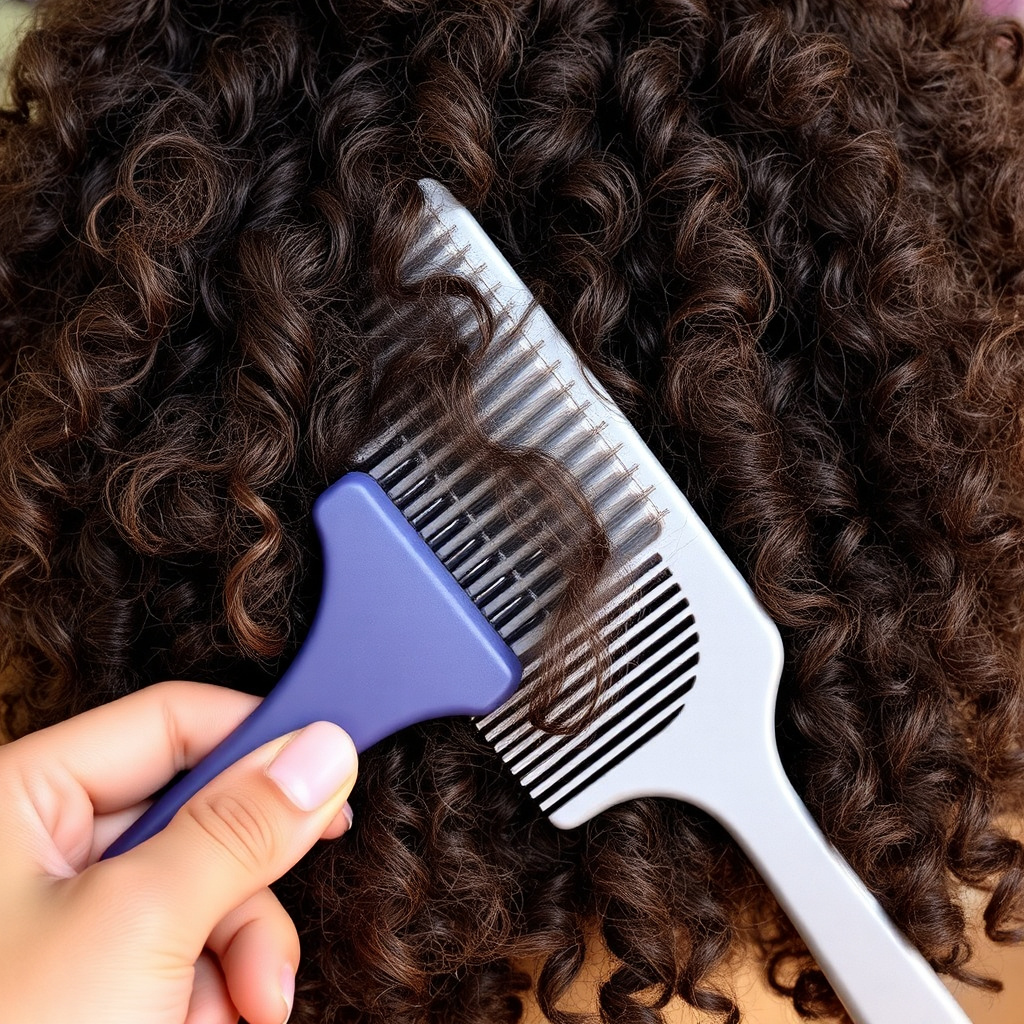
Wet vs. Dry Brushing Methods
Detangling wet hair with a wide-tooth comb or detangling brush helps minimize breakage since natural hair is more elastic when damp. Avoid brushing very wet hair vigorously as it can stretch and snap strands.
Dry brushing with a boar bristle brush is preferred for smoothing and distributing oils without altering the curl shape significantly.
Gentle Detangling Techniques
Work from the ends upward when detangling, gently loosening knots instead of yanking through tangles. Using fingers first to separate dense curls can ease the process before applying a brush.
Incorporate leave-in conditioners or detangling sprays to add slip and moisture, which helps the brush glide more easily through natural hair.
- Detangle starting from ends
- Use fingers to loosen thick tangles
- Apply leave-in conditioners or detanglers
Other Tools and Accessories Complementing Brush Choices
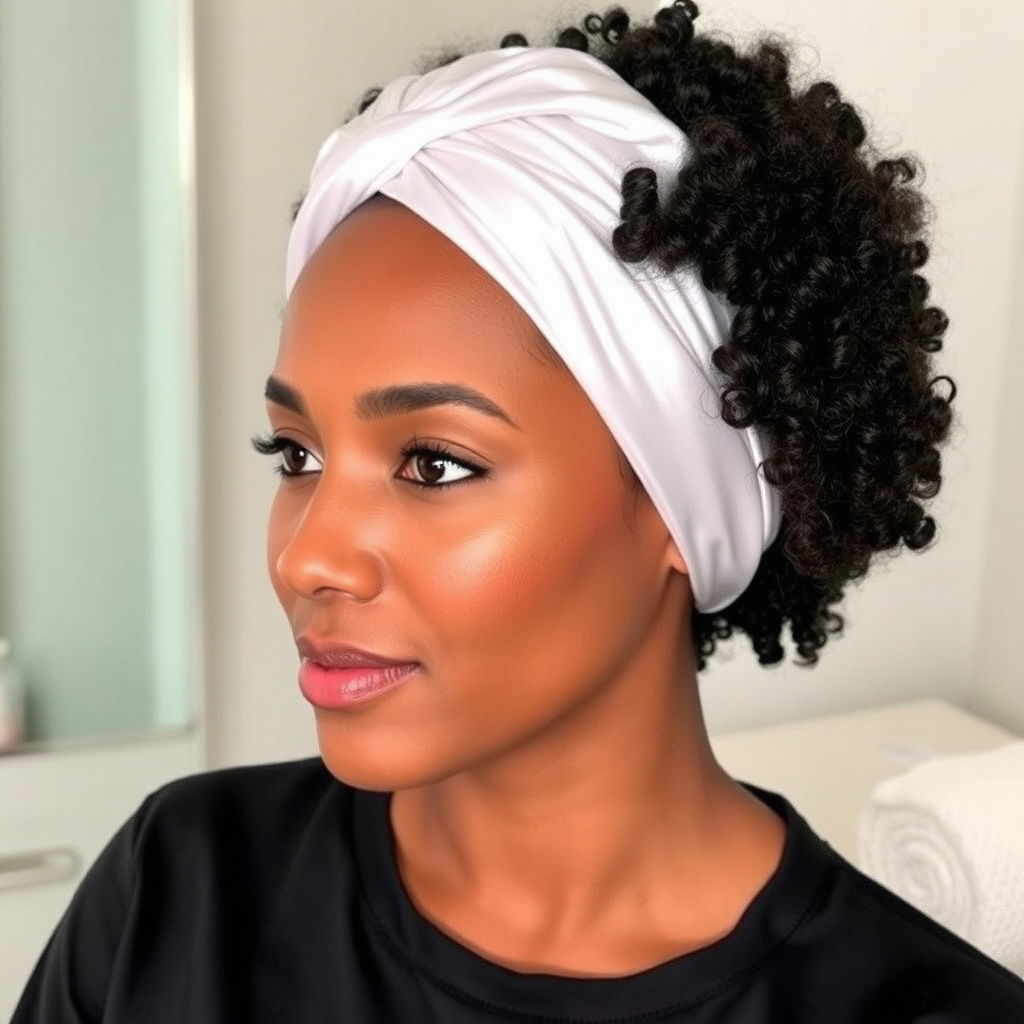
Using Satin Bonnets and Pillowcases
Satin bonnets and pillowcases reduce friction while sleeping, maintaining hair moisture and preventing frizz and breakage. They complement brushing by preserving style and protecting delicate strands overnight.
Natural hair benefits greatly from this non-abrasive protection, especially when combined with gentle brushing routines.
For more on this, see our related guide: How to Style Hair for a Date: Easy and Flattering Looks to Impress.
Microfiber Towels and Their Advantages
Microfiber towels absorb water without roughing up the hair cuticle, unlike traditional terrycloth towels. Using them helps prevent frizz and breakage, important for natural hair before brushing or styling.
They also reduce drying time which can lessen heat damage if using blow dryers or heat tools.
Common Mistakes to Avoid When Brushing Natural Hair

Avoiding Harsh Brushes and Excessive Force
Stiff-bristled or fine-toothed brushes can cause significant damage to natural hair by pulling at the curls and disrupting the pattern. Applying too much force while brushing also leads to unnecessary breakage.
Choosing a brush designed for natural hair and brushing gently can dramatically improve hair health and appearance over time.
- Don’t use stiff brushes on curls
- Avoid yanking or forcing the brush through tangles
For a broader understanding of natural hair and its care, the natural hair care guide on Wikipedia provides useful background. natural hair care guide.
Not Brushing Dry, Fragile Hair Without Prep
Brushing very dry, tangled hair without adequate moisturizing or detangling products can cause split ends and breakage. Preparing hair with water or leave-in products before brushing is essential.
Regular but gentle grooming helps maintain softness and manageability.
- Moisturize hair before brushing
- Use appropriate detanglers or leave-ins
Natural Hair Brush Types Category Comparison
This table compares popular brush types to show how they differ in key aspects for natural hair care.
| Brush Type | Best Use | Hair Type Compatibility | Ease of Use | Maintenance |
|---|---|---|---|---|
| Wide-Tooth Comb | Detangling wet hair | All curl types | Easy | Low |
| Detangling Brush | Gentle dry and damp detangling | Loose to medium curls | Moderate | Moderate |
| Boar Bristle Brush | Oil distribution and smoothing | Thick, dense natural hair | Easy | High |
| Paddle Brush with Flexible Bristles | Smoothing and gentle detangling | Loose curls and waves | Easy | Moderate |
Frequently Asked Questions
Can I use a regular hairbrush on natural hair?
Most regular hairbrushes have stiff bristles that can cause breakage and disrupt natural curl patterns. It’s better to use brushes specifically designed for natural hair textures.
How often should I brush natural hair?
Brushing frequency varies by hair type and style, but generally, detangling with a wide-tooth comb or brush once or twice a week helps maintain health without causing damage.
Is it better to brush natural hair wet or dry?
Natural hair is more elastic when wet, so gently detangling with a wide-tooth comb on damp hair reduces breakage. Dry brushing with soft bristle brushes works best for smoothing.
Do boar bristle brushes work for all natural hair types?
Boar bristle brushes work well for thicker or looser curl types but can be less effective or cause damage on very tight coils or fragile hair.
What’s the benefit of using a detangling brush?
Detangling brushes with flexible bristles reduce tension on hair strands and allow easier removal of knots without pulling, making them ideal for natural hair care.
Key Takeaways
- Use wide-tooth combs or flexible detangling brushes to minimize breakage in natural hair.
- Boar bristle brushes help distribute oils and smooth thicker natural hair types.
- Avoid stiff brushes and excessive force which can damage curl patterns and cause breakage.
- Moisturizing the hair before brushing is essential for maintaining health and manageability.
Conclusion
Selecting the best type of brush for natural hair depends greatly on your hair's texture, density, and curl pattern. Approaching brush choice with attention to the hair’s fragility and moisturizing needs makes a significant difference in maintaining healthy strands. Tools like wide-tooth combs and detangling brushes offer gentle detangling suited to the twists and turns of natural hair textures, while boar bristle brushes can enhance shine and manageability for thicker types. Recognizing how your hair reacts to different brushes and adjusting brushing methods accordingly forms the foundation for long-term hair care success.
If your hair features tighter coils or high fragility, a wide-tooth comb combined with detangling sprays provides effective, damage-free grooming. For those with looser curls or denser, thicker hair, incorporating a quality boar bristle brush into your routine can help with oil distribution and smoothing frizz. Avoid stiff-bristled brushes entirely and prioritize gentle, moisture-rich approaches. Regularly pairing your brushing routine with protective accessories like satin bonnets and microfiber towels further protects natural hair from friction and drying.
Ultimately, experimenting carefully with these brush types and techniques will help you develop a reliable hair care routine that preserves natural hair health and beauty. Begin with a wide-tooth comb to detangle gently, then introduce a detangling brush or boar bristle brush suited to your curl type. Consistency and care will maintain your natural hair’s texture, prevent damage, and support a vibrant, well-maintained style.


One Comment