What Type of Hairstyle Is Best for Protective Styling: A Practical Guide
The best hairstyle for protective styling is one that minimizes manipulation, shields the hair ends, and promotes hair retention while allowing easy maintenance. Styles like box braids, twists, and buns excel because they protect the hair from environmental stress and reduce breakage.
Protective styling is critical for preserving hair integrity, especially for natural and textured hair types prone to dryness and fragility. These hairstyles reduce daily styling stress, limit exposure to harsh elements, and allow hair to rest and grow. Selecting the right protective style balances aesthetics with hair health benefits.
This article covers the characteristics that make a hairstyle an effective protective style, reviews popular protective hairstyles, discusses hair care during protective styling, and offers a comparison of different styles. By the end, you’ll have clear guidance on choosing the ideal protective hairstyle for your hair type and lifestyle.
Key Features of the Best Protective Hairstyle

Minimizing Hair Manipulation
A protective hairstyle excels by reducing how often you handle your hair. Excessive manipulation triggers breakage, especially at vulnerable points. Styles that stay intact for weeks without needing frequent adjustments keep hair healthier over time.
Avoiding daily combing and styling preserves hair cuticles and moisture. Protective styles should lock the hair in place gently, preventing unnecessary pulling or friction from constant touching.
- Styles with lasting structure
- Low daily maintenance
- Reduces friction and tangling
Protecting Hair Ends
Hair ends are the oldest and most fragile strands, prone to splitting and breakage. The best protective hairstyle involves securing the ends within braids, twists, or covered by wraps to prevent exposure.
By tucking ends away, styles help retain length and prevent damage from rubbing against clothing or environmental stressors like sun and wind.
- Ends enclosed inside braids or twists
- Use of scarves or satin bonnets for additional protection
Popular Protective Hairstyles for Natural Hair
Box Braids and Their Benefits
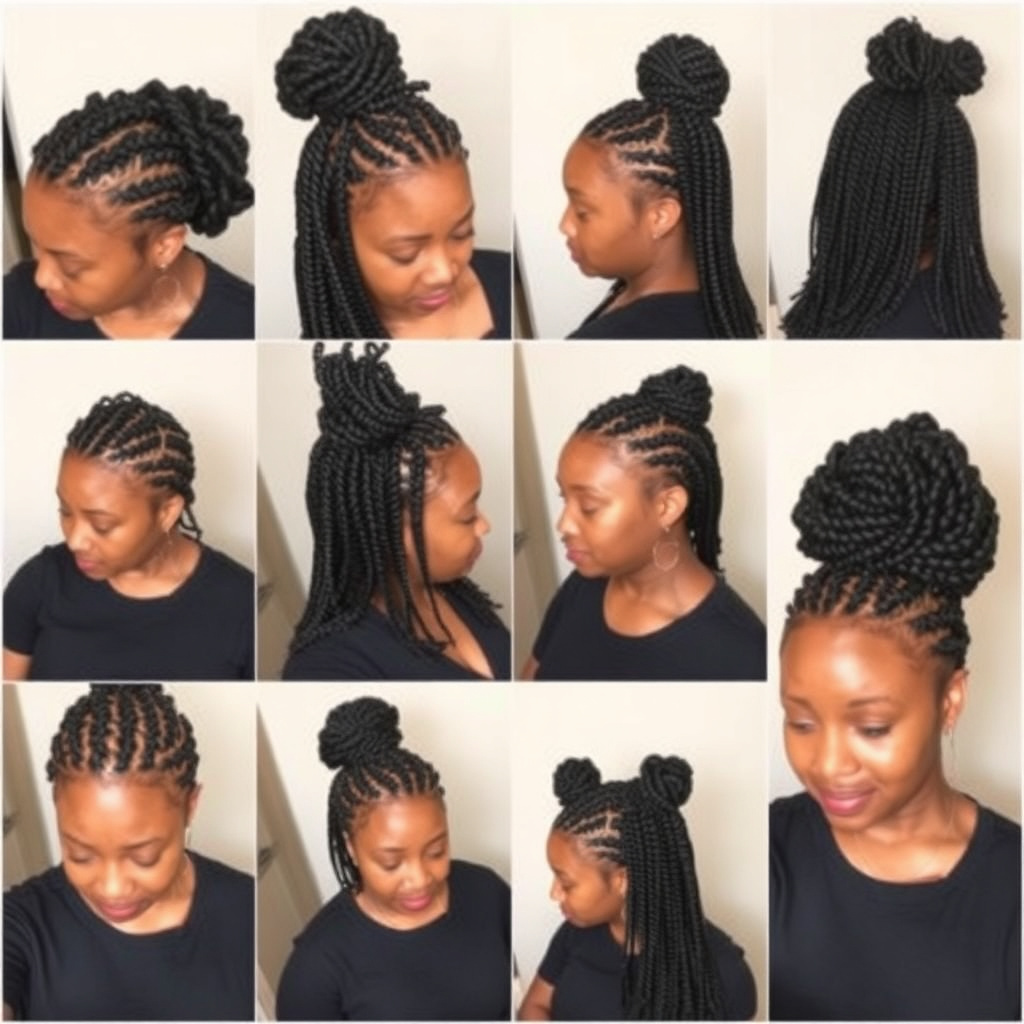
Box braids are a go-to protective hairstyle that creates individual plaits sectioned into small squares. They offer versatility in length and thickness, allowing for styling variety while minimally disturbing the hair.
This style promotes scalp accessibility and reduces hair breakage by evenly distributing tension. Since the hair is completely enclosed, it avoids daily wear and tear.
- Long-lasting and low maintenance
- Protects hair ends effectively
- Allows scalp care and moisturizing
Twists and Their Advantages
Two-strand twists are a simple protective style ideal for softer textures and can be styled in many configurations. They lock hair ends and reduce split ends while keeping the strands moisturized.
Twists provide a natural look and can be worn short-term or for longer periods depending on user preference, making them adaptable for protection and style.
- Ease of installation and removal
- Gentle on the scalp
- Helps retain moisture
Hair Care Practices During Protective Styling

Moisturizing and Scalp Health
Even with protective hairstyles, maintaining scalp moisture is essential. Applying light oils and water-based moisturizers prevents dryness and itchiness without loosening the style prematurely.
Regular scalp massages encourage blood circulation, which supports hair growth. Protective hairstyles make accessing the scalp easier, allowing targeted care during wear.
- Use of natural oils like jojoba or coconut
- Water-based sprays for hydration
For more on this, see our related guide: What Type of Brush Is Best for Natural Hair: Choosing the Right Tool.
Gentle Cleansing Routines
Cleansing hair and scalp while in a protective style avoids buildup of dirt and oils that can stunt hair growth. Focus on using gentle shampoos and diluted rinses that keep the style intact.
Washing intervals depend on style longevity, but balanced hygiene maintains freshness and scalp health without causing damage or unraveling.
- Co-washing or diluted shampoo methods
- Avoid soaking styles unnecessarily
Comparing Protective Hairstyle Types

Braids Versus Twists
Braids typically last longer than twists due to tighter structure and smaller sections. They provide superior protection for hair ends but may take longer to install and remove.
Twists, meanwhile, offer a softer feel and faster application. They suit those seeking manageable styles with good protection but less prolonged wear.
- Braids: longer wear, higher tension
- Twists: softer, shorter duration
Updos and Buns for Protection
Updos and buns gather hair off the face and secure ends internally, reducing friction and breakage. These styles are excellent short-term protective options for less manipulation.
Their simplicity allows for quick styling changes but often require daily redoing, so they fit more active or on-the-go lifestyles better.
- Short-term protective option
- Requires frequent styling
Choosing the Best Protective Hairstyle for Your Hair Type

Coarser Hair Textures
Coarser hair tends to be stronger and can hold styles like box braids or cornrows well. These styles maintain moisture and protect ends effectively over extended periods without causing significant tension.
Avoid excessively tight styles to prevent follicle damage, but select protective styles that evenly distribute strain.
- Favor styles with medium to large sections
- Maintain moisture with oils and shea butter
For more on this, see our related guide: What Type of Hairstyle Is Best for Round Face Shapes.
Finer or Delicate Hair Textures
Finer hair requires lighter, less tension-based styles. Loose twists, gentle buns, or crochet braids work well, avoiding damage from excessive pulling or heavy styling products.
Protective hairstyles for delicate hair prioritize moisture retention and minimal scalp stress for healthy growth.
- Avoid small, tight braids
- Use hydration-promoting products
Longevity and Maintenance of Protective Hairstyles
Typical Wear Duration
Protective hairstyles vary in how long they can be worn without needing redo or removal. Braids and twists generally last between 4 to 8 weeks, while updos and buns may be daily styles.
Prolonged wear reduces manipulation but may increase buildup, so finding the balance is key.
- Braids: 6–8 weeks
- Twists: 4–6 weeks
- Updos: daily
For a broader understanding of the history and variety of protective hairstyles, refer to the protective hairstyles overview on Wikipedia. Protective hairstyles overview on Wikipedia.
Maintenance Tips for Longevity
Maintaining scalp cleanliness, moisturizing regularly, and protecting styles at night using satin scarves or pillowcases maximizes protective hairstyle benefits. Avoid heavy products that cause buildup.
Refreshing edges and loosely rewrapping twisted styles can extend wear without causing damage.
- Night protection with satin or silk
- Light daily moisturizing
- Gentle handling to avoid frizz
Protective Hairstyle Types Comparison
This table compares various protective hairstyle categories based on wear time, maintenance effort, and typical protection level.
| Hairstyle Type | Typical Wear Time | Maintenance Level | Protection Quality |
|---|---|---|---|
| Box Braids | 6-8 weeks | Moderate | High |
| Two-Strand Twists | 4-6 weeks | Low | Medium-High |
| Cornrows | 3-6 weeks | Moderate | High |
| Creative Updos | 1 day | High | Low-Medium |
| Crochet Braids | 4-8 weeks | Low | Medium-High |
Frequently Asked Questions
How often should I moisturize my hair during protective styling?
Moisturize your hair and scalp every 2-3 days using light water-based sprays and natural oils to keep humidity balanced without loosening the style.
Can protective styles cause hair loss if done too tightly?
Yes, tight protective styles can cause traction alopecia by putting excessive tension on hair follicles. It's best to choose styles with gentle tension and take breaks between installs.
Is it necessary to wash hair while it’s in a protective style?
Yes, gentle cleansing every 1-2 weeks can prevent buildup and maintain scalp health. Use diluted shampoos or co-wash techniques to avoid disturbing the style.
Which protective hairstyle is best for beginners?
Two-strand twists and simple buns are beginner-friendly because they are easy to install, gentle on hair, and require minimal tools or assistance.
How long can protective styles safely be left in?
Most protective styles should be worn no longer than 6-8 weeks to prevent matting, buildup, and breakage. Shorter periods are better for delicate hair types.
Key Takeaways
- Effective protective hairstyles minimize manipulation and fully protect hair ends.
- Styles like box braids and twists combine durability with protection and low maintenance.
- Maintaining scalp moisture and cleanliness is essential during protective styling.
- Matching hair type to protective style choice prevents damage and promotes growth.
Conclusion
Choosing the best hairstyle for protective styling requires balancing how well it shields hair from damage with ease of care. Protective styles that reduce friction, manage tension, and safeguard ends support hair retention and encourage healthier growth cycles. Given the variety in protective hairstyles, personal hair texture, lifestyle, and maintenance preferences guide the ideal choice. This approach helps avoid breakage and dryness commonly seen when protection isn’t thoughtfully approached.
For coarser hair, longer-lasting box braids or cornrows offer lasting protection, while finer hair benefits from softer twists or gentle updos to avoid stress on the scalp. Low-maintenance styles that allow for moisturizing and scalp access prevent itchiness and buildup. Consider styles like two-strand twists or crochet braids if you want a balance between protection and flexibility. Regular cleansing, hydration, and wearing satin accessories make a substantial difference in maintaining the benefits of protective styling.
Start by assessing your daily routine and hair goals, then try a protective style that fits those conditions while protecting hair ends and limiting manipulation. Whether you prefer box braids, twists, or protective buns, prioritize comfort and gentle handling. Incorporate moisturizing and gentle cleansing habits to keep hair and scalp healthy. A well-chosen protective hairstyle paired with good care routines can contribute to long-term hair health and length retention.