What Type of Hairstyle Is Best for Work: Professional and Practical Options
The best type of hairstyle for work balances professionalism with practicality, ensuring you look polished without hassles during your busy day. Classic and neat styles such as low buns, sleek ponytails, or well-groomed short cuts are ideal because they keep hair controlled and presentable throughout work hours.
Choosing a hairstyle for the workplace matters because it reflects your professional image and can influence others’ perceptions. A tidy and manageable hairdo helps you stay focused and comfortable, whether you work in a corporate office, hospital, creative studio, or retail environment.
This article examines different types of hairstyles that suit a variety of work settings. We'll also cover styling tips, maintenance, and how to select the best option based on your hair type and job role, helping you pick work-appropriate hairstyles that combine style and function.
Classic Work Hairstyles That Never Fail

Low Buns and Chignons
Low buns and chignons offer a timeless look that projects professionalism. They keep hair secure and away from the face, which is practical for long meetings or physically active roles. These styles work well on medium to long hair and can be adapted from sleek to softly textured depending on your office culture.
Creating a low bun is simple with minimal tools: a hair tie, bobby pins, and optional styling spray. This hairstyle's versatility means it pairs nicely with formal attire or more casual smart dressing.
- Neat and tidy appearance
- Suitable for all hair types
- Minimal maintenance during the day
Ponytails and Half-Up Styles
Ponytails, especially mid or low placements, offer convenience without sacrificing style. They can be sleek or softly tousled for a relaxed yet polished effect. Half-up styles add a feminine touch while still keeping hair functional at work.
These hairstyles are favored when quick morning routines are necessary and are excellent for managing longer hair prone to tangles or humidity.
- Quick and easy to style
- Keeps hair from obstructing the face
- Works well under professional dress codes
Haircuts That Deliver a Sharp, Professional Look

Short and Structured Hairstyles
Short hairstyles like pixie cuts, tapered cuts, or fades are often perceived as sharp and authoritative. These cuts require less daily styling and maintain a crisp appearance suited for dynamic work environments.
A structured short haircut can highlight facial features clearly, projecting confidence. Regular trims every 4-6 weeks keep the style looking fresh and professional.
- Minimal daily styling
- Emphasizes professionalism
- Cool and practical for busy jobs
Medium-Length Layers and Bob Cuts
Bob cuts and layered hairstyles with medium length offer flexibility in styling options such as waves, curls, or straightened finishes. They strike a balance between formal and casual, allowing personalization suitable for creative and corporate settings.
These cuts require moderate upkeep but can enhance hair volume and frame the face elegantly, fitting a variety of textures and thicknesses.
- Versatile styling options
- Frames face attractively
- Requires periodic trims
Styling and Maintenance Tips for Work-Appropriate Hairstyles

Daily Care for Professional Hair
Maintaining a work-friendly hairstyle involves regular washing, conditioning, and using light styling products like smoothing serums or texturizing sprays. Avoid overly heavy products that can weigh hair down or appear greasy during business hours.
Brushing hair gently to avoid damage and using heat protectants before styling tools can prolong the health and look of your style, ensuring it stays polished throughout the workday.
- Use mild shampoo and conditioner
- Apply heat protectant before styling
- Avoid heavy waxes or gels
For more on this, see our related guide: What Type of Hairstyle Is Best for Protective Styling: A Practical Guide.
Quick Styling Tricks for Busy Mornings
For mornings when time is tight, simple hacks like dry shampoo to refresh roots or a headband to instantly tame flyaways can save time. Tools like a straightener or curling iron with fast heat-up also aid quick styling.
Keeping minimal tools and multipurpose products handy at your desk can let you touch up your hair effortlessly during breaks or before meetings.
- Dry shampoo for oil absorption
- Headbands or clips for flyaways
- Quick-heating styling tools
Considering Hair Texture and Work Environment

Hairstyles for Curly and Wavy Hair
Curly and wavy hair often benefits from styles that embrace natural texture while minimizing frizz. Defined ponytails, loose buns, or gently pinned back curls work well to keep hair presentable and manageable during work.
Hydrating leave-in products and anti-frizz serums help maintain curls' shape without stiffness, fitting workplaces where individual style is appreciated alongside neatness.
- Use moisturizing products
- Choose styles that support natural texture
- Avoid excessive heat styling
Hairstyles for Straight and Fine Hair
Straight and fine hair might require volumizing products to prevent limp looks in professional settings. Simple cuts like blunt bobs or layered straight hair with a side part can add dimension while remaining polished.
Root-lifting sprays and light mousses offer volume without heaviness, ideal for all-day wear in office environments.
- Layered cuts add volume
- Root-lifting for fullness
- Avoid heavy conditioners
Accessories and Their Role in Work Hairstyles

Choosing Subtle Hair Accessories
Subtle accessories like minimalist hair clips, barrettes, or thin headbands can enhance a work hairstyle without overshadowing professionalism. Selecting neutral-colored or metallic pieces helps maintain a refined look.
Avoid overly large or brightly colored items that might distract colleagues or clash with formal attire.
- Neutral or metallic colors
- Small, discreet designs
- Avoid flashy or oversized pieces
For more on this, see our related guide: What Type of Brush Is Best for Natural Hair: Choosing the Right Tool.
Using Accessories to Improve Functionality
Hair ties with smooth fabric or no-metal elastics reduce breakage and help secure styles comfortably through long shifts. Bobby pins with firm grip can fix stray hairs, ensuring your hairstyle stays intact throughout your workday.
Functional accessories add convenience and protect hair integrity, which is important for maintaining professional appearance over time.
- No-metal hair ties for comfort
- Strong bobby pins for hold
- Accessories that support hair health
Adapting Hairstyles for Different Professional Fields
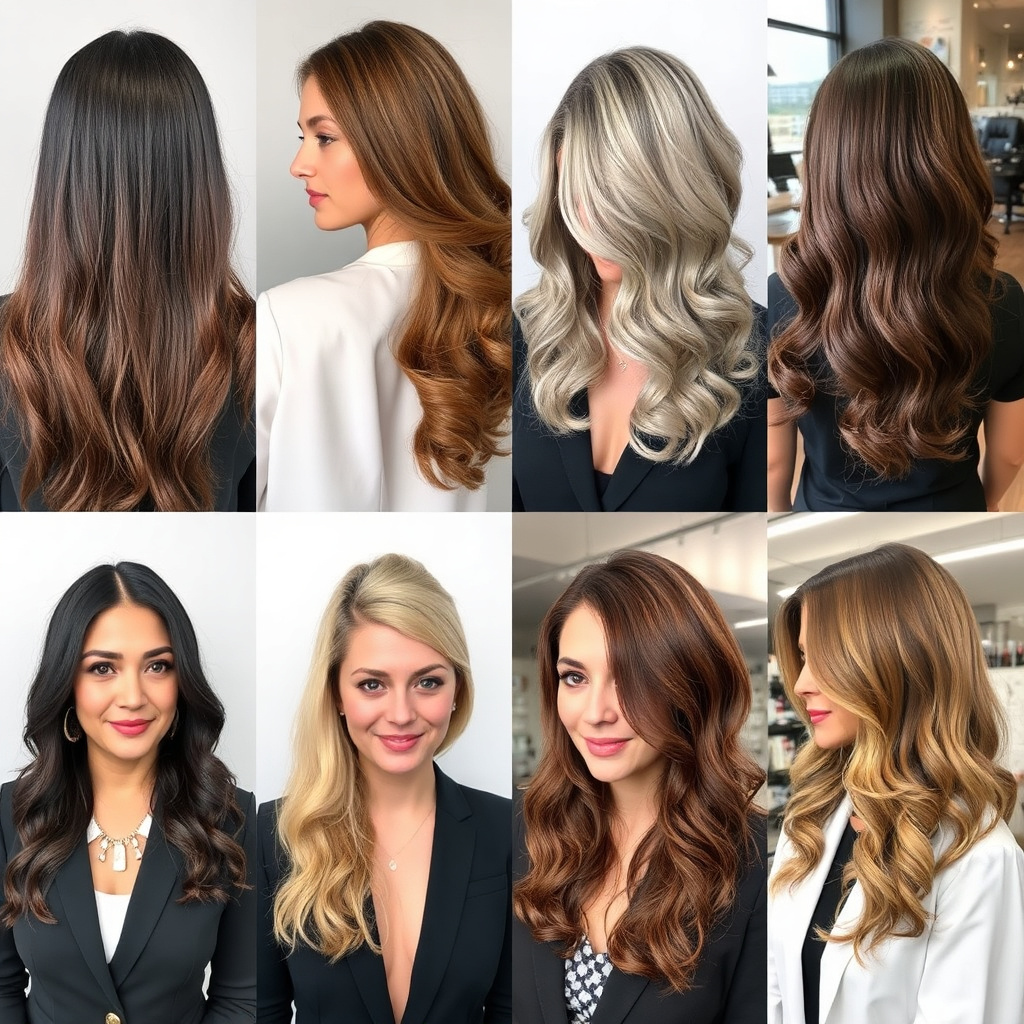
Corporate and Formal Environments
In conservative corporate environments, sleek and simple hairstyles like low buns, smooth ponytails, or trimmed short cuts align with dress codes. Avoid flashy styles or excessive volume to maintain a polished impression.
Consistency with grooming habits and neutral hair colors supports a clean, professional image valued in finance, law, and executive roles.
- Sleek and polished styles
- Subtle hair colors
- Neat and controlled appearance
For additional background on hairstyling history and types, this professional hairstyles overview offers detailed insights. professional hairstyles overview.
Creative and Casual Workplaces
Creative industries often encourage personal expression, so styles like softly curled waves, textured bobs, or colored highlights might be appropriate. However, practicality still matters — hairstyles should not impede productivity or safety.
Balancing professional neatness with individuality suits roles in marketing, design, or tech companies where relaxed dress codes exist.
- Flexible and expressive styles
- Colors and textures allowed
- Maintains functionality
Work Hairstyle Types Comparison
This table compares common work hairstyle categories based on maintenance, professionalism, and versatility to help you decide which fits your needs best.
| Hairstyle Type | Maintenance Level | Professionalism | Versatility | Best Hair Types |
|---|---|---|---|---|
| Low Bun/Chignon | Low | High | Medium | Medium to Long |
| Ponytail | Low | Medium | High | All |
| Short Structured Cut | Low | High | Medium | All |
| Bob/Medium Layers | Medium | Medium | High | All |
| Textured Waves/Curls | Medium | Medium | Medium | Curly/Wavy |
| Half-Up Styles | Low | Medium | Medium | All |
Frequently Asked Questions
Can I wear colorful hairstyles at work?
Whether colorful hairstyles are acceptable depends on your workplace's dress code and culture. Creative industries may be more flexible, while conservative fields often prefer natural hair colors.
How often should I trim my hair to keep a professional look?
Regular trims every 4-8 weeks help maintain a neat and polished appearance by preventing split ends and keeping styles in shape, especially for structured or short haircuts.
What products are best for managing frizzy hair at work?
Lightweight anti-frizz serums, smoothing creams, and hydrating leave-in conditioners help tame frizz without making hair greasy or heavy, ideal for maintaining work-appropriate hairstyles.
Is it okay to change my hairstyle frequently for work?
Frequent hairstyle changes are fine as long as each style is tidy and suitable for your professional environment. Consistency in neatness often matters more than the style itself.
What if my job involves safety gear like helmets or hats?
In roles requiring safety gear, hairstyles like low buns, ponytails, or short cuts are practical to ensure comfort and compliance. Avoid overly voluminous styles that may interfere with gear fit.
Key Takeaways
- Choose hairstyles that balance neatness with comfort for your workday.
- Low buns and ponytails are practical and professional for many workplaces.
- Short cuts offer a sharp look with low maintenance needs.
- Adapt your style to fit your hair type and workplace culture.
Conclusion
Selecting what type of hairstyle is best for work involves weighing factors such as your profession’s expectations, hair texture, and daily routine. A successful work hairstyle keeps you looking polished, feels comfortable, and requires manageable upkeep, allowing you to focus without distraction. The goal is a look that supports a professional image while reflecting your personality.
For more traditional or corporate fields, styles like low buns, sleek ponytails, and short structured cuts are often the best choices. They deliver tidy lines and minimal fuss. Creative or casual professions might welcome more variety such as medium bob cuts, textured waves, or subtle half-up styles, provided these remain consistent and well-groomed throughout the workday.
To find your ideal work haircut, consider your hair’s natural behavior and invest in products that aid maintenance without excess weight. If mornings are rushed, opt for styles that can be quickly refreshed with minimal tools or accessories. Ultimately, try a style that you can confidently maintain and that fits smoothly with your job demands and professional goals.


