What Type of Gel Polish Is Best for Natural Nails: A Practical Guide
The best type of gel polish for natural nails is one that offers durability and shine without causing damage. Look for formulas labeled as 'nail-friendly,' with added nourishing ingredients like vitamin E or keratin, and that are free from harsh chemicals. Thin consistency gels that cure evenly under LED lights reduce stress on nails, making them a safer option for ongoing use.
Choosing a gentle gel polish matters because natural nails can become brittle or weak when exposed to aggressive chemicals or repeated harsh removals. The right product helps maintain nail health while giving a glossy, chip-resistant finish that lasts for weeks. Many modern gel polishes now focus on strengthening as well as beautifying natural nails.
This article covers the types of gel polish suited for natural nails, what ingredients to watch for, different application techniques that protect nail integrity, and comparisons of popular brands. Whether you're a beginner or a seasoned gel user, these insights will help you preserve your nails while enjoying a flawless manicure.
Types of Gel Polish Suitable for Natural Nails
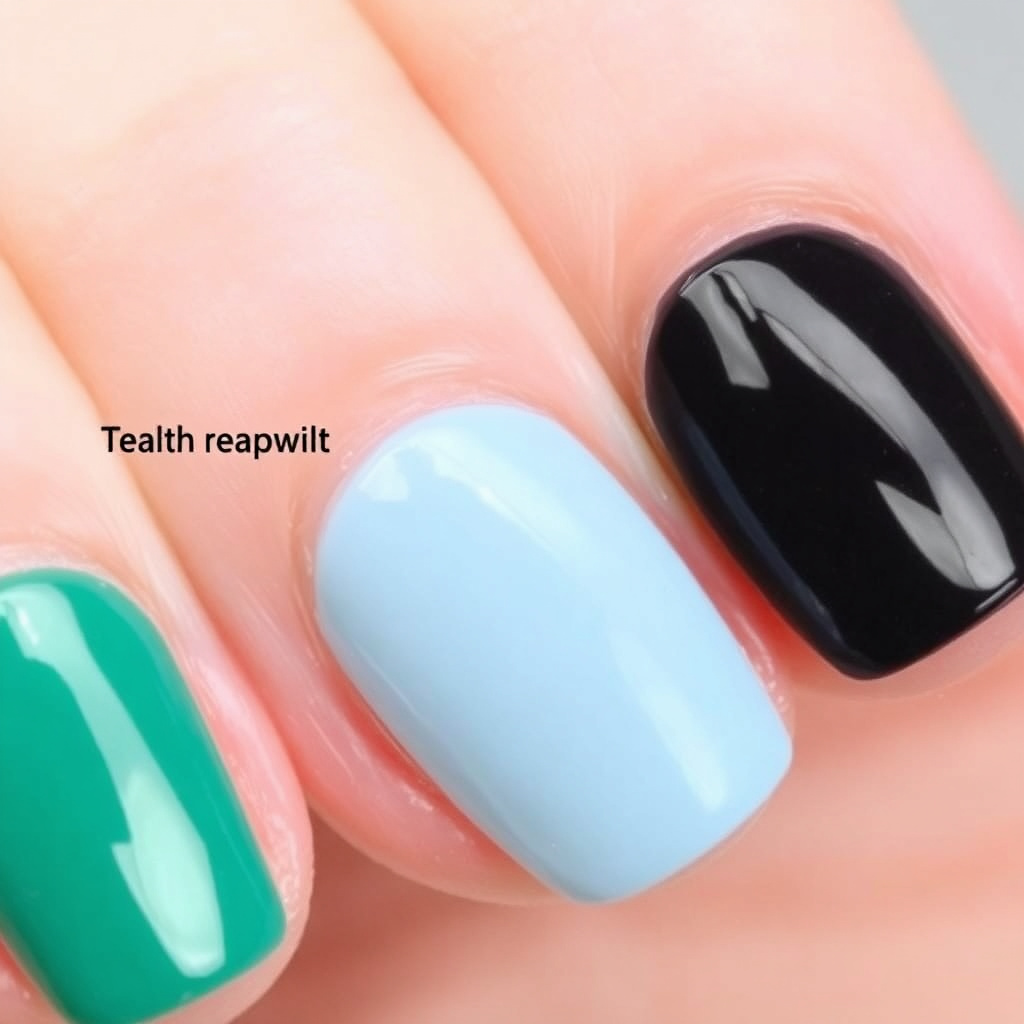
Traditional vs. Soak-off Gel Polishes
Traditional gel polishes require curing under UV or LED lamps and have strong adhesion but often need acetone removal, which can be harsh on natural nails. Soak-off gel polishes dissolve with acetone and are designed to be gentler on the nail plate, making them preferable for preserving nail health.
Soak-off gels minimize mechanical filing and scraping during removal, reducing damage to the nail's surface layers. Opting for soak-off gel polish is usually recommended if you want to maintain your nails' natural strength without frequent weakening.
- Traditional gels: strong hold, potential for nail stress
- Soak-off gels: easier removal, gentler on nails
Hybrid and Gel-X Polishes
Hybrid gel polishes blend features of nail polish and gel, often air-drying like regular polish but with added durability. Gel-X represents enhancement gels applied as extensions, better suited for nail lengthening rather than bare natural nails.
For natural nails, pure soak-off gels or water-based gel polishes within hybrid formulas are better options. They strike a balance between ease of use and maintaining natural nail strength without heavy chemicals or physical stress.
- Hybrid gels: quick-dry, moderate durability
- Gel-X: extension system, not primarily for natural nails
Important Ingredients and Formulations

Nail-nourishing Ingredients
Look for gel polishes enriched with nourishing additives like vitamin E, keratin, jojoba oil, and calcium that support nail strength and hydration during wear. These ingredients can mitigate damage caused by repeated glazing and curing.
Polishes with these supportive components help maintain flexibility and reduce the risk of splitting or peeling nails, making your manicure healthier and longer-lasting.
- Vitamin E: prevents dryness
- Keratin: strengthens nail structure
- Jojoba oil: moisturizes cuticles
For more on this, see our related guide: What Type of Nail Polish Is Best for Short Nails: Essential Tips for a Flawless Look.
Avoiding Harsh Chemicals
Many gel polishes now come free from toluene, formaldehyde, DBP, and camphor, which are known to irritate or weaken natural nails over time. Choosing '5-free' or higher labels ensures a safer formula with minimal nail stress.
Avoid products with excessive solvents and strong acetone content that can cause rough surface texture or thin nails after repeated use.
- Toluene, formaldehyde, DBP-free formulas
- Low solvent concentration
- Gentle acetone removers recommended
Application Techniques for Protecting Natural Nails with Gel Polish

Prepping the Natural Nail
Proper nail prep is essential to minimize damage when applying gel polish. This includes gentle buffing to remove excess shine without thinning the nail plate, pushing back cuticles carefully, and cleaning the nail surface thoroughly.
Avoid heavy filing or aggressive scraping to keep the nails intact under the polish. Some prefer using a non-acid or pH-balanced nail primer to promote adhesion without dehydration.
- Light buffing without over-thinning
- Cuticle care before polish
- Use of gentle nail primers
Proper Removal to Prevent Nail Damage
Removing gel polish correctly is crucial; soaking nails in acetone with foil wraps for 10-15 minutes is standard to loosen polish without peeling or scraping. Mechanical peeling can cause significant surface damage and splits.
After removal, nourishing oils and moisturizers should be applied to restore hydration, and nails should have rest periods between gel manicures to recover.
- Use acetone soaks, avoid peeling
- Apply cuticle oil post-removal
- Allow breathing breaks between applications
Comparing Popular Gel Polish Brands for Natural Nails

High-End vs. Drugstore Options
Premium gel polishes usually have more advanced formulations with added nail care ingredients and less damaging chemicals, supporting longer wear while preserving nails.
Drugstore brands provide affordability and decent wear times but often lack strengthening additives and may contain harsher solvents, which can be a trade-off in nail health.
- Premium: Gelish, CND Shellac
- Affordable: Sally Hansen Miracle Gel, Essie Gel Couture
For more on this, see our related guide: Gel Manicure vs. Shellac: Understanding the Key Differences.
Long-Lasting Gel Polish for Nails
Long-lasting gel polish options typically contain high-quality pigments and bonding agents that resist chipping. While durability is key, choosing formulas that balance wear with nail-friendly components is critical for natural nails.
Brands like OPI GelColor and Gelish claim up to three weeks of no-chip wear while including ingredients aimed at nail repair and hydration.
- Gelish: up to 21 days wear
- OPI GelColor: nourishing formula
- Essie Gel Couture: hybrid style polish
Maintenance Tips for Gel Polish on Natural Nails

Daily Nail Care
Applying cuticle oil regularly and moisturizing the nails helps keep gel manicures looking fresh and prevents brittleness or peeling. Hydrated nails are less prone to cracking under gel polish.
Avoid exposing gel nails to harsh chemicals or excessive water without protection such as gloves, as this can degrade the polish and weaken nails beneath.
- Use cuticle oils daily
- Avoid prolonged water exposure
- Wear gloves during cleaning
For more detailed information on gel polish types and chemistry, see the article on gel nail polish. Gel nail polish – Wikipedia.
Scheduled Breaks and Nail Health
Scheduling breaks between gel manicures gives nails time to breathe and regain strength naturally. Experts often recommend a week or two of polish-free nails after several gel applications.
During these breaks, strengthening treatments such as biotin supplements or nail hardeners can support nail recovery.
- Regular polish-free periods
- Use of strengthening treatments
- Monitor nail condition continuously
Gel Polish Types for Natural Nails: Category Comparison
This table compares popular gel polish types based on removal method, nail impact, durability, and suitable nail conditions.
| Gel Polish Type | Removal Method | Nail Impact | Durability | Recommended For |
|---|---|---|---|---|
| Traditional Gel Polish | File and soak-off | Moderate to high damage risk | 3+ weeks | Experienced users, stronger nails |
| Soak-off Gel Polish | Acetone soak | Gentler, less damage | 2-3 weeks | Most natural nails, frequent users |
| Hybrid Gel Polish | Regular polish remover | Mild | 1-2 weeks | Quick manicures, shorter wear |
| Gel-X Extensions | File and soak | Potentially damaging if overused | 3+ weeks | Nail extensions, not natural nails |
| Water-based Gel Polish | Soak-off or peel | Very gentle | About 1 week | Sensitive nails and beginners |
Frequently Asked Questions
Can gel polish damage natural nails?
Gel polish can cause damage if improperly applied or removed, especially if nails are over-filed or peeled. Using gentle soak-off products and proper removal techniques reduces the risk of harm.
How often should I remove gel polish from natural nails?
It's best to remove gel polish every two to three weeks to prevent nail weakening and allow a short rest period for nail recovery.
Are there gel polishes suitable for sensitive nails?
Yes, gel polishes with water-based formulas or those labeled as gentle and free from harsh chemicals are better suited for sensitive and fragile natural nails.
What is the safest way to remove gel polish at home?
Soaking nails in pure acetone with foil wraps for 10-15 minutes without peeling or scraping minimizes nail damage during removal.
Do nourishing ingredients in gel polish really help natural nails?
Ingredients like vitamin E and keratin can support nail health by adding moisture and strength, especially with regular use during gel manicures.
Key Takeaways
- Soak-off gel polishes are best suited for preserving natural nails
- Look for nourishing ingredients like vitamin E and keratin in gel formulas
- Proper application and removal techniques greatly reduce nail damage
- Regular maintenance and break periods support nail health
Conclusion
Deciding on the best type of gel polish for natural nails requires balancing durability with nail health. Soak-off gel polishes provide strong adhesion with gentler removal methods, reducing damage risk. Paying attention to formulation ingredients helps maintain moisture and strength beneath the polish, preventing brittleness or splitting over time.
For those seeking longer-lasting manicures without compromising nail integrity, investing in brands with added keratin and vitamin E is worthwhile. Hybrid gels with water-based formulas can offer a softer alternative for sensitive nails, while traditional gels suit those with more resilient nails but require careful removal. Consistent care routines like cuticle oil application and periodic breaks between manicures ensure nails stay strong.
If you want a safe, attractive gel manicure on your natural nails, choose a soak-off gel polish from a reputable brand, prepare and remove nails carefully, and maintain a proper routine afterward. This approach minimizes damage and supports healthy nails alongside beautiful, lasting color.