What Type of Hair Relaxer Is Best for Fine Hair: A Practical Guide
The best type of hair relaxer for fine hair is a mild, no-lye relaxer formulated specifically for fragile or delicate textures. These relaxers are gentler on the scalp and hair shafts, minimizing breakage and dryness while still providing effective straightening. Choosing the right formula avoids common issues like overprocessing, which fine hair is especially vulnerable to.
Fine hair lacks the density and thickness needed to withstand harsh chemical treatments, so using a standard or strong relaxer can cause serious damage. No-lye relaxers tend to have a more balanced pH and contain conditioning agents that protect sensitive strands. This matters not just for immediate results but for preserving hair health over time and preventing loss.
This guide will cover different types of relaxers ideal for fine hair, including mild and lotion-based formulas. We'll review the key ingredients to watch for, application tips to reduce damage risk, and how to maintain relaxed fine hair. Comparisons of popular products will help you identify the best hair relaxer for delicate hair textures.
Understanding How Hair Relaxers Affect Fine Hair

The Chemistry Behind Hair Relaxers
Hair relaxers work by breaking down the protein bonds in hair, specifically the disulfide bonds that determine curl pattern. This chemical alteration results in straighter hair but also temporarily weakens the hair structure. Fine hair, with its thinner strands and lower elasticity, reacts more sensitively to these changes.
There are two main types of relaxers: lye (sodium hydroxide-based) and no-lye (calcium hydroxide or guanidine hydroxide-based). No-lye relaxers tend to be less harsh, which is critical for minimizing damage in fine hair.
Common Risks for Fine Hair with Relaxing
Fine hair is prone to breakage, thinning, and scalp irritation after chemical treatments. The risk elevates with stronger relaxers or improper application.
Avoiding overprocessing time, choosing mild formulas, and careful aftercare habits can reduce damage. It’s important to respect the delicate nature of fine hair throughout the relaxing process.
- Increased breakage and split ends
- Scalp sensitivity and burns
- Dryness and lack of volume
Types of Hair Relaxers Suitable for Fine Hair

Mild No-Lye Relaxers
Mild no-lye relaxers use calcium hydroxide combined with other conditioning agents. They have a higher pH than lye relaxers but are buffered to be gentler on the hair and scalp.
Brands often tailor these for fine hair by reducing the strength and adding moisturizers. They straighten hair effectively while reducing common side effects like scalp irritation and excessive dryness.
- Balanced pH formulas for reduced scalp risk
- Conditioning additives for moisture retention
Lotion-Based Relaxers for Gentle Application
Lotion relaxers come in a thicker consistency that allows for controlled application. This precision is beneficial for fine hair, preventing product saturation and over-application.
Their texture helps distribute the formula evenly without dripping or spreading to sensitive areas, further decreasing processing damage.
- Easy, even application helps avoid hotspots
- Less likelihood of scalp burns compared to gels or creams
Key Ingredients to Look for in Relaxers for Fine Hair

Moisturizing Agents and Oils
Ingredients like jojoba oil, shea butter, and glycerin add hydration and protect the hair’s natural lipids during chemical processing.
These components reduce post-relaxer brittleness and improve manageability for fine hair, which tends to lose moisture quickly.
- Jojoba oil
- Shea butter
- Glycerin
For more on this, see our related guide: What Type of Shampoo Is Best for Curly Hair: A Complete Guide.
pH Buffers and Conditioners
Buffers like ammonium sulfate and mild alkalizers maintain optimal pH balance, preventing over-alkalization that can severely damage fine hair.
Conditioning polymers and proteins help strengthen and coat hair strands during relaxation, enhancing elasticity.
- Ammonium sulfate
- Hydrolyzed keratin
- Silicone derivatives for shine
Application and Aftercare Tips for Fine Hair Relaxing

Safe Relaxer Application Techniques
Sectioning hair and applying relaxer in thin, controlled layers prevents product overlap and scalp exposure. Using neutralizing shampoo immediately after reaching desired straightness halts the chemical process to avoid overprocessing.
Timing is key; fine hair generally requires shorter processing times than coarser textures to maintain hair integrity.
- Thin, even application
- Strict timing adherence
- Use of protective gloves
Post-Relaxer Hair Care for Longevity
Hydration is a priority with fine hair; regular deep conditioning treatments replenish lost moisture. Avoiding heat styling minimizes additional stress on relaxed strands.
Using sulfate-free shampoos and moisturizing leave-ins keeps relaxed hair soft and manageable over time.
- Regular deep conditioning
- Sulfate-free hair products
- Limit heat styling
Popular Hair Relaxer Products for Fine Hair

Top Mild No-Lye Relaxer Brands
Brands like SoftSheen-Carson Optimum Care No-Lye Relaxer offer gentle formulas enriched with argan oil and keratin suitable for fine hair. These products deliver straightening without compromising strand strength.
They come with detailed instructions tailored for fragile hair to minimize damage risks.
- SoftSheen-Carson Optimum Care
- Dark and Lovely Healthy Growth
- ORS Olive Oil No-Lye Relaxer
For more on this, see our related guide: What Type of Hair Relaxer Is Best for Your Hair Type?.
Recommended Lotion-Based Relaxers
Motions Texture Softener and Mizani Relaxers provide lotion textures designed for mild, even application. Their smoother consistency aids people with fine hair in attaining the desired straightness without scalp discomfort.
These products also emphasize moisturizing benefits and gentleness.
- Motions Texture Softener
- Mizani Relaxer
- Creme of Nature with Argan Oil
Maintenance and Styling Advice Post-Relaxation
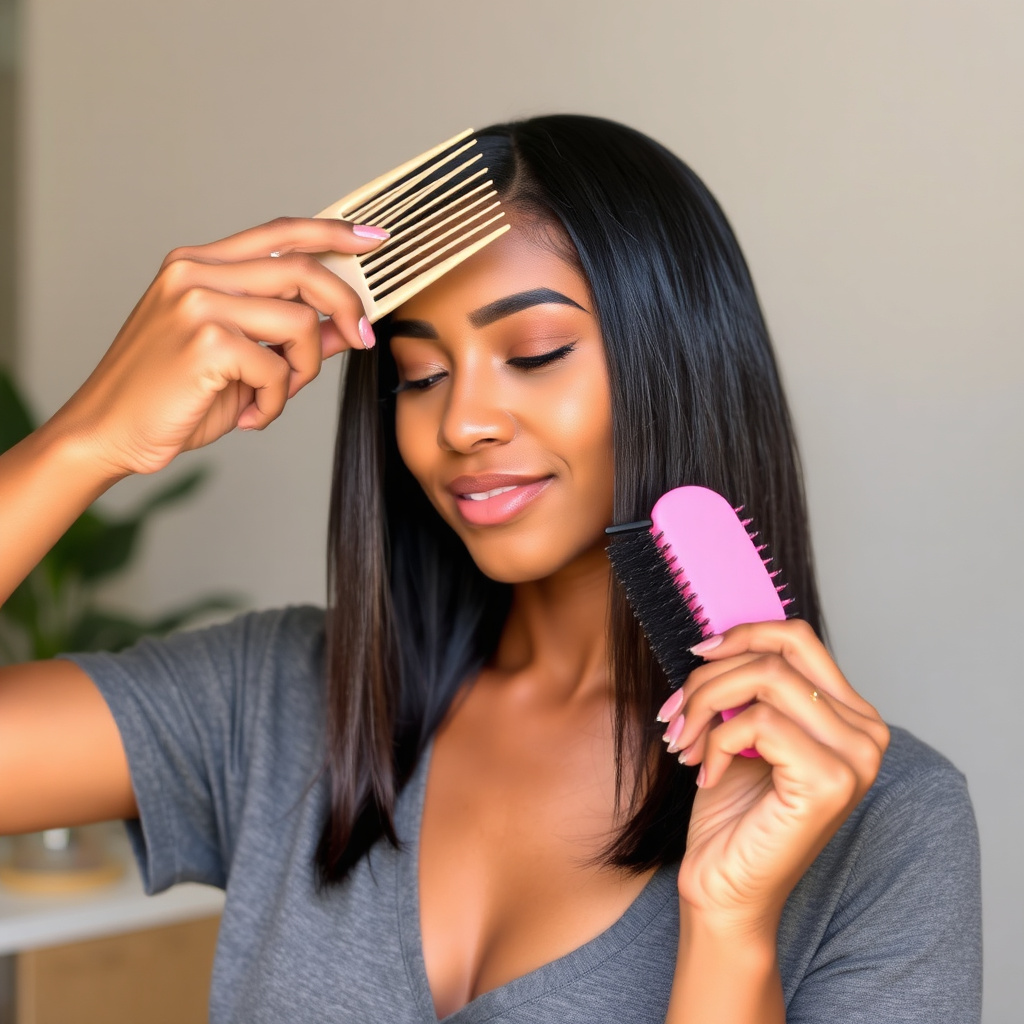
Gentle Styling Tools to Protect Fine Hair
Using wide-tooth combs and soft-bristle brushes minimizes breakage and scalp irritation in relaxed fine hair. Avoiding tight hairstyles reduces tension on fragile strands.
Heat protectant sprays should always be used when styling with heat tools to prevent moisture loss and damage.
- Wide-tooth comb
- Soft-bristle brush
- Heat protectants
For detailed scientific insights, you can explore hair relaxer chemistry information on Wikipedia. hair relaxer chemistry information.
Regular Trims and Scalp Care
Trimming relaxed hair every 6-8 weeks helps manage split ends and promotes healthy growth. Gentle scalp massages and moisturizing oils improve circulation and scalp condition supporting overall hair strength.
Keeping the scalp clean but moisturized is vital, as relaxed hair relies heavily on scalp health.
- Trim every 6-8 weeks
- Use scalp oils like tea tree or jojoba
- Maintain clean scalp
Hair Relaxer Types Comparison for Fine Hair
This table compares key characteristics of popular hair relaxer categories that suit fine hair, helping you find the best fit.
| Relaxer Type | Chemical Base | Application | Gentleness | Ideal For |
|---|---|---|---|---|
| Mild No-Lye | Calcium hydroxide | Lotion or cream | High | Fine, fragile hair |
| Lotion-Based | No-lye or mild base | Thick lotion | Very High | Fine and sensitive scalps |
| Lye | Sodium hydroxide | Cream | Low | Coarse, resistant hair |
| Metal-Free | Guanidine hydroxide | Cream or lotion | Moderate | Sensitive scalps but not always best for fine hair |
| Organic/Herbal | Natural ingredients | Varies | Variable | Minimal chemical exposure but less effective for straightening |
Frequently Asked Questions
Can I use a regular lye relaxer on fine hair?
Regular lye relaxers are usually too harsh for fine hair and can cause breakage or scalp irritation. It's better to opt for a mild no-lye relaxer formulated for delicate textures.
How often should fine hair be relaxed?
Fine hair should generally be relaxed every 8-12 weeks to prevent overprocessing and maintain scalp health. Consult with a professional to tailor timing to your hair’s condition.
Are hair relaxers safe for sensitive scalps?
No-lye and lotion-based relaxers with conditioning agents are safer for sensitive scalps, but a patch test is recommended before full application to avoid adverse reactions.
What is the best way to maintain fine relaxed hair?
Maintaining fine relaxed hair requires moisturizing treatments, gentle handling, minimizing heat styling, and using sulfate-free products to preserve moisture and strength.
Can I relax my fine hair at home?
Relaxing fine hair at home is possible with the correct mild relaxer and careful application, but professional assistance reduces risk of damage and ensures the best results.
Key Takeaways
- Mild no-lye relaxers are best suited for fine hair due to gentler chemistry.
- Lotion-based relaxers offer more controlled application for delicate textures.
- Proper application timing and aftercare are critical to protect fine hair.
- Moisturizing ingredients and conditioning agents support hair health post-relaxation.
Conclusion
Choosing the right hair relaxer for fine hair requires balancing effective straightening with minimizing damage. Mild no-lye relaxers and lotion-based formulas stand out as the best options because they use gentler chemicals and include conditioning agents suited for fragile strands. Understanding the hair’s natural sensitivity shapes how you approach chemical treatments, emphasizing careful timing and precise application. This cautious method helps protect fine hair from the common pitfalls of dryness, breakage, and scalp irritation that can stem from rougher relaxer types.
In practical terms, brands offering mild no-lye relaxers, such as SoftSheen-Carson Optimum Care or ORS Olive Oil, provide products designed to nourish while relaxing. Lotion-based treatments like Motions Texture Softener add ease of application that can reduce overexposure to chemicals. For fine hair that is easily damaged, prioritizing formulas enhanced with moisturizing oils and pH buffers can significantly improve both the application experience and long-term hair condition. Regular maintenance and styling practices further support the integrity of relaxed hair.
If you’re considering relaxing fine hair, start with a gentle product suited for delicate hair types and conduct a strand test beforehand. Consulting a professional stylist can also reduce risks. After treatment, invest time in conditioning and avoid excessive heat styling. Following these steps helps ensure your relaxed fine hair remains healthy, manageable, and attractive, letting you enjoy sleek hair without sacrificing strength.