How to Do a Clarifying Treatment for Healthy, Buildup-Free Hair
A clarifying treatment is a deep cleansing process designed to eliminate product buildup, oils, and impurities from your hair and scalp. To do a clarifying treatment, start by selecting a clarifying shampoo suited to your hair type, apply it thoroughly from root to tip, and let it sit for a few minutes before rinsing. This helps reset your hair’s natural texture and prepares it for styling or other treatments.
Hair can accumulate residue from styling products, hard water minerals, and pollution, which weigh it down and dull its natural shine. A clarifying treatment removes these residues and can refresh your scalp, promoting healthier hair growth. Doing this treatment periodically, depending on your hair type and styling routine, can improve the overall feel and appearance of your hair.
This article will explain the detailed steps for how to do a clarifying treatment properly, tips for choosing the right products, how often to use treatments, and aftercare advice to maintain clean, vibrant hair without over-drying or damaging your strands.
Understanding Clarifying Treatments and Their Benefits

What is a Clarifying Treatment?
Clarifying treatments involve using specially formulated shampoos or treatments that deeply cleanse the hair. Unlike regular shampoos, clarifying products contain stronger surfactants or specific ingredients that strip away residue and impurities.
These treatments target the excess oils, silicones, hard water deposits, and styling product layers that typical shampoos may miss. By removing these unwanted elements, clarifying treatments restore hair’s natural balance and shine.
Benefits of Clarifying Your Hair
Regular clarifying treatments can reduce scalp buildup that might cause irritation or dullness. Clean hair also absorbs conditioning products better, improving softness and manageability.
Additionally, by eliminating excessive residues, clarifying can improve the effectiveness of color treatments and reduce greasiness, letting hair feel lighter and fresher.
Choosing the Right Products for a Clarifying Treatment

Selecting Clarifying Shampoos
When picking a clarifying shampoo, consider your hair type and sensitivity. Some formulas are designed for oily hair and contain stronger detergents, while others are gentler for dry or color-treated hair.
Look for products labeled as clarifying or deep cleansing. Ingredients like tea tree oil, charcoal, or citrus extracts are common for natural clarifying effects without over-stripping.
- Check for sulfate content if you want stronger cleaning power
- Choose sulfate-free clarifiers for color-treated or fragile hair
- Avoid harsh chemicals if your scalp is sensitive
Natural Alternatives for Clarifying
Some prefer natural clarifying methods like apple cider vinegar rinses or baking soda treatments. These use acidic or alkaline properties to break down buildup gently.
While effective, natural methods require careful dilution and timing to avoid hair dryness or scalp irritation.
- Dilute apple cider vinegar with water in a 1:4 ratio
- Use baking soda sparingly and rinse thoroughly after application
Step-By-Step Guide to Doing a Clarifying Treatment
Preparation and Application
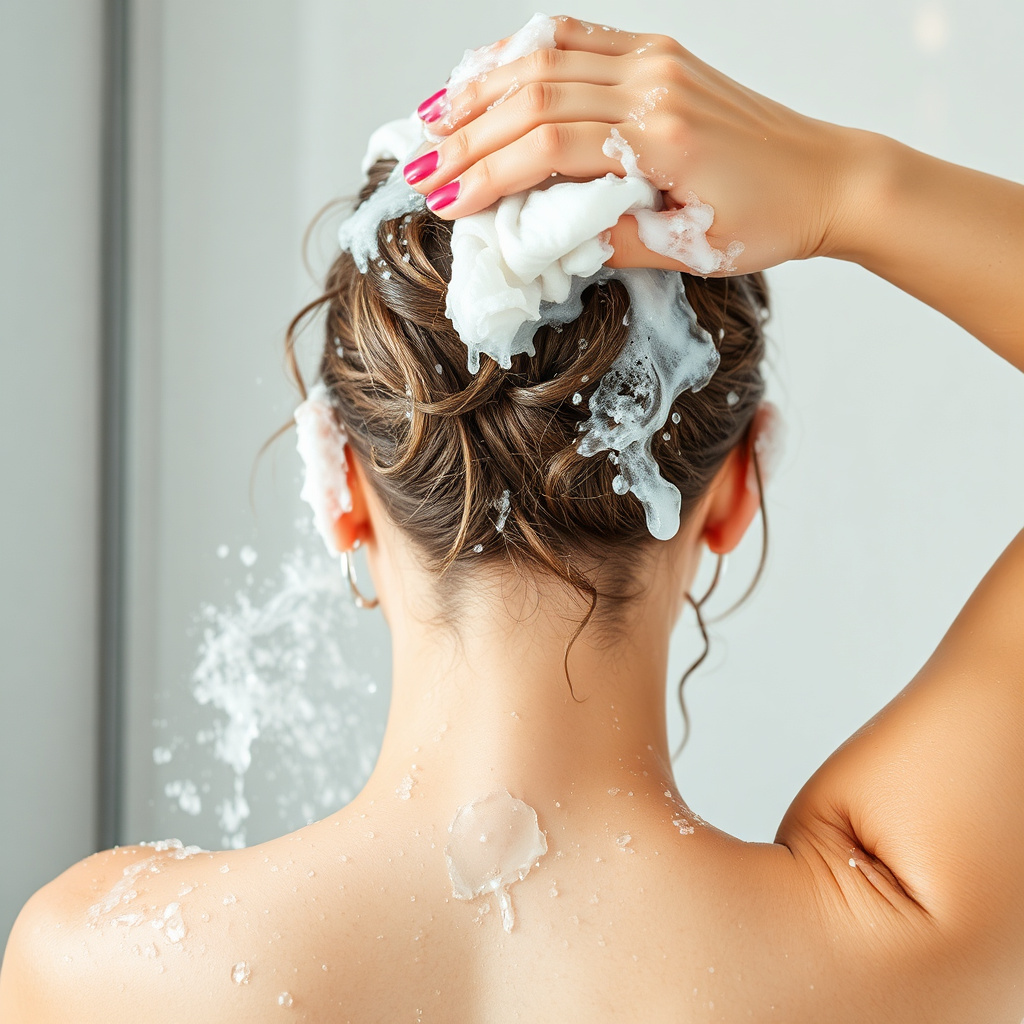
Begin by wetting your hair thoroughly with warm water to open the cuticles, allowing the clarifying shampoo to penetrate deeply. Dispense a moderate amount of the chosen clarifying shampoo into your palms.
Apply the shampoo evenly across the scalp and hair strands, massaging gently but thoroughly to lift away buildup. Focus on areas with heavy residue, such as near the crown and nape.
- Use warm water to open hair cuticles
- Massage shampoo for at least 1-2 minutes
- Avoid applying excessive product to ends to prevent dryness
For more on this, see our related guide: How to Do a Protein Treatment at Home for Stronger, Healthier Hair.
Rinsing and Finishing Steps
Allow the clarifying shampoo to sit on your hair for 3 to 5 minutes but avoid leaving it too long to prevent over-drying. Rinse thoroughly with cool water to close the cuticles and seal moisture.
Follow up with a hydrating conditioner or hair mask to restore softness. Avoid clarifying treatments more than once every one to two weeks to maintain natural oils.
- Rinse thoroughly until no suds remain
- Apply conditioner focused on mid-lengths to ends
- Use clarifying treatments weekly or biweekly depending on hair condition
How Often to Use Clarifying Treatments
Frequency Based on Hair Type
Oily hair types, or those who regularly use heavy styling products, might benefit from weekly clarifying to prevent buildup. Dry or color-treated hair usually requires less frequent treatments to avoid stripping essential oils.
Evaluating your scalp's oiliness, hair texture, and product usage will guide how often you should clarify. Adjust frequency if hair feels overly dry or brittle.
- Oily hair: clarifying every 1 week
- Normal hair: every 2 weeks to monthly
- Dry or color-treated hair: monthly or less frequently
Signs You Need a Clarifying Treatment
If your hair feels heavy, dull, sticky, or looks lifeless despite regular washing, a clarifying treatment can help. Scalp irritation, itchiness, or flaky buildup also signal buildup.
Pay attention to how styling products or hard water affect your hair’s feel; these usually necessitate occasional clarifying treatments.
- Dull, flat hair despite washing
- Scalp discomfort or flakes
- Hair oily shortly after washing
Aftercare Tips to Maintain Hair Health Post-Treatment

Moisturizing and Conditioning
Because clarifying shampoos remove buildup by stripping oils, replenishing moisture is key. Use a rich conditioner or hydrating hair mask after treatment to restore softness and elasticity.
Leave-in conditioners or light serums can protect hair strands from dryness and environmental damage, keeping hair smooth and manageable.
- Apply conditioner immediately after rinsing clarifier
- Use deep conditioning masks weekly
- Opt for leave-in products with nourishing oils
For more on this, see our related guide: How to Do a Bond Repair Treatment for Stronger, Healthier Hair.
Adjusting Your Hair Care Routine
Following a clarifying treatment, avoid heavy product layering or overwashing, which can cause buildup to return quickly. Simplify styling products and incorporate gentle cleansing techniques.
Regularly rotating clarifying shampoos with mild daily shampoos maintains balance without stressing hair or scalp.
- Limit styling products containing silicones or wax
- Alternate clarifying shampoo with gentle sulfate-free shampoo
- Use lukewarm water instead of hot water for daily washes
Common Mistakes to Avoid During Clarifying Treatments

Overusing Clarifying Shampoos
Applying clarifying treatments too frequently can rob hair of natural oils, leading to dryness, breakage, and scalp sensitivity. Strictly adhere to the recommended frequency based on your hair type.
Signs of overuse include frizz, dullness, and increased hair breakage, which require a return to moisturizing care.
- Limit treatment to once a week at most for oily hair
- Use less frequent treatments for dry hair
For additional insight into how clarifying shampoos work and their chemistry, see clarifying shampoo information on Wikipedia. clarifying shampoo information on Wikipedia.
Skipping Conditioning Post-Treatment
Not conditioning after a clarifying treatment can leave strands vulnerable to damage. Always seal moisture immediately to restore softness and strengthen hair.
Skipping this step often causes tangling and rough texture that mimic damage.
- Never skip conditioner after clarifying shampoo
- Include weekly deep conditioning for extra nourishment
Clarifying Treatment Category Comparison
Here’s a comparison of different clarifying treatment types to help you find what suits your hair needs best.
| Category | Best For | Pros | Cons | Frequency Recommended |
|---|---|---|---|---|
| Sulfate-Based Clarifying Shampoos | Oily, fine hair | Powerful cleansing; removes heavy buildup | Can dry out hair; may strip color | Once a week |
| Sulfate-Free Clarifying Shampoos | Colored or dry hair | Gentler cleansing; preserves moisture | Mild cleaning; may need repeated use | Every 2-4 weeks |
| Apple Cider Vinegar Rinse | Natural care seekers | Restores pH balance; smooths hair cuticles | Needs dilution; can smell strong | Every 2 weeks |
| Baking Soda Treatments | Heavy buildup cases | Alkaline cleanser; removes hard water minerals | Harsh if overused; requires careful rinsing | Once a month |
| Clarifying Hair Masks | Dry, damaged hair | Cleanses while nourishing; less harsh | Slower buildup removal; usually more expensive | Every 2-3 weeks |
Frequently Asked Questions
Can I do a clarifying treatment on color-treated hair?
Yes, but choose a gentle, sulfate-free clarifying shampoo designed for color-treated hair to avoid stripping color or causing dryness.
How long should I leave a clarifying shampoo in my hair?
Typically, leave it on for 3 to 5 minutes before rinsing to allow it to break down buildup without over-drying.
Is it safe to use clarifying treatments every week?
For oily hair types, weekly use may be fine, but most hair types benefit from treatments only once every 1 to 2 weeks to prevent dryness.
Can natural ingredients like apple cider vinegar replace clarifying shampoos?
Yes, apple cider vinegar can serve as a mild clarifying rinse but should be diluted and used cautiously to protect hair health.
What are signs that I need a clarifying treatment?
Hair that looks dull, feels heavy or greasy despite washing, or a scalp that itches or flakes can all indicate buildup needing clarification.
Key Takeaways
- Clarifying treatments remove buildup that dulls hair and scalp health.
- Choose the right clarifying shampoo or natural method based on hair type.
- Use treatments thoughtfully, not more than weekly for most hair types.
- Always follow clarifying with moisturizing conditioner or mask.
Conclusion
Doing a clarifying treatment effectively requires understanding your hair’s needs and how buildup develops from styling products and environmental exposure. Recognizing when hair feels lifeless or oily even after washing is a key indicator. Balance comes from using clarifying shampoos that suit your hair texture and condition, combined with consistent hydration practices. This strategy keeps hair clean and healthy without stripping its natural oils too harshly.
For those with oily or product-heavy hair routines, sulfate-based clarifying shampoos can provide strong cleansing power, while those with dry or color-treated hair should lean toward gentler, sulfate-free or natural options like apple cider vinegar rinses. Using clarifying hair masks is an excellent way for damaged hair to refresh without sacrificing moisture. Frequency adjustments should reflect your hair’s response and symptoms of dryness or scalp irritation.
Your next step is to select a clarifying method that fits your hair type and to incorporate it into your care routine on a schedule that preserves shine and health. Remember to always complement clarifying treatments with rich conditioning to protect strands. Keeping this balance will leave your hair feeling light, vibrant, and well cared for.