How to Do a Bond Repair Treatment for Stronger, Healthier Hair
A bond repair treatment restores broken bonds within hair strands, making hair stronger and less prone to damage. Doing a bond repair treatment involves applying a specialized product—usually containing ingredients like hydrolyzed proteins or amino acids—that penetrates the hair shaft to rebuild internal structure. This process reduces breakage, smooths hair, and improves elasticity.
Hair bond damage occurs from chemical services like coloring, heat styling, and environmental stress, which weaken hair by breaking disulfide bonds. Repairing these bonds is essential to maintain hair integrity, reduce split ends, and enhance shine. These treatments rejuvenate hair from within rather than just masking surface damage.
This guide covers the steps to perform an effective bond repair treatment at home or in salon settings. It discusses the types of products available, preparation, application methods, timing, and aftercare tips to maximize the treatment’s benefits for long-lasting hair health.
Understanding Bond Repair Treatments and Their Benefits

What Happens to Hair Bonds During Damage
Hair damage primarily results from broken disulfide bonds, which are strong chemical links inside the hair cortex that hold keratin chains together. Chemical treatments, excessive heat styling, and physical wear can sever these bonds, leading to weak, brittle strands that break easily.
Once bonds break, hair loses elasticity and smoothness, causing split ends and dullness. Repair treatments focus on rebuilding or reconnecting these bonds to restore hair resilience and improve texture without stripping moisture.
- Disulfide bonds break under chemical or heat stress
- Bond breakage weakens hair structure
- Repair treatments target bond reconstruction
Benefits of Bond Repair Treatments
By navigating hair damage on a molecular level, bond repair treatments strengthen formerly compromised strands. This leads to stronger hair that resists future breakage, increased manageability, and enhanced shine.
Moreover, these treatments can prolong the effects of coloring and styling by protecting hair integrity, making them especially valuable for chemically treated or heat-styled hair.
- Rebuilds internal hair bonds
- Reduces breakage and split ends
- Improves hair texture and shine
Choosing the Right Bond Repair Product

Types of Bond Repair Treatments
Bond repair treatments come in various formulas such as keratin-based, protein-enriched, and peptide-infused treatments. Each targets hair bonds with slightly different mechanisms, focusing on either re-linking broken disulfide bonds or supplementing lost proteins.
Some popular treatments include salon professional products like Olaplex, L’Oréal Smartbond, and at-home kits with conditioning peptides. Your choice depends on hair condition, type, and availability.
- Keratin-based treatments
- Peptide and protein formulas
- At-home vs professional salon products
Factors to Consider When Selecting a Product
Consider hair texture, the extent of damage, chemical processing history, and your lifestyle to select an appropriate treatment. Some products suit fine, fragile hair better, while others are formulated for coarse or chemically treated hair.
Additionally, factor in application method and treatment duration since some require multiple steps or longer processing time, which may affect convenience.
- Hair type compatibility
- Severity of damage
- Ease of application and timing
Step-by-Step Guide to Performing a Bond Repair Treatment

Preparing Your Hair and Workspace
Start with clean hair, washing it gently with a clarifying shampoo to remove buildup and oils. Avoid heavy conditioners beforehand as they might block product penetration. Prepare a well-lit space with all products and tools within reach to streamline the process.
Wear gloves if recommended, and use an old towel or cape to protect clothing from product stains. Work on slightly damp hair for optimal absorption.
- Use clarifying shampoo before treatment
- Avoid conditioners before application
- Prepare gloves and protective towel
For more on this, see our related guide: How to Do a Color Melt: A Step-by-Step Guide for Stunning Hair Transitions.
Application and Timing Instructions
Evenly apply the bond repair product through hair in sections to ensure thorough coverage. Follow the product’s specific instructions about how much to use and whether to comb it through for distribution.
Allow the product to process for the recommended time, typically between 10 to 30 minutes. Avoid rinsing out early unless directed. Some treatments have a multi-step protocol that involves rinsing and applying a secondary formula.
- Section hair for even application
- Comply with manufacturer’s timing guidelines
- Complete all product steps if multi-stage
Post-Treatment Care to Maximize Results

Rinsing and Conditioning After Treatment
Once processing is complete, rinse hair with lukewarm water to remove residue, unless the product instructs otherwise. Use a gentle conditioner formulated for treated hair to lock in moisture and protect the reformed bonds.
Avoid heavy or silicone-based conditioners immediately after treatment as they might weigh hair down or interfere with bond strengthening.
- Rinse thoroughly with lukewarm water
- Apply light conditioner suited for treated hair
Ongoing Haircare Routine
To preserve bond repair benefits, adapt your haircare routine by minimizing heat styling and avoiding harsh chemicals. Incorporate regular hair-strengthening treatments, protective serums, and sulfate-free shampoos.
Regular trims also help maintain hair health by removing damaged ends that can compromise repaired bonds.
- Limit heat styling frequency
- Use sulfate-free, gentle shampoos
- Trim split ends regularly
Professional Bond Repair Treatments vs At-Home Kits

Benefits of Professional Treatments
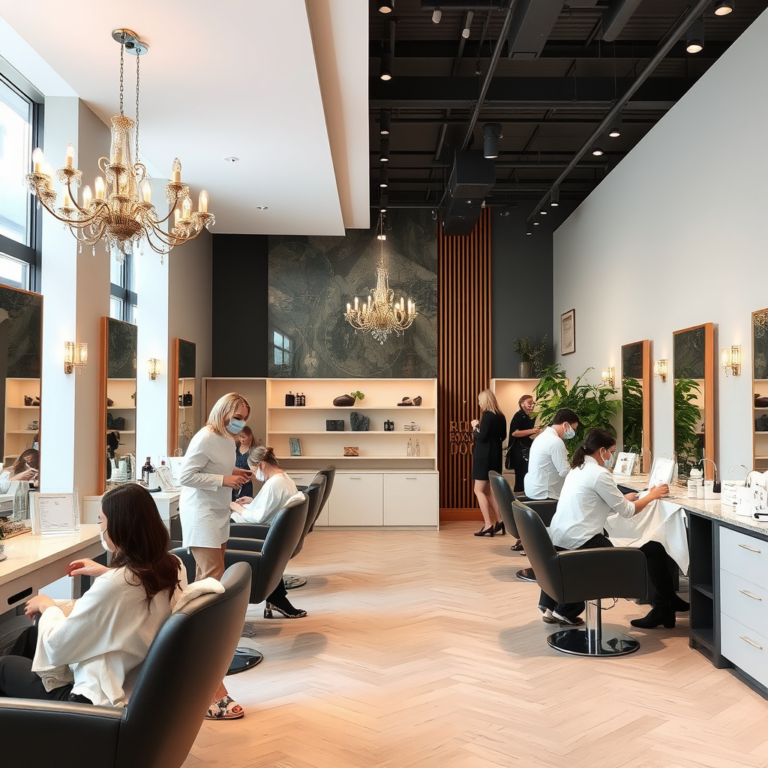
Salon bond repair treatments typically involve stronger formulations and precise application by trained stylists, resulting in deeper, longer-lasting repairs. Professionals can customize the process to hair condition, optimizing treatment efficacy.
They also often include complementary conditioning or finishing services to maximize shine and smoothness.
- Stronger professional-grade formulas
- Customized application by experts
- Integrated conditioning and styling
For more on this, see our related guide: How to Do an Olaplex Treatment at Home: Step-by-Step Guide.
Advantages of At-Home Bond Repair Kits
At-home kits provide convenience and cost savings while delivering substantial bond repair benefits. These products are designed for user-friendly application and require less time and fewer tools.
Though somewhat less potent than salon treatments, regular use of at-home kits can maintain healthier hair between professional appointments.
- Convenient for regular maintenance
- More affordable than salon visits
- User-friendly, multiple application formats
Common Mistakes and How to Avoid Them When Doing Bond Repair

Incorrect Product Usage
Using too much bond repair product or neglecting sectioning can lead to uneven coverage, greasiness, or ineffective treatment. Over-processing can also damage hair rather than repair it.
Always measure product amounts and follow manufacturer instructions closely to avoid these issues.
- Avoid exceeding recommended amounts
- Section hair properly before application
- Adhere strictly to timing guidelines
For more detailed scientific information on hair bond structures and damage, see this comprehensive resource on hair anatomy. Hair bond structure and repair.
Failing to Adjust Aftercare
Ignoring post-treatment care requirements—like avoiding harsh shampoos and heat tools—may compromise bond repair results. Continuous exposure to damaging practices undoes treatment benefits quickly.
Incorporate recommended gentle haircare to maintain treatment effectiveness.
- Use gentle, sulfate-free shampoos
- Minimize heat styling for at least a few days
- Avoid chemical treatments immediately after
Bond Repair Treatment Category Comparison
This table compares common bond repair treatment categories, highlighting key differences for easier choice based on your hair needs.
| Category | Typical Ingredients | Application Time | Suitability | Cost |
|---|---|---|---|---|
| Professional Salon Treatment | Bis-aminopropyl diglycol dimaleate | 20–45 minutes | Severe damage, chemically treated hair | High |
| At-Home Repair Kits | Hydrolyzed keratin, peptides | 10–30 minutes | Mild to moderate damage | Moderate |
| Keratin Protein Masks | Hydrolyzed keratin, amino acids | 15–30 minutes | Dry, brittle hair | Low to moderate |
| Leave-in Repair Serums | Silicone derivatives, proteins | No rinsing, daily use | All hair types, maintenance | Low |
| DIY Treatments (e.g., coconut oil & protein mix) | Natural oils and proteins | Varies | Mild dryness and damage | Very low |
Frequently Asked Questions
How often should I do a bond repair treatment?
For moderate damage, treatments every 4-6 weeks are common. Severely damaged hair may benefit from more frequent sessions initially, transitioning to monthly maintenance once stronger.
Can bond repair treatments fix split ends?
While these treatments reduce breakage and strengthen hair, they cannot permanently repair split ends. Regular trimming is necessary to remove split ends.
Are bond repair treatments safe for color-treated hair?
Yes, most bond repair treatments are specially formulated to be safe and even protective for color-treated hair, helping maintain color vibrancy by reducing damage.
Can I use bond repair treatments on oily hair?
Yes, but choose lightweight formulas and follow instructions carefully to avoid weighing hair down. Using only as often as needed helps keep oily hair balanced.
Is it necessary to wash hair before applying bond repair treatments?
Yes, starting with clean hair ensures better product penetration. Using a clarifying or gentle shampoo without conditioner is recommended before treatment.
Key Takeaways
- Bond repair treatments rebuild broken hair bonds to strengthen and smooth strands.
- Choosing the right product depends on hair type and damage level.
- Proper application and aftercare optimize treatment results.
- Regular use, professional or at-home, maintains healthier hair over time.
Conclusion
Doing a bond repair treatment requires understanding your hair’s current condition and selecting a product that targets the specific bond damage it has endured. Whether your hair is chemically treated, heat-styled, or naturally fragile, breaking disulfide bonds weakens the strands and reduces elasticity. By applying a structured bond repair protocol—which includes preparation, precise application, processing time, and dedicated aftercare—you can restore strength and resilience from within the hair cortex. This methodical approach reduces breakage while improving texture and shine, offering a more sustainable alternative to superficial conditioning treatments.
For those with severe damage due to bleaching or frequent heat styling, professional salon treatments featuring advanced ingredients like bis-aminopropyl diglycol dimaleate can provide the deepest repair. On the other hand, at-home kits with hydrolyzed keratin or peptides offer convenient maintenance for mild to moderate damage. Lightweight leave-in serums and protein-rich masks help maintain results and protect from further stress. Adjust your treatment frequency and product type based on how your hair responds and the level of ongoing damage to maintain optimal hair health.
If you’re seeking to try a bond repair treatment, begin by clarifying your hair and choosing a reputable product suited for your hair type. Follow the step-by-step application guide, being careful with timing and coverage, and adopt gentle haircare practices afterward. Over time, you’ll notice stronger, shinier, and less brittle strands. For prolonged benefits, incorporate these treatments regularly, and consider professional help if damage is extensive.