How to Choose the Best Trimmer for Edging Your Lawn Precisely
The best trimmer for edging is one that offers precise control, comfortable handling, and the ability to cut neatly along lawn borders and hard-to-reach spots. Ideal models feature adjustable cutting angles, variable speed settings, and durable blades or lines that withstand close contact with tough surfaces.
Edging your lawn transforms its appearance, creating crisp, defined borders that highlight your landscaping. With the right trimmer, you can shape flower beds, sidewalks, driveways, and patios more efficiently and with less effort. This tool is essential for homeowners seeking a polished yard without hiring professionals.
This article explores the key aspects to evaluate when choosing a trimmer for edging. We'll cover motor types, cutting mechanisms, ergonomic designs, and durability so you can find the tool that fits your lawn care routine. Plus, we’ll compare popular trimmers designed specifically for clean edging and answer common questions to help you make an informed choice.
Types of Trimmer Motors and Their Impact on Edging

Gas vs. Electric Motors
Gas-powered trimmers usually offer more power suitable for larger yards or heavy-duty edging. They run longer but require more maintenance, including fueling and occasionally replacing spark plugs or air filters. Their exhaust and noise levels can be higher, which some users may find inconvenient.
Electric trimmers, powered either by cord or battery, provide quieter operation and easier startups. Battery models offer greater mobility without the tangling risk of cords, while corded versions provide consistent power as long as the cord reaches. Electric motors typically suit smaller to medium-sized lawns and lighter edging tasks.
- Gas motors: powerful, heavier, noisy
- Corded electric: lightweight, continuous power, limited range
- Battery electric: portable, quieter, limited runtime
Brushless Motors and Efficiency
Brushless electric motors in modern trimmers generate more consistent torque with less energy loss compared to brushed motors. This efficiency extends battery life for cordless models and reduces electrical wear, leading to longer tool durability.
These motors also tend to produce less heat and require less maintenance, making them favorable for edging where precision and sustained performance are important. They enable smoother cutting near edges without bogging down or stalling on thick grass or debris.
Cutting Mechanisms for Precise Lawn Edging

String Line Heads
String line heads are the most common cutting mechanism, spinning a thin nylon line that trims grass and weeds quickly. For edging, thinner lines between 0.065 and 0.080 inches allow cleaner, more accurate cuts along borders without ripping turf aggressively.
Some string line heads feature adjustable guard guides or edging wheels that help maintain steady contact with sidewalks or flower beds, making it easier to get straight, defined edges. Replacement lines are inexpensive and widely available.
- Flexible, less damage to hard surfaces
- Cost-effective replacement lines
- Good for light to medium edging
Blade Trimmer Heads
Blade-equipped trimmers use steel or plastic blades to slice through denser weeds and tougher grass. They provide sharper, cleaner edges but require careful handling to avoid damaging lawn borders or adjacent plants.
Blades are generally better for professional-grade edging or when cutting along concrete and asphalt where string lines might wear quickly. They also last longer than nylon lines but need sharpening or replacement to maintain precision.
- Sharper, precise cuts
- Greater durability on tough surfaces
- Better for professional or heavy-duty use
Ergonomic Features to Enhance Comfort and Control

Handle and Grip Design
Trimmers designed for edging often include adjustable loop or D-shaped handles that can be rotated or repositioned, allowing users to maintain a natural wrist angle when trimming. Ergonomic grips with cushioned, non-slip materials reduce hand fatigue during longer edging sessions.
Some models come with telescoping shafts to adjust the tool’s length. This customization ensures users of different heights can maintain better posture, improving accuracy and minimizing strain.
- Adjustable handle positions
- Non-slip cushioned grips
- Telescoping or adjustable shaft length
For more on this, see our related guide: How to Choose the Best Cordless Clipper for Precise and Convenient Grooming.
Support Straps and Weight Distribution
Many corded and cordless trimmers feature shoulder or chest straps to help distribute the weight evenly, especially beneficial during intensive edging work. A well-balanced trimmer reduces fatigue and improves maneuverability for precise border shaping.
Proper weight distribution also aids in holding the trimmer steady, preventing unwanted wobble that could lead to uneven edges. Lightweight models around 5 to 7 pounds are easiest for extended edging.
- Shoulder or chest harness straps
- Balanced weight for steady control
- Lightweight builds under 7 pounds
Durability and Maintenance for Long-Term Edging Performance

Build Materials and Weather Resistance
High-quality trimmers for edging often feature corrosion-resistant metal parts in the cutting head and shaft, along with impact-resistant housing to protect against accidental bumps or drops. Weatherproof seals can also help prevent moisture ingress when working in damp or dewy conditions.
Choosing a trimmer with replaceable parts lets you extend its lifespan instead of purchasing a new tool after wear or damage. Consider brands offering good warranty and user support for repairs.
- Corrosion-resistant metal cutting heads
- Impact-resistant housing and guards
- Weatherproof design elements
Routine Maintenance Tips
Regularly cleaning grass clippings and debris from the cutting head prevents blockages and preserves cutting efficiency. For gas models, timely oil changes and air filter cleaning are essential.
For string line trimmers, frequently inspect and replace worn-out lines. Blade trimmers require sharpening or replacement at intervals dictated by usage intensity to maintain clean edging performance.
- Clean cutting head after use
- Replace nylon line frequently
- Sharpen or replace blades as needed
Battery Life and Power Considerations for Cordless Edgers
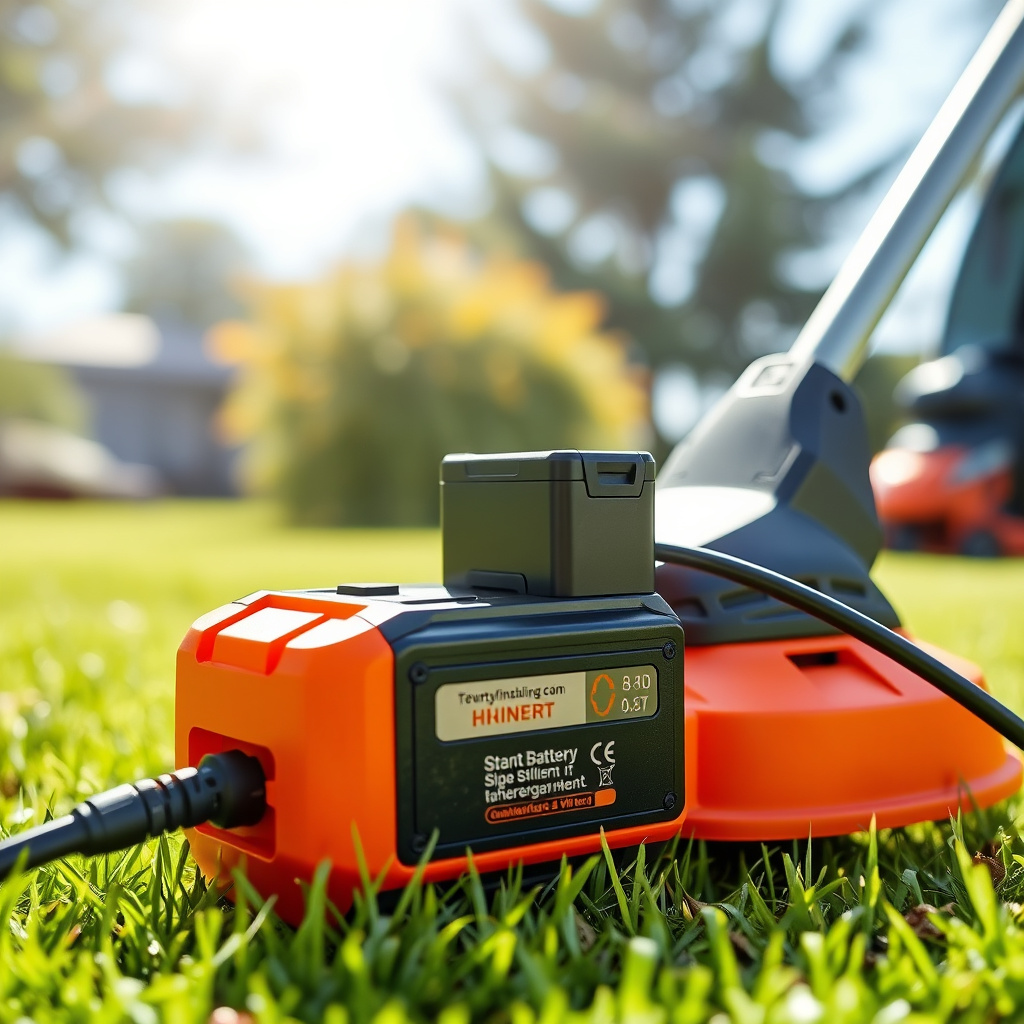
Battery Capacity and Runtime
Cordless trimmers rely heavily on their battery capacity, typically measured in amp-hours (Ah). For edging, a battery with at least 2.0 Ah offers about 30-45 minutes of runtime—adequate for small to medium yards.
Higher-capacity batteries extend runtime but increase weight. Swappable batteries are ideal to avoid interruptions during larger jobs where continuous edging is needed.
- 2.0-4.0 Ah typical for edging tasks
- Swap batteries for longer jobs
- Balance between capacity and weight
For more on this, see our related guide: What Is a Zero Gap Trimmer and How to Choose the Right One.
Voltage Ratings and Performance Impact
Voltage ratings indicate the power available to the trimmer motor; models between 18 and 40 volts provide enough force for consistent edging efficiency. Higher voltage units typically handle thicker vegetation without stalling.
Matching voltage with your typical mowing environment ensures the trimmer performs smoothly. For the best lawn edging trimmer experience, consider system compatibility if you already own cordless garden tools from the same brand.
Special Features to Enhance Edging Precision

Adjustable Cutting Angles
Some trimmers allow you to rotate or tilt the cutting head for vertical or horizontal edging. This feature lets you cut directly along lawn borders or sidewalks with better accuracy and less bending over.
Angle adjustments improve user comfort and help achieve professional-looking edges. Look for quick-release mechanisms that let you change positions easily without tools.
- Rotatable or tiltable heads
- Tool-free angle adjustment
- Improves edging accuracy
For a detailed overview of lawn edging techniques, you can explore this article on lawn edging basics. lawn edging basics.
Edge Guide Wheels and Attachments
Edge guide wheels attach near the cutting head to roll along sidewalks or curbs, guiding the trimmer for straighter edges. These attachments are useful for beginners or anyone wanting uniform lawn borders.
Additional attachments like dust shields or guard extensions can protect flower beds and help maneuver around obstacles while edging. Compatible accessories increase the versatility of your lawn edging trimmer.
- Edge guide wheels for steadiness
- Protective guards for plants
- Compatibility with multiple accessories
Lawn Trimmer for Edging Category Comparison
Here’s how different types of trimmers compare specifically for edging tasks based on power, precision, mobility, and price.
| Trimmer Type | Power Source | Best For | Precision Edging Ability | Approximate Price |
|---|---|---|---|---|
| Gas Trimmers | Gas Engine | Large, heavy-duty yards | High – blade options available | $150-$400 |
| Corded Electric Trimmers | Electric Cord | Small to medium yards close to outlets | Medium – string line heads | $50-$150 |
| Battery Electric Trimmers | Rechargeable Battery | Medium yards needing portability | High – with brushless motors and adjustable heads | $100-$300 |
| Blade Edgers (manual/plus power tools) | Manual or Motorized Blade | Advanced precision edging | Very High – steel blades | $100-$350 |
Frequently Asked Questions
Can I use any trimmer for edging, or do I need a special edging trimmer?
While many trimmers can handle basic edging, models with adjustable cutting heads, blades, or guide wheels provide greater precision and ease when shaping lawn borders.
How often should I replace the string line on an edging trimmer?
Replace the string line whenever it becomes too short or frayed, usually after a few uses, since a sharp string makes cleaner edges and reduces strain on the motor.
Are gasoline trimmers worth it for edging compared to electric models?
Gas trimmers offer more power and run time for extensive or thick vegetation but are heavier and louder. Electric models suit smaller yards and lighter edging work with easier maintenance.
What safety gear should I wear when edging my lawn?
Wear eye protection, gloves, long pants, and sturdy shoes to protect from flying debris and accidental contact with the cutting line or blade.
Can I convert a string trimmer into an edger?
Many string trimmers have an edging mode where the shaft rotates 90 degrees, turning the tool into a simple edger. Adding edge guide wheels improves straight lines.
Key Takeaways
- Choose a trimmer with adjustable heads for accurate edging along borders.
- Electric brushless motors extend battery life and improve performance.
- String line heads work well for light edging; blades suit tougher jobs.
- Ergonomic design reduces fatigue and enhances control during use.
Conclusion
Selecting the best trimmer for edging depends primarily on your yard size, the density of vegetation, and your comfort preferences. Electric trimmers with brushless motors balance lightweight design with reliable power for most home gardeners, providing clean edges without the noise and fumes of gas models. For more robust needs, gas-powered or blade-equipped trimmers deliver strong performance but require additional maintenance and care.
If your lawn has mostly neat borders and light growth, a battery electric trimmer with adjustable cutting angles and string line heads will efficiently handle edging tasks with minimal fatigue. Homeowners with larger or more overgrown yards might prefer a gas trimmer or a blade trimmer to tackle tougher edges consistently. Attaching guide wheels or guards further increases edging precision across models.
Before you buy, consider the typical trimming conditions and whether cordless portability or continuous power via a cord benefits your layout most. Testing the handle ergonomics and checking for ease of maintenance will lead to a trimmer that fits your lawn care style well. Taking these steps ensures your investment results in neatly edged, professional-looking yard borders.