What Is a Cuticle? Understanding Its Role and Care
A cuticle is the thin layer of dead skin that forms at the base of your fingernails and toenails, serving as a protective barrier for the nails. It seals the area between the skin and the nail plate to prevent infection and damage.
The cuticle plays an important role in nail health by guarding against bacteria and fungi entry, which could cause infections or nail problems. Keeping the cuticle intact and well-moisturized helps maintain nail strength and prevent painful conditions like hangnails.
This article will explain the biology and purpose of cuticles, explore common problems affecting them, and offer practical nail care tips to promote healthy cuticles and nails. Understanding how to treat and care for your cuticles can improve overall nail appearance and health.
Anatomy and Function of the Cuticle
What Exactly Is a Cuticle?
The cuticle is composed of non-living skin cells located at the nail’s proximal end. It acts as a seal between the nail plate and surrounding skin, preventing pathogens from entering the nail matrix where new nail cells grow.
Cuticles grow from the skin fold called the eponychium and extend onto the nail plate, forming a thin protective barrier. Though often confused, the cuticle is distinct from the eponychium, which is living tissue.
Why Does the Cuticle Matter?
By guarding the nail matrix from external irritants and microbes, the cuticle preserves nail growth health and prevents infections like paronychia. Damage or removal of the cuticle can expose the nail bed to bacteria.
Healthy cuticles contribute to the overall strength and appearance of nails, keeping them smooth and less prone to splitting or peeling.
Common Cuticle Issues and Concerns

Dry and Cracked Cuticles
Dryness, environmental exposure, or frequent hand washing can cause cuticles to crack and peel. This discomfort can lead to hangnails and can make nails more vulnerable to infections.
Moisturizing the cuticles regularly and protecting hands with gloves during chores are effective ways to prevent dryness and maintain cuticle health.
Cuticle Damage and Infection
Cuticle damage from aggressive pushing back, cutting, or nail biting raises infection risk. Infected cuticles can become swollen, red, and painful, requiring medical treatment in severe cases.
Avoiding harsh nail treatments and practicing gentle nail care can minimize cuticle injury and reduce infection likelihood.
How to Properly Care for Your Cuticles

Routine Cuticle Maintenance
Regular moisturizing keeps cuticles soft and flexible. Applying cuticle oil or cream daily helps restore hydration and prevent cracking.
Gently pushing back cuticles with a soft tool after a shower or bath softens them, making it safe to manage without cutting or tearing.
- Use oils containing vitamin E or jojoba
- Avoid cutting cuticles to prevent injury
For more on this, see our related guide: How to Choose the Best Hair Services in Salon for Your Style Needs.
Best Practices for Nail Care
Keeping nails clean and trimmed reduces the chance of dirt buildup under the cuticle that can irritate the skin. Avoid biting or picking at nails and cuticles.
Using gloves for household chores protects nails and cuticles from harsh chemicals and excessive moisture, which can weaken them.
- Wear gloves when cleaning
- Use gentle nail tools
- Trim nails properly
When to Seek Professional Help

Signs of Infection or Severe Damage
If cuticles become painful, severely swollen, or produce pus, it indicates infection requiring medical attention. Early treatment prevents complications and promotes faster healing.
Persistently inflamed or damaged cuticles despite home care might also need evaluation by a dermatologist or nail specialist.
Professional Cuticle Care Options
Professional manicures often include careful cuticle treatment to remove dead skin safely and maintain nail health.
Dermatologists can provide treatments for chronic cuticle issues, including medicated creams or advice on managing skin conditions affecting nails.
Understanding Cuticle Removal and Its Effects
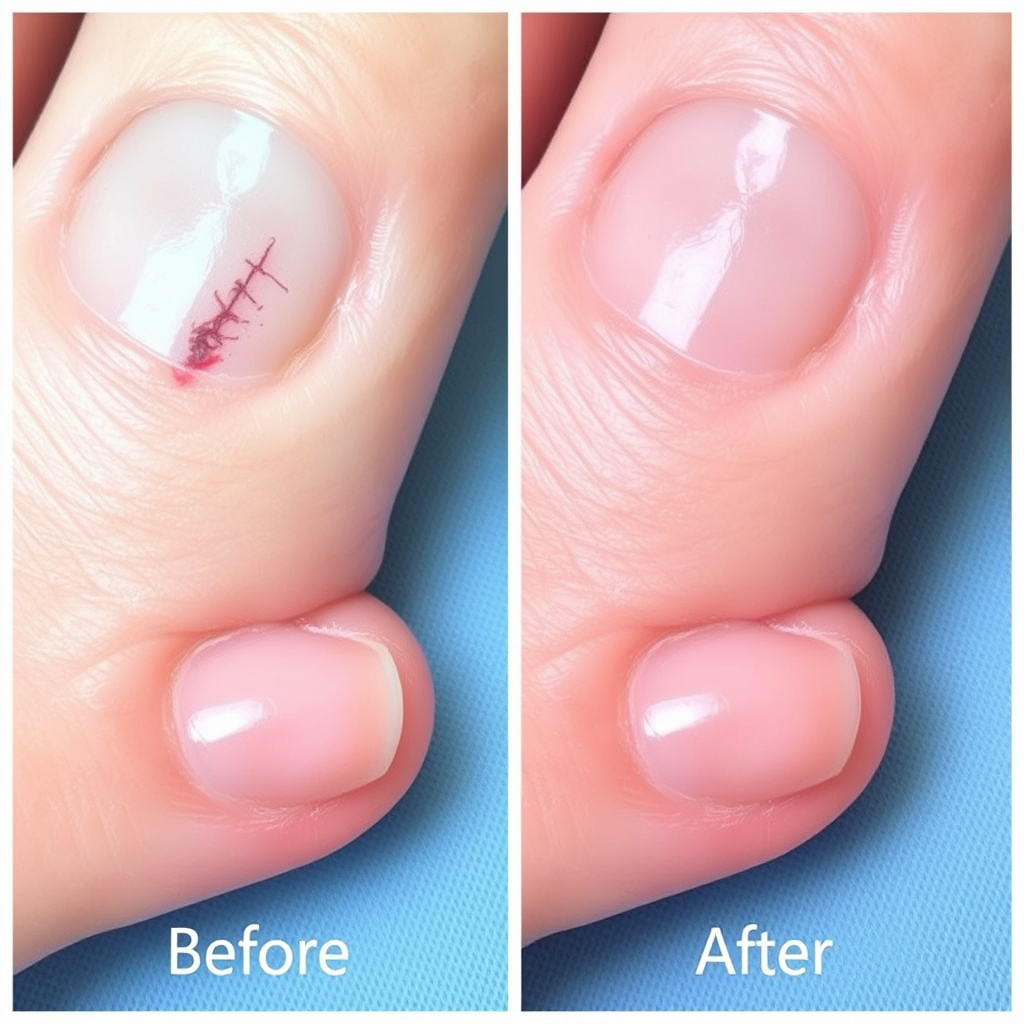
Is Cuticle Removal Safe?
Completely removing cuticles is generally discouraged by experts because it removes a natural barrier against infection. Some salons perform cuticle trimming, but excessive removal can cause damage.
Instead, maintaining healthy cuticles through hydration and gentle care is safer and maintains nail protection.
For more on this, see our related guide: Mountain Star Salon Services: A Complete Guide to Pampering Yourself.
Alternatives to Cuticle Removal
Using products that soften the cuticle and gently pushing them back can improve nail appearance without damage.
Regular moisturizing and avoiding aggressive nail treatments provide a safer way to keep cuticles neat.
The Role of Nutrition in Cuticle and Nail Health

Key Nutrients for Cuticle Health
Nutrients like biotin, vitamin E, and zinc are vital for skin and nail health. Deficiencies can lead to dry, brittle nails and compromised cuticles.
Including foods such as nuts, eggs, leafy greens, and fish in your diet can support healthy nail growth and resilient cuticles.
For a detailed anatomical overview of the cuticle, you can visit the Cuticle definition on Wikipedia. Cuticle definition on Wikipedia.
Supplements and Hydration
Supplements may be recommended for those with nutrient deficiencies affecting their nails. Keeping adequately hydrated also ensures the skin including cuticles stays supple.
Consult a healthcare provider before starting supplements to determine the best approach for your specific needs.
Cuticle Care Methods Comparison
Here is a comparison of common cuticle care methods, showing their benefits and risks.
| Method | Effectiveness | Risk of Damage | Recommended Frequency |
|---|---|---|---|
| Moisturizing with oil or cream | High | Low | Daily |
| Pushing back cuticles gently | Moderate | Low | Weekly |
| Cuticle trimming | Moderate | Moderate | Occasional |
| Complete cuticle removal | Low | High | Not recommended |
| Professional manicure care | High | Low | Monthly |
Frequently Asked Questions
Can I cut my cuticles at home safely?
Cutting cuticles at home is not recommended as it can cause injury and increase infection risk. Gentle pushing back after softening is safer for home care.
How often should I moisturize my cuticles?
Moisturizing cuticles daily helps prevent dryness and peeling. Applying cuticle oil or cream after hand washing or before bed is effective.
What causes hangnails near the cuticle?
Hangnails occur when dry, cracked cuticle skin tears partially. Dryness, cold weather, and frequent hand washing without moisturizing contribute to their formation.
Are cuticle removers safe to use?
Cuticle removers often contain chemicals that soften dead skin but should be used cautiously. Follow product instructions and avoid overuse to prevent damage.
Can a lack of nutrients affect my cuticles?
Yes, deficiencies in vitamins like biotin and minerals like zinc can lead to weak nails and dry, damaged cuticles. A balanced diet supports healthy skin and nails.
Key Takeaways
- Cuticles protect the nail matrix from infection and damage.
- Regular moisturizing keeps cuticles healthy and prevents cracking.
- Avoid cutting cuticles to reduce infection risk.
- Balanced nutrition supports strong nails and healthy cuticles.
Conclusion
Understanding what a cuticle is and the critical role it plays in nail health helps guide better care routines. The cuticle serves as a natural barrier protecting the nail matrix from harmful microbes and injury. Maintaining its integrity through moisturizing and gentle handling promotes stronger, healthier nails.
For those interested in specific approaches, daily application of cuticle oil combined with weekly gentle pushing back is a recommended routine. Avoid cutting or removing cuticles entirely, as this can cause damage and increase infection risk. Professional manicures are beneficial when performed with care that focuses on hydration and gentle cuticle maintenance.
If you notice signs of infection or persistent issues with your cuticles, consulting a healthcare provider or dermatologist is advised for prompt treatment. Staying consistent with moisturizing and protecting your nails from harsh chemicals and extreme dryness offers the best chance at long-term cuticle health. Taking these steps will help you keep your nails and surrounding skin strong and attractive.