What Is a Hard Gel Nail? A Complete Guide to Hard Gel Nail Technology
A hard gel nail is a type of nail enhancement made from a thick, pigmented gel that cures under UV or LED light to form a solid, durable shell on the natural nail. Unlike soft gels or traditional nail polish, hard gel nails provide strength and structure, allowing for natural nail protection or lengthening through sculpting or tip application.
Hard gels matter because they combine the flexibility of gel technology with the strength of acrylics, offering a less damaging alternative that doesn't emit the strong odors associated with acrylic liquid monomers. This balanced durability and aesthetic appeal have made hard gel nails increasingly popular in salons and for home manicures.
This article will cover how hard gel nails work, the differences from other nail enhancements, detailed application methods, maintenance tips, safety considerations, and comparisons to gel nail extensions and acrylic nails. Whether you’re new to hard gel nails or considering a change from other nail systems, this guide will clarify what you need to know.
Understanding Hard Gel Nail Composition and Properties

Chemical Composition of Hard Gel Nails
Hard gel nails consist of oligomers that polymerize when exposed to UV or LED light, forming a hard, tough coating. These gels are typically made from acrylate or methacrylate compounds formulated to cure quickly and adhere firmly to the natural nail surface without liquid monomers.
The formulation creates a flexible yet durable layer that resists cracking and lifting better than traditional nail polish. The curing process fully hardens the gel, making removal more challenging and often requiring soaking in acetone.
Physical Properties and Benefits
Hard gels offer a glossy, high-shine finish that remains intact for weeks. They are resistant to chips and external damage but maintain enough flexibility to prevent nail breakage. Because hard gels do not contain harsh chemicals that evaporate, they produce less odor and are more user-friendly than acrylics.
Additionally, hard gel nails allow nail art inclusion before curing, such as glitter or pigments, providing creative freedom while maintaining a strong overlay. Their semi-rigid structure also supports natural nails or extensions without bulking excessively.
Hard Gel Nail Application Techniques
Preparation and Base Application
Before applying hard gel, nail technicians clean and lightly buff the nail surface to remove oils and create adhesion. A primer or bonding agent is often applied to enhance grip. The base gel layer then spreads thinly and cures under a UV or LED lamp to establish a tacky surface for the subsequent hard gel.
Careful preparation prevents lifting, which is a common issue if moisture or oils remain. The base coat also provides a uniform foundation that improves the durability and appearance of the final gel layer.
Building and Sculpting Hard Gel Extensions
Hard gel can be applied over tips or with forms to sculpt length and shape. The gel is typically dispensed thickly, molded precisely, and cured layer by layer. Many technicians use multiple curing stages to ensure even polymerization and avoid air bubbles or uneven surfaces.
After curing, the nail is shaped and buffed to a smooth finish before applying a topcoat, which is cured again for final shine and protection.
Maintenance and Removal of Hard Gel Nails

Proper Care for Longevity
Hard gel nails generally last 2-3 weeks with minimal chipping. To maintain them, clients should avoid harsh chemicals, use gloves during housework, and regularly apply cuticle oil to prevent dryness. Avoid picking or peeling is critical to preserve the gel and natural nail underneath.
Using gentle filing tools for touch-ups and scheduling professional fills when nails grow out helps maintain a polished look without compromising nail health.
For more on this, see our related guide: What Is a Full Service Beauty Salon? A Clear Explanation.
Safe Removal Procedures
Removing hard gel nails requires soaking in acetone or visiting a nail technician to avoid damaging the natural nail. Nails are first gently filed to break the seal, then wrapped in acetone-soaked cotton and foil for 10-20 minutes to soften the gel for safe removal.
Forcing the gel off can cause nail peeling and thinning, so patience and proper technique are critical.
Differences Between Hard Gel Nails and Other Nail Enhancements

Hard Gel Nails vs Acrylic Nails
Acrylic nails use a liquid monomer and powder polymer that chemically bond to form a hard surface quickly without the need for UV or LED curing. Acrylics are durable but often have a stronger odor and are harsher on natural nails during application and removal.
Hard gel nails cure under light and are generally gentler on nails. They offer more flexibility, less odor, and a glossier finish, although removal can take longer due to the cured gel's hardness.
Hard Gel Nails vs Soft Gel Nails
Soft gel nails, usually designated as 'gel polish,' are thin and flexible, designed for color and shine without extra strength or length. They cure under UV or LED light but are easily removed with acetone and do not offer significant structural support.
In contrast, hard gel nails are thicker, enable nail extensions, and provide substantial protection to the natural nail, acting like a durable overlay rather than just polish.
Choosing the Right Hard Gel Nail Products

Selecting Quality Hard Gel Brands
Choosing reputable hard gel products that have consistent viscosity and curing times helps professionals and enthusiasts achieve smooth, durable nails. Top brands provide clear curing instructions and compatibility with common LED and UV lamps.
Look for gels with good pigmentation if colored, UV stability to avoid yellowing, and products with added ingredients that support nail health.
- Check for odorless or low-odor formulations
- Review user feedback on curing times and finish
- Choose gels compatible with your nail lamp type
For more on this, see our related guide: The Ultimate Beauty Salon Services List: Everything You Need to Know.
Essential Tools and Accessories
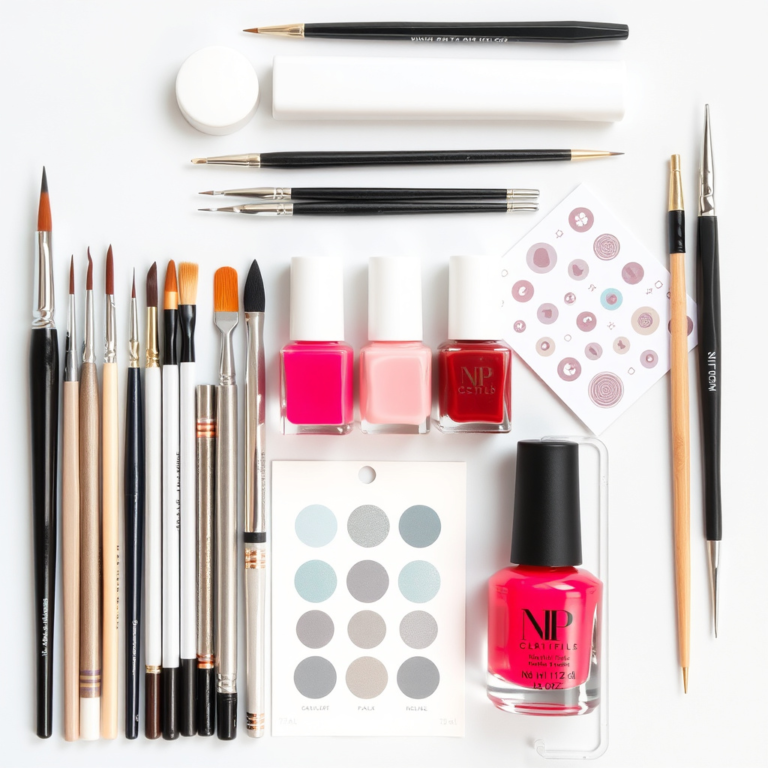
In addition to gels, a good hard gel kit should include a quality nail lamp, acrylic brushes for sculpting, nail primers, and buffers. A dust collector and proper ventilation improve comfort during use, especially in salons.
Maintaining clean brushes and correct lamp wattage are important to achieve optimal gel curing and results.
- LED or UV nail lamp matching product requirements
- High-quality nail art brushes and spatulas
- Nail primers and dehydrators for adhesion
- Buffers and dehydrators for surface prep
Health and Safety Considerations with Hard Gel Nails

Allergy and Sensitivity Risks
Some individuals may experience allergic reactions to acrylates or methacrylates found in hard gels. Symptoms include redness, itching, or swelling around the nail area. Patch testing before full application can help identify sensitivities.
Using gloves during application and proper salon ventilation minimizes exposure to uncured gel fumes and powders, increasing safety for both technicians and clients.
For more technical details on nail enhancements, including hard gel nail technology, refer to this comprehensive overview. hard gel nail technology.
Preventing Nail Damage
Overuse or improper removal of hard gel nails can lead to weakened, thin, or brittle natural nails. Patience during removal and regular breaks between sets allow nails to recover.
Moisturizing and cuticle care prevent dryness. Avoiding overly aggressive buffing and filing helps maintain natural nail integrity beneath the gel.
Comparison of Nail Enhancement Types
Here’s a side-by-side comparison of hard gel nails, acrylics, soft gels, and nail polish to highlight their key differences and uses.
| Type | Durability | Application Method | Removal | Odor | Flexibility | Typical Longevity |
|---|---|---|---|---|---|---|
| Hard Gel Nails | High | UV/LED curing of gel layers | Soak off with acetone or filing | Low | Moderate | 2-3 weeks |
| Acrylic Nails | High | Mix liquid monomer & powder polymer | Filing or soaking, can damage nails | Strong | Low | 3-4 weeks |
| Soft Gel Nails (Gel Polish) | Low | Thin gel polish cured with UV/LED | Soak off easily with acetone | Very Low | High | 1-2 weeks |
| Traditional Nail Polish | Low | Air dry liquid polish | Removes with nail polish remover | Moderate | High | 3-7 days |
Frequently Asked Questions
How long do hard gel nails typically last?
Hard gel nails usually last between 2 to 3 weeks before needing a fill or replacement, thanks to their durable and flexible polymer structure.
Are hard gel nails safe for natural nails?
Yes, when applied and removed correctly, hard gel nails are generally safe and less damaging than acrylics, though care must be taken to avoid over-filing or harsh removal.
Can I apply hard gel nails at home?
With proper tools, curing lamps, and technique, it is possible to apply hard gel nails at home, but experience and practice improve results and safety.
Do hard gel nails smell during application?
Hard gel nails emit very minimal to no odor during application compared to acrylics, making them more pleasant for sensitive users.
How do hard gel nails differ from gel nail extensions?
Hard gel nails are a type of gel nail extension that provides a solid, sculpted overlay; gel nail extensions may include soft or hard gels depending on the desired durability.
Key Takeaways
- Hard gel nails cure under UV/LED light to form a durable, flexible overlay.
- They offer a stronger, odorless alternative to acrylic nails.
- Proper application and removal are essential to preserve nail health.
- Hard gel nails provide long-lasting shine and support natural nails well.
Conclusion
Choosing a nail enhancement depends largely on the balance between strength, appearance, and nail health you want. Hard gel nails stand out by offering substantial durability with less odor and flexibility compared to acrylics. Understanding the chemical and physical properties of hard gel helps set realistic expectations for results and upkeep.
For those seeking long-lasting nail enhancements that protect natural nails without the strong smell of acrylics, hard gel nails prove an excellent choice. They suit wearers needing extra length or sculpted shapes and those who appreciate glossy, chip-resistant finishes. Meanwhile, softer gel polishes might appeal if structural support is less critical.
If you decide to try hard gel nails, start with reputable products and follow professional application and removal steps. This approach will help you enjoy beautiful, resilient nails while avoiding common pitfalls like lifting or nail damage. Regular maintenance and care will keep your nails healthy and attractive throughout your gel journey.