What Type of Hair Relaxer Is Best for Your Hair Type?
The best type of hair relaxer depends largely on your hair’s texture, condition, and your personal goals. Generally, there are three main types: lye (sodium hydroxide), no-lye (calcium hydroxide), and mild relaxers. For coarse, very curly hair, a lye relaxer can provide powerful straightening, though it requires careful handling. Those with more sensitive scalps or relaxed hair may benefit from no-lye relaxers, which are gentler yet effective.
Choosing the right hair relaxer matters because it affects not only the straightening results but also the health of your scalp and hair over time. Incorrect use can lead to damage, breakage, or scalp burns. Whether you want long-lasting straightness or a softer wave reduction, the type you pick influences styling freedom and maintenance routines.
This article covers the differences between the main hair relaxer types, their pros and cons, how to select the best option based on your hair needs, and tips for safe application. We also explore alternatives and comparisons to help you make an informed choice.
Understanding Hair Relaxer Types

Lye Relaxers: Strong and Effective
Lye relaxers contain sodium hydroxide, a powerful chemical that breaks down hair’s protein bonds for a dramatic straightening effect. They are typically best for thick, coarse, and tightly curled hair due to this strong formulation. Because the pH is quite high, lye relaxers work quickly but can irritate sensitive scalps if misapplied.
Many users prefer lye relaxers for the smooth, sleek finish they deliver. However, careful scalp protection and neutralizing shampoos are a must after treatment to prevent damage or burns.
- Quick processing time
- Suitable for very coarse hair
- Requires strict scalp care
No-Lye Relaxers: Gentler Alternative
No-lye relaxers use calcium hydroxide or similar compounds instead of sodium hydroxide, making them a milder option. They are often recommended for people with sensitive scalps or previously relaxed hair because they are less likely to cause burns and irritation.
While no-lye relaxers can leave a slight residue that may cause dryness over time, using deep conditioners regularly helps maintain hair health. They might take a bit longer to process but offer more scalp-friendly benefits.
- Gentle on sensitive scalps
- Best for fine or damaged hair
- May require more moisture treatments
Mild Relaxers and Their Uses

Mild Relaxers for Softening Waves
Mild relaxers offer a subtler straightening effect, ideal for those who want to loosen curls or soften waves without completely straightening their hair. These formulations typically have lower pH levels and contain fewer harsh chemicals.
They allow more styling versatility since they don’t fully alter the hair’s natural texture. Mild relaxers suit users who seek gradual texture change while preserving hair integrity.
- Loosens curls without full straightening
- Less risk of damage
- Good for fine or fragile hair
Choosing Mild Relaxers for Hair Health
Since mild relaxers are less aggressive, they minimize processing damage and scalp irritation. Users with chemically treated or fragile hair often prefer this type to maintain moisture and resilience.
However, using mild relaxers means maintenance frequency might be higher as the texture changes are less permanent. Pairing with moisturizing shampoos and conditioners complements their effect well.
- Maintain natural texture integrity
- Require consistent upkeep
- Enhance hair softness
Factors to Consider When Choosing the Best Hair Relaxer
Assessing Hair Type and Condition
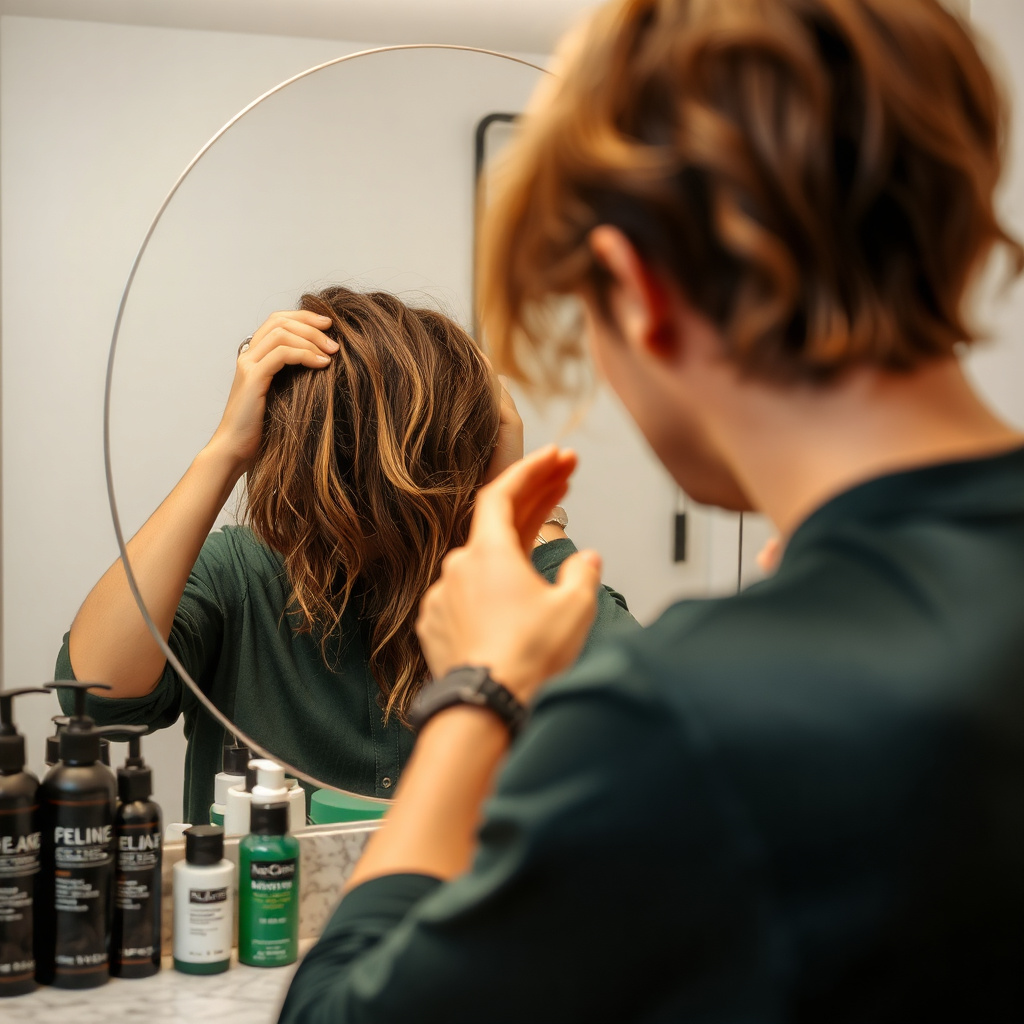
Knowing your hair type—whether coarse, fine, thick, or fragile—guides your relaxer choice. Coarse hair benefits from stronger lye relaxers, while fine or damaged hair reacts better to no-lye or mild relaxers. Assess the current health of your hair: dryness, porosity, and previous chemical treatments all matter.
Healthy hair can tolerate stronger formulas, but compromised hair requires gentler products and a more cautious approach to avoid breakage or scalp harm.
- Consider hair thickness and strength
- Evaluate scalp sensitivity
- Account for previous chemical exposure
For more on this, see our related guide: What Type of Hair Relaxer Is Best for Thick Hair: A Complete Guide.
Lifestyle and Maintenance Preferences
Your daily hair routine, styling habits, and willingness to commit to maintenance influence the best relaxer for you. Stronger relaxers may allow longer intervals between touch-ups but need immediate aftercare. Mild relaxers demand more frequent application but less risk.
Balancing convenience and hair health helps decide if fast, intense straightening or softer, manageable texture is your priority.
- Frequency of touch-ups
- Commitment to hair care treatments
- Desired styling flexibility
Application Safety and Best Practices

Preparing Your Scalp and Hair
Before applying any hair relaxer, protect your scalp by applying a barrier cream to vulnerable areas. Hair should be clean but not freshly washed to keep natural oils intact, which help guard against irritation.
Comb out tangles gently to ensure even relaxer coverage. Following package instructions closely during prep avoids uneven processing or scalp discomfort.
- Use oil or protective cream on scalp
- Avoid washing hair immediately before application
- Detangle hair thoroughly
Timing and Neutralizing Relaxers
Strictly monitor processing time to avoid over-processing and damage. Use a timer and never exceed recommended application durations based on hair texture.
Once the relaxer treatment finishes, rinse hair thoroughly and apply a neutralizing shampoo to stop chemical action and restore pH balance, which protects hair structure and scalp health.
- Adhere to manufacturer-recommended timing
- Rinse thoroughly with cool water
- Use neutralizing shampoo immediately
Alternatives to Chemical Hair Relaxers

Heat Styling for Temporary Straightening
Flat irons, blow dryers, and straightening brushes provide temporary smoothing effects without harsh chemicals. These methods allow for style versatility and reduce chemical exposure risk but require heat protection products to minimize damage.
Because results wash out with water, many prefer heat styling combined with conditioning to preserve hair health while enjoying straightened looks.
- Non-permanent smoothing
- Requires heat protectants
- Flexibility in styling
For more on this, see our related guide: How to Condition Relaxed Hair: Essential Tips for Soft, Manageable Results.
Keratin Treatments and Relaxer Alternatives
Keratin treatments smooth hair by sealing protein onto strands, decreasing frizz and softening curls without breaking bonds chemically like relaxers. Though not permanent, they last several weeks and restore shine.
These treatments suit those seeking smoother hair with less damage risk but may include formaldehyde derivatives, so professional application is advised.
- Semi-permanent smoothness
- Reduces frizz and waviness
- Professional application recommended
Choosing the Best Hair Relaxer Brands

Trusted Brands Known for Quality
Brands like Dark and Lovely, Mizani, and SoftSheen-Carson have long been popular among those seeking reliable lye and no-lye relaxers. Their products often come with variations tailored to different hair types and sensitivities, backed by formulas refined over years.
Selecting reputable brands ensures safety standards, consistent performance, and availability of aftercare products that work in sync with the relaxer type.
- Wide selection for varied textures
- Backed by industry experience
- Includes supportive hair care lines
For a thorough overview of hair relaxer history and chemistry, see hair relaxing on Wikipedia. Hair relaxing on Wikipedia.
Evaluating Product Ingredients and Reviews
Reading ingredient lists helps avoid harsh additives or allergens. Look for relaxers with moisturizing agents or oils to mitigate drying effects. User reviews provide real-world feedback on effectiveness and sensitivity concerns.
Choosing formulations free of parabens, sulfates, and unnecessary fillers reduces risk of irritation and dryness, aligning with healthier hair goals.
- Check for conditioning ingredients
- Avoid harsh chemicals
- Consult user feedback
Types of Hair Relaxers Compared
This table outlines key features and typical uses of different hair relaxer types to help you compare options side-by-side.
| Relaxer Type | Active Ingredient | Suitable Hair Type | Processing Time | Pros | Cons |
|---|---|---|---|---|---|
| Lye Relaxer | Sodium Hydroxide | Coarse, Very Curly | 10-20 minutes | Strong straightening, quick results | Can irritate scalp; harsh chemicals |
| No-Lye Relaxer | Calcium Hydroxide | Sensitive Scalps, Fine Hair | 15-30 minutes | Gentler, less scalp irritation | May cause dryness; longer processing |
| Mild Relaxer | Lower pH Chemicals | Fine or Fragile Hair | 20-40 minutes | Softens waves, minimal damage | Requires frequent application |
| Keratin Treatment | Keratin Protein | All Hair Types | 1-2 hours | Smooths hair, reduces frizz | Not permanent, may contain formaldehyde |
| Heat Styling | No Chemicals | All Hair Types | Varies | Temporary styling, no chemicals | Can cause heat damage if not careful |
Frequently Asked Questions
Can I switch from a lye relaxer to a no-lye relaxer safely?
Yes, switching from lye to no-lye relaxers is possible but should be done cautiously with time between treatments to avoid damage. Consulting a professional stylist helps ensure safe transitioning.
How often should I relax my hair to prevent damage?
Typically, relaxing hair every 8-12 weeks helps maintain straightness while allowing time for new growth and recovery between treatments to minimize damage.
Is it safe to relax hair at home without professional help?
While home kits exist, improper application can cause burns or uneven results. It’s safer to seek professional assistance, especially if relaxing for the first time or using stronger relaxers.
What are the signs that my scalp is reacting badly to a relaxer?
Redness, burning sensation, excessive itching, or blistering after application indicate irritation or chemical burns, and you should rinse immediately and seek medical attention if severe.
Can relaxers repair damaged hair?
No, relaxers do not repair damage; they chemically alter hair texture. Using moisturizing treatments and protein conditioners after relaxing helps improve hair health.
Key Takeaways
- Choose hair relaxers based on your hair texture and scalp sensitivity for best results.
- Lye relaxers offer strong straightening but require careful scalp protection.
- No-lye and mild relaxers are gentler alternatives suitable for fine or fragile hair.
- Proper application timing and neutralizing are essential to prevent damage.
Conclusion
Selecting what type of hair relaxer is best involves balancing your hair’s current health, texture, and your personal styling goals. Strong relaxers like lye formulas work well for thick, coarse hair but require diligent scalp care. Gentler no-lye or mild relaxers suit fine or sensitive scalps and those desiring less drastic changes. Taking time to evaluate your hair’s needs, reading product details, and considering your maintenance ability leads to a better, safer outcome.
For individuals with very curly or coarse hair wanting sleek, long-lasting straightness, a lye relaxer from trusted brands like Dark and Lovely or Mizani may be the best pick. Those with delicate or already chemically-treated hair might find no-lye or mild relaxers more compatible to maintain hair integrity while easing curl patterns. Alternative options like keratin treatments or heat styling offer temporary straightening without chemical alteration, ideal for those experimenting with texture or avoiding potential chemical damage.
Before beginning any relaxer treatment, a patch test and a consultation with a hairstylist can prevent poor results. Post-application, consistent moisturizing and protein treatments extend hair strength and shine. Prioritize safe application practices and choose formulas tailored to your hair’s unique characteristics to keep your hair looking healthy and vibrant while enjoying the styling benefits of the best hair relaxer for your needs.


One Comment