What Type of Hair Relaxer Is Best for Thick Hair: A Complete Guide
For thick hair, the type of hair relaxer that works best is a strong or super strength relaxer formulated to penetrate dense strands effectively while minimizing breakage. These relaxers typically contain higher concentrations of active ingredients like sodium hydroxide or calcium hydroxide to soften the strong bonds in thick, coarse hair.
Thick hair has a heavier keratin structure that requires a more potent relaxer to straighten properly, compared to fine or medium hair types. Choosing the right relaxer strength and formula matters because using a formula too weak may leave the hair uneven or frizzy, while overly harsh relaxers can cause damage or scalp irritation. Formulations designed specifically for coarse or thick hair help balance effectiveness with hair health.
This article covers different types of hair relaxers suitable for thick hair, details about their chemical compositions, usage techniques, product recommendations, safety tips, and answers common questions. You'll learn which relaxer options are best for your texture and how to care for your hair afterward.
Understanding Hair Relaxers and Their Strengths

Types of Hair Relaxers
Hair relaxers mainly fall into three categories based on their chemical composition: sodium hydroxide (lye), calcium hydroxide (no-lye), and ammonium thioglycolate (thio). Sodium hydroxide relaxers are the strongest and work quickly, often recommended for thick, coarse hair because they break down keratin bonds effectively.
No-lye relaxers with calcium hydroxide are gentler and preferred by those with sensitive scalps, but they may require longer processing times or repeated applications for thick hair. Thio relaxers are less common for hair straightening and more often used for perms. Understanding these types helps in selecting the right relaxer strength for thick hair.
Relaxer Strength Levels
Relaxers come in mild, regular, and super strength forms. Mild relaxers suit fine or previously relaxed hair, regular relaxers fit most hair types, and super strength relaxers target thick, coarse hair needing more potent formulas.
For thick hair, super strength relaxers are generally recommended to achieve smooth, straight results without excessive reapplications. However, they should be used carefully to avoid scalp irritation or hair damage.
- Mild: For fine or delicate hair
- Regular: For normal hair textures
- Super strength: For thick, coarse hair
Choosing the Best Hair Relaxer Formula for Thick Hair

Lye vs. No-Lye Relaxers for Thick Hair
Lye relaxers contain sodium hydroxide and offer the strongest straightening action. They penetrate thick hair quickly and effectively but require careful application and neutralizing afterward to prevent scalp burns.
No-lye relaxers use calcium hydroxide combined with guanidine carbonate. While gentler on the scalp, they may leave a calcium buildup that can dry out thick hair if overused. Many with coarse hair prefer lye relaxers for their superior smoothing effect.
Cream vs. Liquid Relaxers
Cream relaxers provide controlled application, reducing the chance of scalp irritation. They stay on hair in a thick layer, ideal for beginners or those with sensitive scalps.
Liquid relaxers spread more easily and are often faster acting, making them better suited to professionals experienced in treating thick hair. They require prompt handling to avoid overprocessing.
Application and Aftercare Tips for Thick Hair

Safe Application Techniques for Thick Hair
When using a relaxer on thick hair, apply section by section, starting at the scalp and working toward the ends. Monitor processing time carefully because thick hair may need more time but exceeding recommended timings increases damage risk.
Use protective creams around the hairline and scalp, and always perform strand tests beforehand. It's also advisable to wait 8-12 weeks between relaxer treatments on thick hair to prevent overprocessing.
- Apply in small partings for even coverage
- Use protective barrier cream
- Follow timing guidelines strictly
For more on this, see our related guide: How to Do an Aloe Vera Hair Mask for Healthier, Shinier Hair.
Post-Relaxer Hair Care
After relaxing thick hair, moisturizing and protein treatments help restore balance to weakened strands. Use sulfate-free shampoos and hydrating conditioners to maintain softness and shine.
Regular deep conditioning at least once a week is key, as well as minimizing heat styling to avoid additional stress. Protective hairstyles and gentle handling prolong the smoothness achieved by the relaxer.
- Moisturize regularly
- Use protein treatments
- Avoid heat styling when possible
Top Hair Relaxer Brands for Thick Hair
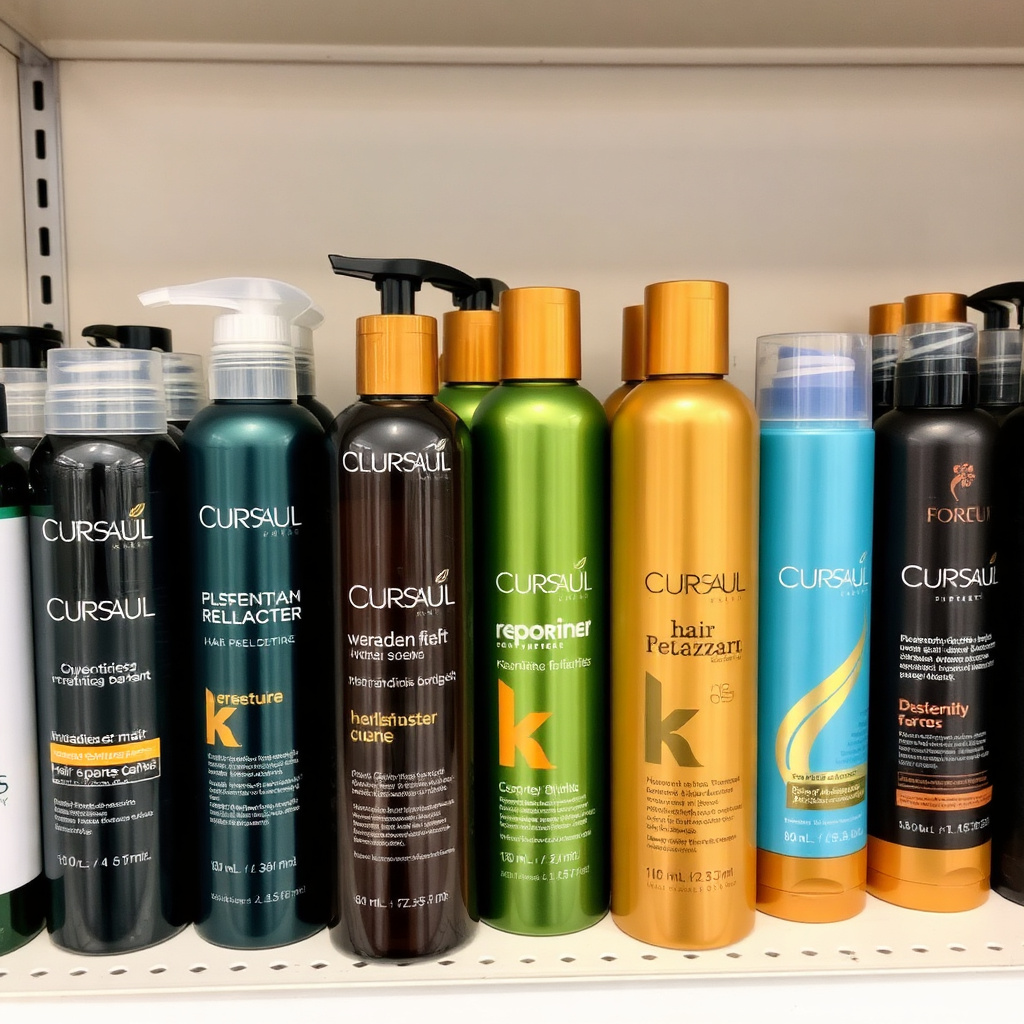
Popular Lye Relaxers
Salon Care and SoftSheen-Carson Optimum Care are well-regarded lye relaxers favored for thick hair due to their fast and effective straightening capabilities.
These brands include protective conditioners and are formulated to reduce scalp irritation, making them favorites among experienced users.
Trusted No-Lye Relaxers
ORS Olive Oil and Dark and Lovely have popular no-lye options for thick hair that emphasize gentle formula ingredients and added moisturizers to counteract drying effects.
They are often a preferred choice for users with sensitive scalps or those seeking a balance between straightening and hair health.
Common Mistakes to Avoid with Thick Hair Relaxers

Avoid Overprocessing
Giving thick hair too long a relaxer processing time can cause brittle strands, breakage, and scalp burns. Always observe manufacturer timing guidelines and perform strand tests.
Reapplying relaxer too soon after previous treatment also compromises hair integrity. Patience is essential to maintain hair health.
For more on this, see our related guide: How to Moisturize Hair After a Relaxer for Lasting Softness and Shine.
Do Not Skip Strand Testing
Skipping strand tests can lead to uneven texture or unexpected reactions, especially with thick hair which responds differently than finer hair.
A strand test reveals how long your hair can safely process and if there might be sensitivity issues, helping you tailor application timing and product selection.
Alternatives to Chemical Relaxers for Thick Hair

Thermal Reconditioning
Thermal reconditioning offers a less chemically intensive method to straighten thick hair by combining heated irons with conditioning treatments to break and rebuild hair bonds.
This approach can produce sleek, long-lasting results but often requires professional application and careful maintenance.
For detailed chemical background and history, you can refer to this Hair Relaxer information on Wikipedia. Hair Relaxer information on Wikipedia.
Keratin Treatments
Keratin treatments smooth thick hair by infusing protein-based formulas that relax curls and reduce frizz without fully breaking hair bonds.
These treatments typically last a few months and are gentler than relaxers but may not achieve the same level of straightness desired by some.
Hair Relaxer Types Comparison for Thick Hair
This comparison summarizes key differences among common hair relaxer types to help identify the best option for thick hair.
| Relaxer Type | Main Ingredient | Strength Level | Scalp Sensitivity | Effectiveness for Thick Hair |
|---|---|---|---|---|
| Lye Relaxer | Sodium Hydroxide | Super Strength | Medium to High | High – Fast Acting |
| No-Lye Relaxer | Calcium Hydroxide + Guanidine Carbonate | Regular to Super | Low to Medium | Moderate – Gentler but Slower |
| Thio Relaxer | Ammonium Thioglycolate | Mild to Regular | Low | Low – Primarily for Perming |
| Thermal Reconditioning | Heat & Conditioning Agents | N/A | Low | Moderate – Long Lasting |
| Keratin Treatment | Protein Formulation | N/A | Low | Moderate – Less Straightening |
Frequently Asked Questions
Can thick hair be relaxed at home safely?
Relaxing thick hair at home is possible but requires careful application, strict timing, and protective measures to avoid damage. Strand testing and following product instructions precisely are essential for safety.
How often should I relax thick hair?
It’s best to relax thick hair every 8 to 12 weeks to prevent overprocessing and breakage. Longer intervals allow hair recovery and maintain healthy texture.
Is a lye or no-lye relaxer better for thick hair?
Lye relaxers tend to be more effective and faster for thick hair, but no-lye relaxers are gentler on sensitive scalps. The choice depends on hair condition and scalp sensitivity.
What aftercare is needed after relaxing thick hair?
Aftercare includes moisturizing, protein treatments, gentle cleansing, and avoiding excessive heat styling to maintain strength and softness in relaxed thick hair.
Can keratin treatments replace relaxers for thick hair?
Keratin treatments smooth thick hair but don’t fully straighten it like relaxers. They offer a gentler alternative for frizz control but may not satisfy if straightness is the priority.
Key Takeaways
- Super strength relaxers best suit thick hair for effective straightening.
- Lye relaxers act faster but require careful handling.
- Post-relaxer moisturizing and protein treatments are crucial.
- Strand tests and proper timing reduce damage risks.
Conclusion
Deciding on the best type of hair relaxer for thick hair centers on balancing effectiveness with hair and scalp health. Thick hair’s dense keratin bonds require more potent formulas, usually super strength lye relaxers, to achieve the desired straightness. However, the strength used should always respect the hair’s condition and scalp sensitivity to avoid damage. Applying relaxers with precision, conducting strand tests, and adhering to timing guidelines will support safe, successful outcomes that maintain the integrity of the hair.
Among the options, lye relaxers provide rapid, strong straightening results favored by those with coarse, thick hair, while no-lye relaxers serve well for those prioritizing gentler treatments despite requiring longer processing. Cream relaxers are advisable for controlled application, especially for beginners or sensitive scalps, whereas liquid relaxers suit skilled users comfortable with faster applications. Alternatives like thermal reconditioning and keratin treatments offer chemical-light choices but usually don’t fully relax thick hair. Post-relaxer care including hydrating and protein treatments are vital in preserving hair health and aesthetics.
If your goal is smooth, straight hair and you have thick strands, choosing a super strength lye or no-lye cream relaxer with proper technique is a reliable path. Begin with a strand test to set timing safely and follow up with moisturizing routines. For those wary of chemicals, exploring keratin or thermal options may fit lifestyle preferences but may require multiple treatments to mimic relaxer effects. Consulting a professional stylist familiar with thick hair textures can provide customized guidance and application for best results.



One Comment