Can You Use Hair Clippers on Wet Hair? Expert Insights and Best Practices
Using hair clippers on wet hair is generally not recommended because most clippers are designed for dry hair. Moisture can cause the blades to clog, rust, or malfunction, and can lead to uneven cutting or pulling of hair.
Many people wonder if clipping damp or wet hair is safe or effective. While some wet/dry clippers exist, standard models can struggle with the moisture. Understanding the difference can help you avoid damaging your device and achieve a cleaner cut.
This article will clarify when using hair clippers on wet hair is appropriate, review types of clippers suited for damp cutting, and share tips on how to prepare hair and maintain your tools for the best results.
Understanding Hair Clippers and Moisture

How Traditional Clippers Handle Wet Hair
Most conventional hair clippers rely on metal blades designed to cut dry hair efficiently. When used on wet hair, moisture can cause hair strands to stick together, making the clipper less effective and causing uneven trims.
Additionally, water can get into the motor housing or between the blades, increasing the risk of rust, reduced motor lifespan, and blade dullness over time.
Wet/Dry Clippers: Features and Benefits
Some modern clippers are explicitly designed for wet or dry use. These models typically feature waterproof motor units and stainless-steel or corrosion-resistant blades to handle moisture without damage.
Wet/dry clippers can allow trimming of damp hair and are often cordless with sealed batteries, making them more versatile for grooming in the shower or steam environments.
Risks of Using Hair Clippers on Wet Hair

Potential Damage to Clippers and Blades
Hair clippers not designed for wet use can develop rust and corrosion on metal parts due to trapped moisture, damaging blades permanently.
Water infiltration can affect the motor’s electronic components, potentially causing short circuits or reducing performance and durability.
- Rusting blades
- Motor failure
- Blade dullness
- Warranty voidance in some cases
Hair and Skin Concerns
Cutting wet hair may cause hairs to clump and stretch, resulting in a choppy cut or uneven length.
Also, wet hair tends to appear longer, which can mislead the clipper user and cause unintended shorter cuts when hair dries.
Additionally, clippers pulling at wet strands can irritate sensitive skin.
Techniques for Using Hair Clippers on Damp Hair

Preparing Damp Hair for Clipping
If clipping damp hair, towel dry hair as much as possible to reduce moisture levels. Comb or brush through the hair to detangle and separate strands.
Using a spray bottle, lightly misting hair instead of wetting fully helps maintain manageability without excess water.
- Towel dryness recommended
- Use wide-tooth combs
- Light misting instead of soaking
- Avoid dripping wet hair
For more on this, see our related guide: Wahl vs Andis: Which Is Better for Your Grooming Needs?.
Adjusting Clipper Settings for Wet Hair
Choose longer guard lengths to avoid pulling damp hair too close and uneven cuts. Slower clipper speeds can help maintain control and reduce tugging.
Cleaning blades more frequently during use prevents clogs caused by wet hair buildup.
- Use longer guards
- Slow clipper speed
- Regular blade cleaning
Choosing the Right Hair Clippers for Wet Hair

Features to Look For in Wet Hair Clippers
Look for waterproof or water-resistant housing, rust-resistant stainless steel blades, and sealed battery compartments when selecting clippers for wet hair.
Cordless designs offer flexibility in wet environments and minimize risk by keeping electrical cords away from water.
- Waterproof casing
- Stainless steel blades
- Cordless operation
- Easy blade removal for cleaning
Popular Brands and Models for Wet Hair
Brands like Philips Norelco, Wahl, and Panasonic provide models specifically rated for wet usage, often marked as wet/dry or waterproof clippers.
These models balance performance and durability to work effectively on damp hair without risk to the tool or user.
Cleaning and Maintaining Clippers Used on Wet Hair

Proper Cleaning After Wet Hair Use
Immediately after use on wet or damp hair, remove loose hair from blades using a brush or cloth.
For waterproof models, rinse blades under running water, then dry thoroughly to prevent corrosion.
- Brush detachable blades
- Rinse if waterproof
- Dry blades completely
- Apply clipper oil regularly
For more on this, see our related guide: How to Choose the Best Cordless Clipper for Precise and Convenient Grooming.
Maintenance Tips to Prolong Clipper Life
Lubricate the blades frequently to prevent rust and keep cutting smooth. Store clipper in a dry place and avoid leaving it plugged in near water sources.
Replace blades and parts as needed to maintain peak blade sharpness and motor function.
Alternatives to Using Clippers on Wet Hair
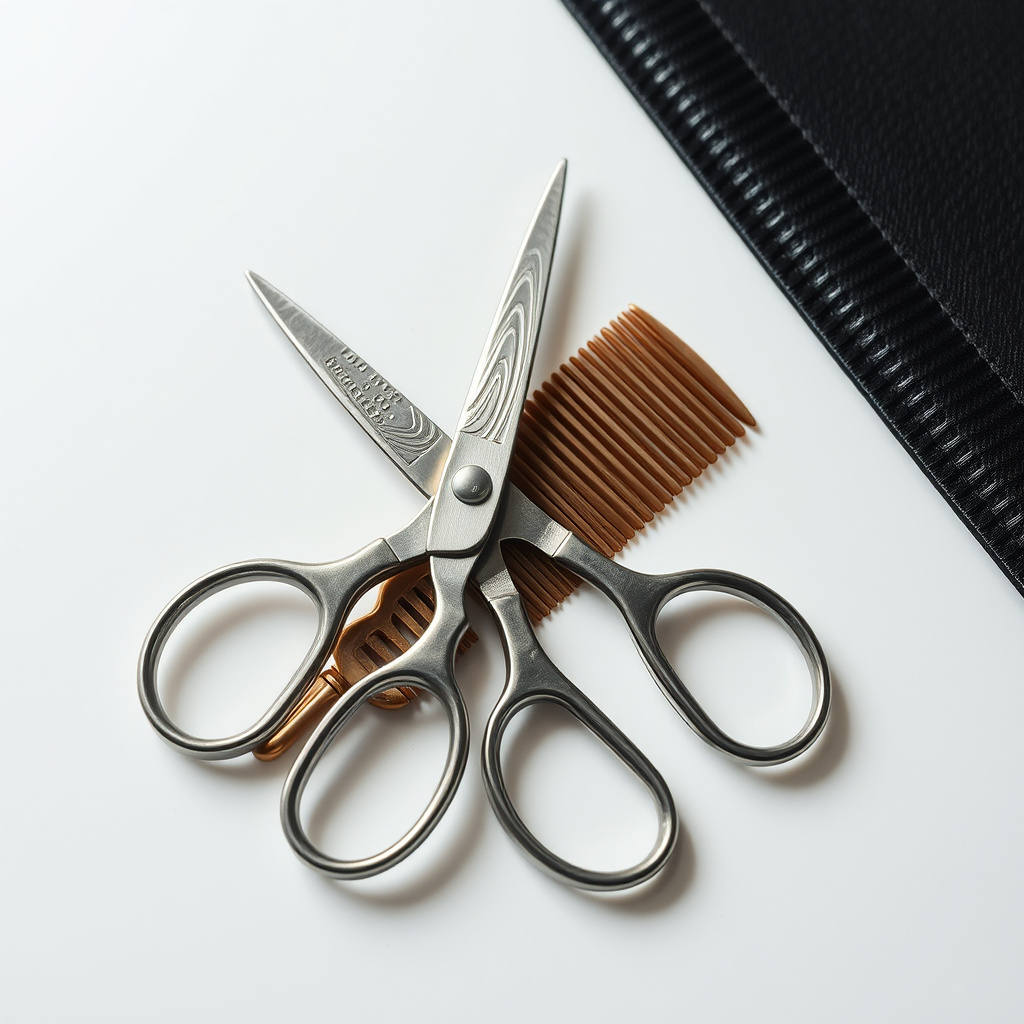
Using Scissors and Combs for Wet Hair Trimming
Scissors provide safe, precise trimming for wet hair without risking machine damage. Barbers often use scissors on damp hair for detailed cuts and layering.
Combs help separate hair evenly, allowing careful control over length and style.
- Gentle on wet strands
- Avoids clipper motor exposure to water
For more technical details about hair clippers and their history, visit the Hair clipper Wikipedia page. Hair clipper Wikipedia page.
Dry Cutting Techniques for Best Results
Cutting hair dry gives a more accurate view of final length and shape, ideal for clipper use. Hair is less prone to sticking together, allowing smoother, cleaner cutting.
Dry clipping reduces risk of accidental cuts or uneven lengths caused by hair shrinkage when drying.
Hair Clipper Types for Wet Hair Comparison
This table compares key features of different hair clipper types for use on wet hair.
| Clipper Type | Water Resistance | Blade Material | Cordless Feature | Best For |
|---|---|---|---|---|
| Standard Clippers | Low | Stainless Steel | Often Corded | Dry hair only |
| Wet/Dry Clippers | High | Corrosion-Resistant Stainless Steel | Mostly Cordless | Wet and dry hair |
| Cordless Clippers | Medium | Stainless Steel with Coating | Yes | Dry and lightly damp hair |
| Professional Barber Clippers | Varies | High-Grade Stainless Steel | Corded or Cordless | Precision dry hair cutting |
| Trimmers for Wet Hair | High | Waterproof Blades | Usually Cordless | Detail trimming on wet hair |
Frequently Asked Questions
Can all hair clippers be used on wet hair?
No, most hair clippers are designed for dry hair. Only models specifically labeled as wet/dry or waterproof should be used on wet hair to avoid damage.
What happens if I use regular clippers on wet hair?
Using regular clippers on wet hair can cause rusting of blades, clogging, and motor damage, resulting in poor performance and potential tool failure.
Is it better to cut hair wet or dry with clippers?
Generally, cutting hair dry with clippers is better for an even cut. Wet hair can stick together and appear longer, leading to an uneven or shorter than intended cut.
How should I maintain clippers used on wet hair?
After use, clean clippers by removing hair, rinsing if waterproof, drying blades thoroughly, and applying oil regularly to prevent rust and keep blades sharp.
Can I use scissors instead of clippers on wet hair?
Yes, scissors are often preferred for trimming wet hair because they don’t risk electrical damage and allow precise control over wet strands.
Key Takeaways
- Most hair clippers are not suited for wet hair use unless specifically designed as wet/dry models.
- Cutting hair dry with clippers yields more accurate and cleaner results.
- Wet/dry clippers offer waterproof features and corrosion-resistant blades for damp hair trimming.
- Proper cleaning and blade lubrication prolong the life of clippers used on wet hair.
Conclusion
Determining whether you can use hair clippers on wet hair depends primarily on the clipper design. While most traditional clippers should only be used on dry hair to prevent blade rust and motor damage, some models are built for wet or damp hair trimming. Inspecting your clipper’s specifications and understanding the risks helps you make an informed choice to protect your tools and achieve a clean cut.
For those wanting to trim damp hair, investing in wet/dry clippers with corrosion-resistant blades and waterproof housing is recommended. These versatile clippers allow grooming in moist environments, such as after showering. Alternatively, scissors provide a gentle option for cutting wet hair without risking electrical issues. If you prefer dry cutting, longer guards and slow speeds improve comfort and control, reducing uneven results.
Ultimately, adapting to your hair type and clipper capabilities will produce the best outcomes. Begin by testing your device cautiously on towel-dried hair and follow with diligent cleaning and maintenance to prolong longevity. Exploring specialized wet/dry clippers or consulting professional advice can help find the perfect tool tailored to your grooming needs.