Are Ceramic Blades Better Than Steel Blades? A Detailed Comparison
Ceramic blades offer distinct benefits compared to traditional steel blades, especially in terms of edge retention and corrosion resistance. They maintain sharpness much longer and resist rusting, making them advantageous in certain cutting tasks where precision and durability matter.
While steel blades remain popular for their toughness and versatility, ceramic blades bring a unique set of properties suited for specialized uses. They weigh less, offer high hardness, and don't transfer metal odors or flavors, which is why they are favored in culinary and craft applications.
This article explores how ceramic blades stack up against steel blades by examining material composition, durability, maintenance, and practical use cases. By understanding these factors, you can decide which blade type fits your needs best.
Material Composition and Hardness Differences

What Ceramic Blades Are Made Of
Ceramic blades are primarily made of zirconium dioxide, a very hard and brittle material. This composition allows them to achieve a Vickers hardness roughly twice that of most steel blades, which contributes to their exceptional edge retention but also means they can chip or break under impact.
Because they are non-metallic, ceramic blades do not conduct electricity and resist chemical corrosion better than steel. However, their rigidity requires careful handling due to susceptibility to cracking.
- Typically made from zirconium dioxide (zirconia)
- Very hard yet brittle
- Non-conductive and corrosion-resistant
Steel Blade Material Properties
Steel blades vary widely depending on alloy content but generally offer greater toughness and flexibility than ceramic. Hardened steel alloys balance sharpness, strength, and impact resistance, making them suitable for diverse tasks with less risk of breaking.
Steel can rust or corrode if not maintained but is easier to sharpen and reshape compared to ceramic blades. The material’s ductility allows it to tolerate bending and rough handling.
- Composed of iron alloy with carbon and other elements
- Balanced hardness with toughness and flexibility
- Prone to corrosion if not cared for properly
Performance and Durability of Ceramic Blades

Sharpness and Edge Retention
Ceramic blades excel in holding a razor-sharp edge significantly longer than steel due to their superior hardness. This means less frequent sharpening is needed, benefiting precision cutting and fine work.
However, sharpness advantage diminishes if the blade chips or cracks, which can occur more easily if used improperly or dropped.
- Lasts months to years without sharpening
- Ideal for precision tasks requiring sharp edges
Fragility and Chipping Concerns
The brittle nature of ceramic means it can chip or shatter if exposed to lateral force, twisting, or blunt impact. Users must avoid cutting bones or hard objects that can damage the blade.
This fragility restricts their use to lighter tasks where steel blades can handle more rugged conditions without damage.
- Avoid twisting or impact to prevent chips
- Not suited for heavy-duty cutting tasks
Maintenance and Care for Ceramic and Steel Blades

How to Care for Ceramic Blades
Ceramic blades require minimal maintenance since they resist rust and stains. Cleaning with mild detergents and gentle handling are sufficient. However, sharpening ceramic needs specialized diamond-dust sharpeners or professional services due to their hardness.
Improper sharpening attempts can chip the edge or reduce blade life, so many users prefer professional sharpening.
- Wipe clean with soft cloth and gentle soap
- Use diamond-sharpening tools professionally
For more on this, see our related guide: Are Cordless Clippers as Good as Corded? A Detailed Comparison.
Maintaining Steel Blades
Steel blades need more frequent sharpening to retain cutting performance and some preventative care to avoid rust. Oiling, drying thoroughly, and storing in dry conditions prolong steel blade life.
Sharpening steel can be done with common whetstones or honing tools, often doable at home without special equipment.
- Regular sharpening and honing required
- Prevent rust with drying and oiling
Practical Applications and User Suitability

Best Uses for Ceramic Blades
Ceramic blades are excellent for slicing fruits, vegetables, and boneless proteins where sharp precision and clean cuts enhance presentation and texture. They are also favored in medical and electronic device manufacturing due to non-conductivity and resistance to contamination.
Their light weight reduces fatigue during delicate tasks but limits heavy chopping or prying.
- Ideal for kitchen prep of soft foods
- Used in specialty industrial applications
Where Steel Blades Excel
Steel blades dominate general-purpose cutting due to versatility and resilience. From hunting knives to heavy-duty outdoor tools, steel handles impacts and rough use that ceramic simply cannot tolerate.
For tasks involving bones, frozen foods, or saw-like cuts, steel blades remain preferred.
- Versatile for almost all cutting jobs
- Handles tough and rugged materials
Cost Comparison and Value Over Time
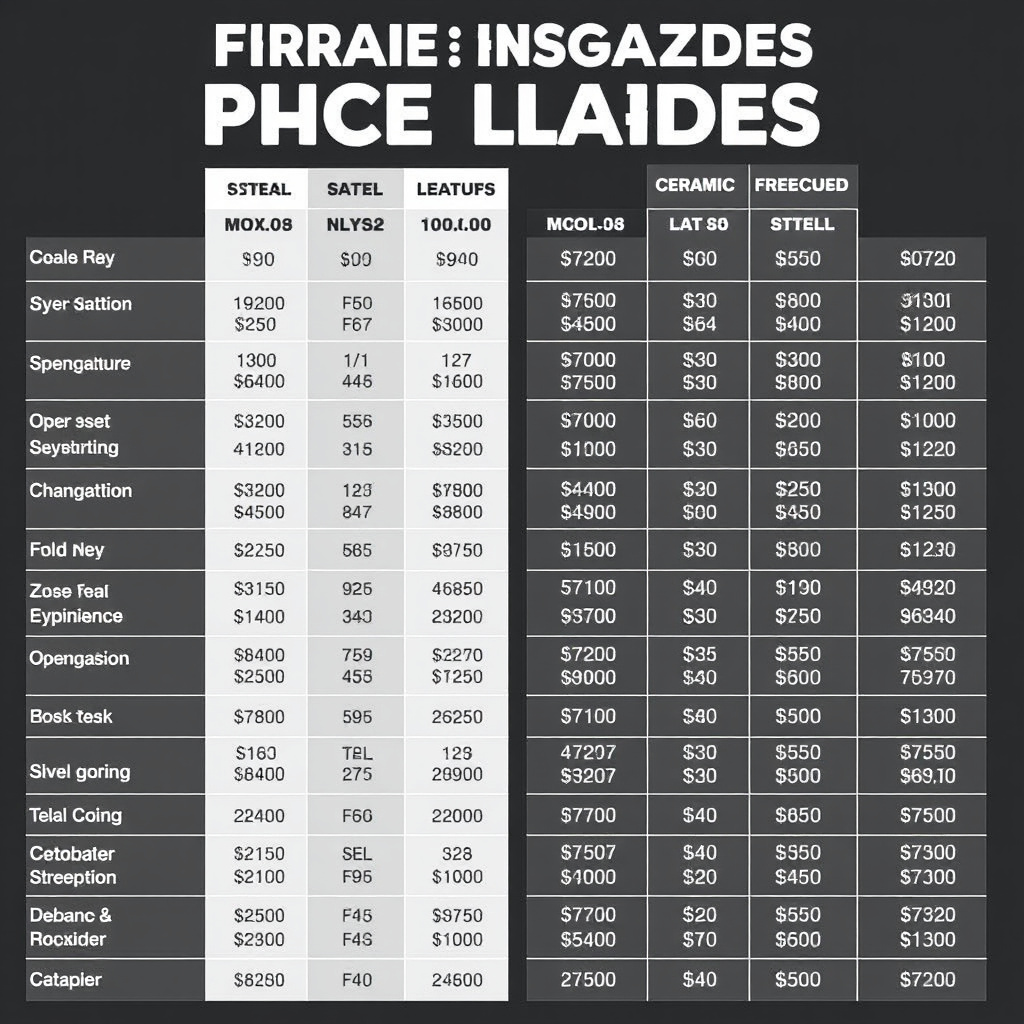
Pricing Trends of Ceramic Blades
Ceramic blades generally come at a higher upfront cost due to manufacturing complexity and advanced materials. While pricier initially, their long edge life can offset costs if used carefully and maintained properly.
Replacement blades might be needed more frequently if mishandled, impacting overall cost-effectiveness.
- Higher initial purchase price
- Potential savings on less frequent sharpening
For more on this, see our related guide: Which Clipper Is the Quietest? A Guide to Low-Noise Hair Clippers.
Steel Blade Affordability
Steel blades offer a broad price range depending on alloy quality and craftsmanship. Basic steel knives are inexpensive but demand more upkeep, while premium steels with specialized coatings cost more but deliver longer service life with proper care.
Frequent sharpening and maintenance expenses should be considered for long-term value.
- Wide price range to suit budgets
- Ongoing maintenance costs
Environmental and Safety Considerations

Safety Tips for Ceramic Blades
Despite sharpness, ceramic blades require careful handling due to brittleness; accidental breaks can cause sharp shards. Users should avoid rough use, keep blades away from children, and dispose of damaged ceramics safely to prevent injury.
Using blade guards and protective covers prolongs safety and blade life.
- Avoid bending or twisting motions
- Store with protective covers
For additional technical details on ceramic blades, the Ceramic knife Wikipedia article provides extensive information. Ceramic knife Wikipedia article.
Environmental Impact of Both Materials
Ceramic blades are inert and generally environmentally friendly though difficult to recycle compared to steel. Steel blades can be recycled easily and have a long lifecycle if maintained properly. Resource use and end-of-life disposal differ widely between the two.
Choosing recyclable steel or responsibly sourced products benefits sustainability.
- Steel is highly recyclable
- Ceramic recycling is limited
Ceramic Blades vs Steel Blades: Category Comparison
The table below compares key factors to help determine which blade type suits your specific needs.
| Category | Ceramic Blades | Steel Blades |
|---|---|---|
| Hardness | Extremely hard (Zirconia, ~1600 HV) | Moderate hardness (55-64 HRC depending on alloy) |
| Edge Retention | Excellent – retains sharpness for months | Moderate – requires frequent sharpening |
| Durability | Fragile – prone to chipping and cracking | Tough and impact resistant |
| Weight | Lightweight and easy to handle | Heavier and more robust |
| Corrosion Resistance | Highly resistant, does not rust | Prone to rust without care |
| Maintenance | Low cleaning needs, difficult sharpening | Needs regular sharpening and rust prevention |
| Cost | Higher upfront cost | Wide range, generally less expensive upfront |
Frequently Asked Questions
Can ceramic blades cut through bones like steel blades?
No, ceramic blades are brittle and likely to chip or crack when cutting bones. Steel blades are better suited for tougher tasks involving bones or frozen foods due to their flexibility and toughness.
Are ceramic blades safe to use in the kitchen?
Yes, ceramic blades are safe when used properly for slicing soft foods. However, they require careful handling to avoid dropping or twisting, which can cause damage or injury.
How often do ceramic blades need sharpening compared to steel blades?
Ceramic blades retain their sharp edge significantly longer, often requiring sharpening only after months or even years of typical use, whereas steel blades need more frequent sharpening to maintain performance.
Is it difficult to sharpen ceramic blades?
Yes, sharpening ceramic blades requires specialized diamond-dust tools or professional services due to their extreme hardness. Attempting to sharpen them with conventional methods can damage the blade.
Do ceramic blades rust or corrode like steel blades?
No, ceramic blades are highly resistant to rust and corrosion because they are non-metallic. Steel blades can rust if not properly dried and maintained.
Key Takeaways
- Ceramic blades excel at sharpness retention but are brittle and prone to chipping.
- Steel blades offer greater toughness, flexibility, and versatility for heavy-duty tasks.
- Maintenance differs: easy cleaning but difficult sharpening for ceramic; frequent sharpening and rust prevention for steel.
- Choosing between ceramic and steel blades depends on the specific cutting needs and handling preferences.
Conclusion
When deciding whether ceramic blades are better than steel blades, consider how you intend to use the blade. Ceramic blades provide exceptional sharpness and corrosion resistance, ideal for precise, light tasks. Steel blades, by contrast, deliver durability and resilience for tougher, more varied cutting jobs. Balancing these factors against cost and maintenance helps clarify which blade suits your lifestyle or professional demands.
For kitchen users primarily slicing fruits, vegetables, or boneless meats, ceramic blades offer long-lasting sharpness and a clean cut with less effort on upkeep. Steel blades remain preferred for butchery, outdoor, or industrial applications where impact resistance is essential. Both types have a place depending on task demands—the advantages of ceramic blades shine in specialized roles, while steel's versatility supports heavier workload scenarios.
If you want to experiment, try a ceramic blade for controlled, gentle tasks alongside a reliable steel blade for heavier cutting. Pay attention to care instructions for each to extend blade life. Ultimately, your choice should align with how you use your blades regularly, making the best match for durability, performance, and maintenance requirements.