Are Cheap Hair Clippers Worth It? An Honest Guide to Budget Grooming Tools
Cheap hair clippers can be worth it if your grooming needs are basic and infrequent, but they often sacrifice durability, motor strength, and consistent cutting performance. For casual users or beginners, inexpensive models provide a cost-effective way to maintain hair at home without a steep investment.
Choosing affordable clippers matters because hair cutting tools vary widely in reliability and quality. While budget clippers offer accessibility and quick trims, they usually have shorter lifespans and may require more maintenance such as blade cleaning and oiling. Understanding what compromises you accept helps avoid frustration and wasted money.
This article explores the key factors that determine whether cheap hair clippers deliver value, including their build quality, motor type, blade sharpness, and ergonomics. We’ll also compare different clipper categories, review common drawbacks, and provide usage tips so you can decide if a budget option suits your grooming routine.
Understanding Hair Clipper Quality and Performance
Motor Types and Their Impact on Cutting
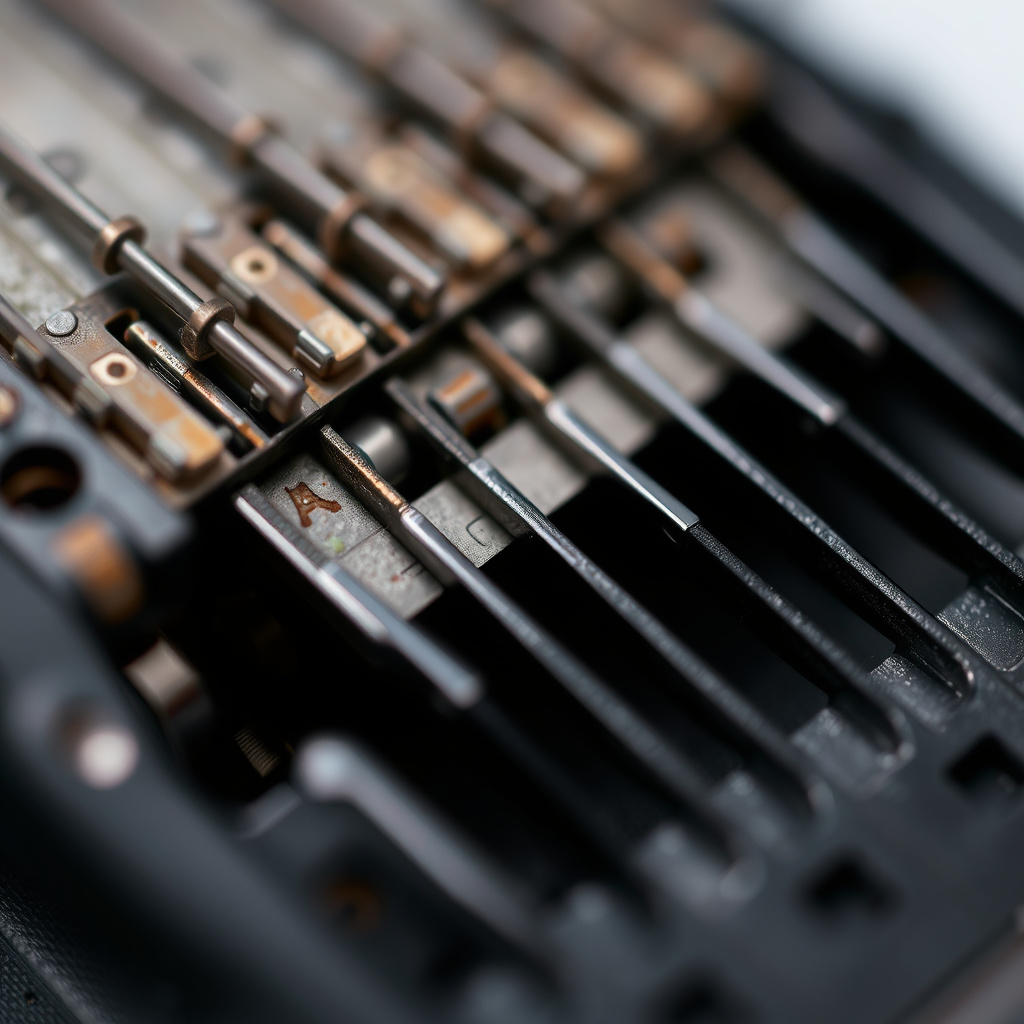
Hair clippers commonly feature rotary, magnetic, or pivot motors, each impacting cutting power and noise levels. Cheap hair clippers often use magnetic or pivot motors that can lack the torque needed for thick or coarse hair, resulting in uneven cuts or pulling.
Higher-end models typically incorporate rotary motors providing consistent power and speed, which translate to smoother trimming experiences. Budget models might bog down under heavy use, especially with dense hair types, making the motor one of the critical quality differences.
Blade Materials and Maintenance Needs
Blades on cheap hair clippers are often made from lower-grade stainless steel or plastic components prone to dulling faster. This leads to tugging and an uncomfortable cut, reducing the overall haircut quality.
Proper maintenance like regular oiling and cleaning can prolong blade life, but budget clippers may require replacements sooner. Choosing clippers with self-sharpening or high-carbon steel blades provides better longevity but at a higher price.
- Regular oiling extends blade life
- Lower-grade blades dull faster
- Self-sharpening blades increase durability
Build Quality and Ergonomic Design
Durability Concerns with Budget Clippers
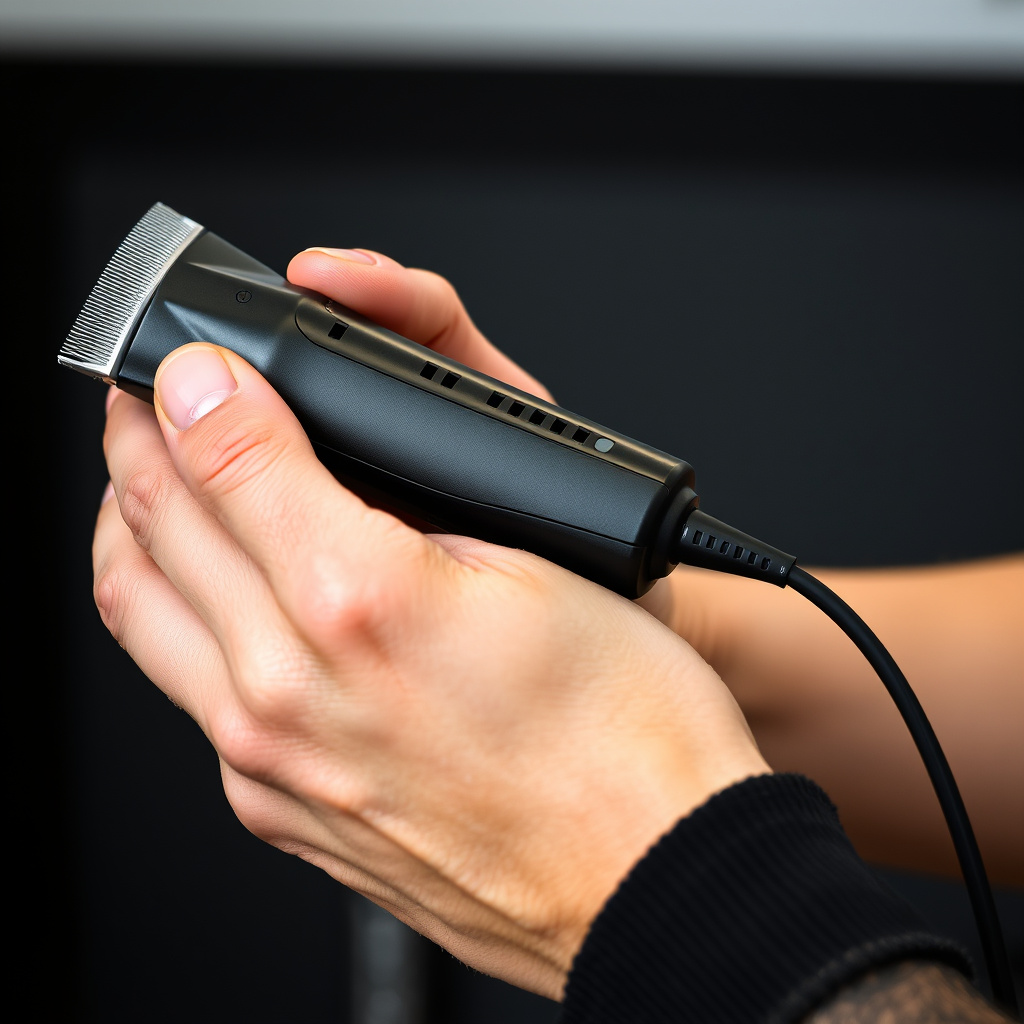
Cheap hair clippers frequently utilize plastic housing and lower-quality internal mechanics, making them vulnerable to breakage or malfunction after limited use. The lack of robust components can lead to jamming or overheating during extended sessions.
Users who clip regularly may find these clippers insufficiently resilient, whereas occasional trims could justify the trade-off given the lower upfront cost. Durability varies widely among brands, so reading reviews can highlight reliable models within the budget range.
Ergonomics and User Comfort
Ergonomic design in clippers affects handling ease and control, especially during detailed cuts. Cheap clippers often neglect features like rubberized grips or balanced weight distribution, causing hand fatigue quickly.
While less expensive clippers might suffice for quick, straightforward haircuts, investing in a model with improved ergonomics enhances precision and comfort, which benefits anyone trimming regularly at home.
- Rubberized grips improve hold
- Balanced weight reduces fatigue
Performance in Hair Cutting and Styling

Cutting Consistency and Speed
Cheap hair clippers may struggle with consistent cutting speed and pressure, often requiring multiple passes to achieve an even cut. This inconsistency can lead to patchy trims and a need for touch-ups with scissors or other tools.
Conversely, mid-range clippers usually provide a steadier motor speed and sharper blades, allowing for quicker, cleaner results and smoother fade transitions.
Noise Levels and User Experience
Inexpensive clippers typically generate more noise and vibration, which can be unpleasant for both the person cutting hair and the recipient. Elevated noise sometimes indicates lower-quality motor construction or poor blade alignment.
Quieter, well-engineered clippers contribute to a less stressful grooming session, especially for children or sensitive individuals requiring delicate handling.
Accessories and Additional Features
Included Guards and Attachments
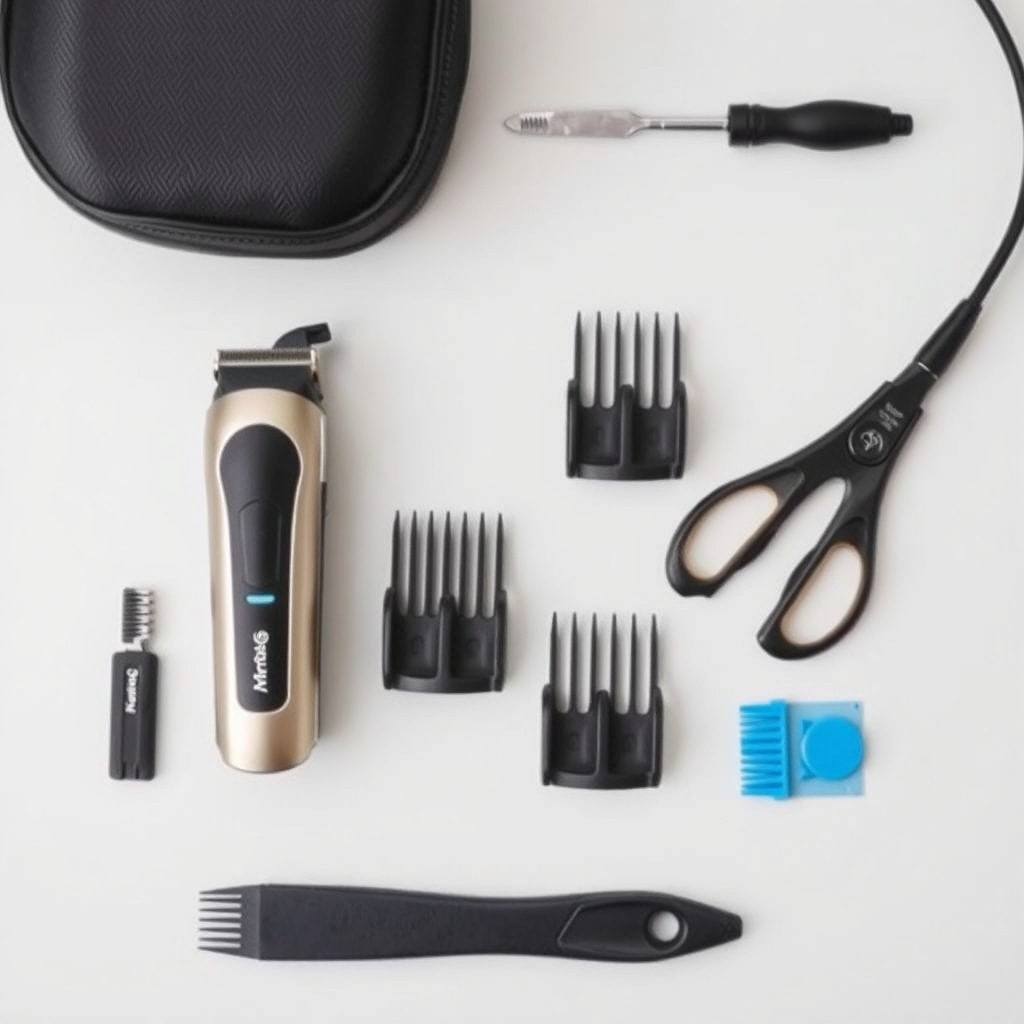
Budget models usually come with a basic set of comb guards covering common length options, but quality and fit can vary. Poorly designed guards may slip off or cause uneven cutting lengths, frustrating users aiming for precision.
Some low-cost clippers lack specialty attachments for trimming beards or detailed designs, limiting styling versatility compared to more expensive kits with comprehensive accessory sets.
- Varied guard lengths
- Attachment quality affects cut precision
Corded vs. Cordless Operation
Cheap hair clippers often favor corded designs to keep costs down, which restricts mobility but provides uninterruptible power. Battery-powered versions can offer cordless convenience but sometimes suffer from shorter run times or longer charging periods in budget models.
Choosing between corded and cordless impacts usage style; cordless is ideal for quick, flexible trims while corded suits longer sessions without worry about battery life.
- Corded models offer continuous power
- Cordless models provide flexibility but may have limited battery life
Comparing Cheap Hair Clippers to Premium Options
Price vs. Performance Trade-offs
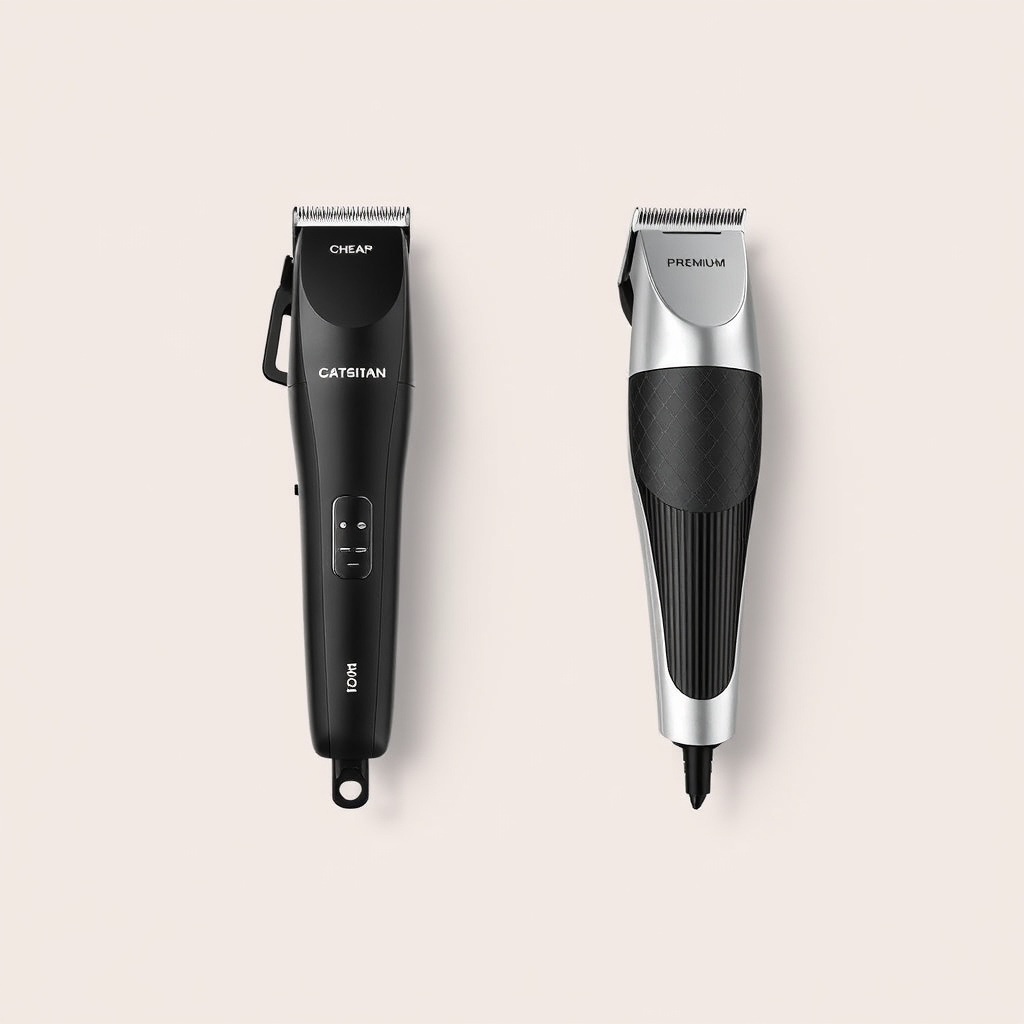
Investing in premium hair clippers yields benefits like advanced motor technology, superior blades, and ergonomic designs that make grooming easier and produce salon-quality results. However, budget clippers satisfy users with simple needs and tight budgets.
Understanding how specific trade-offs affect your hair type, usage frequency, and grooming goals is key to choosing the right product category without overspending or settling for underperformance.
When to Upgrade Beyond a Budget Clipper
Consider upgrading if you frequently cut hair, require detailed styles, or have thick hair that challenges cheap clipper motors. Signs like pulling hair, uneven results, or frequent mechanical issues indicate it’s time to move to a higher tier.
Professional or semi-professional hobbyists will benefit from investing in more durable, feature-rich models that reduce effort and improve overall hair trimming quality.
Maintenance Tips for Cheap Hair Clippers

Regular Cleaning and Oil Application
Cheap hair clippers require diligent cleaning after every use to prevent hair buildup, which dulls blades and stresses the motor. Using a small brush and running a drop of clipper oil on the blades helps maintain cutting efficiency and extends tool lifespan.
Neglecting this maintenance accelerates wear, causing poor cutting performance and possible overheating—common issues that can make budget clippers feel unreliable.
- Brush out hair debris
- Oil blades regularly
- Avoid water on electrical parts
For a deeper look at hair clipper history and mechanics, the Hair clipper Wikipedia article offers thorough insight. Hair clipper Wikipedia article.
Proper Storage and Battery Care
Storing clippers in a dry, cool place prevents rusting and protects the internal components. For cordless cheap hair clippers, avoid leaving batteries completely drained for extended periods to preserve charge cycles and overall battery health.
A well-maintained cheap clipper can last surprisingly long, offering better value despite initial quality compromises.
- Store in protective case
- Charge batteries periodically
- Keep away from moisture
Cheap vs. Mid-Range vs. Premium Hair Clippers Comparison
Here’s a straightforward comparison to help understand differences in price, motor power, blade quality, and features across hair clipper categories.
| Category | Price Range | Motor Power | Blade Quality | Key Features |
|---|---|---|---|---|
| Cheap | $15-$40 | Low to Medium | Basic stainless steel blades | Limited guards, corded common |
| Mid-Range | $50-$100 | Medium to High | Self-sharpening steel blades | More attachments, cordless options |
| Premium | $120-$250+ | High | High-carbon steel/titanium blades | Ergonomic design, quiet motors, long battery life |
Frequently Asked Questions
Do cheap hair clippers work well for thick hair?
Cheap hair clippers can struggle with thick hair due to weaker motors and dulling blades, often causing pulling or uneven cuts. For thick hair, investing in mid-range or premium models is usually better.
How often should I maintain my cheap hair clippers?
You should clean and oil your cheap hair clippers after every use to keep blades sharp and motor stress low, which helps prolong their life and ensures smoother cutting.
Are cordless cheap hair clippers reliable?
Cordless cheap hair clippers offer convenience but often have shorter battery life and slower charging times compared to pricier models. Their reliability depends on brand quality and usage habits.
Can I use cheap hair clippers for beard trimming?
Many cheap hair clippers lack specialized attachments for precise beard trimming and may not provide the detail required, so they’re less ideal compared to dedicated beard trimmers or premium kits.
Will cheap hair clippers last long?
Cheap hair clippers generally have shorter lifespans due to lower-quality components but with careful maintenance, they can last through basic grooming needs before replacement is necessary.
Key Takeaways
- Cheap hair clippers suit basic, infrequent trimming but have limits with motor power and durability.
- Blade quality and maintenance heavily influence cutting performance and clipper lifespan.
- Ergonomics and included accessories vary greatly between budget and premium clippers.
- Mid-range clippers balance cost and performance better for regular home grooming.
Conclusion
Evaluating whether cheap hair clippers are worth it boils down to understanding your own grooming goals and hair type. They can provide effective, budget-friendly tools for occasional or straightforward trims but come with trade-offs in motor power, blade sharpness, and durability. Balancing cost with features and maintenance needs will help you get the best value from your investment.
If you cut your hair sparingly and prefer simple styles, budget models are acceptable choices. However, if you require consistent cutting quality, speed, and precision, mid-range options often deliver reliable performance closer to professional standards. For those who style more frequently or need advanced features like cordless operation and sharper blades, stepping up to premium clippers can significantly enhance your grooming experience.
Ultimately, starting with a basic inexpensive model can provide insight into home hair grooming, but committing to regular trims usually justifies upgrading. Consider the best hair clippers for home use based on your budget, hair type, and comfort preferences. Regular maintenance will maximize any clipper’s lifespan and performance, helping you maintain convenient, cost-effective grooming.





2 Comments