Can You Use a Beard Trimmer on Your Head? A Clear Guide
Yes, you can use a beard trimmer on your head, but there are some important differences to be aware of compared to using a scalp-specific hair clipper. Beard trimmers typically have shorter guards and are designed for finer, shorter facial hair, so they can work well for close cuts or trimming short hair on your head.
Understanding these differences matters because beard trimmers might not be as powerful or efficient when dealing with thicker or longer scalp hair. If you want a very close buzz cut or to maintain a trimmed look, a beard trimmer can be suitable, but for more varied hairstyles or longer hair, a dedicated hair clipper is usually better.
This article will examine the practical reasons to use a beard trimmer on your head, detail the limitations and advantages, guide you through how to do it successfully, and compare beard trimmers with hair clippers. By the end, you’ll know exactly when a beard trimmer can serve as a head trimmer and when to invest in specialized equipment.
Understanding the Differences Between Beard Trimmers and Hair Clippers
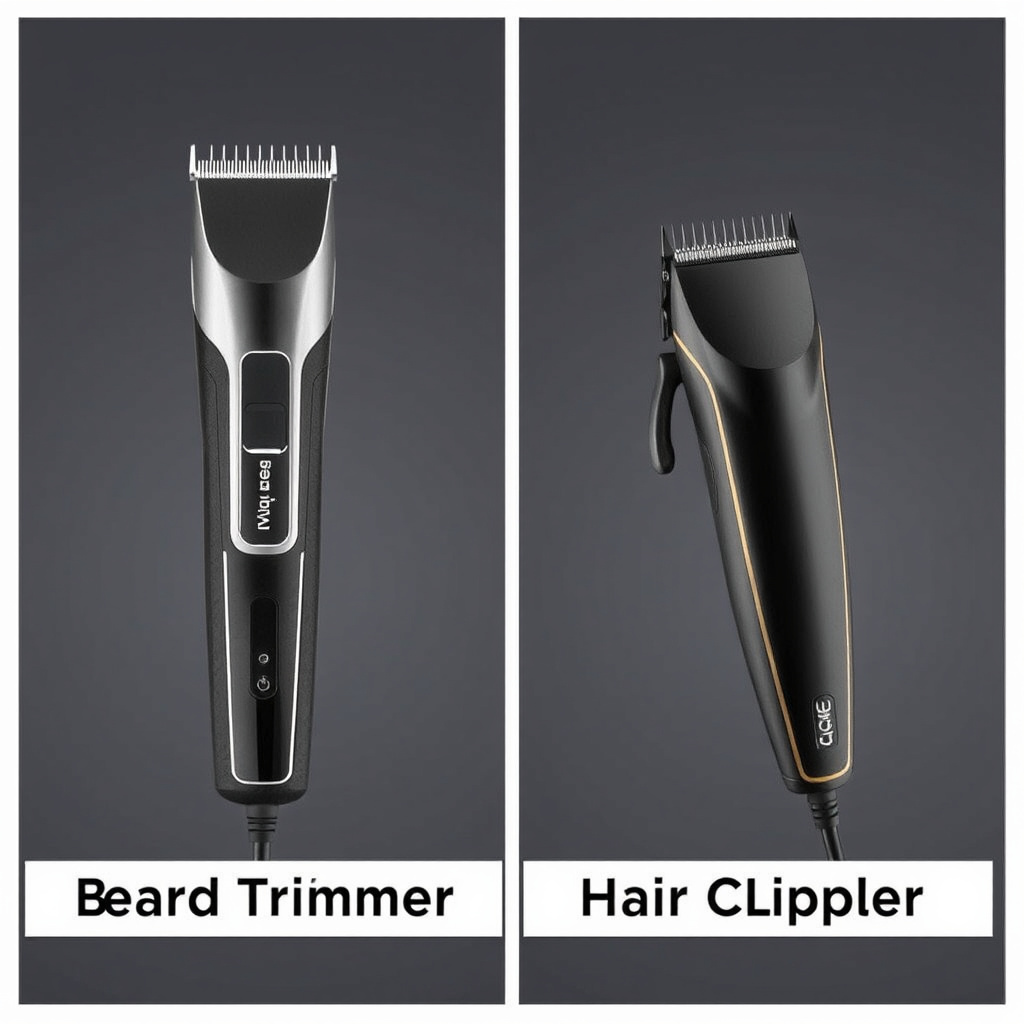
Design and Blade Size
Beard trimmers generally have smaller, narrower blades designed for shaping and detailing facial hair. They often feature finer blade teeth for precision on short or medium-length hair. Hair clippers, in contrast, have wider blades tuned to cut large sections of scalp hair efficiently.
This design means beard trimmers excel at detailed trimming near the edges of your hairline or around ears. However, when cutting larger areas of longer hair, they may require more passes and may not produce even results as quickly as hair clippers.
Motor Power and Speed
Hair clippers typically have more powerful motors optimized for the dense, coarse hair on your scalp, providing a smoother and faster cutting experience. Beard trimmers have less powerful motors, as facial hair generally demands less cutting force.
Using a beard trimmer on thick scalp hair can cause the device to struggle, leading to a choppy cut or the need for repeated passes. This can also cause the trimmer to heat up faster or drain the battery more quickly.
When Using a Beard Trimmer on Your Head Makes Sense
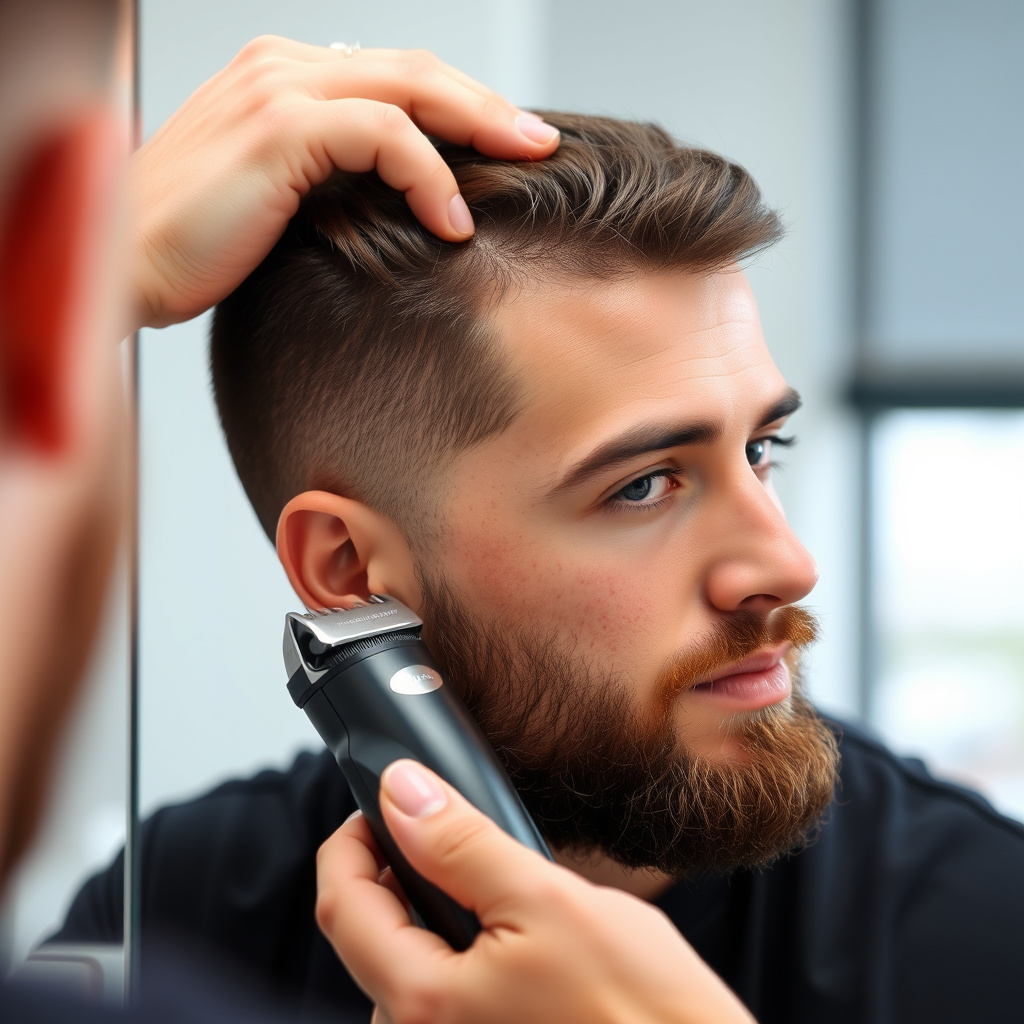
For Short Buzz Cuts and Maintenance
If you prefer a very short haircut or buzz cut, a beard trimmer can serve as a convenient tool for regular maintenance. Its fine blades can achieve a close cut, similar to a number 1 or 2 guard on many hair clippers.
Because beard trimmers are usually smaller and more ergonomic, they allow for quick touch-ups, especially on the sides and back. This makes them suitable for maintaining a consistent look between professional haircuts.
- Ideal for short, uniform haircuts
- Great for touch-ups and edging
- Compact and easy to handle
For Detailing and Hairline Shaping
Beard trimmers excel at cleaning up your hairline and neck area with precision. Their narrow blades easily reach tight spots, providing sharp lines and neat contours.
This detailing is essential for a polished look, whether you use the trimmer alone or in combination with a larger clipper for bulk hair removal.
- Precise edging around temples and neck
- Good for trimming stray hairs
- Complete finishing on haircuts
Limitations of Using a Beard Trimmer on Your Head
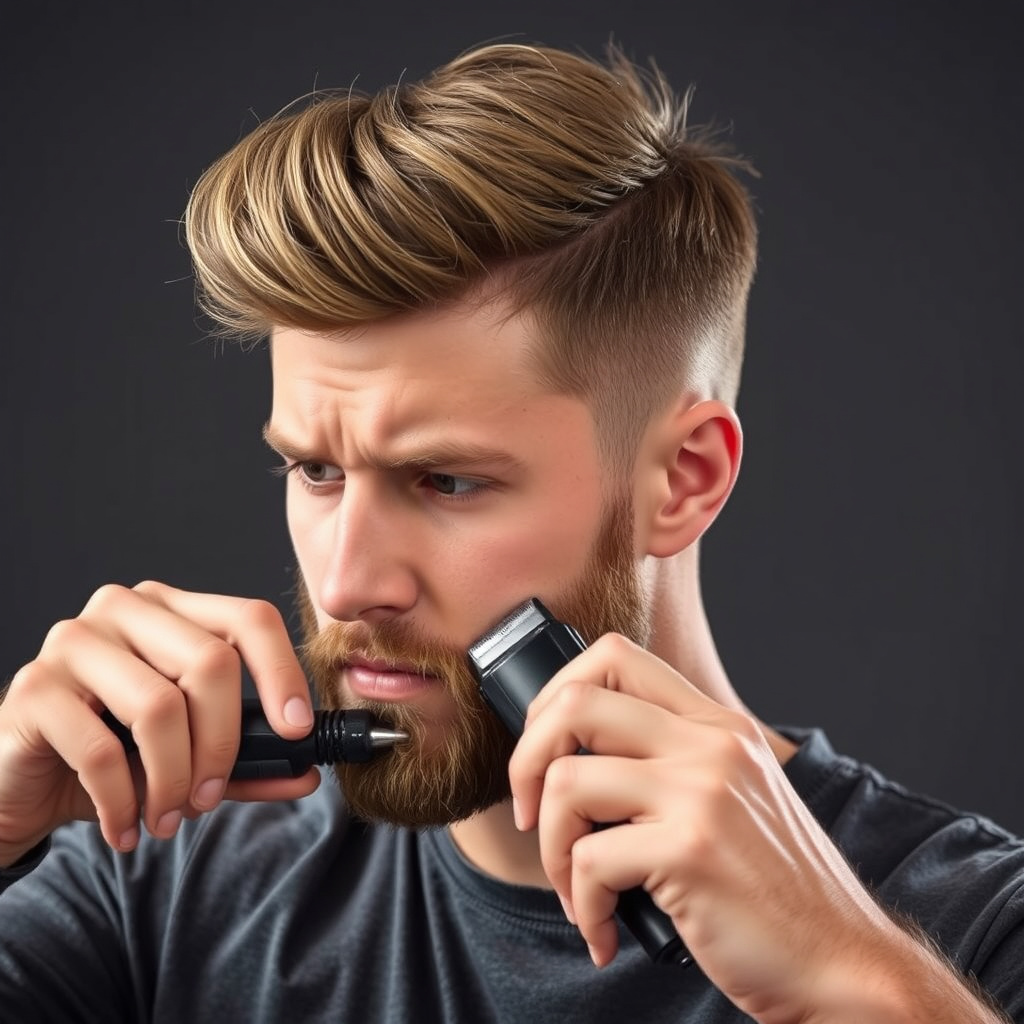
Difficulty with Thick or Long Hair
Beard trimmers are not designed for heavy-duty cutting that dense or long scalp hair requires. Attempting to use them on such hair can cause tugging, uneven cuts, or multiple passes that waste time and can irritate the scalp.
If your hair is longer than about half an inch or very thick, a beard trimmer won’t provide a clean or smooth cut, which may lead to frustration and inconsistent results.
For more on this, see our related guide: Are Cheap Hair Clippers Worth It? An Honest Guide to Budget Grooming Tools.
Limited Guard Options
Most beard trimmers come with fewer and shorter guards than hair clippers, restricting your options for different hair lengths or styles.
Without a variety of guard sizes, you may struggle to achieve blended fades or layered cuts on your scalp, limiting style versatility.
- Fewer guard size options
- Difficult for fades or textured cuts
- Less control over gradual length changes
How to Use a Beard Trimmer Safely and Effectively on Your Head
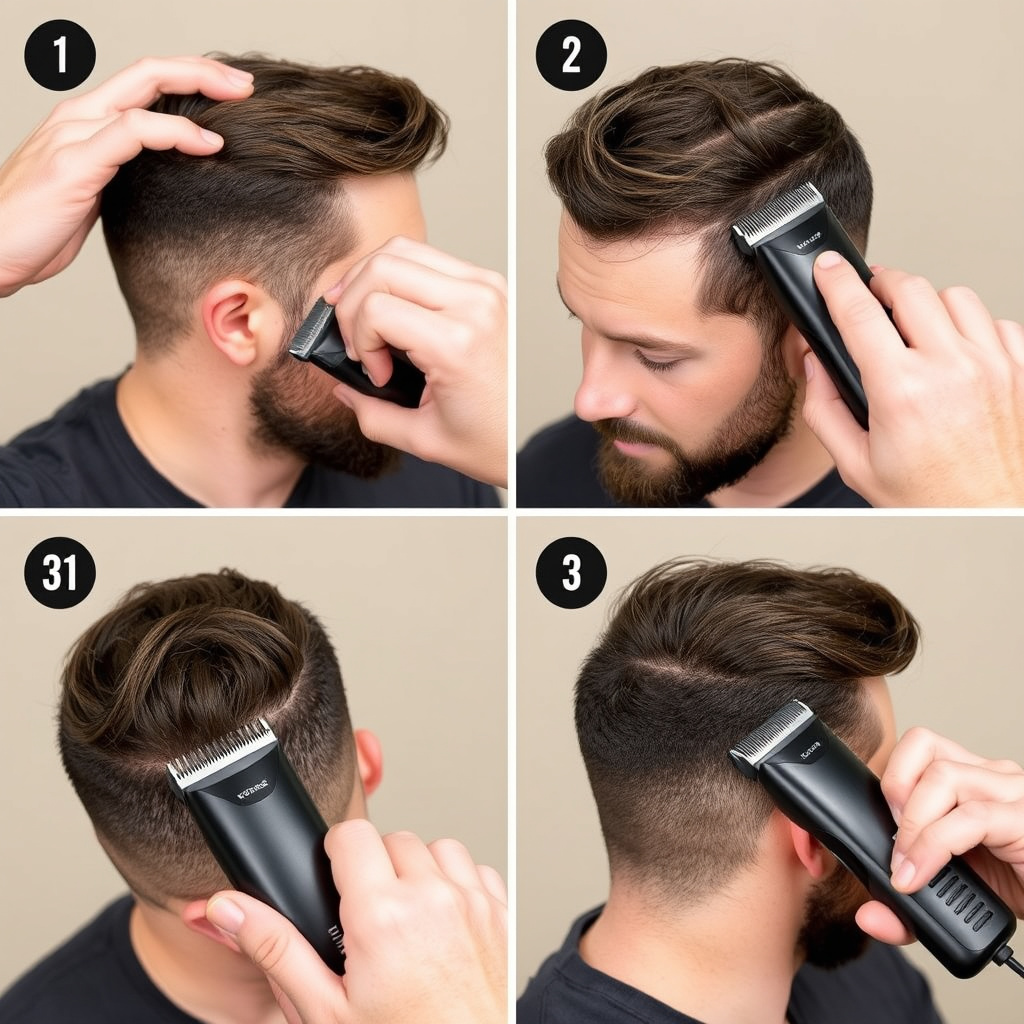
Preparing Your Hair and Tools
Start with clean, dry hair to prevent clumping and pulling. Attach the appropriate guard length for your desired cut. If you want a very close cut, no guard or a short guard works best.
Make sure your beard trimmer's blades are sharp and lubricated to reduce friction and irritation. Charge the battery fully if cordless to maintain consistent power throughout the haircut.
- Clean and dry hair
- Select proper guard size
- Sharpen and oil blades
- Fully charge the trimmer
Proper Trimming Technique
Use slow, steady passes against the direction of hair growth for a more even cut. Avoid pressing the trimmer too hard to prevent skin irritation or uneven spots.
Regularly clean the blades by brushing out collected hair. Work in well-lit areas with mirrors to monitor progress and catch missed spots early.
- Cut against hair growth
- Use gentle pressure
- Clean blades regularly
- Check progress frequently
Comparing Beard Trimmers to Hair Clippers
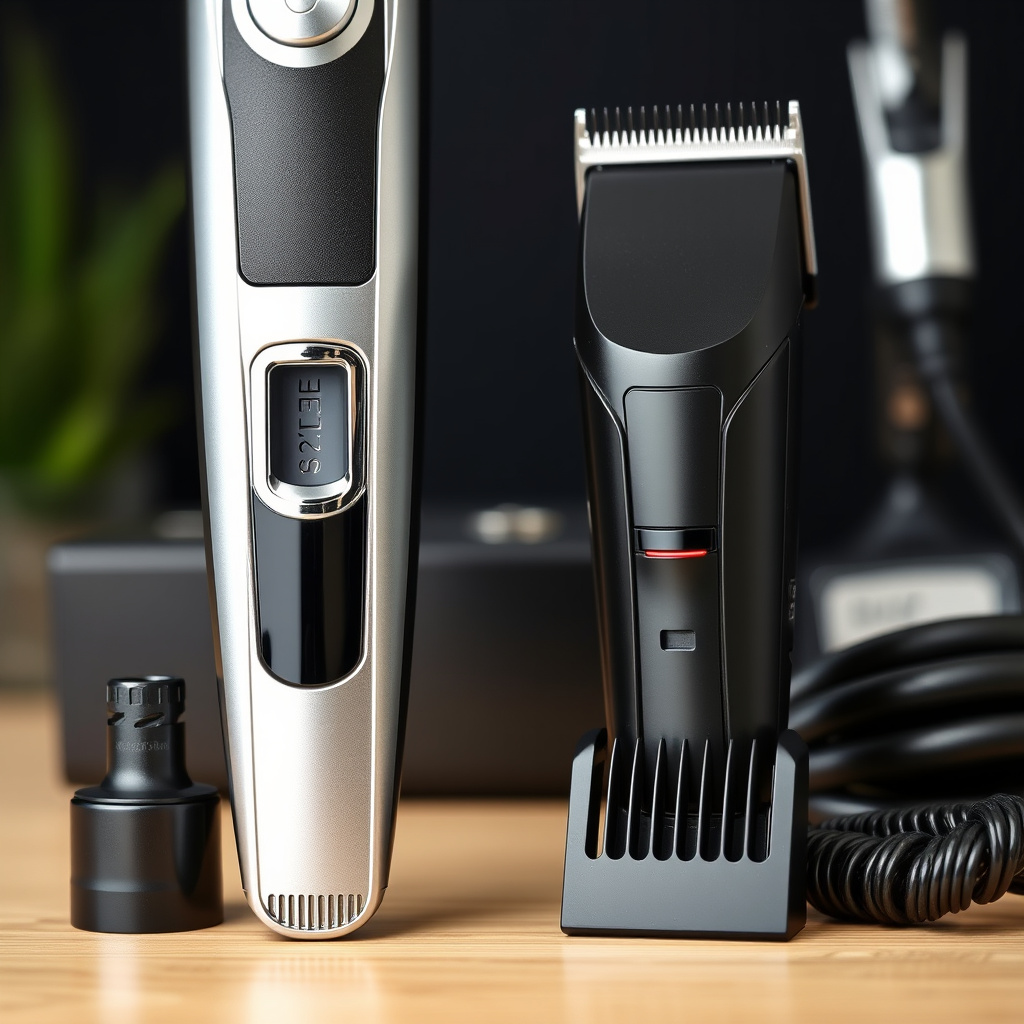
Suitability for Different Hair Types
Hair clippers are built for all hair types, from fine to coarse, and handle longer strands efficiently. Beard trimmers are best for fine to medium facial hair and short head hair.
Choosing the right tool depends on your hair density and desired style. Clippers provide more versatility for complex cuts or longer hair, while trimmers are great for close, simple cuts.
For more on this, see our related guide: Babyliss vs Wahl: Which Brand Offers the Best Grooming Tools?.
Ease of Use and Maintenance
Beard trimmers are typically lighter and easier to maneuver, which benefits beginners or quick trims. Clippers require more handling experience but yield faster results on larger areas.
Both require blade cleaning and oiling, but clippers may demand more maintenance due to their heavier-duty motors and larger blades.
Choosing the Best Trimmer for Head Hair
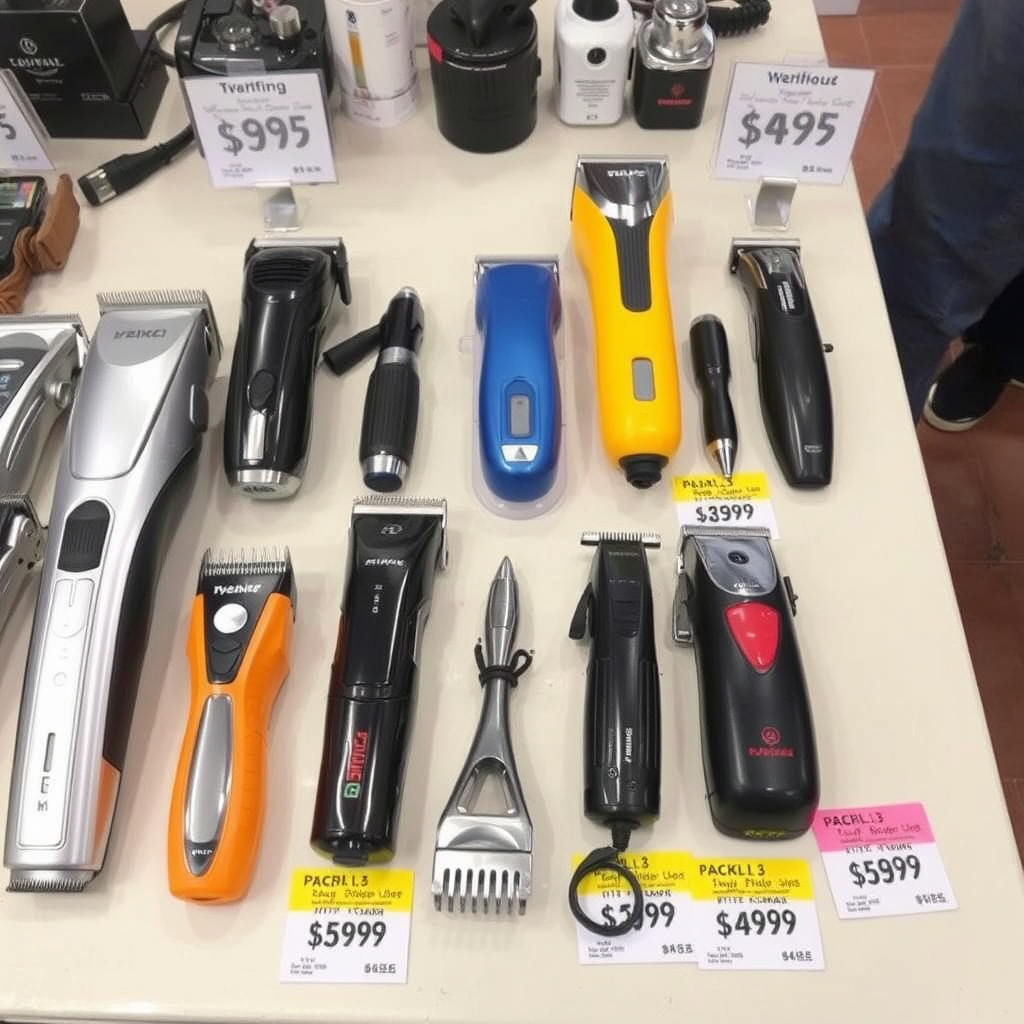
Features to Look for in a Head Hair Trimmer
When selecting a trimmer for your head, consider motor power, battery life, blade quality, and guard size variety. Waterproof options add convenience for easy cleaning.
Ergonomics also matter since you'll be holding the device for several minutes. Look for comfortable grips and easy-to-use controls for a smooth trimming experience.
- Powerful motor
- Long battery life
- Multiple guards
- Waterproof design
For more technical details about beard trimmers and their typical uses, refer to the Beard trimmer article on Wikipedia. Beard trimmer article on Wikipedia.
Recommended Models When Using Beard Trimmers
Some beard trimmers modelled with slightly stronger motors and broader guard ranges work well on head hair. Brands like Philips Norelco Multigroom and Wahl feature versatile trimmers suitable for short haircuts.
For those prioritizing speed and consistency, investing in an entry-level hair clipper might offer better value and results.
- Philips Norelco Multigroom
- Wahl Peanut Trimmer
- Andis Slimline Pro
- Entry-level hair clippers
Beard Trimmers vs. Hair Clippers: Key Differences
This table highlights the main features and use case differences between beard trimmers and hair clippers for head hair.
| Category | Beard Trimmer | Hair Clipper | Ideal Use |
|---|---|---|---|
| Blade Width | Narrow (20-30 mm) | Wide (40-50 mm) | Detailing vs. bulk cutting |
| Motor Power | Lower power | Higher power | Fine trimming vs. thick hair |
| Guard Range | Fewer, shorter guards | More, wider range | Close cuts vs. styling versatility |
| Battery Life | Typically 60-90 min | Typically 90-150 min | Maintenance vs. full haircut |
| Portability | Compact and light | Larger and heavier | Travel vs. home use |
Frequently Asked Questions
Can a beard trimmer handle all hair types on the head?
Beard trimmers work best on short, fine to medium hair. They struggle with thick, curly, or long hair, which may require a hair clipper for effective cutting.
Is the haircut quality different when using a beard trimmer on the head?
Yes, beard trimmers can give a neat, close cut but may be less even over large areas or with thick hair. Hair clippers usually provide smoother, faster cuts for the scalp.
Can I use the same guards on a beard trimmer and a hair clipper?
No, guards are often model-specific due to blade size differences. Guards on hair clippers are usually larger and offer more length options than beard trimmer guards.
How often should I oil and clean a beard trimmer used on my head?
After every few uses, clean the blades with a brush and apply oil to keep the motor running smoothly and to maintain blade sharpness and hygiene.
Are cordless beard trimmers effective for cutting head hair?
Cordless beard trimmers are convenient and effective for short trims, but battery life and power may be limiting factors for longer or thicker haircuts.
Key Takeaways
- Beard trimmers suit short, close cuts and detailed hairline shaping on the head.
- They have less power and fewer guards compared to hair clippers, limiting versatility.
- Using a beard trimmer on thick or long hair may result in uneven cuts.
- For fuller haircuts, dedicated hair clippers deliver better performance.
Conclusion
Choosing whether to use a beard trimmer on your head comes down to understanding your hair type, desired haircut style, and the limitations of the tool. Beard trimmers are perfectly fine for close buzz cuts and clean edging, offering convenience and compact design. However, they don't replace hair clippers when it comes to cutting larger, thicker hair sections or achieving varied lengths and styles easily.
If you want to maintain a simple short haircut, ensure your beard trimmer has the right guard sizes and adequate battery power. For anyone requiring more styling options, faster cutting, or managing thick, dense hair, investing in specialized hair clippers makes a tangible difference. Some multipurpose beard trimmers with stronger motors are good middle grounds, but their performance is still limited compared to clippers designed for scalp hair.
Practically, start by testing your beard trimmer for short trimming and edging. If you find it cumbersome or time-consuming, consider upgrading. Regular cleaning and blade maintenance improve results regardless. Ultimately, your choice should balance convenience, cut quality, and how often you trim your head hair.


One Comment