How to Wash Natural Hair for Beginners: Easy Steps to Healthy Curls
Washing natural hair for beginners means cleansing the scalp and strands without stripping essential oils. Start by using a gentle sulfate-free shampoo or co-wash to avoid dryness. Focus on massaging the scalp to remove buildup while being careful not to tangle your curls.
Natural hair textures benefit from washing techniques that maintain moisture and reduce breakage. Unlike straight hair, curls need careful handling because of their fragile structure. Proper washing keeps your hair healthy and supports curl definition over time.
This guide will cover how to prepare your hair before washing, the types of products to use, step-by-step washing methods, and how to condition and detangle natural hair effectively. Following these steps will build a solid foundation for your natural hair care routine.
Preparing Natural Hair Before Washing

Detangle Gently Before Washing
Detangling natural hair before washing helps prevent knots and reduces breakage. Use a wide-tooth comb or your fingers to carefully loosen tangles, starting at the ends and working up to the roots.
Perform detangling on damp hair with a conditioner or a detangling spray to soften the strands. This pre-wash step protects your curls during shampooing by minimizing stress on fragile hair.
- Section hair into manageable parts
- Use fingers or wide-tooth comb
- Detangle from ends to roots
- Work on damp hair with conditioner
Choose the Right Products for Your Hair
Selecting shampoo and conditioner formulated for natural hair is crucial. Look for sulfate-free shampoos that cleanse gently without stripping moisture. Co-washes are excellent options for those who prefer light cleansing.
Conditioners with hydrating ingredients like shea butter or coconut oil can help restore moisture after washing. Avoid products with heavy silicones or sulfates that can weigh curls down or cause buildup.
- Sulfate-free shampoos or co-washes
- Moisturizing conditioners
- Avoid harsh chemicals
- Natural oils and butters
Step-by-Step Guide to Washing Natural Hair

Cleansing the Scalp Effectively
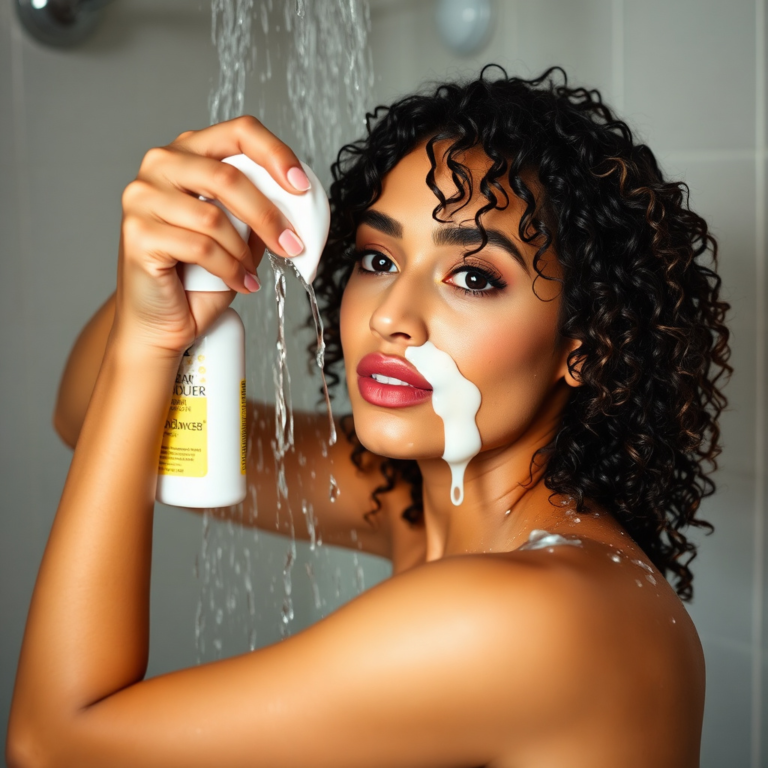
Begin by thoroughly wetting your hair with warm water to help open cuticles for cleansing. Apply a small amount of shampoo or co-wash directly to your scalp.
Use your fingertips (not nails) to massage the scalp gently in circular motions. This promotes blood flow and breaks down oils and buildup without tangling curls. Rinse thoroughly to remove residue.
- Use warm water
- Apply shampoo to scalp, not strands
- Massage gently with fingertips
- Rinse completely
For more on this, see our related guide: How to Choose the Best Conditioner for Color Treated Hair.
Washing the Hair Strands
After cleansing the scalp, focus on the lengths of your hair. Squeeze shampoo lightly through your curls or apply conditioner when co-washing. Avoid rough scrubbing or excessive friction.
Let the product sit for a minute or two, then rinse with cool water to close cuticles. This helps lock in moisture and enhances curl shine.
- Gentle product application on strands
- Avoid vigorous scrubbing
- Let product sit briefly
- Rinse with cool water
Conditioning and Moisturizing Natural Hair

Using Deep Conditioners and Leave-ins
Deep conditioners provide intense hydration and repair for natural hair. Apply generously after shampooing, then cover with a plastic cap and leave on for 15-30 minutes.
Follow with a leave-in conditioner to maintain moisture throughout the day. These products prevent dryness and keep curls soft and manageable.
- Use a rich deep conditioner
- Process under plastic cap or heat
- Rinse with cool water afterward
- Apply leave-in conditioner on damp hair
Sealing Moisture with Oils and Butters
Locking in moisture is essential to prevent frizz and breakage. After conditioning, apply natural oils like jojoba or castor oil to the ends of your hair.
Butters such as shea butter can be used to seal moisture in thicker hair types. This step keeps curls hydrated longer between washes.
- Apply oil on damp hair ends
- Use natural butters for thicker hair
- Avoid heavy products that cause buildup
Detangling and Styling After Washing
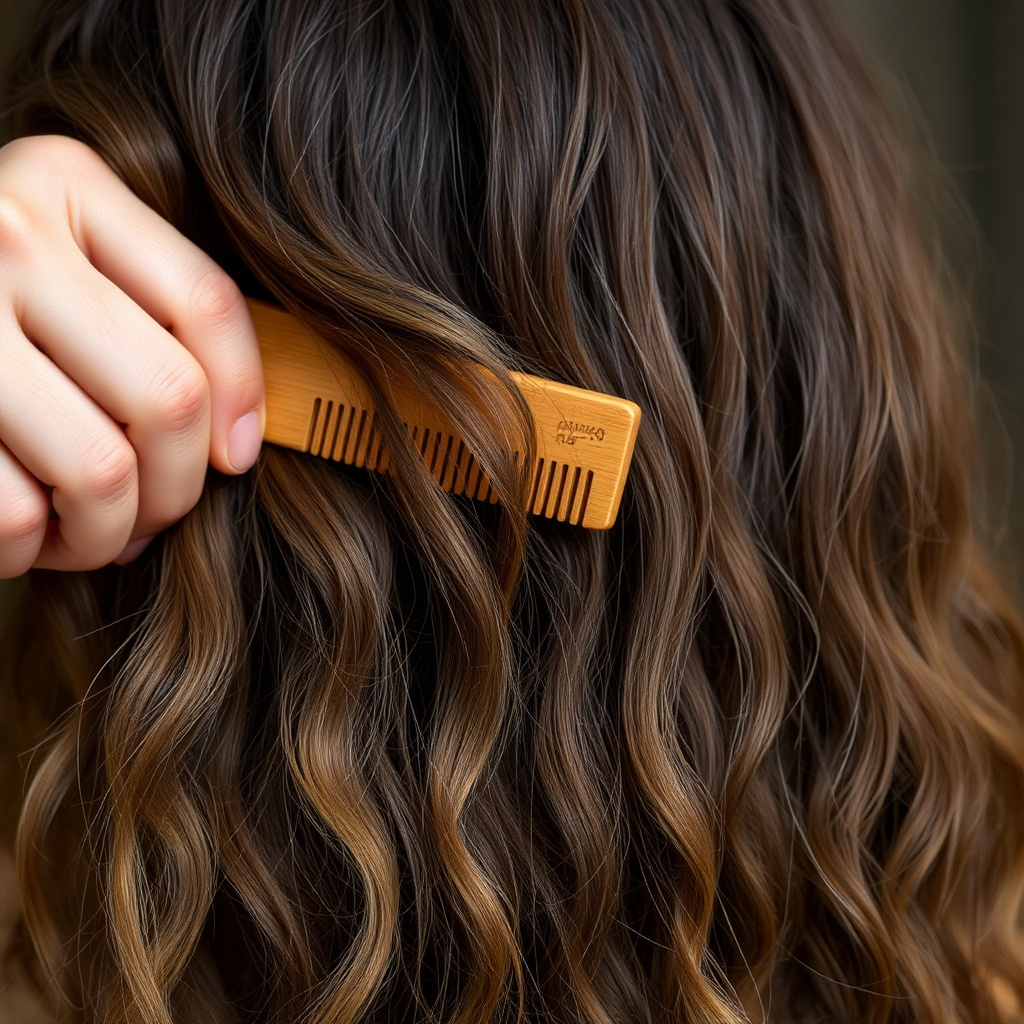
Safe Detangling Techniques
Detangling wet natural hair requires patience and care. Apply plenty of conditioner or a detangling product before using a wide-tooth comb or fingers to gently separate strands.
Work in small sections to minimize damage, always starting from the ends moving towards the roots. This method prevents hair breakage and preserves curl pattern.
- Detangle on damp hair with conditioner
- Use wide-tooth comb or fingers
- Work in small, manageable sections
- Start detangling from ends to roots
For more on this, see our related guide: How to Do a LOC Bun: Step-by-Step Guide for Defined, Moisturized Natural Hair.
Styling While Hair is Damp
Applying styling products like curl creams or gels while hair is damp helps define curls and reduce frizz. Use a light amount and evenly distribute using fingers or a diffuser.
Avoid heavy manipulation after styling to maintain curl shape. Protective styles can also help preserve moisture and minimize breakage between washes.
- Use curl-defining products on damp hair
- Evenly distribute product
- Limit touching hair while drying
- Consider protective styles
How Often Should You Wash Natural Hair?

Factors Influencing Washing Frequency
The ideal wash schedule depends on your hair type, lifestyle, and scalp condition. Curly hair usually benefits from washing every 7 to 14 days to preserve natural oils.
Those who sweat frequently or use many styling products might need to cleanse more often. Monitor how your scalp feels to decide if adjustments are needed for your natural hair care routine.
- Hair porosity and texture
- Amount of product buildup
- Activity level and sweat
- Scalp oiliness or dryness
For further details on the characteristics and care of natural hair, see this comprehensive resource on natural hair care information. Natural hair care information.
Avoiding Overwashing and Dryness
Frequent washing with harsh shampoos can strip moisture from natural hair, leading to dryness and brittleness. Opt for co-washing or sulfate-free products to maintain hydration.
Listening to your hair's needs helps prevent over-cleansing. Between washes, use moisturizing sprays or light oils to keep curls supple without overwashing.
- Limit shampoo wash frequency
- Use co-washes for refresh
- Apply moisturizing sprays between washes
- Choose gentle, moisture-friendly cleansers
Natural Hair Washing Methods Comparison
Explore these popular natural hair washing methods and see how they suit different hair needs and preferences.
| Method | Cleansing Strength | Moisture Retention | Ease of Use | Best For |
|---|---|---|---|---|
| Sulfate-free Shampoo | Moderate | High | Simple | Normal to oily scalps |
| Co-wash (Conditioner Washing) | Light | Very High | Easy | Dry, curly hair |
| Clarifying Shampoo | Strong | Low | Occasional use | Product buildup removal |
| No-Poo (Water Only) | Minimal | High | Low maintenance | Very dry or sensitive scalps |
Frequently Asked Questions
Can I wash natural hair every day?
Washing natural hair daily is generally not recommended as it can cause dryness and breakage. Most natural hair types thrive with washing once a week or every two weeks, balancing cleanliness with moisture retention.
What is the best water temperature for washing natural hair?
Use warm water to open hair cuticles for effective cleansing, then rinse with cool water to close cuticles and lock in moisture. Avoid hot water as it can dry out hair and scalp.
Is it necessary to detangle natural hair before washing?
Yes, detangling before washing helps reduce knots and breakage. Doing this gently on damp hair with conditioner prepares your curls for a smoother wash routine.
How can I prevent my natural hair from drying out after washing?
Apply a deep conditioner and follow with leave-in moisturizers and oils to seal in hydration. Avoid harsh shampoos and limit washing frequency to maintain natural moisture levels.
What type of shampoo should beginners use for natural hair?
Beginners should pick sulfate-free shampoos or gentle co-washes formulated for natural hair, as these cleanse without stripping essential oils and help keep curls soft and healthy.
Key Takeaways
- Detangle natural hair gently before washing to avoid breakage.
- Use sulfate-free shampoos or co-washes for moisture-friendly cleansing.
- Apply deep conditioners and seal moisture with oils after washing.
- Adjust washing frequency based on hair type and scalp needs.
Conclusion
When learning how to wash natural hair for beginners, understanding the delicate structure of curls is vital. The key is balancing cleansing with moisture preservation to avoid dryness and damage. Adopting a washing routine that includes gentle detangling, choosing suitable products, and conditioning thoroughly protects your hair’s health and enhances curl definition. This approach gives your hair the best environment to flourish over time.
Consider integrating washing methods based on your hair’s unique needs. If your scalp tends to get oily or dirty quickly, a sulfate-free shampoo can provide a moderate cleanse without harsh effects. For hair that is dryer or more fragile, co-washing becomes a beneficial option to clean while supplying moisture. Regular deep conditioning sessions support softness and manageability, while oils and butters ensure the hydration stays locked in. Paying attention to how often you wash is also important; most natural hair types respond well to washing every 7 to 14 days, but personal lifestyle factors may prompt variation.
Your next step is to experiment carefully with these washing techniques and products, observing how your hair reacts. Start by detangling before each wash, select gentle cleansers, and prioritize deep conditioning followed by moisture sealing. Over time, this routine builds healthy, vibrant curls that respond well to styling and everyday care. Remember, consistency and gentleness are your best allies in nurturing natural hair.