What Type of Braiding Hair Is Best for Long-Lasting Styles
The best type of braiding hair depends on your styling goals, but among the most popular choices are Kanekalon, Toyokalon, and human hair. Kanekalon is favored for its affordability and natural texture, making it the top pick for long-lasting braids that blend well with natural hair. For shine and softness, Toyokalon offers a silky finish perfect for smoother styles, while human hair provides the most realistic look but at a higher cost and lower durability when exposed to frequent manipulation.
Choosing the right braiding hair matters because it affects the overall appearance, comfort, and lifespan of your braids. Some fibers are more heat-resistant, while others shine brilliantly under light, and the weight and texture can influence how easy the hair is to manage during styling. Understanding these differences helps you select the hair that matches your unique style needs.
This article will explore different types of braiding hair, comparing their properties like texture, durability, and maintenance. It will guide you through synthetic versus human options, care tips, size and length considerations, and budget-friendly choices to help you find the best braiding hair for your perfect look.
Understanding Synthetic Braiding Hair

Kanekalon Hair: The Popular Synthetic Option
Kanekalon is a widely used synthetic fiber in braiding hair due to its affordability and versatility. It mimics the texture of natural hair fairly well, making it easier to install and style without looking overly artificial. Many users appreciate Kanekalon for retaining curls and waves after wetting and drying.
This hair type is heat-resistant to a moderate degree, allowing styling tools on low settings, but it does not handle excessive heat well. Its lightweight nature reduces scalp tension, which is beneficial for longer wear, though it can be prone to tangling if not properly maintained.
- Affordable and widely available
- Moderate heat resistance
- Natural texture imitation
- Lightweight and comfortable
Toyokalon Hair: Smooth and Shiny Alternative
Toyokalon is another synthetic fiber known for its silky and shiny finish, which gives braids a polished and sleek appearance. It’s softer and smoother compared to Kanekalon, which makes it ideal for intricate styles like box braids or goddess braids where a glossy look is desirable.
While Toyokalon can be more prone to shedding and frizz over time, especially with frequent washing, its softness enhances comfort during wear. It is less heat resistant than Kanekalon and requires gentle care to maintain its look.
- Silky, smooth texture
- High shine for polished styles
- Requires delicate maintenance
- Less heat tolerant
Exploring Human Hair for Braiding

Advantages of Human Hair Braiding
Human hair offers the most natural appearance and texture for braids, blending seamlessly with your own hair. It can be styled with heat tools like curling irons or straighteners, allowing for greater versatility in styling options. Additionally, human hair tends to be softer and less prone to tangling initially.
Because it's real hair, it allows washing and conditioning like your own hair, which can keep braids looking fresh longer. However, human hair can also be heavier, and depending on its source, may require more investment upfront compared to synthetic options.
- Most natural look and feel
- Styling versatility with heat tools
- Washable and conditionable
- Generally heavier and pricier
Downsides to Using Human Hair Braiding
Human hair used for braiding is often chemically processed to avoid tangling and preserve long shelf life, which can compromise strength and shine. It tends to be more susceptible to damage from water, humidity, and daily wear compared to synthetics.
Maintenance can be more demanding because human hair requires regular conditioning to prevent dryness. Also, it may cause more scalp tension due to its weight, making it less suitable for extended protective styles.
- Processed hair loses some strength
- Requires frequent conditioning
- Heavier, may cause scalp stress
- Higher cost per bundle
Braiding Hair Texture and Color Options

Matching Hair Texture to Your Natural Hair
Selecting braiding hair with a texture close to your own natural hair creates a seamless appearance and easier blending. For example, kinky or coily textures work well with similar synthetic or human hair fibers that reflect your hair’s spring and bounce.
Straight or wavy textures provide versatile options for those wanting a sleek or more relaxed braid look. Considering texture affects maintenance since tightly curled hair requires different detangling and care practices than straight textures.
- Kinky/coily for natural volume
- Wavy for soft texture
- Straight for sleek styles
- Texture impacts braid maintenance
For more on this, see our related guide: What Type of Braiding Hair Is Best for Knotless Braids.
Choosing Color Options for Braiding Hair
Braiding hair comes in a spectrum from natural hues like black, brown, and blonde to vibrant colors such as reds, blues, and purples. Synthetic braiding hair especially offers bold, fashion-forward colors that don’t require dye.
Selecting a color that complements your skin tone or makes a statement can elevate your look. For subtlety, shades close to your natural hair color are ideal, while contrasting colors can create a dramatic effect.
- Natural colors for blending
- Vibrant colors for bold looks
- Synthetic offers more color variety
- Color affects maintenance and fading
Caring for Braiding Hair to Extend Wear

Basic Maintenance for Synthetic Braiding Hair
Synthetic braiding hair requires delicate care to minimize tangling and frizz. Gentle washing using sulfate-free shampoo and cold water helps preserve the fiber texture. Avoid rubbing or twisting the hair and instead pat it dry gently with a towel.
Applying a light leave-in conditioner specifically designed for braiding hair can help maintain softness and reduce static. Protective nighttime measures like satin or silk scarves will also extend the lifespan of synthetic braids.
- Use mild shampoo and cold water
- Pat dry instead of rubbing
- Apply light leave-in conditioner
- Cover hair at night with satin scarf
Caring Tips for Human Hair Braiding
Human hair braids need regular moisturizing to combat dryness and breakage. Using moisturizing sprays and hydrating conditioners helps maintain natural luster. It’s best to wash braids carefully and avoid heavy product buildup.
Heat styling should be done sparingly to prevent damage. Nighttime use of satin pillowcases or scarves reduces friction and helps preserve braid integrity.
- Moisturize braids regularly
- Avoid product buildup with gentle washing
- Limit heat styling on human hair
- Use satin pillowcases or scarves at night
Sizing and Quantity Considerations for Braiding Hair

Determining the Right Length for Your Style
The length of braiding hair you choose should correspond with your intended style. Longer hair offers versatility for intricate or flowing braid styles but requires more maintenance and care to avoid tangling.
Shorter braiding hair is easier to manage and ideal for protective styles like cornrows or bob-length box braids. Always consider your lifestyle and comfort when selecting length.
- Long hair for flowing styles
- Short hair for protective styles
- Balance length and manageability
For more on this, see our related guide: What Type of Braiding Hair is Best for Box Braids: A Definitive Guide.
How Many Bundles Are Needed?
The number of braiding hair bundles needed depends on hair thickness and desired braid fullness. Thin hair or smaller braids may require fewer bundles, whereas fuller or bigger braids need more for volume.
Typically, box braid installations may use 3-6 bundles depending on length, while crochet braids may require fewer. Plan ahead and purchase extra bundles to avoid inconsistencies in color or texture.
- More bundles for thicker hair
- Fewer bundles for fine hair
- Buy extra to match texture/color
Budgeting Your Purchase of Braiding Hair
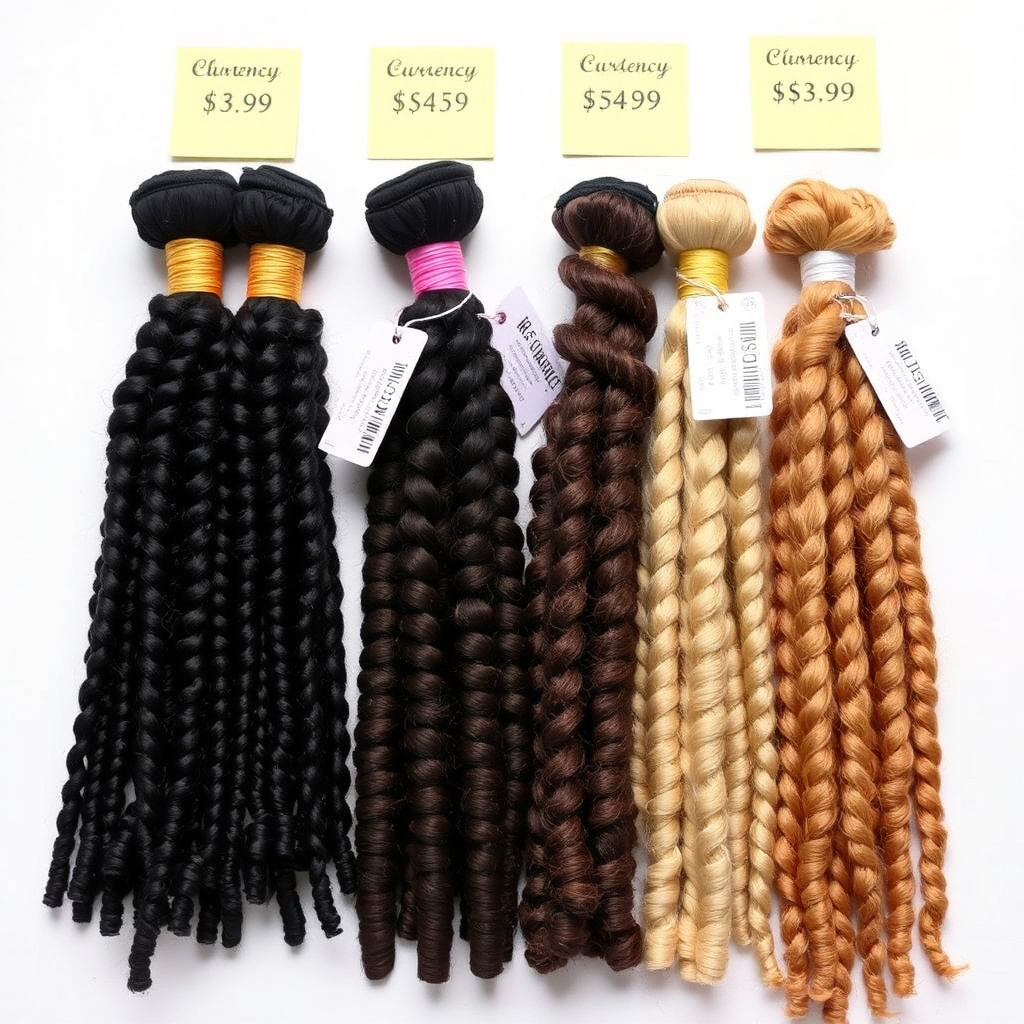
Cost Factors of Braiding Hair Types
Synthetic braiding hair like Kanekalon and Toyokalon is generally more affordable and comes in a wide range of prices depending on brand, quantity, and texture. These are excellent choices for budget-conscious stylists or frequent style changes.
Human hair braiding is significantly more expensive but justifies its price through natural appearance and styling versatility. It can be a worthwhile investment for special occasions or styles lasting several weeks.
- Synthetic offers budget-friendly options
- Human hair costs more upfront
- Price varies by brand and quality
For a detailed overview of different braiding hair products and their origins, check out this braiding hair types encyclopedia. braiding hair types encyclopedia.
Finding Value Without Compromising Quality
Look for trusted brands that balance affordable prices with reputation for fiber durability. Reading reviews and seeking local suppliers can help find cheaper but quality braiding hair.
Purchasing bundles during sales or in sets can reduce overall cost. Invest time in hair care techniques to prolong the life of your braids for added value.
- Choose recognized, reliable brands
- Buy in sets or during sales
- Maintain hair well for longer use
Comparison of Common Braiding Hair Types
This table highlights the key characteristics of popular braiding hair types to help you decide which fits your needs best.
| Hair Type | Texture | Durability | Heat Resistance | Price Range | Maintenance |
|---|---|---|---|---|---|
| Kanekalon | Natural-like, coarse | High | Moderate | Low to Moderate | Moderate care, detangles easily |
| Toyokalon | Silky, smooth | Medium | Low | Low to Moderate | Delicate care, prone to frizz |
| Human Hair | Natural, varies | Variable | High | High | Regular moisturizing and washing |
| Futura | Natural-like, shiny | High | High (heat friendly) | Moderate to High | Similar to Kanekalon with heat styling options |
| Marley Hair | Coarse, kinky | High | Low | Low to Moderate | Requires detangling, mimics natural Afro-texture |
Frequently Asked Questions
Can synthetic braiding hair be heat styled?
Most synthetic braiding hair like Kanekalon has limited heat resistance, allowing low heat styling, but excessive heat can melt or damage the fibers. Specialized heat-friendly synthetic hairs like Futura tolerate higher temperatures.
How long does braiding hair typically last?
Braiding hair lifespan depends on type and care. Synthetic hair lasts 4-8 weeks with proper maintenance, while human hair may last shorter due to wear but can maintain appearance if cared for correctly.
Is human hair better for natural-looking braids?
Human hair offers the most natural look and feel for braids, blending seamlessly with your own hair. However, it requires more care and comes at a higher cost compared to synthetic options.
What is the easiest braiding hair to maintain?
Kanekalon synthetic hair is generally easier to maintain because of its resistance to tangling and frizz compared to softer synthetic fibers or human hair, making it a practical choice for low-maintenance styles.
How do I choose the right length and quantity of braiding hair?
Select braiding hair length based on your desired style—long for flowing braids or short for protective styles. Estimate quantity by braid size and hair thickness, typically 3-6 bundles for full coverage.
Key Takeaways
- Kanekalon is the best all-round synthetic braiding hair for durability and natural texture.
- Toyokalon offers a silky finish suitable for sleek styles but requires gentler care.
- Human hair provides the most natural appearance but is heavier and more costly.
- Choosing the right texture and length enhances braid integration and manageability.
Conclusion
Selecting the best type of braiding hair hinges on balancing factors such as texture, appearance, durability, and care requirements. Synthetic options like Kanekalon deliver lasting wear and a natural feel at affordable prices, making them ideal for frequent styling or protective braids. Human hair stands out for its authentic look and styling versatility but demands more investment in both cost and maintenance. Understanding the unique properties of each hair type empowers you to pick what fits your styling goals and lifestyle.
For those seeking long-lasting braids with a natural finish on a budget, Kanekalon synthetic hair is generally the best choice. Toyokalon suits users prioritizing smoothness and shine despite being less robust. Human hair braiding works well for special occasions or when styling flexibility with heat is needed. Marley hair invites textured styles that mirror Afro-textured hair effectively, providing another textured synthetic alternative. Always consider braid length, quantity, and color to personalize your style while ensuring comfort and manageability.
Before making your purchase, test how your natural hair and scalp respond to different fibers and textures. Purchase extra bundles to prevent inconsistencies and maintain your braids with daily care practices. With the right selection and ongoing maintenance, your braids can remain beautiful, protected, and comfortable for weeks, making your chosen braiding hair an essential part of your hair care routine.


One Comment