What Type of Cuticle Pusher Is Best for Professional and Home Use
The best type of cuticle pusher depends on your specific nail care needs, but generally, stainless steel pushers with dual-ended designs are top-rated for both professional and home use. They offer durability, precision, and hygiene, making cuticle maintenance safer and more efficient.
Cuticle pushers come in various materials and shapes, each suited for different levels of experience and nail conditions. Choosing the right tool prevents damage to your nails and skin while shaping or removing excess cuticles effectively. A quality cuticle pusher can improve nail health and the overall appearance of manicures.
This article covers the different types of cuticle pushers available, including metal, plastic, and wooden options. We'll explore ergonomic features, dual-ended tools, and care tips to help you decide which cuticle pusher fits your routine and nail type best.
Types of Cuticle Pushers and Their Benefits

Metal Cuticle Pushers
Metal cuticle pushers, often made from stainless steel, are favored in salons for their strength, longevity, and ease of sanitation. Their sturdy build allows for careful removal of stubborn cuticles without bending or breaking the tool.
These pushers usually feature dual ends: a flat edge for pushing back cuticles and a curved or pointed edge for cleaning under nails or removing debris, making them versatile and precise.
- Durable and corrosion-resistant
- Easy to sterilize and reuse
- Provides firm, precise control
Plastic and Wooden Cuticle Pushers
Plastic or wooden pushers are gentler alternatives suited for sensitive or thin nail beds. Wooden pushers, made from orange sticks, are often disposable, making them hygienic options for home use or single sessions.
While they lack the durability of metal pushers, they reduce the risk of over-aggressive cutting or pushing and are typically more affordable, but may wear down quickly or splinter.
- Ideal for gentle cuticle care
- Affordable and disposable options
- Less precise but safer for beginners
Design Features to Look for in the Best Cuticle Pusher

Dual-Ended Pushers
The best cuticle pusher usually has two ends: a flat blade to push back cuticles and a pointed or rounded tip for cleaning under the nail edges. This design maximizes functionality while minimizing the number of tools needed.
Being able to switch between ends smoothly increases efficiency during manicures and allows for adapting pressure and angle to avoid damaging delicate skin.
- Increases versatility
- Compact and travel-friendly
- Enhances precision and control
Ergonomic Handles and Grip
Handles designed with non-slip grips or textured surfaces improve control, preventing accidental slips that could injure cuticles. Ergonomic shapes reduce hand fatigue during longer nail care sessions.
Some cuticle pushers feature lightweight materials or balanced weight distribution, which help maintain steady pressure and accuracy, especially in professional settings.
- Prevents slipping for safer use
- Reduces hand strain
- Enhances overall user comfort
Material Considerations for Cuticle Pushers

Stainless Steel for Durability and Hygiene
Stainless steel is resistant to rusting and easy to sterilize, making it a preferred material in professional nail salons. Its sturdy nature withstands pressure without bending, providing longevity and consistent performance.
Since hygiene is paramount in nail care, stainless steel cuticle pushers can be cleaned with alcohol or autoclaved, reducing the risk of infections.
- Rust-proof and strong
- Sanitizable for reuse
- Long-lasting investment
For more on this, see our related guide: What Type of Nail Polish Is Best for Short Nails: Essential Tips for a Flawless Look.
Acrylic and Wood for Gentle, Disposable Use
Acrylic plastic pushers offer a lightweight, low-cost option that is less aggressive, suitable for sensitive nails or beginners. Wooden orange sticks, though disposable, are gentle on skin but need careful use to avoid splinters.
These materials are ideal for short-term use or travel kits but lack the precision and durability of metal variants.
- Safe for sensitive skin
- Affordable and disposable
- Less robust for heavy use
Common Shapes and Their Uses in Cuticle Pushers

Flat and Rounded Tips for Pushing Back Cuticles
Flat or gently curved tips are designed to push the cuticle tissue back smoothly, minimizing nail bed damage. Rounded edges avoid gouging the skin and help evenly clean the nail plate perimeter.
These tips are essential for creating a neat foundation before trimming or applying polish, helping nails look longer and more polished.
- Ideal for cuticle management
- Prevents skin damage
- Smooth contact with nail surface
Pointed and Curved Tips for Detritus Removal
Pointed or curved ends help remove debris, dirt, and dead skin from underneath nails. They allow precise access to hard-to-reach spots but require careful control to prevent injury.
Such tips complement the pushing action by thoroughly cleaning around the nail bed and improving hygiene.
- Targets under-nail debris
- Requires gentle handling
- Enhances manicure cleanliness
Care and Maintenance of Your Cuticle Pusher

Cleaning and Sterilizing Metal Pushers
To keep a metal cuticle pusher safe and effective, clean it after every use with warm soapy water followed by disinfecting with alcohol or an autoclave if possible. This prevents bacterial and fungal growth that can cause infections.
Regular maintenance prolongs the tool’s lifespan and keeps the edges smooth and debris-free for precise nail work.
- Wash with soap and water
- Disinfect with rubbing alcohol
- Use sterilizer for professional use
For more on this, see our related guide: How to Trim Cuticles Safely and Effectively at Home.
Storing and Handling to Extend Longevity
Store pushers in a dry, clean case or pouch to prevent rusting or contamination. Avoid dropping or banging metal tools to prevent dull or bent edges.
Proper handling includes using the appropriate pressure during pushing and trimming to avoid unnecessary wear or damage.
- Keep in a protective case
- Avoid exposure to moisture
- Handle with care to avoid damage
Safe Usage Tips for the Best Cuticle Pusher
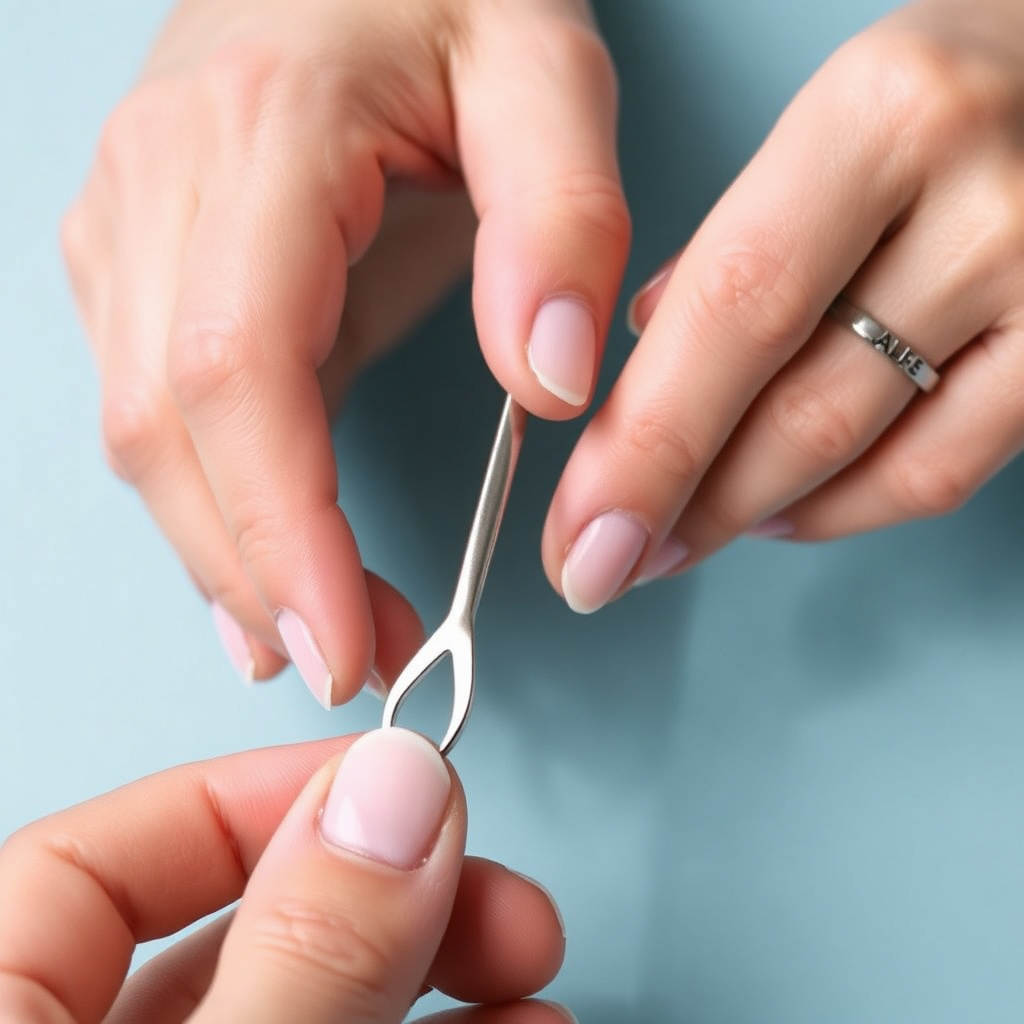
Gentle Pressure Techniques
Applying light, even pressure when pushing cuticles back reduces the risk of injury or nail bed inflammation. It’s important to allow softened cuticles after soaking or oil application before using the pusher.
Forceful pushing can cause cuticle tears or infection, so using the right amount of pressure and angle is key for safe results.
- Soften cuticles before use
- Push gently toward nail base
- Avoid scraping or digging
For more detailed information about cuticle care techniques and nail health, consult this extensive resource. cuticle care techniques.
When to Avoid Using a Cuticle Pusher
Avoid pushing cuticles if there are signs of infection, redness, swelling, or open wounds around the nail. Damaged skin requires rest and medical attention, not manipulation.
Also, refrain from using in dry or unsoftened conditions, as this increases the chance of injury and pain.
- Upon infection or inflammation
- On dry, hard cuticles
- If nails or skin are damaged
Cuticle Pusher Types Compared
This table compares common cuticle pusher types by material, durability, hygiene, and user suitability.
| Type | Material | Durability | Hygiene | Ideal User |
|---|---|---|---|---|
| Stainless Steel | Metal | High | Easy to sterilize | Professionals and experienced users |
| Plastic | Acrylic | Medium | Single use recommended | Beginners and gentle care |
| Wooden (Orange Stick) | Wood | Low | Disposable | Home use and sensitive skin |
| Aluminum | Metal | Medium | Can corrode | Occasional use |
| Silicone-Tipped | Silicone & Metal | Medium | Easily cleaned | Users seeking gentle push |
Frequently Asked Questions
Can I use a metal cuticle pusher at home?
Yes, metal pushers are safe for home use if you handle them carefully and sanitize before and after use to prevent infection.
Is a wooden cuticle pusher better for sensitive nails?
Wooden pushers are gentler and disposable, making them a better choice for sensitive nails or those new to cuticle care.
How often should I clean my cuticle pusher?
Clean and disinfect your cuticle pusher after every use to maintain hygiene and avoid transferring bacteria.
What is the advantage of a dual-ended cuticle pusher?
Dual-ended pushers provide more functionality, allowing you to push back cuticles and clean under nails with one tool.
Can I use a cuticle pusher without softening my cuticles?
Softening cuticles before pushing reduces injury risk; pushing dry cuticles can cause tears and pain.
Key Takeaways
- Stainless steel pushers offer durability and hygiene for professional use.
- Wooden pushers are gentle and suitable for sensitive skin or beginners.
- Dual-ended designs increase efficiency and versatility.
- Proper cleaning and gentle technique are essential for safe cuticle care.
Conclusion
Selecting the best type of cuticle pusher involves balancing durability, safety, and user comfort. Metal pushers, especially stainless steel ones, are favored for their strength and cleanability, making them a wise long-term investment for frequent use. Meanwhile, plastic or wooden pushers offer gentler options suitable for casual or gentle care routines. Understanding your nail type and skill level helps narrow down choices for ideal cuticle maintenance.
For individuals who value precision and hygiene, a dual-ended stainless steel cuticle pusher is the best option. It allows precise cuticle management and clean-up with efficiency. Conversely, beginners or those with delicate nails may prefer disposable wooden orange sticks or softer plastic tools to avoid accidental injury and maintain nail health. Balancing cost, comfort, and function is essential when selecting the tool that complements your nail care routine.
Once you decide which cuticle pusher suits you, invest in proper care of your tool and practice gentle techniques to protect your nails and skin. Incorporate softening methods like soaking or cuticle oils before use. Regular cleaning of metal pushers keeps the process sanitary. With the right tool and handling, you’ll achieve professional-looking manicures safely at home or in the salon.


One Comment