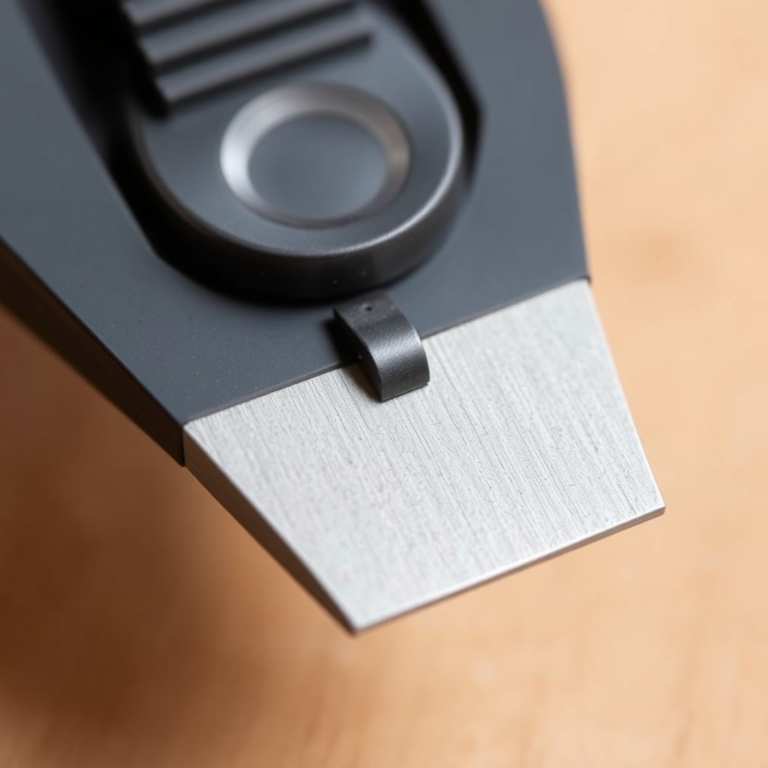
Understanding the Difference Between a T Blade and a Standard Trimmer
A T blade differs from a standard trimmer primarily in its blade shape and trimming purpose. T blades feature a wider, T-shaped cutting edge designed for creating sharp, defined lines and detailed edging, while standard trimmers usually have a narrower blade better suited for general hair trimming and shaping.
This distinction matters because your specific grooming needs dictate which blade type will give you the best results. Whether you're outlining a beard, defining hairlines, or trimming around ears, understanding how these blades perform can improve your grooming technique and final look.
This article will explore the individual characteristics of T blades and standard trimmers, their use cases, maintenance tips, and help you decide which tool best fits your grooming routine.
Blade Design and Functionality of T Blade vs Standard Trimmer
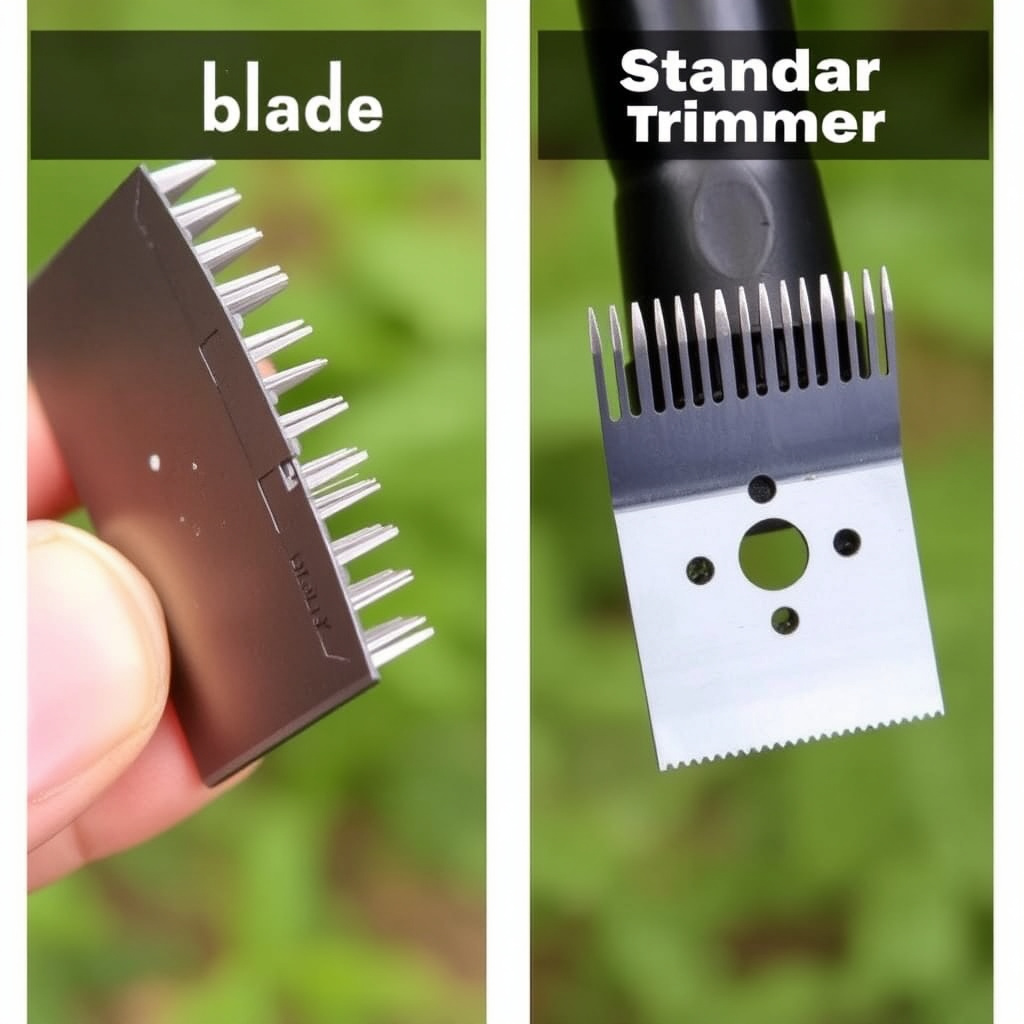
Shape and Size Differences
T blades have a distinct T-shaped design with a wider cutting edge, providing better access to hard-to-reach areas and allowing for greater line precision. Standard trimmers have a more compact, rectangular blade suitable for general trimming and shaping tasks.
The width of the T blade helps in creating straight, sharp edges while the narrower standard trimmer blade excels at blending and general hair removal without focusing on intricate details.
- T blade: wider, T-shaped cutting edge
- Standard trimmer: narrower rectangular blade
- T blade allows precise line work
- Standard trimmer suited for blending
Cutting Precision and Versatility
T blades are designed to offer superior precision for outlining beards, mustaches, and hairlines, making them popular among barbers who specialize in detailed work. Their wider blade also makes it easier to maintain symmetry.
Standard trimmers provide versatility for everyday use, trimming medium to light hair thickness and working well for quick grooming jobs where detail is less critical.
- T blade: high precision edging
- Standard trimmer: versatile general trimming
Performance and Handling Differences

Ease of Use
T blades require a steadier hand and a bit more skill for clean lines due to their wide edge and design focused on detailed work. Beginners might find them slightly less forgiving but useful once mastered.
Standard trimmers are typically easier for quick trims, with a design that allows for comfortable all-around use and less precision needed in handling.
- T blade: best for users skilled in detailed grooming
- Standard trimmer: user-friendly for general use
Suitability for Different Hair Types
T blades excel on coarse and thick beard hair or wherever sharp-angled edges are needed, providing crisp, clean cuts. However, they may be less effective on very fine hair where softer blending is preferred.
Standard trimmers perform well across a variety of hair textures, making them a reliable tool for trimming head hair, beards, and body hair with a smoother finish.
- T blade: ideal for coarse, thick hair detailing
- Standard trimmer: versatile for multiple hair types
Maintenance and Blade Care

Cleaning Methods
Both T blade and standard trimmers require regular cleaning to maintain performance. T blades, due to their size, may accumulate more hair debris along the blade edges and need more thorough cleaning with a brush.
Standard trimmers often come with detachable blades or guards, facilitating easier cleaning of hair buildup.
- Use small brushes for T blade cleaning
- Detach blades for cleaning standard trimmers
For more on this, see our related guide: Trimmer vs Clipper: What’s the Difference and Which One Should You Choose?.
Blade Sharpening and Replacement
T blades may require more frequent sharpening to keep their precise edges sharp, especially with heavy use. Some models allow replacement blades for convenience.
Standard trimmer blades typically have longer intervals between sharpening and usually are replaced periodically to maintain cutting quality.
- Sharpen T blades regularly for precision
- Standard trimmer blades replaced as needed
Cost and Availability Comparison

Price Range Differences
T blade trimmers often come at a slightly higher price point due to their specialized design and precision engineering. Professional-grade T blades especially reflect this with higher costs.
Standard trimmers are widely available across budget-friendly to premium options, providing a variety of choices depending on your needs.
- T blade trimmers: mid to high price range
- Standard trimmers: wide price spectrum
Availability and Brand Options
While standard trimmers are commonly found in most stores and from many brands, T blade trimmers are less common and often marketed towards professional barbers or grooming enthusiasts.
Some brands offer interchangeable blade systems allowing both T blades and standard blades on the same device.
- Standard trimmers widely available
- T blades more specialized, less common
Use Cases and Grooming Styles
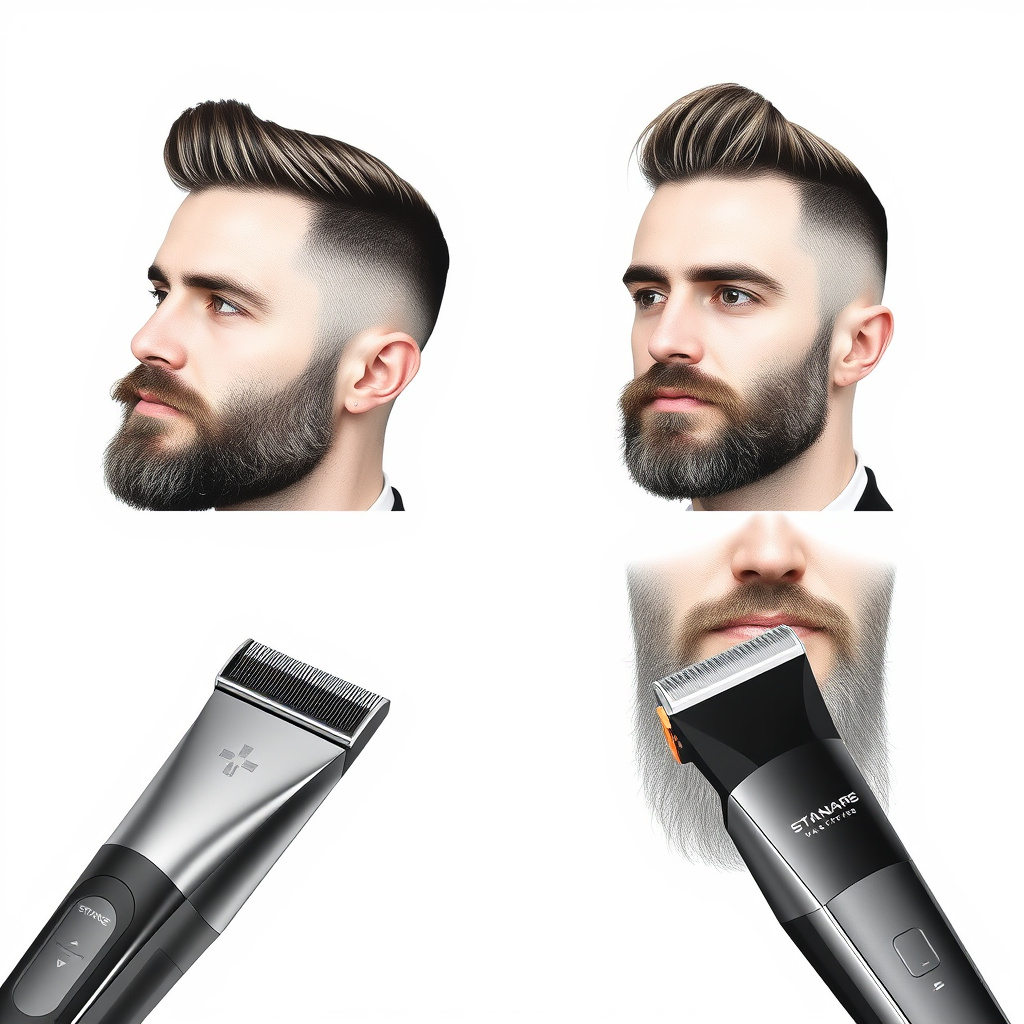
Ideal Grooming Styles for T Blades
T blades excel at creating sharp lines, edges, and detailed beard designs such as goatees, sideburns, and mustache outlines. They are preferred for styles requiring symmetry and crisp boundaries.
Their precision makes them suited for edging bald fades or clean necklines, supporting widely popular modern beard trends.
- Defined goatees and mustaches
- Sharp neckline edging
- Bald fade detailing
For more on this, see our related guide: What Is a Hair Trimmer and How to Choose the Right One for Your Needs.
Best Uses for Standard Trimmers
Standard trimmers work well for overall beard maintenance, bulk trimming, and soft blending between lengths. Their versatility supports regular trims, shaping, and light detailing without strict line work.
These trimmers also handle head hair touch-ups and body grooming efficiently.
- General beard trimming
- Head hair touch-ups
- Body grooming
Safety and Comfort Considerations

Skin Safety with Different Blades
T blades, being sharper and wider, can cause nicks if used carelessly; careful handling minimizes irritation and cuts during complex edging tasks.
Standard trimmers are often designed with safety guards or rounded edges, reducing skin discomfort and making them safer for sensitive areas.
- T blade requires steady hand to avoid nicks
- Standard trimmers are gentler on skin
For more detailed insights on different electric trimmer types and their uses, you can explore the overview of grooming tools on Wikipedia. Overview of Grooming Tools on Wikipedia.
Ergonomics and Grip
Many T blade trimmers are balanced for detailed control with a comfortable grip designed for precise maneuvers over longer grooming sessions.
Standard trimmers may favor easier handling with lightweight designs suitable for quick full-head or beard trims.
- T blade trimmers: precision grip
- Standard trimmers: lightweight for general use
T Blade vs Standard Trimmer Category Comparison
The following table summarizes crucial differences between T blades and standard trimmers across several important categories.
| Category | T Blade | Standard Trimmer |
|---|---|---|
| Blade Shape | Wide T-shaped cutting edge | Narrow, rectangular blade |
| Primary Use | Precision edging and detailing | General trimming and blending |
| Hair Types | Best for coarse, thick hair | Suitable for a variety of hair textures |
| Ease of Use | Requires skillful handling | User-friendly for most users |
| Maintenance | Need regular sharpening and cleaning | Less frequent sharpening, easier cleaning |
| Price Range | Mid to high price range | Wide price range from budget to premium |
Frequently Asked Questions
Can I use a T blade trimmer for everyday beard trimming?
While a T blade trimmer excels at precision and edging, it is less practical for everyday bulk beard trimming. Standard trimmers are typically better suited for routine trimming.
Are T blade trimmers more likely to cause skin irritation?
T blade trimmers can cause irritation if handled hastily due to their sharper edges, but with careful use and proper technique, skin irritation can be minimized.
Is it possible to find trimmers with interchangeable T blades and standard blades?
Yes, some trimmer models support interchangeable blades allowing users to switch between T blades and standard blades for different grooming needs.
How often should I sharpen a T blade compared to a standard trimmer blade?
T blades require sharpening more frequently because they need to maintain sharper edges for detailed work, while standard trimmer blades can go longer between sharpenings.
Which trimmer is better for fine hair around the neckline?
Standard trimmers are generally better for soft blending and trimming fine hair, offering smoother finishes without harsh lines.
Key Takeaways
- T blades have a wider, T-shaped blade for sharp, precise edging.
- Standard trimmers offer versatility for general grooming tasks.
- T blades require more skill and careful handling to avoid nicks.
- Choosing depends on whether you prioritize detailed lines or everyday trimming.
Conclusion
Deciding between a T blade and a standard trimmer depends largely on your grooming style and precision needs. The main difference lies in blade design and their intended purposes. If your routine involves detailed beard shaping, defined hairlines, or artistic edging, a T blade provides accuracy and sharp lines. On the other hand, for broad trimming, regular beard maintenance, and ease of use, a standard trimmer is more suitable and adaptable to diverse hair types. Carefully consider your skill level and grooming habits, as T blades require steadier hands for best results.
For those focused on beard detailing, goatees, mustaches, or sharp necklines, using a T blade trimmer will deliver the clean, professional finish you need. Professional barbers favor these blades for their precision and ability to create symmetrical, neat edges. In contrast, if your grooming is more about efficiency, general cleanup, or trimming mixed hair textures, a standard trimmer serves better. Many brands offer both blade types or interchangeable systems that can cover most needs, so investing in a multi-blade setup can be a flexible solution.
Once you identify your grooming priorities, try testing both blade types if possible. Begin with a standard trimmer for everyday maintenance while practicing with a T blade for detailed work. This way, you build confidence and skill gradually. With proper maintenance, care, and usage, either tool can significantly improve the neatness and style of your beard or hair, making your grooming routine more satisfying and precise.