Cordless vs Corded Clippers: Key Differences You Need to Know
The main difference between cordless and corded clippers lies in their power source and mobility. Corded clippers plug directly into an electrical outlet and provide consistent power without interruption, while cordless clippers rely on rechargeable batteries, offering the freedom to move without being tethered to a cord.
This distinction matters because it impacts usability and convenience. Cordless clippers are ideal if you need portability, such as for on-the-go grooming or areas without easy access to power outlets. Conversely, corded models typically offer longer runtime with more steady power, preferred for thorough, extended cutting sessions.
This article will explore how cordless and corded clippers differ in terms of power, performance, battery life, maintenance, and ideal scenarios. Understanding these factors will help you choose the best clippers for home use or professional styling.
Power and Performance Differences in Cordless and Corded Clippers

How Corded Clippers Deliver Consistent Power
Corded clippers draw electricity directly from a power source, which means they maintain continuous and stable energy throughout use. This consistent power flow often results in stronger motor performance, allowing for smoother, faster cutting, especially through thick or dense hair.
Because corded clippers don’t rely on battery charge, there’s no risk of unexpectedly losing power mid-shave, which makes them reliable for longer or professional grooming sessions. Their dependence on a power outlet, however, limits mobility to within reach of a cord.
- No battery degradation over time
- Stronger, consistent motor speed
- Unlimited runtime with access to power
- Restricted movement range
Cordless Clippers and Their Mobility Benefits
Cordless clippers run on rechargeable batteries, providing freedom from cords that can get tangled or restrict movement. This portability is particularly convenient for home use, travel, or styling in tight or awkward spaces.
Battery quality varies, and runtime depends on capacity, so cordless clippers need to be charged ahead of grooming. Thanks to improvements in lithium-ion technology, many models now offer robust performance comparable to corded types but with added flexibility.
- Wireless operation enhances ease of use
- Rechargeable battery limits continuous usage time
- Portable for versatile grooming applications
- May lose power during extensive sessions without recharging
Battery Life and Charging Considerations for Cordless Clippers

Typical Battery Performance in Cordless Clippers
Most cordless clippers use lithium-ion batteries that offer between 60 to 120 minutes of runtime on a full charge. The exact duration depends on the motor’s power draw, blade load, and battery capacity. High-end models often include fast-charging features that can deliver a usable charge in just a few minutes.
Users should plan grooming schedules around battery limits to avoid interruptions. Some cordless clippers allow running while charging, but not all, so checking the product specifics is wise before purchase.
- Runtime ranges from 1 to 2 hours on average
- Fast recharge in 1 hour or less available on some models
- Battery indicators help track charge status
- No cord during use improves user comfort
Charging and Maintenance to Extend Battery Life
Maintaining battery health involves avoiding complete discharge and fully charging before storage. Leaving cordless clippers plugged in at all times can degrade battery longevity if not designed for trickle charging.
Regular cleaning of blades and motor also reduces power strain on the battery. Users should follow manufacturer guidelines to optimize charger use and maintain smooth clipper operation over time.
- Avoid full battery depletion before recharge
- Charge fully before long-term storage
- Clean and oil blades to reduce motor stress
- Use chargers recommended by manufacturer only
Cord Management and Practical Usage Differences

Challenges with Corded Clippers’ Cord Handling
The cord attached to corded clippers limits freedom of movement and can cause inconvenience during grooming, especially in tight spaces or awkward positions. It may tug unexpectedly if caught, leading to uneven cuts or discomfort.
Storage and organization require careful winding and securing of the cord to prevent damage or tangling. This adds an extra step that cordless models do not require.
- Limited reach due to cord length
- Potential for cord tangling or damage
- Can interfere with precision grooming
- Requires careful storage to prevent wear
For more on this, see our related guide: Understanding the Difference Between Clippers and Shavers.
Ease of Use and Handling with Cordless Clippers
Cordless clippers offer great advantage in handling due to their cable-free design. This improves maneuverability and reduces hand fatigue by eliminating constraint and weight caused by cords.
Their design often includes ergonomic grips and balanced weight to maximize comfort. However, users must manage battery life and charging, aspects not present in corded clippers.
- Enhanced freedom of movement
- Ergonomic designs improve comfort
- No cord restrictions reduce fatigue
- Need regular charging to maintain use
Maintenance and Lifespan Differences

Maintenance Needs for Corded Clippers
Corded clippers typically require routine cleaning, blade oiling, and occasional blade sharpening to maintain peak performance. Without battery components, their maintenance focuses mainly on mechanical parts and electrical motor safety.
They often have longer lifespans because they lack battery wear issues, assuming cables and motors remain intact and used within manufacturer specs.
- Regular blade cleaning and lubrication
- Check power cord integrity
- No battery degradation
- Generally longer operational life
How Battery Aging Affects Cordless Clippers
Cordless models face battery aging, leading to reduced runtime and eventual need for battery replacement. Proper care can slow degradation, but over several years performance naturally declines.
Component wear on blades and motors is comparable to corded clippers, but battery health remains the limiting factor in total lifespan.
- Battery capacity diminishes over time
- Replacement parts may be required
- Regular blade maintenance still essential
- Lifespan heavily influenced by battery care
Price and Value Considerations Between Corded and Cordless Clippers
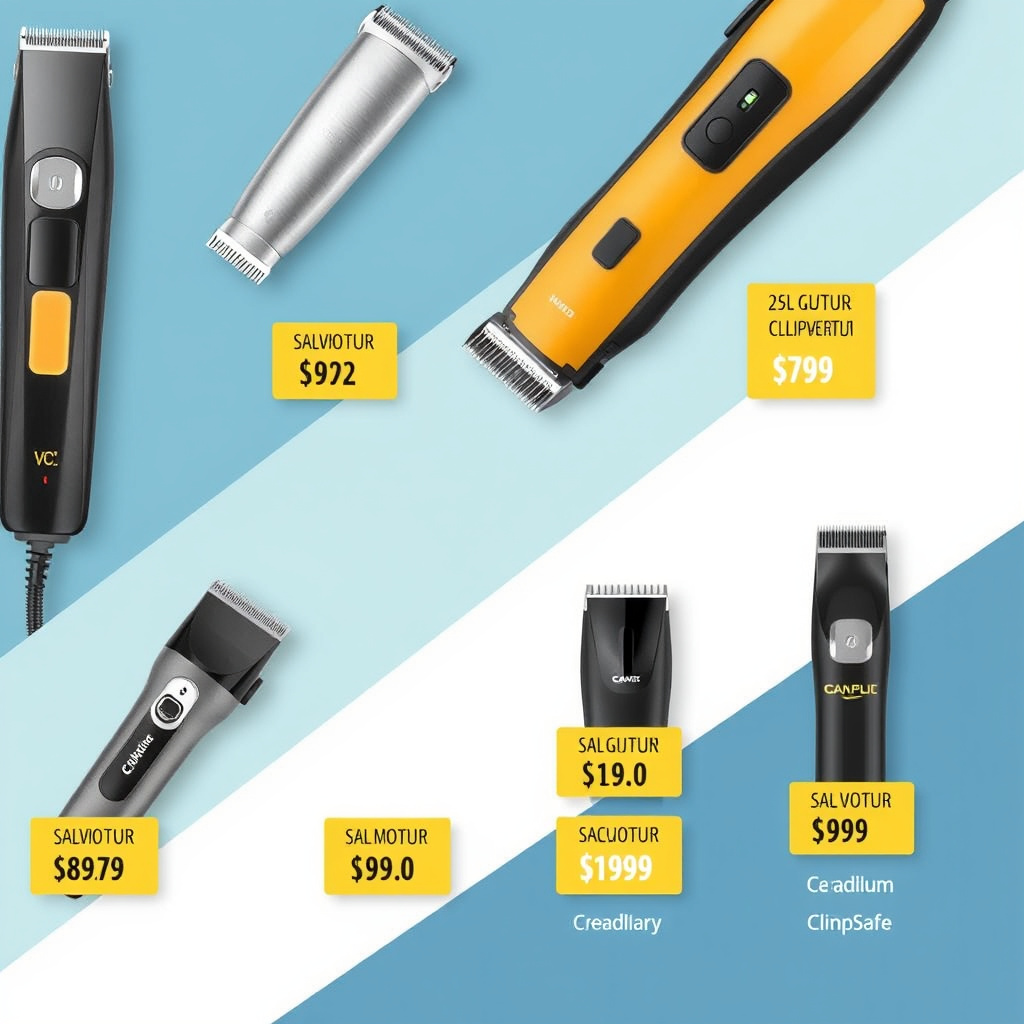
Corded Clippers Often Have Lower Upfront Costs
Corded clippers generally cost less upfront compared to cordless versions due to simpler components and absence of battery technology. This makes them appealing for budget-conscious buyers needing dependable, straightforward tools.
Because they don’t require battery replacements, their long-term expenses may also be lower, provided the power cord and motor are well maintained.
- Lower purchase price on average
- No battery replacement costs
- Minimal charging accessories needed
- Ideal for frequent users on budget
For more on this, see our related guide: Trimmer vs Clipper: What’s the Difference and Which One Should You Choose?.
Cordless Clippers Provide Added Value for Portability
Cordless clippers often command higher prices because of enhanced portability, convenience, and advanced battery technologies. Many supply charging docks and battery indicators that add to cost but improve user experience.
Value depends on user priorities; those who prize freedom and ease justify paying more for cordless convenience, especially for travel or mobile use.
- Higher upfront cost
- Includes battery and charging technology
- Increased user convenience
- Better suited for occasional or mobile use
Ideal Use Cases: When to Choose Cordless or Corded Clippers

Scenarios Favoring Corded Clippers
Professional barbers or users performing long grooming sessions may favor corded clippers due to their uninterrupted, powerful performance. Similarly, thick hair or pet grooming often demands consistent motor power provided by corded tools.
Stable power makes corded clippers better suited for routine haircuts where speed and reliability are priorities.
- Extended grooming sessions
- Thicker or denser hair types
- Professional or salon environments
- Users desiring uninterrupted power
For an in-depth historical and technical overview, the Hair clipper Wikipedia article is a useful resource. Hair clipper Wikipedia article.
When Cordless Clippers Are the Better Pick
Cordless clippers shine for flexibility and convenience. Home users who want convenience or those traveling benefit from portability and ease of cordless operation. They’re also preferred when power outlets are not readily accessible.
For quick touch-ups or on-the-go results, cordless models provide unmatched maneuverability and comfort.
- Travel and outdoor grooming
- Quick trims and touch-ups
- Users valuing ease of movement
- Areas without easy electrical access
Cordless vs Corded Clippers Category Comparison
The following table highlights key attributes to help decide between cordless and corded clippers based on your grooming needs.
| Category | Power Source | Mobility | Runtime | Cost | Maintenance | Best For |
|---|---|---|---|---|---|---|
| Corded Clippers | Plug-in electrical power | Limited by cord length | Unlimited with power | $40 – $100 | Cable care, blade sharpening | Professional use, long sessions |
| Cordless Clippers | Rechargeable battery | High, wireless freedom | 60 – 120 minutes | $60 – $150 | Battery care, blade cleaning | Home use, travel, quick trims |
| Hybrid Models | Battery with corded option | Moderate | Variable, can plug in when needed | $80 – $180 | Battery and cable care | Users needing flexibility and backup power |
| Pet Grooming Clippers | Often cordless, some corded | Varies | Varies | $50 – $140 | Depends on model | Specialized grooming needs |
Frequently Asked Questions
Are cordless clippers as powerful as corded ones?
Modern cordless clippers use advanced lithium-ion batteries and often match corded clipper power for typical grooming tasks, though corded models usually maintain stronger, continuous performance for thick hair or prolonged use.
Can I use cordless clippers while charging?
Some cordless clippers support use during charging, but many do not to protect the battery. Always check the manufacturer's instructions to avoid damage and maximize battery life.
Which type of clippers lasts longer overall?
Corded clippers generally last longer because they lack battery wear issues. Cordless models can degrade with battery aging but remain serviceable with proper care and occasional battery replacement.
Is battery maintenance difficult for cordless clippers?
Battery maintenance is simple: avoid fully draining batteries, charge before extended storage, and use recommended chargers. Regular blade cleaning also helps reduce battery load.
Do corded clippers require more setup time?
Corded clippers only need to be plugged in, which is quick but limits mobility. There's no downtime like charging, so setup is straightforward but fixed to an outlet.
Key Takeaways
- Corded clippers offer consistent power and unlimited runtime but restrict movement due to the cord.
- Cordless clippers provide freedom of movement and portability with limited battery runtime.
- Battery care affects cordless clipper lifespan, while corded clippers generally require less maintenance aside from blades.
- Choosing depends on specific needs: power and duration versus mobility and convenience.
Conclusion
Determining the right choice between cordless and corded clippers involves weighing your priorities in power, convenience, and usage context. Corded clippers excel when consistent power and prolonged use are needed, suitable for professional barbers or users with dense hair requiring strong motors. Cordless clippers, by contrast, offer mobility and comfort, perfect for home users, travelers, or quick touch-ups without tethering restrictions.
If your grooming sessions are lengthy or you prefer a no-fuss power source, traditional corded clippers provide reliable operation without worrying about battery life. Conversely, users who value flexibility, portability, or the ability to groom in any setting will find cordless clippers more aligned with their needs, especially models boasting fast recharge and robust battery technologies. Hybrid clippers can offer the best of both worlds but at higher cost.
Ultimately, starting with an honest assessment of where and how often you will use your clippers helps guide your selection. For home use and occasional trims, a cordless model with good battery life is advisable. For frequent, detailed, or professional styling, corded clippers remain the dependable choice. Reviewing user experiences and product reviews alongside this guidance will help you make a well-informed purchase decision.


