What Is a Nail Strengthener and How Can It Improve Your Nails?
A nail strengthener is a cosmetic product designed to reinforce weak, brittle, or peeling nails by creating a protective layer that enhances their durability and flexibility. Typically applied like nail polish, these strengtheners contain ingredients such as keratin, calcium, or proteins that help rebuild the nail's natural structure and reduce breakage.
Weak nails can be caused by frequent exposure to water, harsh chemicals, vitamin deficiencies, or aging. Without protection, nails become prone to splitting and cracking, which makes daily activities difficult and frustrating. Nail strengtheners offer an accessible solution for repairing and maintaining stronger nails.
This article explains the main types of nail strengtheners, the key ingredients that benefit nail health, how to apply them effectively, tips for integrating nail care practices, recommended products for different nail concerns, and answers to common questions about their use.
Understanding Nail Strengtheners: Types and Benefits

Types of Nail Strengtheners
Nail strengtheners come mainly in three forms: clear polish-like formulas, nail hardeners, and treatment serums. Clear polish formulas add a protective coating that locks moisture in while sealing the nail's surface. Hardeners incorporate additional chemicals like formaldehyde to toughen nails, but these can be too harsh for sensitive nails.
Treatment serums focus on nourishing and repairing nails with enriched blends of vitamins, proteins, and oils. These are usually designed for longer-term results and deeper conditioning rather than immediate hardening effects.
- Clear coat strengtheners – protective layer
- Nail hardeners – increase toughness
- Treatment serums – nourish and repair
Benefits of Using Nail Strengtheners
Regular use of a nail strengthener reduces nail brittleness, minimizes peeling, and improves flexibility. This supports faster nail growth and less damage during daily tasks.
Many strengtheners also contain moisturizing agents that prevent nails from drying out or becoming vulnerable to splitting. Over time, nails regain a smoother, healthier appearance.
Key Ingredients in Nail Strengtheners
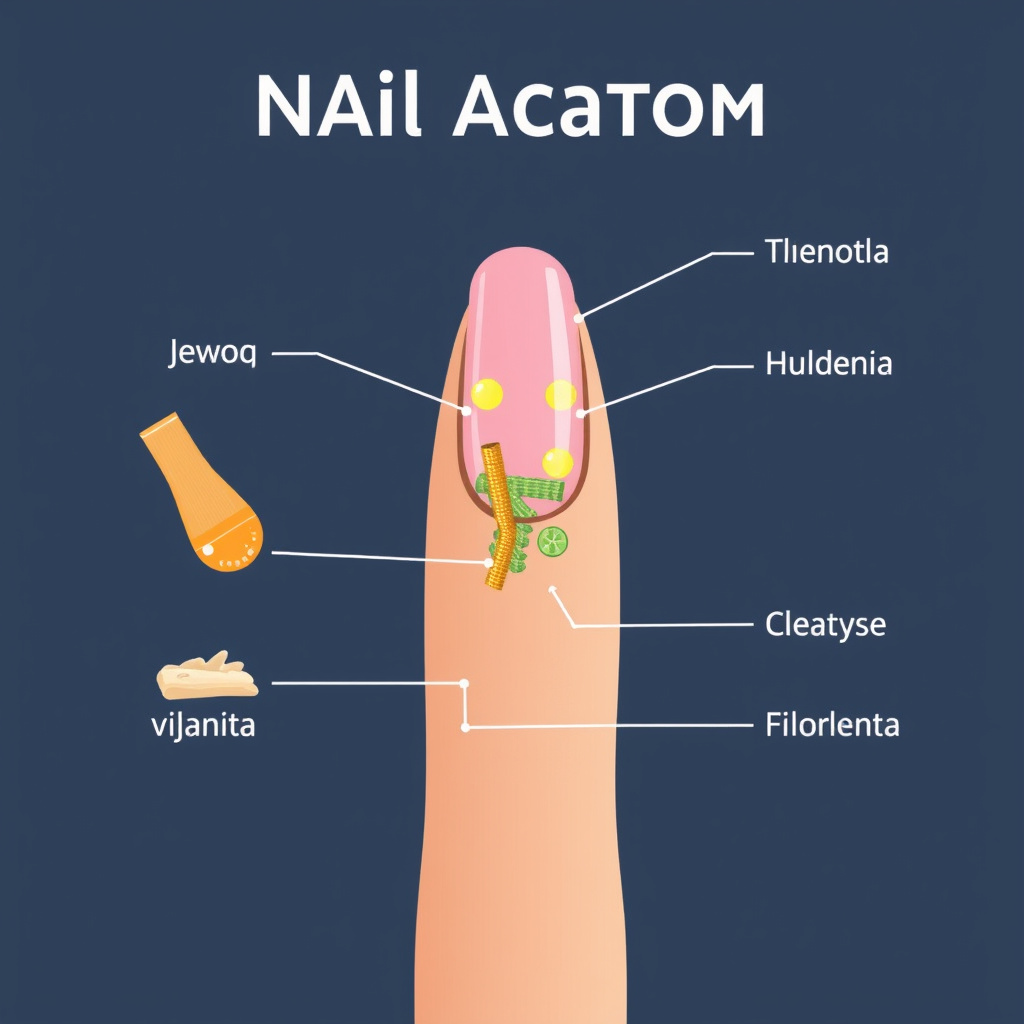
Building Blocks: Keratin and Proteins
Keratin is the primary protein forming nails. Quality nail strengtheners enhance keratin production or reinforce existing keratin fibers. Hydrolyzed proteins in formulations penetrate the nail surface to provide structural support, helping prevent cracks and splits.
Other proteins like collagen derivatives may also appear in some specialized products, boosting the resilience and flexibility of nails.
Vitamins and Moisturizers
Vitamin E, biotin, and panthenol are common nourishing ingredients included to promote healthier nail growth and hydration. These vitamins support cell regeneration and protect nails from oxidative damage caused by daily wear.
Moisturizing agents like jojoba oil, glycerin, and shea butter maintain nail hydration levels, which is key for reducing brittleness and splitting.
How to Use a Nail Strengthener for Best Results

Proper Nail Preparation
Before applying a nail strengthener, gently clean nails to remove oils and old polish that could block absorption. Using a nail buffer to smooth ridges helps the product adhere evenly.
Avoid using harsh nail files or pushing cuticles aggressively, which can weaken the nail bed.
- Wash hands and nails thoroughly
- Remove old polish completely
- Buff nails lightly for smooth surface
Application Tips and Frequency
Apply the nail strengthener in thin, even coats over bare nails, allowing each layer to dry completely before adding the next. Most products recommend reapplying every few days for consistent protection.
Avoid thick layers that take long to dry or become prone to chipping, which can diminish effectiveness.
- Apply thin coats evenly
- Let each coat dry fully
- Reapply every 2-3 days
Combining Nail Strengtheners with Healthy Nail Care Habits

Protecting Nails from Damage
Wearing gloves during water-intensive tasks or chemical exposure prevents excessive moisture loss and chemical damage. Regular moisturizing of nails and cuticles supports strength and flexibility.
Limiting frequent exposure to nail polish removers containing acetone reduces drying and brittleness.
- Use gloves for chores involving water
- Moisturize cuticles daily
- Avoid acetone-based removers often
Dietary and Lifestyle Factors
Consuming a balanced diet rich in vitamins and minerals like biotin, zinc, and omega-3 fatty acids contributes to naturally stronger nails. Staying hydrated and avoiding nail-biting habits also supports nail health.
Nail strengtheners work best when combined with these supportive lifestyle choices for sustained improvements.
Popular Types of Nail Strengtheners in the Market

Nail Strengthening Polishes
Nail strengthening polishes are widely available and offer an easy way to protect and improve nails. These clear or lightly tinted formulas act as a base or standalone product.
They often include ingredients like calcium and keratin, which give nails a denser and less fragile texture.
Treatment Serums and Oils
Serums provide concentrated nourishment with vitamins and oils designed to penetrate the nail bed deeply. These are recommended for nails that require intensive repair over time.
They may require longer-term consistent use to see visible improvements but are gentle for sensitive or damaged nails.
Potential Side Effects and When to Avoid Nail Strengtheners

Allergic Reactions and Irritations
Some nail hardeners contain formaldehyde or strong chemicals that can trigger allergic reactions such as redness, itching, or peeling skin around nails. Discontinue use immediately if irritation occurs.
Performing a patch test before the first full application helps identify sensitivity to such ingredients.
For more extensive information on nail care practices and products, see the nail care overview on Wikipedia. Nail care overview on Wikipedia.
When to Consult a Professional
If nail brittleness persists despite nail strengtheners or is accompanied by discoloration, pain, or fungal symptoms, seek advice from a dermatologist or healthcare professional.
Underlying health issues like infections or nutritional deficiencies may require targeted treatment beyond topical products.
Nail Strengthener Types Comparison
Here's a quick comparison of common nail strengthener types to help identify which suits your needs best.
| Type | Key Ingredients | Best For | Pros | Cons |
|---|---|---|---|---|
| Clear Polish Strengtheners | Calcium, Keratin | Mild brittleness, daily protection | Easy application, adds shine | Less intensive repair, temporary effect |
| Nail Hardeners | Formaldehyde derivatives | Severely weak, peeling nails | Strong hardening effect | Can cause irritation, not for sensitive nails |
| Treatment Serums | Biotin, Vitamins E & B, Oils | Nail repair, hydration | Nourishing, gentle | Requires longer use, no immediate hardening |
| Oil-based Strengtheners | Jojoba, Vitamin E oil | Dry or split nails | Moisturizes and strengthens | Less protective coating |
Frequently Asked Questions
Can nail strengtheners help with peeling nails?
Yes, nail strengtheners containing nourishing ingredients and protective coatings can reduce peeling by reinforcing the nail surface and improving moisture retention.
How often should I apply nail strengthener?
Typically, nail strengtheners should be applied every 2 to 3 days, with thin coats allowing full drying between applications for best results.
Are nail hardeners safe for sensitive skin?
Nail hardeners containing formaldehyde may irritate sensitive skin, so look for gentler strengtheners or serums if you experience sensitivity.
Will nail strengtheners make my nails grow faster?
Nail strengtheners primarily improve nail strength and prevent breakage, which can help nails appear longer over time but do not directly accelerate growth.
Can I use nail strengtheners with regular nail polish?
Yes, nail strengtheners can be used as a base coat under colored polish or on their own, but avoid layering too many products to prevent peeling.
Key Takeaways
- Nail strengtheners protect and reinforce weak or brittle nails by adding a durable layer or nourishing the nail bed.
- Key ingredients include keratin, calcium, biotin, vitamins, and moisturizing oils.
- Proper nail preparation and consistent application improve effectiveness.
- Choosing the right type depends on nail condition and sensitivity.
Conclusion
Choosing a nail strengthener involves examining your nail condition, sensitivity, and goals. For nails with mild brittleness, a clear polish strengthener enriched with calcium can provide effective protection and a smooth finish. Severely weak nails may benefit from stronger nail hardeners, though they should be used cautiously due to potential irritation. Treatment serums and oil-based formulations offer gentler, nourishing options ideal for long-term health improvements and are suitable for those with sensitive skin or concerns about dryness. Combining these products with good nail care habits enhances overall results.
If your nails frequently peel or break, integrating the best nail strengthener for brittle nails with careful preparation and hydration practices is essential. For example, applying a thin coat of a biotin-enriched serum every two days coupled with moisturizing cuticle oils can repair damage gradually. Alternatively, individuals seeking instant toughness might prefer nail hardeners used sparingly to avoid adverse effects. Assess your nail needs honestly before selecting a product and consider consulting a dermatologist if problems persist.
Start by picking a suitable nail strengthener based on your specific concerns and test it over a few weeks to observe changes. Regular maintenance, including gentle filing, wearing gloves for harsh tasks, and a nourishing diet, complements the benefits of any chosen nail care product. Taking these steps will help you build healthier nails with less breakage and a more polished appearance going forward.


