How to Do a Wash Day on Relaxed Hair for Healthier Strands
Doing a wash day on relaxed hair involves a specific routine of gentle cleansing, deep conditioning, and moisturizing to maintain hair health and prevent breakage. Start with a sulfate-free shampoo to avoid stripping natural oils, follow with a hydrating conditioner, then use a deep treatment to restore moisture. Detangling carefully while the hair is damp and soft is essential to minimize damage.
Relaxed hair undergoes chemical processing that can weaken strands, which is why a dedicated wash day helps recover strength and improve manageability. Proper care during wash day encourages hair elasticity, reduces frizz, and supports long-term hair growth by keeping the scalp clean without harsh abrasives. It’s a foundation for maintaining smooth, aligned strands coated with conditioning oils.
This article will guide you through the step-by-step wash day process tailored for relaxed hair, from preparing your hair before washing, selecting appropriate cleansing products, to post-wash moisturizing and protective styling. Additionally, tips on detangling and recommended product types will help you achieve consistent shine and softness.
Preparing Relaxed Hair for Wash Day

Pre-Wash Treatments
Applying a pre-wash treatment like natural oils or a moisturizing pre-poo treatment helps shield relaxed hair from shampoo’s drying effects. Coconut oil or olive oil can penetrate the hair shaft, softening strands and easing detangling.
This step also softens the buildup on your scalp and hair, preparing the strands for cleansing without excessive dryness. Leave the pre-wash treatment on for 15-30 minutes before rinsing to improve moisture retention.
- Use lightweight oils like jojoba or argan
- Try a conditioner-based pre-poo mask
- Avoid heavy butter-based products that weigh hair down
Sectioning and Detangling Before Washing
Divide hair into manageable sections to minimize tension while washing and detangling. Carefully detangle each part with a wide-tooth comb or finger detangling, focusing from the ends up to the roots.
This approach helps reduce breakage and prevents knotting during washing. Always detangle gently on dampened hair with slip from pre-wash products or water.
- Work in 4-6 sections
- Use detangling spray or conditioner slip
- Be gentle and patient to avoid hair loss
Effective Cleansing Techniques for Relaxed Hair

Choosing the Right Shampoo
Sulfate-free shampoos are recommended for relaxed hair as they cleanse without stripping natural oils, which protects your hair’s moisture balance. Look for shampoos enriched with hydrating ingredients like aloe vera, glycerin, or keratin.
Avoid clarifying shampoos too frequently, as they can be harsh. Instead, use them sparingly when buildup from styling products is noticeable.
- Select moisturizing, sulfate-free shampoos
- Limit shampooing to once a week or biweekly
- Use clarifiers only once every few washes
Proper Shampoo Application and Rinse
Apply shampoo to the scalp and gently massage with fingertips to lift dirt and oils. Avoid scrubbing vigorously, which can damage fragile relaxed strands. Let the suds cleanse the length during rinsing rather than applying shampoo directly to the ends.
Rinse hair thoroughly with lukewarm water to remove residue without drying out the hair shaft.
- Focus on scalp cleansing
- Use light finger pressure without nails
- Rinse completely to avoid buildup
Deep Conditioning and Moisturizing Steps
Selecting a Deep Conditioner for Relaxed Hair
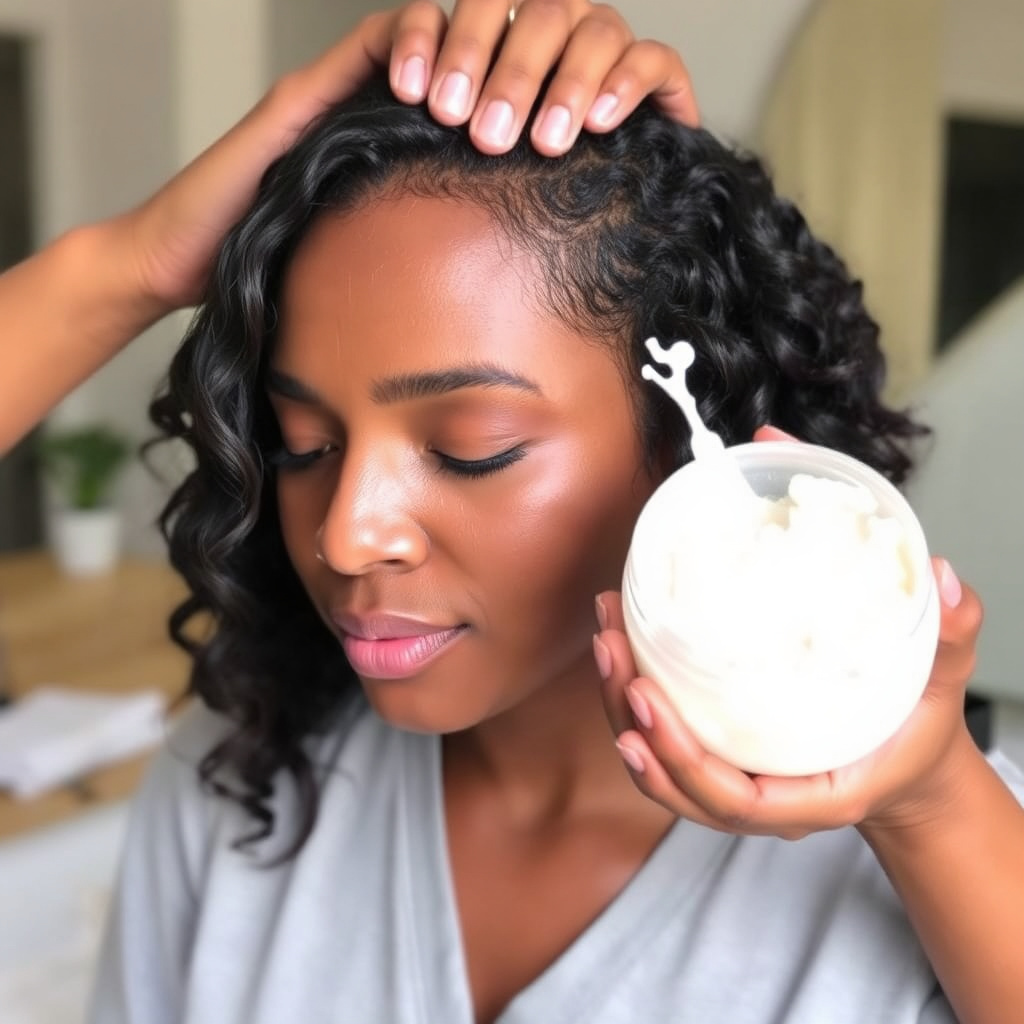
Deep conditioners designed for relaxed hair usually contain proteins, emollients, and humectants to rebuild strength, lock in moisture, and smooth the cuticle layer. Ingredients like hydrolyzed keratin, shea butter, and glycerin are particularly effective.
Choosing the right product addresses the weakened areas caused by chemical relaxing, helping maintain elasticity and prevent breakage.
- Look for protein-rich deep conditioners
- Prioritize moisturizing ingredients
- Avoid heavy silicones that build up
For more on this, see our related guide: What Type of Bonnet Is Best for Locs: Protecting Your Hair Overnight.
Application and Heat Activation Techniques
After shampooing, apply deep conditioner generously, section by section, focusing on mid-lengths to ends, which are typically drier. Cover your hair with a plastic cap and use heat (like a hooded dryer or warm towel) to help the conditioner penetrate deeper.
Leave the treatment on for at least 20-30 minutes before rinsing with cool water to seal the hair cuticle and retain moisture.
- Use warm heat to boost conditioning
- Concentrate on dry, damaged ends
- Rinse with cool water to close cuticle
Detangling and Styling After Wash Day

Safe Detangling Methods
Post-wash detangling should be done carefully on damp hair with a leave-in conditioner or detangling spray to provide slip. Use a wide-tooth comb starting from the tips to gradually work out knots upwards, minimizing breakage.
Avoid using fine-tooth combs or brushes on wet relaxed hair, which increases mechanical damage.
- Detangle when hair is damp, not soaking wet
- Work in small sections for control
- Be gentle to avoid snapping fragile strands
Moisturizing and Protective Styling
After detangling, apply a light moisturizer and seal with an oil or butter to lock in hydration. Protective styles like loose buns or braids help maintain moisture balance and protect relaxed hair from environmental stressors.
Avoid tight styles that stress the roots and cause traction alopecia.
- Use leave-in conditioners for moisture
- Seal with natural oils such as jojoba or olive
- Choose gentle protective hairstyles
Maintaining Scalp Health on Relaxed Hair Wash Days

Scalp Cleansing and Exfoliation
Cleansing your scalp during wash day removes buildup and excess oils that can clog follicles. Gentle scalp massages boost circulation and promote hair growth. Occasionally, using a mild scalp exfoliant helps remove dead skin cells.
Choose scrubs formulated for sensitive scalps to avoid irritation or dryness common in chemically treated hair.
- Use gentle scalp scrubs once a month
- Massage scalp with fingertips for 3-5 minutes
- Avoid harsh chemicals that irritate
For more on this, see our related guide: How to Protect Relaxed Hair at Night: Tips for Maintaining Smooth, Healthy Strands.
Post-Wash Scalp Care
After washing, keep your scalp moisturized with lightweight oils or scalp serums to prevent flaking and itching. Avoid heavy products that clog pores and create buildup, which can hinder healthy hair growth.
Maintaining a healthy scalp environment supports the strength of relaxed hair strands from the roots.
- Apply scalp oils sparingly
- Choose non-comedogenic products
- Keep scalp clean but hydrated
Choosing the Best Products for Relaxed Hair Wash Days

Shampoos, Conditioners, and Treatments
Effective wash day starts with using shampoos and conditioners formulated for relaxed hair that prioritize hydration and protein balance. Protein treatments help rebuild damaged bonds, while moisturizing conditioners maintain softness.
Select products free of harsh sulfates, parabens, and alcohols to avoid further drying or damaging your chemically relaxed strands.
- Hydrating, sulfate-free shampoos
- Protein-enriched deep conditioners
- Leave-in conditioners with silicone-free formulas
For more detailed hair science and chemical relaxing background, check out this overview on relaxed hair care guidelines. Relaxed hair care guidelines.
Detanglers, Oils, and Styling Aids
Detangling sprays with nourishing ingredients reduce friction during combing, preventing breakage. Natural oils like argan, jojoba, and castor oil help seal moisture post-wash and provide shine.
Lightweight styling creams or gels protect hair from humidity while allowing gentle hold without buildup.
- Use detangling sprays with slip
- Apply oils to seal moisture
- Pick styling products without drying alcohols
Relaxed Hair Wash Day Product Category Comparison
This table compares common product categories used during a wash day on relaxed hair, highlighting their benefits and cautions.
| Product Category | Best For | Key Ingredients | Cautions |
|---|---|---|---|
| Sulfate-Free Shampoo | Gentle cleansing without stripping | Aloe vera, glycerin, mild surfactants | May not remove heavy buildup quickly |
| Clarifying Shampoo | Removing buildup from styling products | Chelating agents, mild surfactants | Can dry and weaken hair if overused |
| Protein Deep Conditioner | Strengthening chemically treated hair | Hydrolyzed keratin, silk protein | Overuse can cause stiffness or dryness |
| Moisturizing Deep Conditioner | Replenishing moisture and softness | Shea butter, glycerin, oils | May weigh down fine hair if too heavy |
| Detangling Spray | Reducing friction during combing | Silicone alternatives, botanical extracts | Can build up if not washed out regularly |
Frequently Asked Questions
How often should I wash relaxed hair?
Typically, washing relaxed hair every 7 to 14 days helps maintain moisture balance and scalp health while minimizing breakage risks.
Can I use any shampoo on relaxed hair?
Using shampoos designed for relaxed hair, preferably sulfate-free and moisturizing, protects chemically treated strands from excess dryness and damage.
Is it necessary to deep condition every wash day?
Deep conditioning regularly is key to restoring moisture and protein lost during chemical relaxing, so it should be part of most wash days.
What’s the best way to detangle relaxed hair after washing?
Detangle gently on damp hair with a wide-tooth comb or fingers, using a leave-in conditioner or detangling spray for slip to avoid breakage.
Should I use heat when deep conditioning relaxed hair?
Applying mild heat during deep conditioning helps the product penetrate the hair shaft more effectively, improving moisture retention and strength.
Key Takeaways
- Start wash day with pre-wash treatments to protect relaxed hair.
- Use sulfate-free shampoos and hydrating conditioners.
- Deep conditioning with heat boosts moisture and strength.
- Gentle detangling on damp hair prevents damage.
Conclusion
The best approach to managing wash day on relaxed hair balances gentle cleansing with targeted moisture and protein replenishment. Since relaxed hair is chemically altered and more vulnerable to damage, each step should focus on maintaining integrity and softness. Preparing hair with oils, cleansing with suitable shampoos, applying deep conditioners, and careful detangling all contribute to healthier strands resistant to breakage and dullness. Maintaining a consistent routine while adapting product choices to hair’s changing needs over time is key to long-term health.
When considering specific product categories and techniques, sulfate-free shampoos provide a gentle wash experience that retains natural oils, while clarifying shampoos serve occasional buildup removal purposes. Protein and moisturizing deep conditioners complement each other depending on hair strength and hydration levels. Detangling sprays and natural oils support easier styling and moisture sealing post-wash. Protective styling and scalp care complete the regimen by minimizing external stress and promoting a clean growth environment. Tailoring these elements addresses the multiple aspects relaxed hair requires for consistent vibrancy and resilience.
Starting your next wash day with this knowledge empowers you to make informed choices about products and steps customized for your hair’s unique condition. Whether it’s adding a pre-poo oil treatment, incorporating heat with your deep conditioner, or switching to lightweight moisturizing products, small adjustments can greatly improve your hair’s texture and manageability. Regular care on wash days maintains strength and softness, helping you enjoy beautifully relaxed hair day after day.