How to Protect Hair from Sun Damage: Effective Strategies for Healthy Locks
Protecting hair from sun damage involves using physical barriers like hats or scarves, applying UV-protectant sprays, and maintaining moisture with deep conditioning treatments. These steps prevent dryness, color fading, and brittleness caused by prolonged exposure to UV rays.
Sunlight contains ultraviolet (UV) radiation that breaks down the hair’s protein structure, weakens strands, and causes scalp dryness. Over time, this can result in split ends, dullness, and hair loss, making it essential to actively guard hair when spending extended periods outdoors.
This article covers various methods to protect hair from sun damage, including physical protection, product recommendations, care routines, dietary considerations, and choosing styles that help minimize harmful effects while keeping your hair healthy and vibrant.
Physical Protection Techniques to Shield Hair from the Sun

Using Hats and Scarves for Sun Protection
Wearing hats or scarves is one of the most effective ways to guard hair and scalp from UV damage. Wide-brimmed hats block direct sunlight exposure, reducing heat and harmful rays that can dehydrate hair strands and cause scalp burns.
Lightweight scarves made from breathable materials can also serve as convenient sun shields, especially during outdoor activities. These accessories complement hair care routines by minimizing cumulative sun exposure and protecting against color fading.
- Choose hats with UV protection fabric
- Opt for breathable scarf materials
- Cover both hair and scalp
- Use accessories consistently outdoors
Avoiding Peak Sun Hours
Limiting outdoor time during peak sun hours, typically between 10 a.m. and 4 p.m., significantly reduces UV impact on hair. Early mornings or late afternoons offer gentler sunlight, decreasing the chance of severe sun damage and dryness.
If exposure during these hours is unavoidable, complement this approach with additional protective measures such as UV-hair sprays and hydrating treatments to maintain hair’s moisture balance and structural integrity.
Hair Care Products That Help Prevent Sun Damage

UV Protection Sprays and Leave-in Conditioners
Specialized UV-protection sprays form a shield on the hair cuticle, deflecting harmful rays and reducing oxidative damage. These sprays should be applied before sun exposure and can be reapplied throughout the day for continuous defense.
Leave-in conditioners enriched with antioxidants and moisturizers help maintain hydration and repair minor sun damage. Look for ingredients like vitamin E, aloe vera, and keratin to strengthen hair and restore softness.
- Apply sprays evenly from root to tip
- Choose products suited to your hair type
- Reapply after swimming or sweating
For more on this, see our related guide: How to Do a Scalp Detox for Healthier Hair and Skin.
Deep Conditioning and Hydrating Treatments
Regular deep conditioning treatments replenish moisture lost due to sun exposure. These intensive masks restore elasticity, reduce brittleness, and minimize split ends caused by UV damage.
Opt for hydrating ingredients like shea butter, argan oil, and jojoba oil to nourish and protect hair fibers. Use weekly treatments especially during summer months or after prolonged outdoor activities.
- Use weekly after sun exposure
- Focus on mid-lengths and ends
- Follow product instructions for best results
Daily Habits to Maintain Hair Health Under Sun Exposure

Rinsing Hair After Outdoor Activities
Rinsing hair with fresh water after being outdoors washes away salt, chlorine, sweat, and pollutants that exacerbate sun damage. This simple step prevents residue buildup that can dry out hair and weaken strands.
Complement rinsing with gentle shampoo and conditioner formulations formulated to repair and hydrate sun-exposed hair, promoting scalp health and preventing further moisture loss.
Minimizing Heat Styling and Chemical Treatments
Heat styling tools and chemical treatments increase hair fragility, especially when combined with sun exposure. Reducing these practices during summer or sunny periods helps hair retain natural oils and strengthens its sun defense.
Allowing hair to air dry and embracing natural styles supports structural integrity and reduces breakage caused by UV-induced dryness and heat stress.
- Limit use of straighteners and curling irons
- Delay coloring or bleaching in summer
- Apply heat protectants when styling
Diet and Hydration's Role in Hair Sun Protection

Nutrients That Support Hair Resilience
A diet rich in vitamins A, C, D, E, zinc, and omega-3 fatty acids plays a vital role in hair strength and repair. These nutrients promote healthy scalp function and protect hair follicles from oxidative stress caused by UV rays.
Foods like salmon, nuts, leafy greens, and citrus fruits help boost natural antioxidants and collagen production, which improves hair elasticity and minimizes sun damage effects.
- Include fatty fish for omega-3
- Consume colorful fruits and vegetables
- Opt for nuts and seeds regularly
For more on this, see our related guide: What Type of Hair Color Is Best for Dark Skin Tones?.
Staying Hydrated for Hair Moisture
Adequate water intake maintains scalp hydration and prevents dryness that intensifies sun damage. Dehydrated hair is more prone to breakage and dullness, so drinking plenty of fluids supports overall hair health.
Couple hydration with moisturizing hair products to lock in water content throughout the day, especially during hot, sunny weather.
- Drink at least 8 glasses of water daily
- Use hydrating sprays and conditioners
- Avoid excessive caffeine and alcohol
Choosing Protective Hairstyles Against Sun Damage
Benefits of Braids and Updos
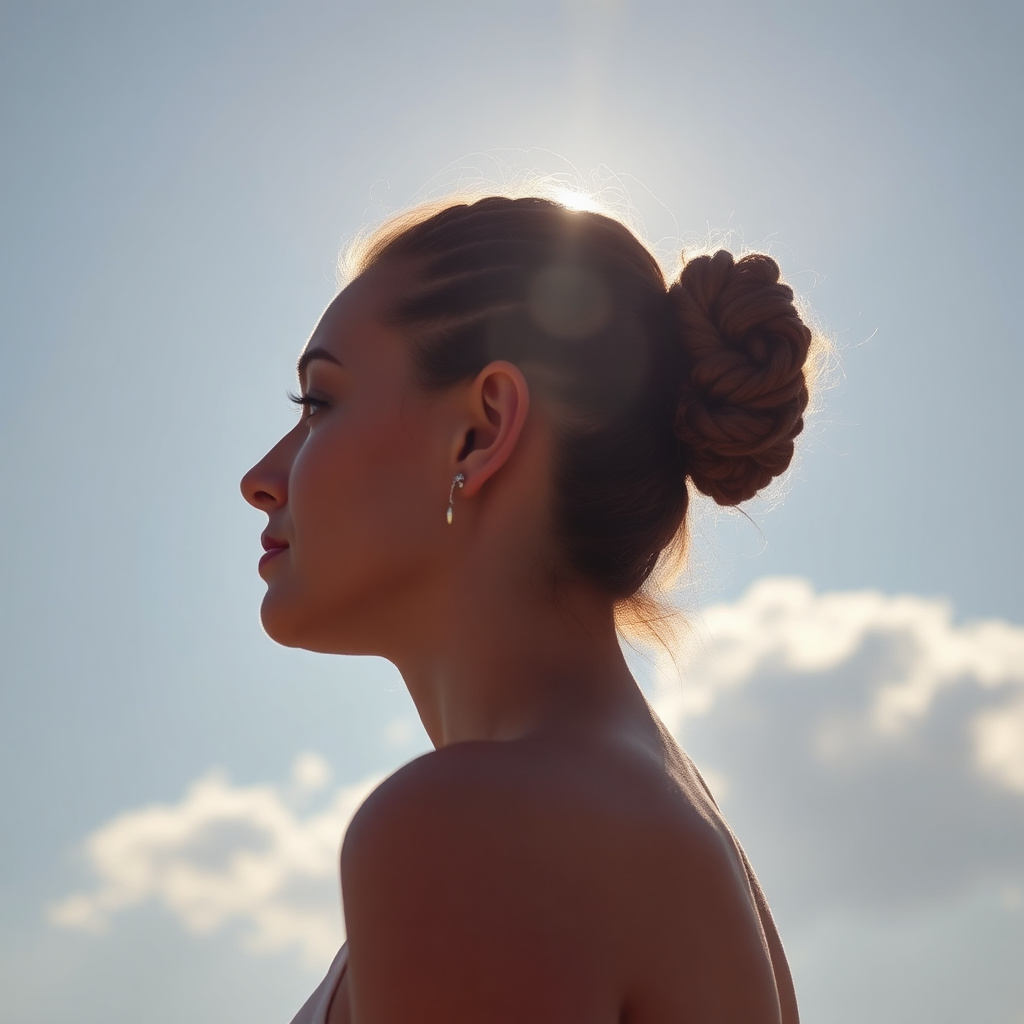
Braids and updos reduce the amount of hair surface exposed to sunlight. These styles keep strands intertwined and protected, lowering the risk of UV-induced breakage and reducing hair tangling from wind exposure.
Additionally, tightly secured hairstyles prevent hair from rubbing against clothing or gear, which can lead to mechanical damage and weaken the hair structure further under sun stress.
- Try French or Dutch braids
- Wear loose buns or ponytails
- Avoid overly tight styles that stress scalp
To explore the science behind sun damage to hair, refer to this detailed article on hair damage from ultraviolet radiation. Hair damage from ultraviolet radiation.
Using Hair Accessories for Added UV Defense
Accessories like UV-protective hairbands, scarves, and silk wraps provide extra layers against sun exposure while adding style. Silk fabrics reduce friction and help retain moisture better than cotton alternatives.
Choose accessories designed specifically for sun protection or UV-resistant fabrics to combine function with fashion.
- Select UV-rated hairbands
- Use silk or satin scarves
- Change accessories regularly to avoid odor
Comparison of Hair Sun Protection Methods
Here is a comparison of common hair sun protection methods based on ease, effectiveness, and maintenance.
| Method | Ease of Use | Effectiveness | Maintenance Required |
|---|---|---|---|
| Wearing Hats | High | Very High | Low |
| UV Protection Sprays | Medium | High | Medium |
| Deep Conditioning Treatments | Low | Medium | High |
| Protective Hairstyles | Medium | Medium | Medium |
| Diet and Hydration | High | Supports Overall Health | Consistent |
| Avoiding Peak Sun Hours | Low | Very High | Low |
Frequently Asked Questions
Can sun damage to hair be reversed?
Sun damage can’t be completely reversed, but deep conditioning, regular trims, and proper sun protection help restore hair health and reduce visible damage over time.
Are UV protection sprays safe for all hair types?
UV protection sprays are generally safe for all hair types. Choose a formula suited to your hair texture and avoid products with harsh chemicals for sensitive scalps.
Does sunscreen protect hair as well as skin?
Sunscreen for skin doesn’t protect hair effectively. Use hair-specific UV protection products or physical barriers like hats designed to shield hair from sun exposure.
How often should I deep condition in summer?
Deep conditioning once a week is ideal during summer months to replenish moisture lost from sun exposure, swimming, and heat styling.
Is it better to tie hair up or leave it down in the sun?
Tying hair up in protective styles like braids or buns reduces sun exposure and minimizes damage compared to leaving hair loose.
Key Takeaways
- Use physical barriers like hats or scarves to block UV rays.
- Apply UV protection sprays and deep conditioners regularly.
- Maintain a nutrient-rich diet and stay hydrated for hair resilience.
- Choose protective hairstyles to limit sun exposure on strands.
Conclusion
When protecting hair from sun damage, a balanced approach combining physical protection, effective products, healthy habits, and supportive nutrition works best. Understanding how UV rays affect hair helps create a routine to preserve strength, moisture, and color vibrancy, which is key to long-term hair health under sun exposure.
For those frequently outdoors, using hats alongside UV protection sprays provides immediate barrier defense, while deep conditioning maintains the moisture that sunlight tends to strip away. Protective hairstyles like braids add an extra layer of security by minimizing direct exposure. Meanwhile, supporting hair from within through diet enhances its natural resistance against environmental stressors.
Start by incorporating a UV spray into your morning ritual, choosing sun-safe hairstyles, and prioritizing hydration throughout the day. Supplement these steps with occasional deep treatments and nutrient-rich foods to strengthen hair over time. Taking these actions will help maintain your hair’s vitality and shine, even after extended sun exposure.