How to Do an Aloe Vera Hair Mask for Healthier, Shinier Hair
Doing an aloe vera hair mask is simple: you extract fresh aloe vera gel from the leaf, blend or whisk until smooth, then apply it evenly to clean, damp hair, focusing on the scalp and ends. Leave it on for 30 to 45 minutes before rinsing thoroughly with lukewarm water.
Aloe vera contains proteolytic enzymes that help repair dead skin cells on the scalp and conditions your hair, promoting healthier growth and reducing dandruff. Its moisturizing properties soothe irritation and add a natural shine that many commercial hair products struggle to deliver without harmful chemicals.
This article will walk you through choosing the right aloe vera, preparing the gel, applying the mask correctly, and tips for combining aloe vera with other natural ingredients. It also covers how often to use the mask and what types of hair benefit the most from this treatment.
Extracting and Preparing Aloe Vera Gel for Hair Masks
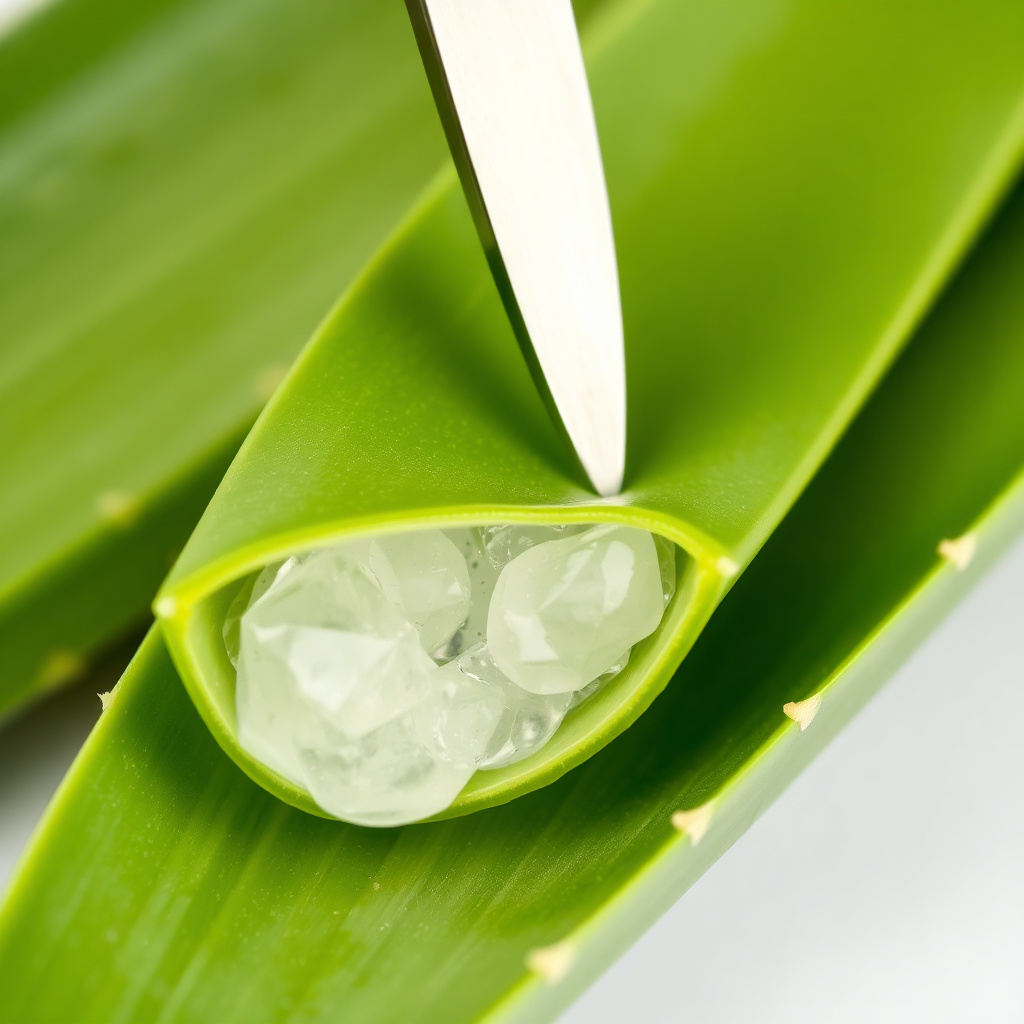
Choosing Fresh Aloe Vera Leaves
Select thick, fleshy aloe vera leaves from mature plants, preferably older than six months, to ensure maximum gel content and potency. Avoid leaves that look dry or damaged as their gel might have deteriorated.
Store leaves in the refrigerator wrapped in plastic if you’re not using them immediately, as cooler temperatures help preserve the gel's beneficial enzymes and nutrients.
Extracting and Storing the Gel
Cut the leaf close to the base and wash it thoroughly to remove any dirt or sap which can irritate the scalp. Slice off the spiky edges and the top green layer to scoop out the clear, slippery gel inside with a spoon.
For longer storage, keep the extracted gel in an airtight container in the refrigerator for up to a week or freeze it in ice cube trays to maintain freshness for months.
Applying the Aloe Vera Hair Mask Effectively

Preparing Your Hair and Skin
Wash your hair with a gentle shampoo and towel dry to remove surface dirt, making the aloe vera gel absorb better into your scalp and strands. Slight dampness helps spread the gel evenly without dripping.
Perform a patch test on your wrist or behind your ear before applying fully to check for any allergic reaction or sensitivity to aloe vera.
Step-by-Step Application Process
Using fingers or a brush, apply aloe vera gel starting at the scalp, massaging gently in circular motions to stimulate blood flow and nourish hair follicles. Work through the lengths of your hair to seal in moisture.
Wrap your hair in a warm towel or shower cap to trap heat and help the nutrients penetrate the hair shaft. Keep the mask on for 30 to 45 minutes before rinsing with lukewarm water without shampoo, avoiding harsh chemicals.
Enhancing the Mask with Natural Ingredients

Adding Moisturizing Oils
Mixing aloe vera gel with oils like coconut, olive, or argan oil boosts hydration, reduces frizz, and strengthens hair strands. Oils penetrate the hair cortex to replenish lost lipids, improving elasticity and shine.
Use about one tablespoon of oil per quarter cup of aloe vera gel for a richer consistency that’s easy to apply and rinses well without leaving residue.
For more on this, see our related guide: How to Moisturize Hair After a Relaxer for Lasting Softness and Shine.
Including Soothing and Clarifying Ingredients
Honey acts as a natural humectant, locking moisture into the hair, while lemon juice adds natural shine and can help reduce dandruff by balancing scalp pH. Both complement aloe vera’s scalp-calming effects.
Be cautious with lemon juice quantity—use no more than one tablespoon per half cup of aloe vera gel to avoid dryness or scalp irritation, especially for sensitive scalps.
Frequency and Hair Types for Aloe Vera Hair Masks

How Often to Apply
For normal to oily hair, once a week is sufficient to maintain scalp health and hydration. Dry or damaged hair can benefit from twice weekly applications to restore moisture and softness.
Avoid daily use as excessive aloe vera can sometimes cause buildup or dryness depending on individual scalp and hair conditions.
Suitability for Different Hair Types
Curly and wavy hair responds well to aloe vera masks thanks to its moisturizing properties, which reduce frizz without heaviness. Fine hair benefits from the light conditioning that doesn’t weigh strands down.
Those with color-treated or chemically processed hair find aloe vera masks gentle and restorative, aiding in repairing damage while maintaining hair color vibrancy.
Common Mistakes to Avoid When Using Aloe Vera Hair Masks

Using Aloe Vera Gel with Additives
Store-bought aloe vera gels often contain preservatives, alcohol, or fragrances that may dry out hair or irritate the scalp. Always check ingredient labels or use fresh gel extracted from the leaf for best results.
Avoid gels with added colors or synthetic chemicals that counteract aloe vera’s natural benefits.
For more on this, see our related guide: How to Deep Condition Braids: A Complete Care Guide.
Not Rinsing Properly or Leaving Mask Too Long
Leaving aloe vera gel on hair for more than an hour can cause stickiness or scalp irritation. Rinse thoroughly with lukewarm water to remove all residue which can attract dust or oils causing buildup.
Insufficient rinsing often leads to scalp itching or flakiness, cancelling the mask’s soothing advantages.
Storing Aloe Vera Hair Masks Safely

Shelf Life of Aloe Vera Gel
Fresh aloe vera gel lasts about a week in the refrigerator when stored in an airtight container. Discoloration or a sour smell signals it has gone bad and should be discarded.
Avoid exposing gel to sunlight or heat which breaks down active enzymes and reduces its effectiveness for hair care.
For further reading on aloe vera's botanical and medicinal properties, visit Aloe vera on Wikipedia. Aloe vera on Wikipedia.
Freezing and Using Pre-made Masks
For convenience, freeze aloe vera gel in ice cube trays and thaw small portions as needed to maintain nutrient quality. Combined masks with oils or honey should be prepared fresh or stored no longer than three days.
Label frozen portions with dates and use within three months for maximum potency, thawing overnight in the refrigerator before application.
Comparison of Aloe Vera Hair Mask Variations
This table summarizes different aloe vera hair mask types, ingredients used, hair benefits, and recommended hair types for clarity in choosing your ideal option.
| Mask Type | Key Ingredients | Hair Benefits | Recommended Hair Types |
|---|---|---|---|
| Basic Aloe Vera Gel | Pure aloe vera gel | Soothes scalp, moisturizes hair | All hair types, especially sensitive scalp |
| Aloe Vera + Coconut Oil | Aloe vera gel, coconut oil | Deep hydration, frizz control | Dry, curly, and damaged hair |
| Aloe Vera + Honey | Aloe vera gel, honey | Locks moisture, adds shine | Normal to dry hair |
| Aloe Vera + Lemon Juice | Aloe vera gel, lemon juice | Clarifies scalp, reduces dandruff | Oily and dandruff-prone hair |
| Aloe Vera + Argan Oil | Aloe vera gel, argan oil | Strengthens, softens hair | Color-treated and fine hair |
Frequently Asked Questions
Can I use store-bought aloe vera gel for hair masks?
Store-bought aloe vera gels may contain additives that can irritate the scalp or dry hair. It's best to use fresh gel or carefully check ingredient labels for pure, natural products without alcohol or fragrances.
How long should I leave the aloe vera hair mask on?
The recommended duration is between 30 and 45 minutes. Leaving it on longer can cause stickiness or irritation. Always rinse thoroughly afterward with lukewarm water.
How often should I apply an aloe vera hair mask?
For most hair types, once a week is enough to maintain hydration and scalp health. Dry or damaged hair can benefit from applying twice a week but avoid daily use to prevent buildup.
Can aloe vera hair masks help with dandruff?
Yes, aloe vera’s enzymes and anti-inflammatory properties soothe the scalp and help reduce dandruff when applied regularly, especially when combined with clarifying ingredients like lemon juice.
Is aloe vera suitable for color-treated hair?
Absolutely. Aloe vera hydrates and strengthens hair gently without stripping color, making it a good natural treatment for chemically treated or color-treated hair.
Key Takeaways
- Fresh aloe vera gel from mature leaves offers the best benefits for hair masks.
- Apply the mask to clean, damp hair and leave it on for 30–45 minutes.
- Combine aloe vera with oils or honey for enhanced hydration and shine.
- Use once weekly for normal hair or twice for dry, damaged hair.
Conclusion
Choosing to incorporate an aloe vera hair mask into your hair care routine offers a natural way to improve scalp health and hair condition. By extracting fresh gel and applying it thoughtfully, you support your hair’s moisture balance and reduce issues like dryness, frizz, and dandruff. The mild, enzymatic action of aloe vera nourishes hair follicles while soothing irritation, promoting stronger, shinier strands over time. A clear methodical approach avoids mistakes like leftover residue or overuse that can detract from results.
When deciding which aloe vera mask variation fits your hair best, consider your hair texture and needs. For instance, those with dry, coarse hair will benefit most from aloe vera combined with moisturizing oils such as coconut or argan oil, which add deep nourishment and smooth frizz. People dealing with dandruff or oily scalp conditions may want to add a splash of lemon juice to enhance scalp clarity. For fine or color-treated hair, aloe vera masks without heavy oils maintain light hydration without weighing hair down or dulling color vibrancy.
To get started, prepare fresh aloe vera gel and try a simple mask by itself first to test sensitivity and results. Gradually incorporate supplemental ingredients if desired, and stick to weekly applications to see consistent improvement. Regular use offers durable improvements in texture, scalp comfort, and shine—providing an easy, cost-effective way to care for your hair naturally at home.



2 Comments