How to Style 4C Hair: Practical Tips for Definition and Moisture
Styling 4C hair is all about embracing its natural texture and providing the right moisture and definition methods that work specifically for this coily, tightly curled hair type. Popular ways to style 4C hair include twist-outs, braid-outs, wash-and-go styles, and protective styles like braids and bantu knots. These techniques highlight the hair’s natural volume and intricate curl patterns without causing damage.
This hair texture is unique because it tends to be more fragile and prone to dryness, which means selecting the right moisturizing products and gentle styling methods is essential. Proper care ensures the hair maintains elasticity and shine, avoiding breakage and shrinkage. Styling 4C hair is not just about looks but also about supporting healthy hair growth.
In this article, we’ll go over various styling options based on different hair goals, explain proper preparation and maintenance, suggest suitable hair products, and highlight protective hairstyles that safeguard your hair’s health while making styling easier.
Understanding 4C Hair Texture and Its Styling Needs
Characteristics of 4C Hair
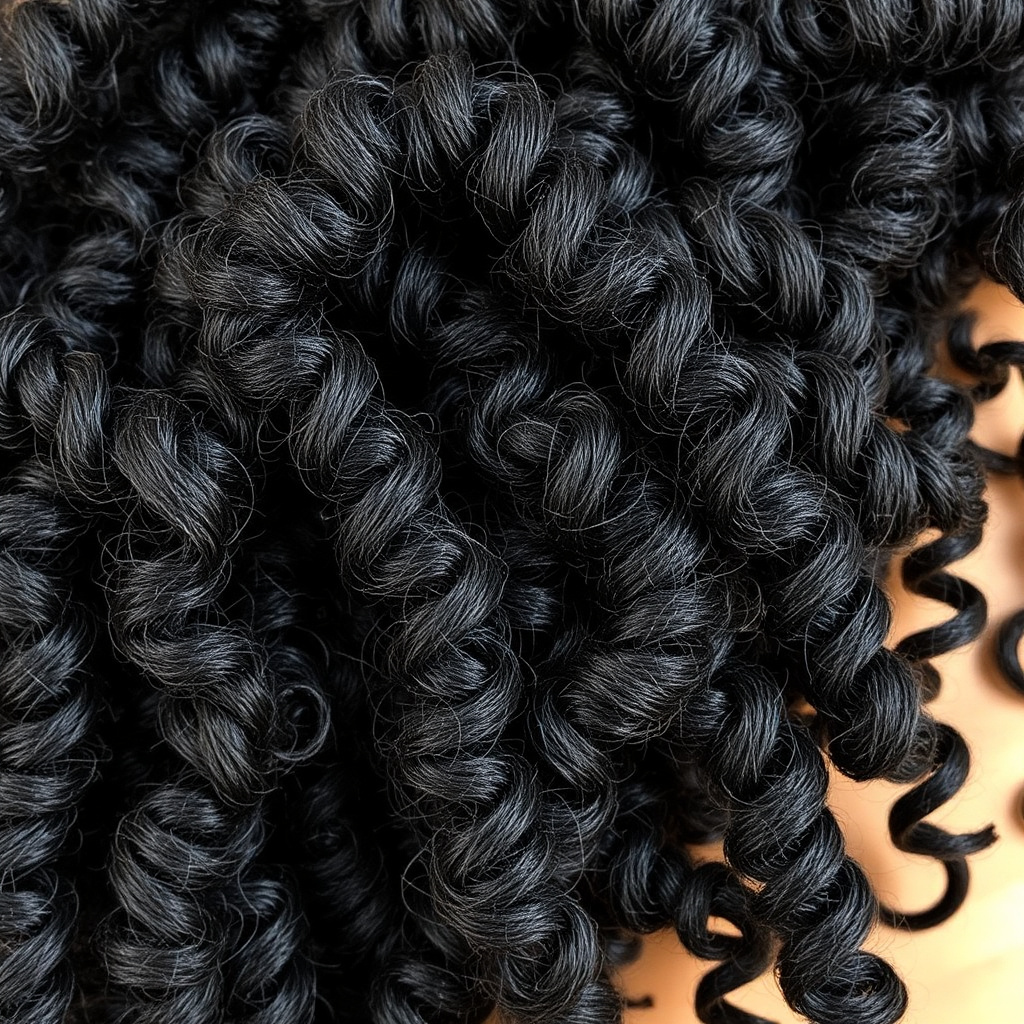
4C hair has the tightest curls in the hair typing system, often with little to no defined curl pattern visible. Its coils are densely packed and can shrink up to 70% of their actual length when dry. This hair type is naturally dry due to the curl shape, which limits the scalp’s natural oils from traveling down the strand evenly.
Because of this dryness and fragility, 4C hair requires more moisture and gentle handling. Detangling should be done slowly and preferably when hair is wet with conditioner to avoid breakage. Styling products need to focus on hydration and hold without causing buildup.
Why Styling 4C Hair Is Different
Unlike looser curl patterns, 4C hair thrives with thicker creams and butters that lock in moisture better than lighter gels or sprays. It benefits from low-manipulation styles that reduce stress on the hair shaft. This means styles like twist-outs, braid-outs, and protective styles are preferred for both appearance and health.
Temperature tools should be used sparingly because heat can easily cause brittleness and damage in 4C hair. Instead, air drying or diffusing with low heat settings is recommended to maintain hair integrity during styling.
Preparing 4C Hair for Styling

Washing and Conditioning Routine
Begin styling with clean hair by using sulfate-free shampoos that won't strip natural oils. Follow with a deep conditioner rich in hydrating ingredients like shea butter, honey, or avocado oil to replenish moisture.
Regular deep conditioning, about once a week or biweekly, helps strengthen strands and reduce dryness. Leave-in conditioners with humectants aid in retaining moisture before applying styling products.
- Use sulfate-free shampoo
- Apply deep conditioner weekly
- Use leave-in conditioner for moisture
Detangling Strategies
Always detangle 4C hair while it’s damp and coated with conditioner or hair oil. Using a wide-tooth comb or fingers minimizes breakage and controls shedding. Starting from ends and working upward is key to preventing damage.
Detangling in sections simplifies the process and distributes product evenly. This step prepares hair for styling and helps define curls when finishing products are applied.
- Detangle with conditioner
- Work in small sections
- Use fingers or wide-tooth comb
Popular Styling Techniques for 4C Hair
Twist-Outs and Braid-Outs
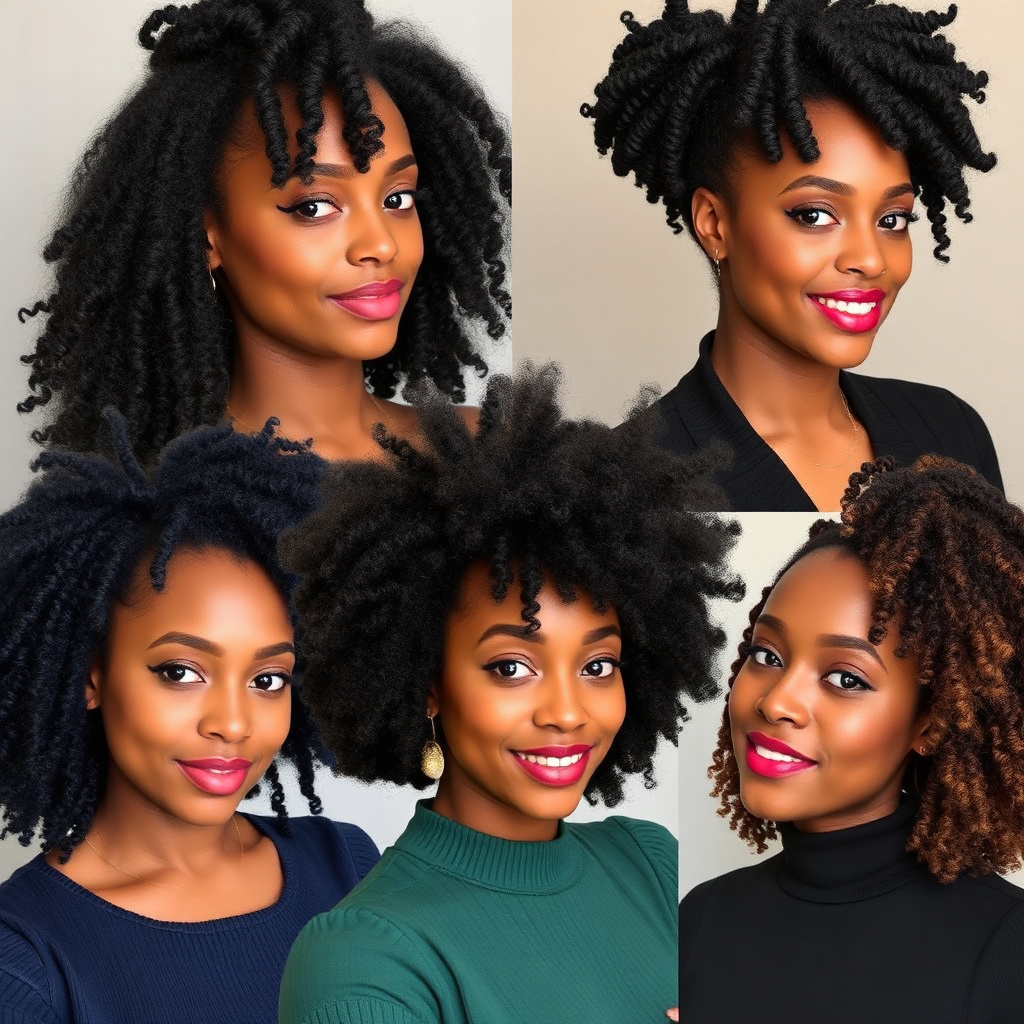
Twist-outs and braid-outs create defined curls by manipulating wet or damp hair into twists or braids, then unraveling them once dry. Using a moisturizing cream or gel before twisting locks in moisture and reduces frizz.
These styles add length definition and volume, giving the hair a stretched, uniform curl look that highlights 4C coils without heat damage.
- Apply moisturizer before twisting
- Allow hair to fully dry
- Unravel gently for definition
For more on this, see our related guide: What Type of Haircut Is Best for Natural Hair: A Practical Guide.
Wash-and-Go Styles
Wash-and-go is a low-manipulation style where freshly washed and conditioned hair is styled immediately, usually with a curl-enhancing gel or cream. The goal is to showcase natural curl patterns with minimal effort.
For 4C hair, using thick hydrating gels and applying evenly in sections helps maintain moisture. Diffusing or air drying works best to preserve curl integrity and minimize shrinkage.
- Use curl-defining gel or cream
- Apply in sections
- Diffuse or air dry gently
Using Products for 4C Hair Styling
Choosing the Right Moisturizers and Oils
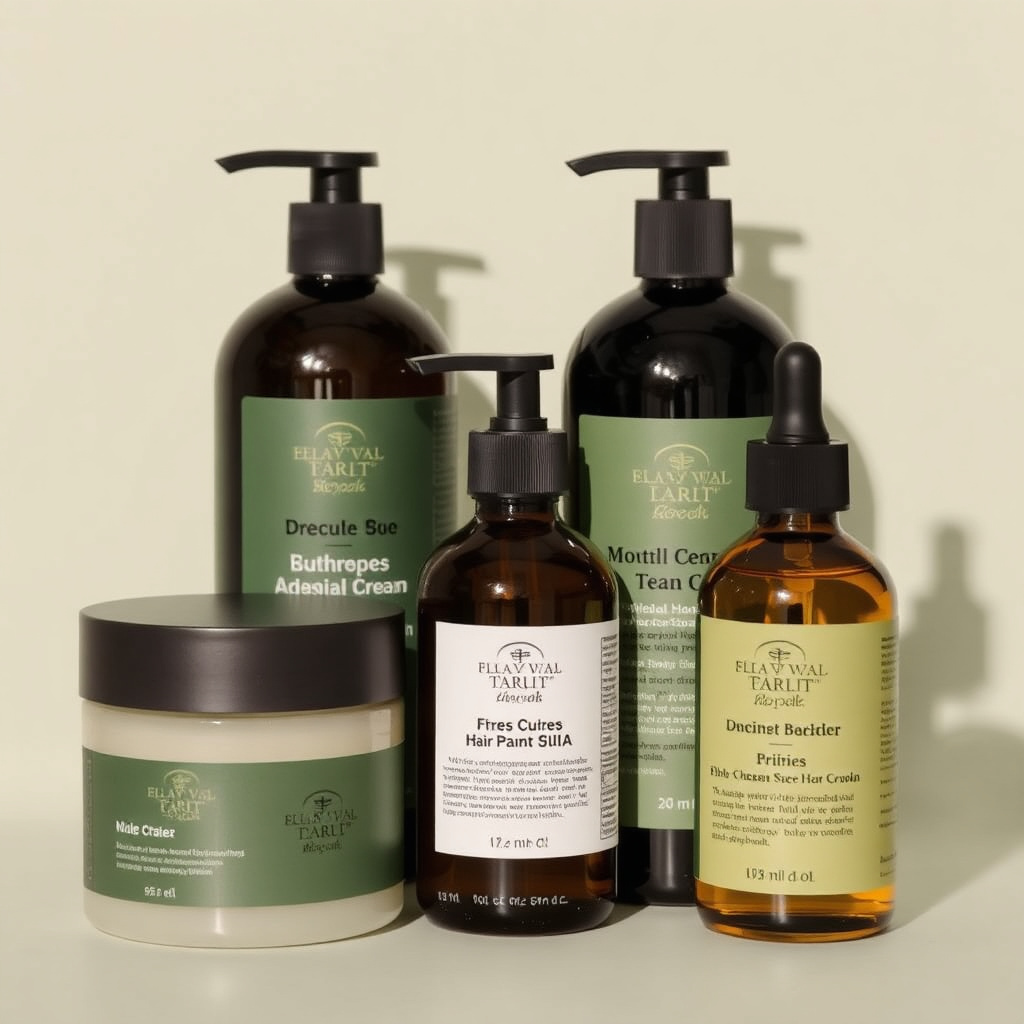
Moisture retention is crucial for 4C hair. Rich creams containing shea butter, mango butter, or coconut oil provide essential hydration. Oils like jojoba, castor, or argan seal moisture and add shine.
Applying moisturizers on damp hair before sealing with oils prevents dryness throughout the day and helps styles last longer without flaking or stiffness.
- Shea butter cream
- Jojoba or castor oil
- Apply on damp hair
Gels and Styling Custards
For hold and curl definition, gels and custards designed for natural hair work well. Look for alcohol-free options to avoid drying out hair. These products help set styles like wash-and-go or twist-outs by controlling frizz and maintaining shape.
Styling gels with natural ingredients support healthy hair by adding light hold without buildup, which can weigh down coils or cause scalp issues.
- Alcohol-free gels
- Natural ingredient based
- Provide curl hold and frizz control
Protective Styling for 4C Hair Health

Benefits of Protective Styles
Protective styling involves hairstyles that minimize manipulation and stress on the hair strands, such as braids, twists, and bantu knots. These styles shield the ends from environmental damage and reduce breakage.
By reducing daily handling, protective styles help conserve moisture and promote length retention, a common goal for those growing out 4C hair.
- Reduce breakage
- Retain length
- Lock in moisture
For more on this, see our related guide: How to Do Mini Twists: A Step-by-Step Guide for All Hair Types.
Common Protective Styles for 4C Hair
Popular protective styles include box braids, cornrows, twists, and wig or weave installations that allow the natural hair to rest. These can last several weeks with proper maintenance, reducing daily styling time.
Bantu knots not only protect but can also double as a styling method, producing defined curls when unraveled.
- Box braids
- Cornrows
- Bantu knots
- Twists
Maintaining 4C Hair Styles for Longevity

Nighttime Care Routines
One of the easiest ways to maintain styled 4C hair is to protect it while sleeping. Using satin or silk scarves, bonnets, or pillowcases reduces friction that leads to breakage and frizz.
Refreshing hair in the morning with a light mist of water or leave-in conditioner can revive styles without the need to redo the entire look.
- Use satin or silk scarves
- Protect hair from friction
- Morning light mist for refresh
For a detailed explanation of hair textures including 4C hair, see this 4C hair type overview. 4C hair type overview.
When to Restyle and Refresh
Avoid excessive restyling that pulls and stresses hair. Depending on the style, you may keep it for one to three weeks before reshaping or redoing it. Pay attention to scalp health and wash hair regularly to remove product buildup.
Refreshing twists or braids with moisturizing sprays or light oils helps maintain scalp cleanliness and hair softness between washes.
- Limit restyling frequency
- Wash to remove buildup
- Moisturize between styles
4C Hair Styling Methods Comparison
Here’s a quick comparison of different styling methods suited for 4C hair, highlighting their pros and cons to help you pick the best option.
| Styling Method | Look Achieved | Maintenance Level | Moisture Retention | Ideal For |
|---|---|---|---|---|
| Twist-Outs | Defined, stretched curls | Medium | High | Daily wear and curl definition |
| Braid-Outs | Textured, crimped appearance | Medium | High | Voluminous looks with less frizz |
| Wash-and-Go | Natural, coil-defined style | Low to Medium | Medium | Showcasing natural texture quickly |
| Protective Styles | Varied (braids, twists) | Low | High | Hair growth and breakage prevention |
| Bantu Knots | Curly, voluminous curls when undone | Medium | High | Versatile protective and styling option |
Frequently Asked Questions
Can I use heat styling tools on 4C hair?
Using heat tools on 4C hair is possible but should be done sparingly and with proper heat protectants. Excessive heat can cause damage, dryness, and breakage, so low heat settings and minimal use are advisable.
How often should I moisturize 4C hair before styling?
Moisturize 4C hair every time you style, ideally on damp hair using creams or leave-in conditioners to seal in hydration. Regular moisturizing helps maintain softness and reduces breakage.
What’s the best way to prevent shrinkage in 4C hair?
Shrinkage can be managed by stretching techniques such as twist-outs, braid-outs, or banding styles. These styles elongate the hair coils without heat and showcase more length.
Are there specific products recommended for 4C hair styling?
Products rich in natural oils, butters, and moisturizing agents, like shea butter creams and alcohol-free gels, work best for styling 4C hair to keep it hydrated and defined.
How do I protect my 4C hair while sleeping?
Wrap your hair with a satin or silk scarf or use a satin bonnet or pillowcase. These materials reduce friction that causes breakage and frizz, helping your style last longer.
Key Takeaways
- 4C hair needs rich moisture and gentle handling for healthy styling.
- Twist-outs, braid-outs, and protective styles work well for enhancing 4C texture.
- Choosing the best products for 4c hair, like butters and alcohol-free gels, boosts definition and moisture retention.
- Nighttime protection with satin or silk is essential for style longevity and hair health.
Conclusion
Styling 4C hair successfully comes down to understanding its unique texture and needs. Its tightly coiled pattern requires more moisture and careful methods that avoid unnecessary manipulation or harsh chemicals. By prioritizing hydration, gentle detangling, and low-manipulation styles, anyone with 4C hair can achieve beautiful, defined looks while preserving hair health and encouraging growth. The main keyword 'how to style 4C hair' is about adapting both techniques and products to complement natural curl structure rather than fighting it.
For those wanting everyday easy styles that showcase texture, twist-outs and braid-outs offer a balance of manageable maintenance and attractive curl definition. Protective styles like box braids or bantu knots provide long-term damage prevention, making them ideal for hair growth goals. Incorporating the best products for 4c hair, especially thick moisturizing creams and alcohol-free gels, can vastly improve styling outcomes by maintaining moisture and hold without buildup or dryness.
The next step for anyone on this styling journey is to experiment with these options while noting how your individual hair responds. Emphasizing consistent moisturizing routines and gentle handling combined with protective styling will help maintain shine, reduce breakage, and make styling time easier. Exploring tried-and-true routines tailored specifically to 4C hair unlocks the beauty in its natural coils and promotes healthier, longer hair.


One Comment