How to Deep Condition Braids: A Complete Care Guide
Deep conditioning braids is critical for maintaining healthy, hydrated hair under protective styles. To deep condition braids, begin by gently detangling the hair if possible, then apply a nourishing deep conditioner or treatment to your scalp and the hidden hair. Cover your braids with a plastic cap and allow the conditioner to penetrate for 20 to 30 minutes before rinsing thoroughly with cool water to lock in moisture.
Because braids can limit moisture absorption, skipping deep conditioning can lead to dryness, breakage, and scalp irritation. Deep conditioning restores elasticity, hydration, and softness, making your hair easier to manage both during and after braids. It also nourishes the scalp, promoting healthy hair growth beneath the protective style.
This article covers the step-by-step process of deep conditioning braids, choosing the right products, timing strategies during your protective style, and expert tips for maximum moisture retention. Additionally, you’ll find advice on how to identify when your hair needs extra care and how to avoid common mistakes that reduce the effectiveness of conditioning treatments.
Preparing Your Hair and Scalp for Deep Conditioning Braids
Proper Cleansing Before Conditioning
Before deep conditioning, thoroughly cleanse your scalp and braids to remove dirt, sweat, and product buildup. Use a gentle sulfate-free shampoo or a diluted shampoo mix to avoid overly stripping your hair. Focus on the scalp using your fingertips to stimulate blood flow, then rinse carefully without disrupting the braids.
Proper cleansing creates a clean base that allows conditioners to penetrate effectively. Avoid harsh shampoos that dry the scalp or cause frizz in your braids. Pre-pooled water or steam can help open cuticles slightly for better absorption during deep conditioning.
- Choose gentle, sulfate-free shampoo
- Dilute shampoo with water for gentle application
- Massage scalp softly with fingertips
- Rinse carefully to protect braid integrity
Selecting the Right Deep Conditioning Products
The best deep conditioning treatments for braids are those with hydrating and protein-rich ingredients that penetrate through the braid structure. Look for products containing natural oils (like coconut, jojoba, or argan), shea butter, and hydrolyzed proteins that strengthen hair fibers.
Avoid heavy creams or silicones that can build up on braids or weigh them down. Lightweight formulations with humectants such as glycerin help maintain moisture balance. If you have a sensitive scalp, also choose formulas designed to soothe and reduce itching.
- Products with natural oils and butter
- Hydrolyzed protein formulas
- Lightweight, non-greasy texture
- Soothing ingredients for sensitive scalp
Applying and Timing Your Deep Conditioning Treatment

How to Apply Conditioner to Braided Hair
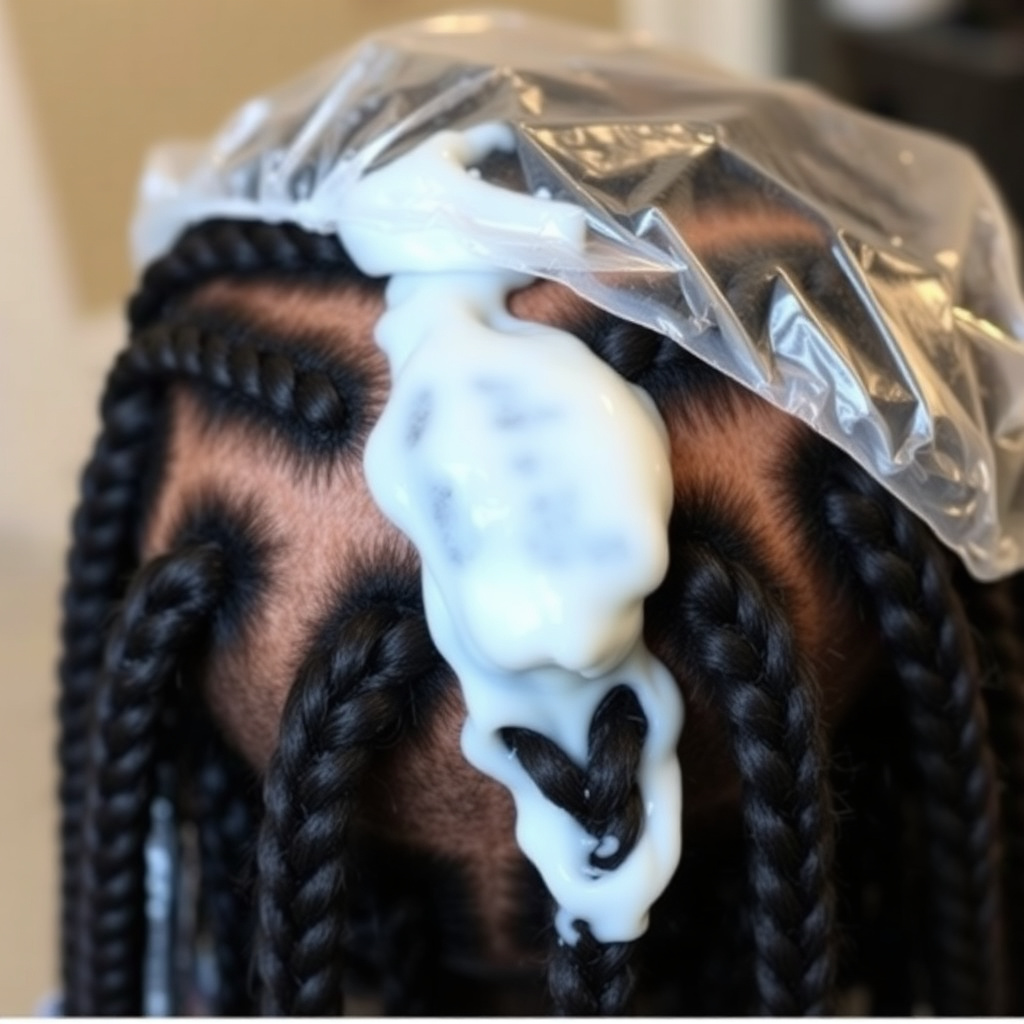
Apply the conditioner evenly to your scalp and along the length of your braids, focusing on the hair underneath. Use your fingers or a spray bottle to distribute the product without disturbing the braid patterns. Avoid saturating your scalp to prevent excess buildup.
Cover your hair with a plastic cap to trap heat and enhance product absorption. Heat opens the cuticle and helps the deep conditioner penetrate the braid layers. For extra effect, you can use a warm towel or a hooded dryer over the cap.
- Apply to scalp and braid lengths
- Avoid oversaturating scalp
- Cover with plastic cap
- Use heat for better absorption
For more on this, see our related guide: How to Choose the Best Hair Services in Salon for Your Style Needs.
Optimal Timing and Frequency
Leave deep conditioning treatments on for 20 to 30 minutes to maximize moisture absorption without risking buildup. For intense dryness, you can extend to 45 minutes, but avoid overnight treatments under braids as they may cause product residue.
Frequency varies based on hair type and braid length but generally once every 1-2 weeks provides good maintenance. If your scalp feels dry or itchy sooner, humidity and sweat levels can guide more frequent conditioning.
- 20-30 minutes standard treatment time
- Avoid overnight deep conditioning on braids
- Condition every 1-2 weeks
- Adjust frequency according to scalp moisture
Post-Conditioning Care for Braids

Rinsing Techniques to Retain Moisture
Rinse your braids with cool or lukewarm water to close the cuticle and seal moisture. Avoid hot water since it can dry hair strands and frizz braids. Direct water pressure gently along braids rather than rubbing to protect hair integrity.
If rinsing is difficult, consider rinsing outside the shower over a sink or basin to limit water exposure and better control product removal while preserving moisture.
- Use cool or lukewarm water for rinsing
- Avoid hot water to prevent frizz
- Rinse gently without disturbing braids
- Use sink or basin rinsing if needed
Drying and Sealing Moisture After Conditioning
After rinsing, gently blot your braids with a microfiber towel or cotton T-shirt to soak up excess water without creating frizz. Avoid rubbing motions. Follow with a lightweight leave-in conditioner or natural oil to seal moisture.
Allow braids to air dry completely or use a hooded dryer at low heat to avoid damp scalp issues that can lead to itching or odor.
- Use microfiber towel for blotting
- Apply lightweight leave-in conditioner or oil
- Air dry or use low heat dryer
- Ensure complete drying to prevent scalp issues
Common Mistakes to Avoid When Deep Conditioning Braids

Overloading Hair with Heavy Products
Using heavy creams or excessive product can cause buildup on braids, leading to dullness and scalp irritation. Braids have limited ventilation, so buildup traps sweat and debris. Stick to lightweight, nourishing formulas and avoid layering too many products.
Overuse also weighs down your braids, reducing their lifespan and aesthetic appeal. Less is more when it comes to deep conditioning treatments under braids.
- Avoid heavy, waxy products
- Limit product quantity
- Choose lightweight conditioners
- Prevent buildup to protect scalp health
For more on this, see our related guide: Mountain Star Salon Services: A Complete Guide to Pampering Yourself.
Skipping Regular Scalp Care
Ignoring scalp hygiene while deep conditioning can result in itchiness, dryness, and flakiness under braids. Incorporate scalp massages, cleansing sprays, or light moisturizers as part of your routine to maintain balance.
Even if deep conditioning adds moisture to strands, the scalp itself needs targeted care to stay healthy. Address scalp needs between conditioning sessions for best results.
- Use scalp cleansing sprays regularly
- Incorporate gentle scalp massages
- Moisturize scalp with light oils
- Do not neglect scalp during braid care
Maintaining Hair Health Throughout Your Braids

Protective Styling Benefits and Limits
Braids offer excellent protection for your natural hair by reducing manipulation, but they can also trap moisture and make hair prone to dryness if not cared for properly. Deep conditioning plays a key role in offsetting these limitations by hydrating hair under the style.
Understanding how your hair responds to braids and adjusting your conditioning routine accordingly will help prevent damage and breakage during extended wear.
For more background on protective styles like braids and their benefits, you can explore the detailed explanation about protective hairstyles. Protective hairstyles.
Signs Your Hair Needs Extra Deep Conditioning
If your scalp feels tight, itchy, or flaky, or if your braids appear dull and rough to the touch, these are signs you need extra deep conditioning. Listen to your hair’s texture and scalp signals to time your treatments accurately.
Overly dry or brittle braids may benefit from more frequent conditioning or adding a light pre-shampoo oil treatment to boost moisture retention.
- Tight, itchy scalp
- Dull or rough braid texture
- Brittle hair under braids
- Consider more frequent treatment
Comparison of Common Deep Conditioning Treatments for Braids
Here’s a quick overview of different deep conditioning options to suit various hair types and braid needs.
| Treatment Type | Key Ingredients | Pros | Cons |
|---|---|---|---|
| Cream-Based Masks | Shea butter, oils, proteins | Highly moisturizing and nourishing | Can be heavy and cause buildup if overused |
| Liquid Leave-In Treatments | Glycerin, aloe vera, light oils | Lightweight and easy to apply | May require frequent reapplication |
| Protein Treatments | Hydrolyzed keratin, silk proteins | Strengthens and repairs damaged hair | Can cause stiffness if overused |
| Hot Oil Treatments | Coconut oil, olive oil, castor oil | Penetrates deeply to restore moisture | May weigh down braids if not rinsed properly |
| Steam-Activated Conditioners | Water-based, humectants | Enhanced absorption with heat | Needs access to steaming tools or hooded dryer |
Frequently Asked Questions
Can I deep condition braids without removing them?
Yes, deep conditioning can be done while braids are in place by applying product to the scalp and exposed hair, then covering with a plastic cap to allow absorption. Just avoid soaking the scalp excessively to prevent buildup.
How often should I deep condition my braids?
Deep conditioning every 1-2 weeks is generally sufficient for maintaining moisture under braids, but dry hair or scalp issues may require weekly treatments.
What is the best way to apply deep conditioner to braids?
Use your fingers or a spray bottle to apply conditioner evenly to the scalp and braid lengths, focusing on hair underneath, then cover with a plastic cap and apply gentle heat for better absorption.
Can heavy conditioners damage braids?
Heavy conditioners can cause buildup on braids, leading to dullness and scalp irritation. It's best to use lightweight formulas specifically designed for hair in protective styles.
Should I rinse out deep conditioner completely when braids are installed?
Yes, rinsing out deep conditioner fully prevents residue buildup that can irritate the scalp or weigh down braids, which can reduce their longevity.
Key Takeaways
- Deep conditioning braids hydrates and strengthens hair under protective styling.
- Use gentle cleansing and lightweight, protein-rich products for best results.
- Apply conditioner to scalp and braid strands, cover with heat for 20-30 minutes.
- Avoid heavy products and maintain scalp hygiene between treatments.
Conclusion
Knowing how to deep condition braids allows you to safeguard your natural hair’s health while enjoying the convenience and style of protective braids. A deliberate approach involves cleansing the scalp gently before conditioning, choosing suitable products that balance hydration and protein, applying treatments properly, and rinsing or drying carefully. This method preserves both hair softness and braid neatness over the protective style’s duration.
In particular, light cream-based masks and steam-activated conditioners offer excellent moisture without weighing braids down. For hair prone to damage, occasional protein treatments can rebuild strength, while hot oil treatments serve as potent moisture seals. Careful observation of your scalp’s dryness or braid texture helps fine-tune the frequency and type of conditioning needed, avoiding pitfalls like buildup or dryness.
To start, pick a trusted deep conditioning product formulated for braids or protective styles, cleanse your hair lightly, and experiment with application times within 20 to 30 minutes to find what works best for your hair texture. Maintaining this routine every couple of weeks, combined with regular scalp care, keeps your hair resilient and your braids looking fresh. Your next step should be sourcing a high-quality conditioner that matches your hair’s needs and trying out these conditioning techniques consistently.