How to Moisturize Fine Hair Without Weighing It Down
To moisturize fine hair properly, opt for lightweight, water-based products that hydrate without adding heaviness. Use a gentle leave-in conditioner or light hair oils sparingly to maintain moisture balance. Avoid thick creams and heavy butters that can quickly weigh down fine strands.
Fine hair tends to dry out easily but also loses volume if handled with heavy moisturizers. Proper hydration is key to keeping it soft, shiny, and manageable without making it limp or greasy. Balancing moisture while preserving natural bounce requires careful product and technique choices.
This article explores how to identify suitable moisturizers for fine hair, application tips to maximize hydration while maintaining volume, and common mistakes to avoid. It will also compare different product categories to help you find the best lightweight hair moisturizers tailored to your hair’s needs.
Understanding Moisture Needs of Fine Hair

Why Fine Hair Requires Different Moisturizing Approaches
Fine hair has a smaller diameter and less natural oil coating, making it prone to dryness yet vulnerable to being weighed down by heavy products. Its delicate structure means moisture retention needs a light, balanced approach to avoid limpness and oily buildup.
Because fine strands can't hold thick creams or dense conditioners well, the aim should be to maintain hydration with easily absorbed formulas that keep hair flexible and prevent brittleness without sacrificing volume.
Common Issues from Over-Moisturizing Fine Hair
Applying too much product or using rich conditioners can cause fine hair to appear greasy and flat. Excess residue clumps strands together, reducing natural lift and volume, and can even lead to scalp buildup that diminishes scalp health.
Over-moisturizing may also disrupt the hair’s natural oil production cycle, causing dryness as the scalp reacts by producing less oil. Staying mindful of amount and type of moisturizer can prevent these issues.
Choosing the Right Products to Moisturize Fine Hair

Best Lightweight Hair Moisturizers for Fine Strands
Water-based leave-in conditioners and sprays infused with hydrating ingredients like glycerin, aloe vera, and panthenol work well for fine hair. They nourish without residue or weight, making hair feel soft and fresh rather than greasy.
Lightweight hair oils such as argan or jojoba, applied sparingly—typically to ends only—can add moisture and shine without overwhelming fine strands.
- Water-based leave-in sprays
- Light nourishing serums
- Light oils like argan or jojoba applied sparingly
- Avoid heavy creams and butters
Ingredients to Avoid in Fine Hair Moisturizers
Heavy silicones, waxes, and butters should be avoided since they coat fine hair and cause buildup that flattens texture. Sulfates and alcohols can be overly drying, stripping moisture and leading to brittleness.
Opt for products free from petrolatum or mineral oil, which form heavy barriers on the hair shaft, making strands greasy and limiting breathability.
- Heavy silicones and waxes
- Butters like shea or cocoa in excess
- Sulfates and drying alcohols
- Petrolatum and mineral oils
Effective Moisturizing Techniques for Fine Hair

Proper Application Methods to Maximize Hydration
Apply moisturizers primarily to mid-lengths and ends where dryness is most common. Use your fingers or a wide-tooth comb to distribute product evenly without clumping.
Mist leave-in conditioners on damp hair for light, even hydration and follow with gentle air drying or low-heat styling to lock in moisture while preserving volume.
- Target mid-lengths and ends
- Mist on damp hair for uniform coverage
- Use fingers or wide-tooth comb to distribute
- Avoid scalp to prevent greasiness
For more on this, see our related guide: How to Do a LOC Bun: Step-by-Step Guide for Defined, Moisturized Natural Hair.
How Often to Moisturize Fine Hair
Fine hair generally needs moisturizing two to three times a week, depending on your hair’s exposure to heat styling or environmental dryness. Over-moisturizing daily can increase buildup and weigh hair down.
Adjust frequency seasonally or based on scalp and hair texture changes. For extremely dry conditions, a light daily mist may help without heavy residue.
- 2-3 times weekly application typical
- More frequent light sprays in dry climates
- Less product if hair feels heavy or greasy
Preventing Damage While Moisturizing Fine Hair

Avoiding Product Buildup and Residue
Regularly clarify fine hair with gentle shampoos to remove moisturizer buildup without stripping moisture. This prevents dullness and helps maintain clean volume.
Use non-comedogenic products and avoid heavy silicones that trap dirt and oil, weighing hair down and clogging pores on the scalp.
- Clarify weekly with gentle shampoo
- Choose silicone-free formulas
- Avoid heavy oils near scalp
Heat Protection and Moisture Retention
Applying a lightweight heat protectant prior to styling preserves moisture levels by shielding hair from damage. Heat can dry out fine hair quickly, so combining heat protection with moisturizers creates a balanced approach.
Low-heat styling and air drying are preferable to limit moisture loss, but if heat tools are necessary, always pair with proper protection.
- Use heat protectants with moisturizing properties
- Limit heat styling frequency
- Opt for low-heat settings
- Prefer air drying when possible
Styling Tips That Support Moisturized Fine Hair
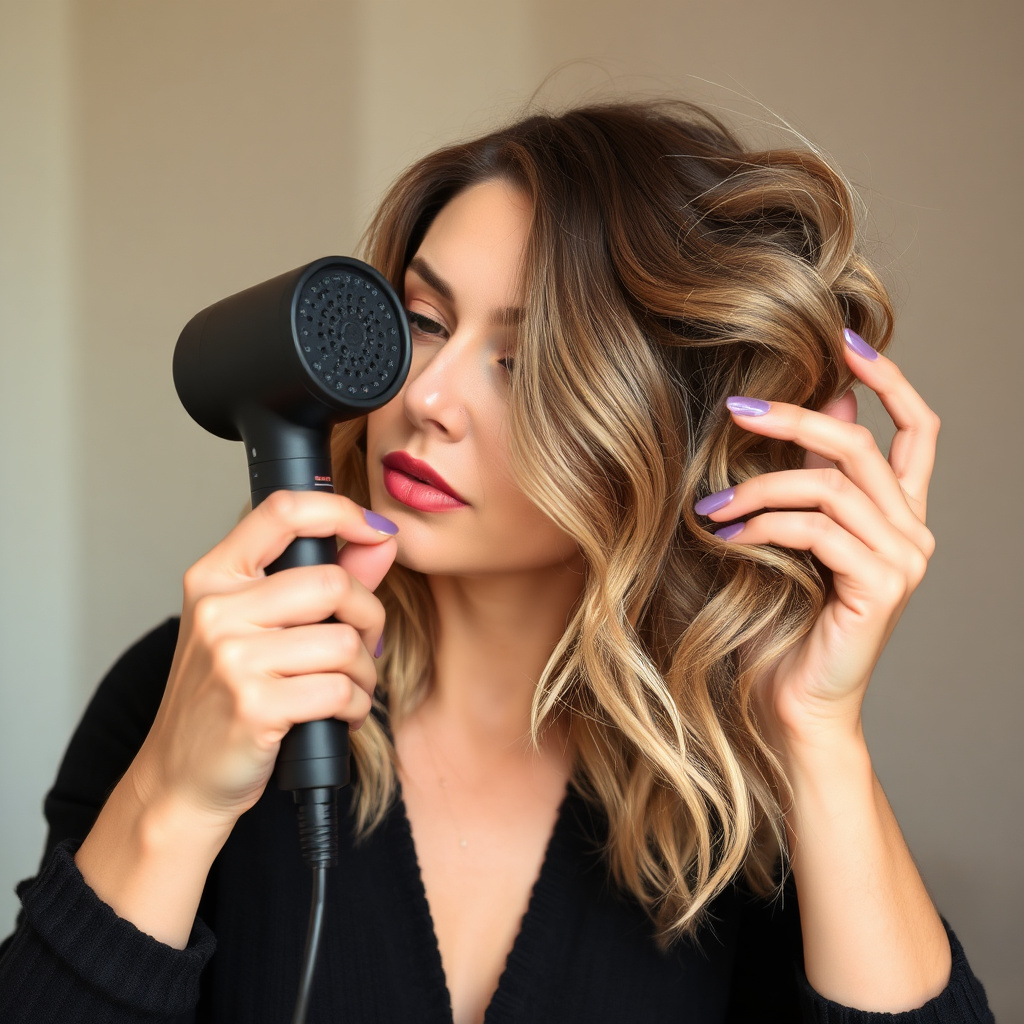
Using Lightweight Styling Products for Moisture and Volume
Light mousses and volumizing sprays help lock in moisture without heaviness. They create body and fullness while keeping hair hydrated and flexible.
Avoid heavy gels or creams that flatten fine strands; instead, choose products designed to enhance texture without dullness.
- Light mousse formulations
- Volumizing sprays with hydration
- Avoid thick, heavy gels
For more on this, see our related guide: What Type of Hair Relaxer Is Best for Natural Hair: A Detailed Guide.
Drying Techniques to Preserve Moisture
Pat hair dry gently with microfiber towels to reduce friction and breakage. Using a diffuser attachment on low heat helps maintain moisture while adding volume.
Avoid aggressive towel rubbing or high heat, which strip moisture and cause frizz and damage.
- Use microfiber towels for drying
- Diffuser on low heat settings
- Avoid rough towel drying
- Air dry when possible
Choosing the Best Lightweight Hair Moisturizers for Fine Hair

Popular Effective Products and Their Benefits
Leave-in sprays like It's a 10 Miracle Leave-In Light and Ouidad Moisture Lock define moisture without heaviness. Argan oil-based serums add shine and softness to ends.
Lightweight creams like Bumble and Bumble Hairdresser’s Invisible Oil Primer hydrate while preparing hair for styling, all without weighing down strands.
- It's a 10 Miracle Leave-In Light
- Ouidad Moisture Lock Leave-In Conditioner
- Bumble and Bumble Hairdresser’s Invisible Oil Primer
- Moroccanoil Treatment Light
For more detailed hair care tips, visit the hair care guidelines from the American Academy of Dermatology. hair care guidelines from the American Academy of Dermatology.
DIY Moisturizing Solutions for Fine Hair
Mix aloe vera gel diluted with water in a spray bottle for a gentle, customizable leave-in mist. Adding a few drops of lightweight oils like grapeseed can boost moisture without weight.
Avoid heavy oils or ingredients like coconut oil on fine hair, as they tend to leave residue and weigh strands down.
- Aloe vera water spray with light oils
- Avoid coconut or castor oil
- Use fresh, natural ingredients when possible
Lightweight Moisturizer Types for Fine Hair Compared
This table compares common types of lightweight moisturizers suitable for fine hair, highlighting their pros and cons to help you choose the right one.
| Type | Hydration Level | Weight on Hair | Best For | Ease of Use |
|---|---|---|---|---|
| Leave-In Sprays | Moderate | Very Light | Daily hydration, volume retention | Easy to apply and distribute |
| Light Serums/Oils | Moderate to High | Light, if used sparingly | Adding shine, taming frizz on ends | Requires controlled application |
| Lightweight Creams | Moderate | Light | Pre-styling moisture, softness | Pump or squeeze bottle application |
| Water-Based Mists | Light | Almost no weight | Freshening hair between washes | Very easy, quick spray |
Frequently Asked Questions
Can I use regular heavy conditioners on fine hair?
Heavy conditioners tend to weigh down fine hair, making it look flat and greasy. It's better to select lightweight, water-based formulas tailored for fine strands to maintain moisture without losing volume.
How often should I moisturize fine hair?
Generally, moisturizing fine hair two to three times a week works well. Adjust frequency based on your hair’s dryness and exposure to styling or environmental factors to avoid buildup or greasiness.
Are natural oils good for moisturizing fine hair?
Some light natural oils like argan or jojoba can moisturize fine hair if applied sparingly to the ends. Avoid heavier oils like coconut or castor, which can cause buildup and weigh down fine strands.
What is the best way to apply moisturizer to fine hair?
Apply moisturizer mainly to the hair mid-lengths and ends, avoiding the scalp. Distribute product evenly using fingers or a wide-tooth comb on damp hair for the best hydration and volume.
Does heat styling affect moisture in fine hair?
Yes, heat styling can dry out fine hair quickly. Using a lightweight heat protectant product helps retain moisture and prevent damage, especially when combined with proper moisturizing techniques.
Key Takeaways
- Use lightweight, water-based moisturizers to hydrate fine hair without weighing it down
- Avoid heavy creams, silicones, and oils that cause buildup and flatten hair
- Apply moisturizers mainly to mid-lengths and ends on damp hair for best results
- Incorporate heat protectants and gentle drying methods to preserve moisture
Conclusion
Choosing how to moisturize fine hair successfully relies on balancing hydration with product weight. Because fine strands lack thickness and natural oils, heavy moisturizers commonly cause limpness or buildup. Prioritizing lightweight, water-based formulas with nourishing ingredients lets fine hair stay flexible, soft, and full of body. Understanding the specific moisture needs and avoiding overly rich products are key steps in creating a hair care routine that supports healthy fine hair.
For daily or frequent moisture, leave-in sprays or water-based mists provide quick hydration without heaviness. Light serums containing argan or jojoba oils are excellent for softening ends, while lightweight creams can prepare hair for styling without weighing it down. Additionally, clarifying shampoos and controlled moisturizing frequency help prevent buildup. Tailoring product types and application strategies to your fine hair’s response ensures balance between moisture and volume preservation.
Moving forward, try introducing a light leave-in conditioner or a mild water-based spray into your regimen, applying carefully to avoid the scalp. Combine this with gentle towel drying techniques and heat protection if you style with tools. Adjust the amount and frequency based on how your hair reacts to maintain a fresh, moisturized look that doesn’t compromise your hair’s natural lift and texture.


