How Long Do Hair Clippers Last? Durability and Lifespan Explained
Hair clippers typically last between 5 to 10 years depending on their build quality, frequency of use, and how well they are maintained. Professional-grade clippers used in barbershops may endure longer, while cheaper models often need replacement sooner.
Understanding the lifespan of hair clippers matters because it influences how much you should invest and how to care for them to get the best value. Since they cut hair by mechanical blades powered by electric motors, both parts wear out over time due to friction and heat.
This article will explore the primary factors determining hair clippers’ durability, including motor type, blade material, and maintenance practices. We’ll also cover different clipper categories, user scenarios, and practical advice on prolonging their working life.
Types of Hair Clippers and Their Lifespan
Corded vs Cordless Clippers
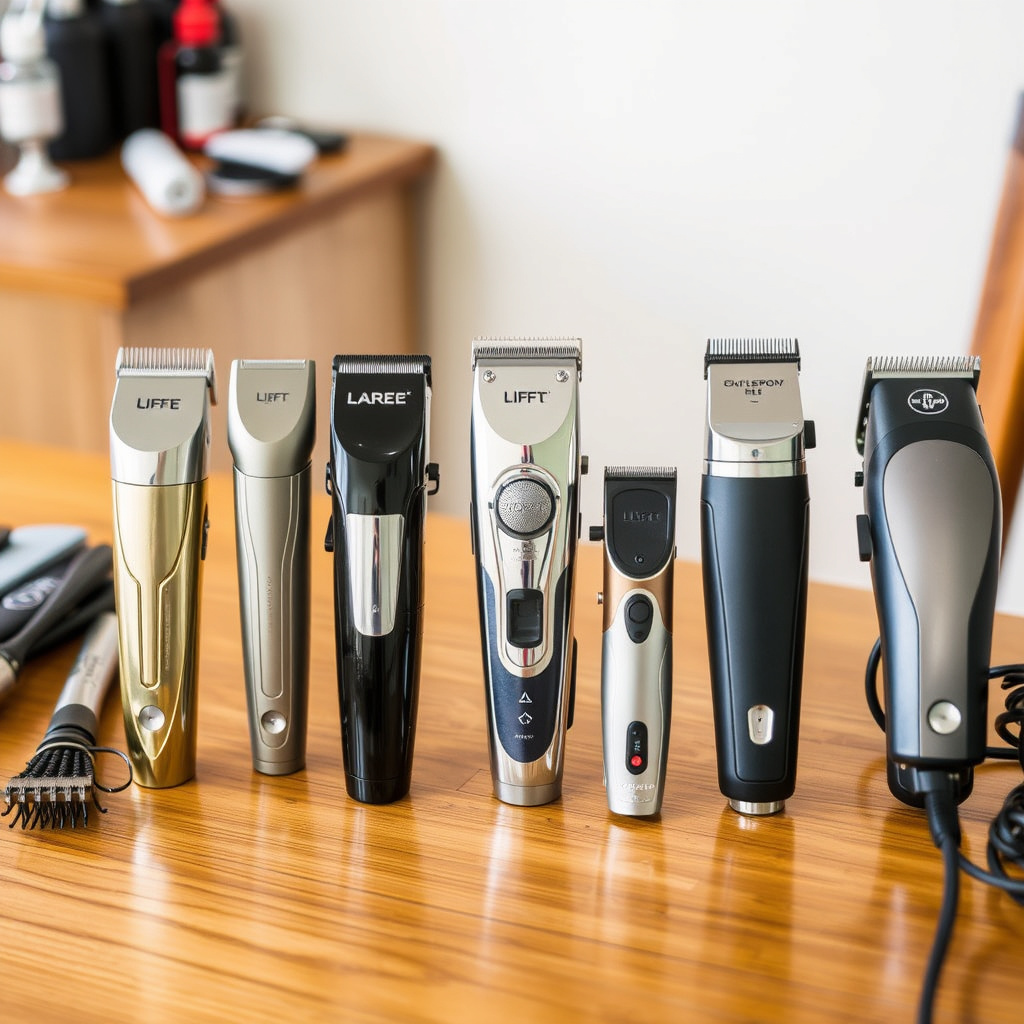
Corded hair clippers generally last longer mainly because they have fewer battery-related issues. Their motor runs directly on power, avoiding battery degradation that limits cordless models.
Cordless clippers offer convenience and portability but their battery lifespan often determines overall durability. Batteries may require replacement every couple of years, reducing the clipper’s useful life.
- Corded: Longer motor life
- Cordless: Battery degrades over time
- Battery replacement extends cordless life
Professional vs Home Use Clippers
Professional-grade hair clippers are built with higher quality components designed for frequent and prolonged use. They often last 7 to 10 years or more with proper care.
Home-use clippers tend to be less robust and may last 3 to 5 years depending on usage frequency and maintenance. Cheaper models often use less durable materials.
- Professional: premium build and longer lifespan
- Home use: suitable for occasional trimming
- Durability correlates with build quality
Key Factors Affecting How Long Hair Clippers Last

Blade Material and Sharpness
Blades made from stainless steel or carbon steel vary in durability. High-carbon steel blades hold sharpness longer but require more maintenance to avoid rust.
Keeping blades sharp is critical since dull blades force the motor to work harder, leading to faster wear of the entire clipper.
- Steel blades require regular oiling
- Ceramic blades resist rust but can chip
- Blade sharpness impacts motor lifespan
Motor Quality and Type
The motor’s build quality and type significantly influence a clipper’s operational life. Rotary and magnetic motors are common but differ in durability and noise level.
Higher quality motors run cooler and with less vibration, reducing mechanical stress and extending the overall lifespan of hair clippers.
- Rotary motors: quiet and durable
- Magnetic motors: powerful but hotter
- Motor maintenance improves longevity
Hair Clipper Maintenance Tips for Longevity

Cleaning and Oiling the Blades
Regular cleaning removes hair clippings and prevents blade rust or buildup that can hinder performance and cause damage.
Applying clipper oil after each use reduces friction on the blades, preserving sharpness and lessening motor strain.
- Brush off hair after every trim
- Use clipper oil on blades regularly
- Avoid water to prevent rust
For more on this, see our related guide: Why Is My Hair Clipper Not Cutting? Common Causes and Fixes.
Battery and Charging Care for Cordless Models
To extend cordless clipper battery lifespan, charge it fully before initial use and avoid overcharging. Keeping the battery topped off prevents deep discharge damage.
Store cordless clippers in a cool, dry place and replace batteries when runtime noticeably diminishes.
- Avoid overcharging batteries
- Charge before first use
- Replace aging batteries
Recognizing Signs It's Time to Replace Hair Clippers
Performance Decline Indicators
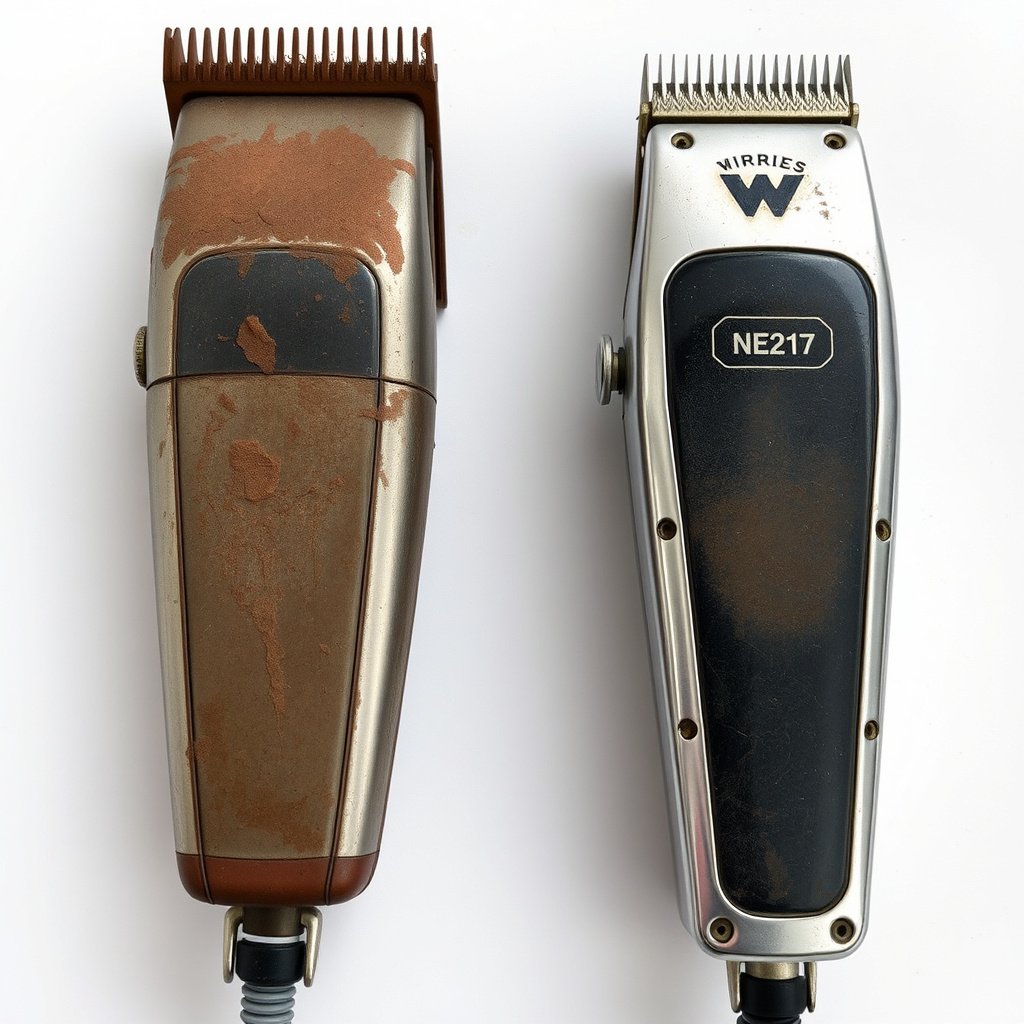
If the clipper struggles to cut cleanly, pulls hair, or requires multiple passes, blades or motor components may be too worn.
Increased noise, excessive vibration, or overheating during use also signal motor wear or mechanical issues requiring replacement.
- Uneven or tugging cuts
- Increased noise or vibration
- Frequent blade dullness
When Repair Is No Longer Cost Effective
Replacing parts like blades or batteries can extend life, but if repairs become frequent or costly, replacement is practical.
Manufacturers sometimes discontinue specific parts, limiting repair options. Evaluating cost versus value helps decide when to buy new clippers.
- Compare repair costs to new clipper price
- Check availability of replacement parts
- Consider upgrade benefits
Choosing Hair Clippers Based on Your Usage Needs

For Casual Personal Grooming
For light home use, affordable cordless clippers with ceramic blades balance convenience and decent lifespan if maintained well.
Models designed for occasional trims often come with adjustable guards and easy cleaning features.
- Choose cordless for portability
- Look for easy blade replacement
- Budget-friendly options suffice
For more on this, see our related guide: Can You Use Clippers on Long Hair? A Practical Guide.
For Regular or Professional Use
Professionals need heavy-duty corded clippers with robust motors and steel blades to endure daily use while maintaining precision.
Durability surpasses initial cost considerations since frequent replacement disrupts business flow.
- Prefer corded units for power
- Select high-carbon steel blades
- Invest in brands with reliable support
Extra Features Impacting Hair Clipper Lifespan
Adjustable Blade Systems
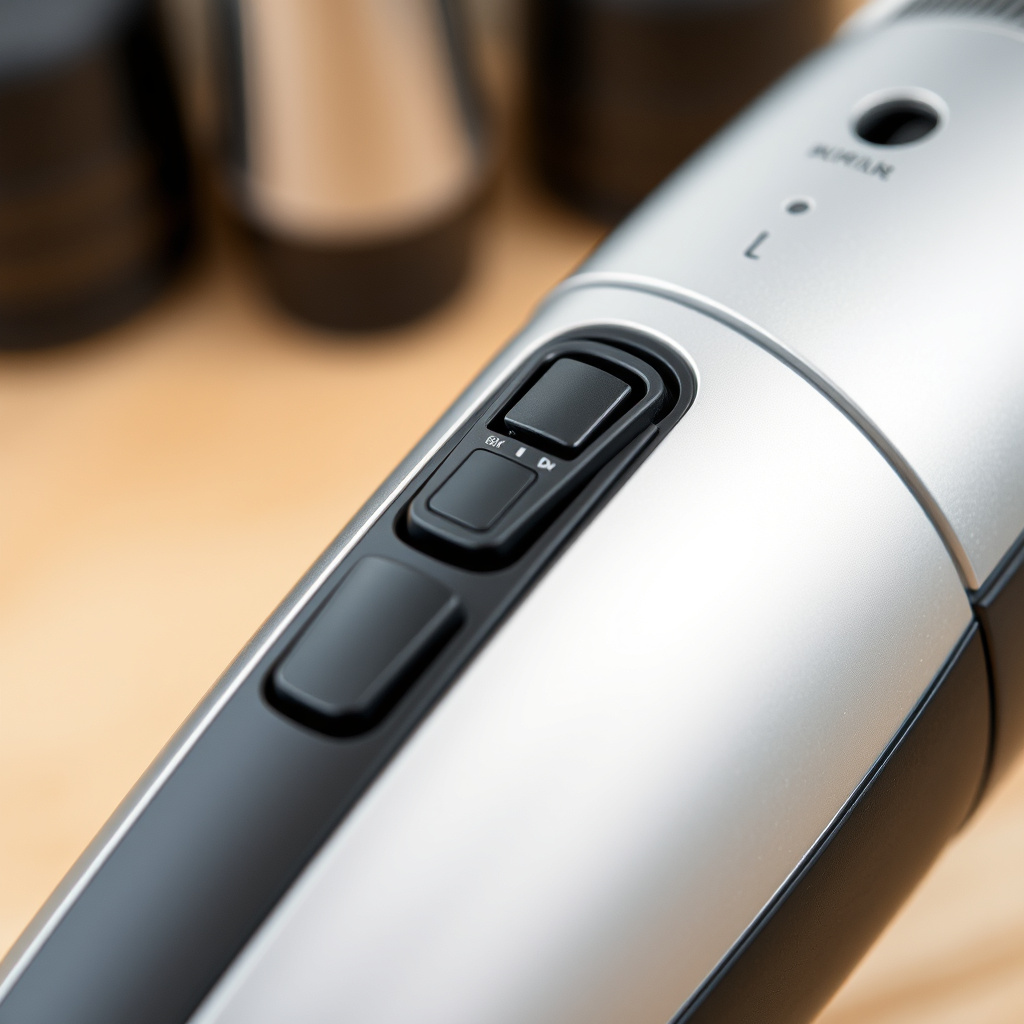
Clippers with adjustable blades or multiple attachments allow customization but increase mechanical complexity, which can affect longevity if parts wear out or misalign.
Ensure moving parts are lubricated and cleaned to maintain smooth operation.
- More parts mean more maintenance
- Keep adjustment mechanisms clean
- Check for durable attachment materials
For detailed historical and technical information about hair clippers, visit the Hair clipper Wikipedia page. Hair clipper Wikipedia page.
Cord Management and Storage
Tangled or damaged cords shorten corded clipper life by stressing internal wiring. Good cord management, such as flexible cables and storage cases, protects against wear.
Avoid wrapping cords tightly around the clipper, which causes internal breaks.
- Use cable organizers
- Store clippers in protective cases
- Avoid tight cord winding
Hair Clipper Categories Compared by Lifespan and Features
This table compares common hair clipper types based on durability, convenience, and typical lifespan to help you choose.
| Category | Lifespan | Power Source | Blade Material | Maintenance Needed | Average Price |
|---|---|---|---|---|---|
| Professional Corded | 7-10 years | Corded | High-carbon steel | Regular oiling, blade sharpening | $120-$300 |
| Professional Cordless | 5-8 years | Rechargeable battery | High-carbon steel | Battery replacement, oiling | $150-$350 |
| Home Corded | 3-5 years | Corded | Stainless steel | Basic cleaning, oiling | $30-$80 |
| Home Cordless | 2-4 years | Rechargeable battery | Ceramic or stainless steel | Battery replacement, cleaning | $40-$100 |
Frequently Asked Questions
How can I make my hair clippers last longer?
Regular cleaning, timely oiling of blades, proper storage, and replacing parts like batteries or blades when worn will significantly extend your hair clippers’ lifespan.
Do cordless hair clippers last as long as corded ones?
Cordless clippers typically have shorter lifespans due to battery wear, but with proper charging habits and battery replacement, they can approach the durability of corded models.
When should I replace the blades on my hair clippers?
Replace blades when they become dull, rusted, or cause pulling. Sharp blades are essential for performance and help prevent motor strain.
Can professional hair clippers last a lifetime?
While professional clippers are more durable and can last many years, they will eventually wear out. Proper maintenance can maximize their service life but replacement is inevitable over decades.
Is it worth repairing an old hair clipper?
Repairs are beneficial if parts are affordable and extend usability significantly, but frequent repairs or discontinued parts signal that replacement might be more cost-effective.
Key Takeaways
- Hair clippers generally last 5-10 years depending on type and care
- Professional corded models offer the longest lifespan
- Regular cleaning and oiling greatly extend clipper durability
- Battery care is essential for cordless clipper longevity
Conclusion
Evaluating how long hair clippers last requires looking at their motor type, blade materials, usage frequency, and maintenance routine. Durability varies widely between professional and home-use models, and corded versus cordless clippers. Understanding these factors helps you invest wisely and maintain them properly to maximize value over their functional life.
If you need clippers for occasional home use, affordable cordless models with ceramic blades and simple maintenance may suit you well. For frequent or professional use, heavier-duty corded clippers with high-carbon steel blades and robust motors provide superior durability and performance. Investing in well-built clippers initially can save money and hassle over time.
To get the most out of your hair clippers, commit to regular cleaning, blade oiling, and proper battery charging if cordless. Watch for signs of blade dullness or motor strain to address issues early. If your clippers show frequent performance problems or costly repairs, replacing them with a newer, high-quality model is the practical next step.



One Comment