How Often Should You Oil Clippers to Keep Them Performing Like New?
You should oil your clippers after every use to maintain peak performance and extend their lifespan. Regular oiling reduces friction, prevents rust, and keeps the blades running smoothly. Neglecting this essential maintenance step can lead to dull blades and motor strain over time.
Clipper blades operate at high speeds and temperatures, which cause wear without proper lubrication. The oil helps dissipate heat and preserves the sharpness of the blades. Oiling also ensures quieter operation and a cleaner haircut experience, whether you use clippers professionally or at home.
This article will cover why clipper oiling frequency matters, how to apply oil correctly, choosing the right oil, and tips on other maintenance tasks. You'll also find comparisons of various clipper types and answers to common questions about clipper care.
The Importance of Oiling Clippers Regularly

How Oil Protects Your Clippers
Oiling clipper blades forms a thin protective film that reduces friction between moving parts. This film slows down wear on the blades and prevents overheating, which can cause the metal to degrade or warp. A well-oiled clipper ensures consistent cutting performance.
Besides friction reduction, the oil acts as a barrier against moisture that can cause rust. Since clippers often operate in humid conditions or come in contact with hair products and water, oiling regularly protects the metal surfaces from corrosion.
Consequences of Neglecting Clipper Oil
Failing to oil clippers often leads to dull, nicked blades that tug at hair and produce uneven cuts. The added friction puts more strain on the clipper’s motor, which may cause premature motor failure or overheating. Noise levels can also increase noticeably.
Rust buildup is another common problem when oiling is skipped. Rust weakens blade integrity and requires replacement sooner than necessary. The overall result is poor clipper performance and potentially costly repairs or new purchases.
How to Properly Oil Clippers After Every Use
Cleaning Clippers Before Oiling
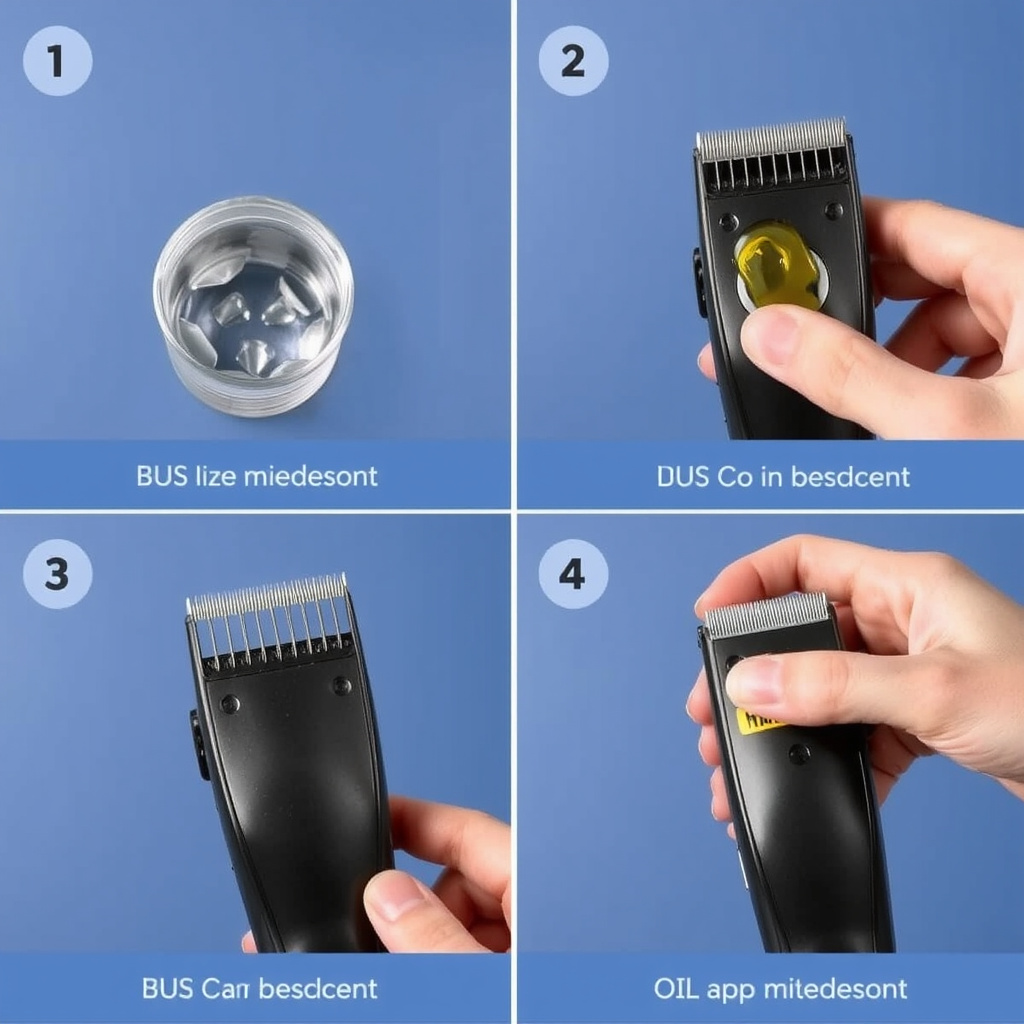
Before oiling, remove any hair clippings and debris from the blades using a small brush. Some users prefer compressed air or cloth wipes to reach crevices. This cleaning ensures that particles won’t interfere with lubrication and helps the oil penetrate evenly.
If blades are particularly dirty, a quick rinse with blade wash or a suitable cleaning solution may be helpful, but ensure the blades are dry before applying oil. This cleaning preparation prolongs both blade sharpness and hygiene.
- Use a clean brush to remove hair
- Avoid water directly on the clipper body
- Allow blades to dry fully before oiling
Applying Oil Effectively
Place a few drops of clipper oil directly onto the teeth of the blades while the clipper is off. Then turn the clipper on briefly to distribute the oil evenly across the blade surface through the blade movement.
Wipe away any excess oil with a cloth to prevent buildup. Regular application of the right amount of oil keeps blades razor sharp and smooth without attracting dirt or dust.
- Apply 3-5 drops of oil evenly
- Run clipper for 10-15 seconds post oiling
- Remove excess oil with a cloth
Choosing the Right Oil for Your Clippers

Standard Clipper Oils vs. Alternative Lubricants
Most manufacturers recommend using specialized clipper oils made from lightweight mineral or synthetic compounds. These oils are designed to stay thin, prevent gumminess, and resist dirt.
Some users consider alternatives like sewing machine oil or household lubricants. While occasionally effective, these can be too thick or cause buildup, potentially harming blade performance. Stick to oils labeled for clippers for best results.
For more on this, see our related guide: How Long Do Hair Clippers Last? Durability and Lifespan Explained.
How to Store and Maintain Clipper Oil
Keep your clipper oil in a cool, dry place tightly sealed to prevent contamination and evaporation. Using fresh oil ensures the best lubricating properties. Avoid mixing different brands or types as this may alter viscosity and effectiveness.
Replace bottles periodically even if not used often, since oils can degrade over time. Having a dedicated bottle near your grooming kit encourages consistent maintenance habit.
- Store oil in original bottle with tight cap
- Do not mix oils from different brands
- Replace oil every 1-2 years
Clipper Usage Patterns and Oil Frequency

Professional Clipper Use
Barbers and stylists often oil their clippers multiple times a day, sometimes after each client or haircut. The high volume of use and continuous blade movement generates significant heat and friction, making frequent oiling essential to maintain tool longevity.
For professionals, neglecting oiling can severely shorten the lifespan of expensive equipment and affect the quality of their work. Keeping a bottle of clipper oil handy during business hours is common practice.
Home and Occasional Use
Home users who clip hair less frequently should still oil clippers after every use to avoid corrosion and blade dulling. Even after one or two trims, oiling will keep your clipper blades ready and extend durability over months or years.
For pet groomers or hobbyists, the same rule applies—regular oiling prevents unexpected performance drops and costly repairs. Proper care adds confidence and reliability to trim sessions.
Signs Your Clippers Need Immediate Oiling

Audible and Performance Indicators
If you notice your clippers making louder than usual noises or vibrating excessively, it’s a sign that oil is insufficient or dried out. Increased resistance during use also signals that the blades need lubrication to reduce wear.
Uneven cutting, pulling hair, or blade heating quickly during use are additional warning signs. These performance problems can often be corrected quickly by cleaning and oiling the blades properly.
- Louder or grinding sounds
- Visible blade overheating
- Hair pulling during cuts
For more on this, see our related guide: Why Do My Clippers Leave Lines? Causes and Solutions Explained.
Visual Clues on Blades
Check your clipper blades for dryness, rust spots, or discoloration. Dull edges or roughness along the blade teeth indicate loss of lubrication. Regular inspections help catch issues early before damage becomes permanent.
If rust or corrosion is detected, clean with a blade conditioner or replacement may be necessary. Keeping blades oiled consistently prevents these problems and prolongs service life.
- Dry-looking blades
- Rust patches or brown spots
- Rough blade edges
Other Maintenance Tips Beyond Oiling

Cleaning and Blade Alignment
In addition to oiling, removing hair and debris after every use prevents clogging and uneven blade movement. Proper blade alignment ensures the cutting edges mesh smoothly which avoids snagging and extends sharpness.
Some clippers allow easy blade removal for thorough cleaning and even replacement. Maintaining blade alignment and cleanliness is key to optimal clipper function.
For a detailed overview of hair clippers and maintenance tips, you can visit this informative Wikipedia article. clipper maintenance tips.
Motor and Cord Inspection
Check the clipper motor and cord periodically for signs of wear or damage. Loose connections or frayed cords can cause operational problems or safety hazards. Keeping the electrical components in good shape preserves overall clipper reliability.
Avoid excessive twisting or pulling on cords and store clippers in a dry, safe place after use. These small precautions complement regular oiling for long-term maintenance.
Clipper Oiling Frequency: Professional vs. Home Use Comparison
Here’s a quick overview comparing ideal oiling frequencies according to clipper use scenarios.
| User Type | Typical Oiling Frequency | Blade Longevity | Maintenance Effort |
|---|---|---|---|
| Professional Barber | After every client or every 30 mins | High with regular oiling | High (daily cleaning and oiling) |
| Pet Groomer | After every pet session | Moderate to high | Medium (regular cleaning plus oiling) |
| Home User (Infrequent) | After each use (every few weeks/months) | Good with consistent care | Low to medium |
| Heavy Use Home User | After each haircut session | High with routine maintenance | Medium |
Frequently Asked Questions
Can I use any oil to lubricate my clippers?
It’s best to use oils specifically designed for clippers. Alternative oils may be too thick or cause buildup that harms blade performance.
How much oil should I apply after each use?
Usually 3-5 drops of clipper oil on the blade teeth are sufficient. Running the clipper briefly afterward spreads the oil evenly.
Is it necessary to oil clippers if I don’t use them often?
Yes, you should oil your clippers after every use no matter how infrequent. This prevents rust and blade degradation during storage.
What happens if I forget to oil my clippers regularly?
Blades can rust, dull, and cause the clipper motor to strain, leading to poor performance and potential early failure.
Are there signs my clipper blades need oiling immediately?
Yes, signs include increased noise, hair pulling, blade overheating, and visible dryness or rust on the blades.
Key Takeaways
- Oiling clippers after every use prolongs blade life and performance.
- Use manufacturer-recommended clipper oils for best results.
- Professional users oil clippers more frequently due to high usage.
- Regular cleaning combined with oiling prevents damage and rust.
Conclusion
Determining how often you should oil clippers comes down to your usage frequency and maintenance habits. Clipper blades experience high friction and heat during operation, so timely lubrication is necessary to keep them sharp and efficient. Whether you’re a professional stylist or a home user, oiling after every use is the most effective way to preserve blade integrity and prevent damage. Skipping this step may lead to increased wear, rust, and motor strain that shorten the lifespan of your tool.
For professionals handling multiple clients daily, oiling after each session or every 30 minutes is ideal for consistent peak performance. Home users with light use can maintain their clippers by oiling after each haircut, even if sessions are weeks apart. This routine practice ensures smooth cutting action and reliable results. Choosing a quality clipper oil designed for blades further supports long-term health. Combined with regular cleaning and occasional blade sharpening or replacement, your clippers will remain a dependable grooming tool.
To get started, keep a bottle of clipper oil easily accessible near your grooming area and integrate oiling into your post-use routine. Look out for signs such as noise or pulling hair to know when immediate oiling is necessary. For lasting performance, pair oiling with proper cleaning and storage. By adopting these simple steps, you’ll save money on early replacements and enjoy hassle-free clippers that deliver sharp, smooth cuts every time.




One Comment