What Type of Eyebrow Tint Lasts the Longest? Expert Insights and Options
The type of eyebrow tint that lasts the longest is typically a semi-permanent dye that uses henna or a professional-grade oxidative tint. Such tints penetrate deeper into the skin and hair follicles, resulting in a color that can remain vibrant for up to 6 weeks, outlasting regular vegetable or low-grade tints.
Long-lasting eyebrow tint matters because it reduces the need for frequent touch-ups, saving time and money while maintaining a polished look. This durability also withstands daily activities such as washing, sweating, and exposure to the sun better than shorter-lasting alternatives.
This article explores the different types of eyebrow tints, their longevity, safety considerations, application techniques, and tips to make your tint last longer. We will also compare various tint categories to help you choose the best eyebrow tint for your needs.
Types of Eyebrow Tint and Their Durability

Semi-Permanent Oxidative Tints
Semi-permanent oxidative tints contain dye precursors that react with oxygen to develop color that lasts longer than basic vegetable tints. These dyes deposit color not only on hair but slightly stain the skin beneath, prolonging visible effects to about 4-6 weeks.
Typically applied by professionals, these tints come in various shades and can be customized for undertone and depth. Their durability and natural look make them a preferred choice for those seeking extended wear.
Henna-Based Eyebrow Tints
Henna tints use a natural dye derived from the Lawsonia inermis plant to stain both the skin and hair, which extends their visible duration. Unlike synthetic dyes, henna often lasts around 3-6 weeks, sometimes longer depending on skin type and aftercare.
Henna is prized for its plant-based composition and is often favored by those seeking a natural product with strong staying power, though it may offer less color variety compared to synthetic dyes.
Factors Influencing Eyebrow Tint Longevity

Skin Type and Oil Production
People with oily skin tend to experience faster fading because natural oils can break down tint pigments more quickly. Dry or combination skin types often retain tint color longer due to reduced oil interference.
Understanding your skin type helps in selecting an appropriate eyebrow tint and aftercare routine to maximize wear duration.
Exposure to Water and Sunlight
Frequent exposure to water, chlorinated pools, and intense sunlight can lighten eyebrow tints prematurely. UV rays degrade pigment molecules, and constant washing can strip color.
Using protective measures like SPF on eyebrows or avoiding excessive washing in the first few days helps maintain tint vibrancy.
Professional vs. At-Home Eyebrow Tints

Advantages of Professional Tinting
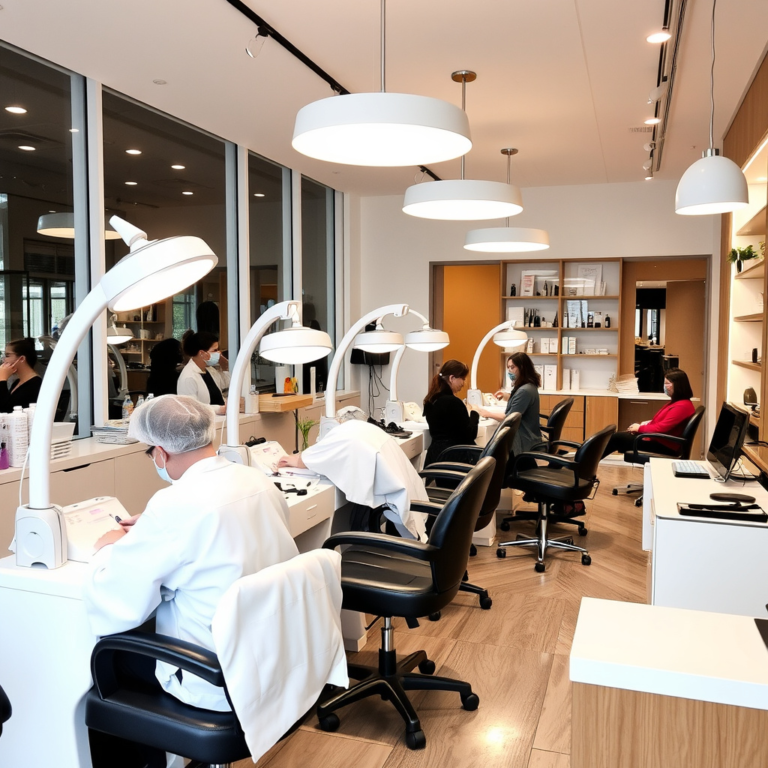
Professional eyebrow tinting offers precision in shade matching, even application, and access to higher-quality products that last longer. Specialists can tailor the process for optimal color longevity.
They also conduct patch tests to prevent allergic reactions and ensure safety during application.
Considerations for At-Home Tint Kits
At-home kits are convenient and cost-effective but often use gentler, shorter-lasting dyes. Application errors may lead to uneven color or faster fading.
While suitable for experimentation, at-home tints typically do not last as long as professional treatments.
How to Extend the Life of Your Eyebrow Tint

Proper Aftercare Techniques
Avoid washing the eyebrow area with harsh cleansers for 24-48 hours post-tint. Refrain from rubbing or exfoliating brows and use minimal oil-based products near the treated area.
Applying a gentle brow serum or moisturizer can help maintain hydration without compromising the tint.
- Avoid hot showers immediately after tinting
- Use gentle cleansers around eyebrow area
- Protect eyebrows from excessive sweat or swimming
Scheduling Regular Touch-Ups
Since no tint lasts indefinitely, scheduling touch-ups every 4 to 6 weeks preserves color intensity and shape.
Consistency with professional appointments or careful home retinting helps keep brows looking fresh and well-defined.
- Mark calendar for tint renewal
- Consult professional if uncertain about timing
Safety and Allergy Considerations with Eyebrow Tints

Patch Testing Before Tinting
Patch testing detects potential allergic reactions to tint ingredients prior to full application, minimizing risks of irritation or swelling.
This step is especially important with oxidative dyes and henna variants to ensure skin compatibility.
- Apply a small amount of tint behind ear or on inner arm
- Wait 24-48 hours to check for adverse response
Choosing Safe and Reputable Products
Select eyebrow tints from trusted brands with transparent ingredient lists. Avoid products containing harsh chemicals or unverified additives.
Natural or hypoallergenic tints can reduce risks for sensitive skin without sacrificing longevity.
Popular Eyebrow Tint Brands Known for Longevity

Professional Brands
Brands such as RefectoCil and Godefroy offer professional-grade tints with proven long-lasting performance, favored within salons worldwide.
These brands emphasize pigment durability and smooth, customizable shades suitable for various hair colors.
- RefectoCil
- Godefroy
- Tints of Nature Pro
For an in-depth understanding of eyebrow tinting history and techniques, see the Eyebrow tinting on Wikipedia. Eyebrow tinting on Wikipedia.
Natural and Henna-Based Brands
Brands like Elum and Jamila specialize in henna eyebrow tints, delivering a natural alternative with lasting stain effects that appeal to organic beauty enthusiasts.
Their products balance deep color saturation with gentle plant-based ingredients.
- Elum
- Jamila Henna
- Indigo Naturals
Eyebrow Tint Types Longevity Comparison
Below is a comparison of various eyebrow tint types, highlighting average longevity, application method, and typical durability factors.
| Type | Average Duration | Application | Longevity Factors |
|---|---|---|---|
| Semi-Permanent Oxidative Tint | 4-6 weeks | Professional or at-home | Penetrates hair & stains skin; oxygen-activated pigments |
| Henna-Based Tint | 3-6 weeks | Professional or at-home | Natural plant dye stains hair and skin; longer lasting on dry skin |
| Vegetable-Based Tint | 1-2 weeks | Usually at-home | Surface-level staining; fades quickly with washing |
| Pencil or Powder Tint (temporary) | Until washed off | At-home | No staining; purely cosmetic cover |
| Semi-Permanent Gel Tint | 2-3 weeks | Professional or at-home | Gel formula sits on hair shaft, less skin staining |
Frequently Asked Questions
How long does eyebrow tint usually last?
Eyebrow tint typically lasts between 3 to 6 weeks depending on the type of tint used, skin type, and aftercare routine.
Is henna eyebrow tint safe for sensitive skin?
Henna tints are generally gentle but can still cause reactions. Patch testing 24-48 hours before use is recommended for sensitive skin.
Can I tint my eyebrows at home safely?
Yes, many at-home kits are safe if used according to instructions. However, professional tinting is advised for best results and longevity.
What should I avoid after eyebrow tinting?
Avoid washing your face with harsh cleansers, exfoliating, swimming, or excessive sweating for 24-48 hours to protect the tint.
How often should I get my eyebrows tinted?
Most people benefit from touch-ups every 4 to 6 weeks to maintain color intensity and eyebrow shape.
Key Takeaways
- Semi-permanent oxidative and henna tints offer the longest-lasting eyebrow color.
- Skin type and aftercare significantly affect the durability of eyebrow tints.
- Professional tinting generally provides better results and longevity than at-home kits.
- Regular touch-ups and proper maintenance prolong the life of eyebrow tints.
Conclusion
Choosing the right eyebrow tint depends mostly on your preference for duration, safety, and application method. Semi-permanent oxidative tints and henna-based options stand out for lasting several weeks, which makes them practical choices for those seeking extended wear. Factoring in skin type and typical exposure to water or sun helps refine the selection to ensure the tint remains vibrant longer.
For maximum longevity, professional eyebrow tinting sessions with brands like RefectoCil or Godefroy provide precise, durable results, especially when combined with proper aftercare such as avoiding harsh cleansers and repeated exposure to moisture. If you prefer natural ingredients, henna tints from providers like Elum can be effective, particularly for dry skin types. At-home kits suit those wanting convenience but may require more frequent application.
Ultimately, you can extend your tint’s lifespan by regular touch-ups every 4-6 weeks and following gentle care routines. Begin by identifying your skin type and lifestyle factors, then select the tint type and brand that fits your needs. Consulting a beauty professional for an initial tint can offer tailored advice and set a high standard for subsequent maintenance.