How Often Should You Get a Haircut? Finding the Right Schedule for Your Hair Type
How often you should get a haircut depends largely on your hair type, style, and personal hair health goals. Generally, most people benefit from a haircut every 6 to 8 weeks to maintain shape and avoid split ends. However, those growing their hair out or with certain hair textures may prefer longer intervals.
Regular haircuts help prevent damage from split ends and keep your hair looking tidy, which matters for both style and hair health. Without trimming, split ends can travel up the hair shaft, causing breakage and making hair appear frizzy and unhealthy. The right haircut schedule supports stronger, more manageable hair over time.
This article covers how to tailor the frequency of haircuts based on hair type, desired style, and hair growth patterns. You'll learn why cutting schedules differ for short versus long hair, how specific textures influence trim frequency, and tips for maintaining healthy hair between visits.
Haircut Frequency for Different Hair Lengths

Short Hair Haircut Schedule
Short hairstyles such as pixie cuts or fades usually require more frequent trims to keep their sharp shape. Typically, a haircut every 4 to 6 weeks prevents the style from becoming overgrown or losing definition.
Maintaining a short cut’s clean lines helps reflect a polished look. Since hair grows about half an inch per month, regular visits are critical to avoid awkward unevenness and maintain the intended style.
- Ideal interval: 4-6 weeks
- Keeps style fresh and sharp
- Prevents overgrowth and unevenness
Long Hair Haircut Schedule
Long hair can typically go longer between haircuts, often 8 to 12 weeks, depending on the person’s hair health and goals. Less frequent trims help retain length while still maintaining healthy ends.
Those growing their hair out may benefit from occasional trims to remove split ends but want to avoid cutting too much length. This balance supports steady hair growth without sacrificing health.
- Ideal interval: 8-12 weeks
- Focus on removing split ends
- Supports hair growth retention
Tailoring Haircut Frequency by Hair Type

Straight and Wavy Hair
Straight and wavy hair can show split ends and damage more visibly, so it benefits from regular trims every 6 to 8 weeks. These types often get weighed down by damaged ends, so maintaining healthy tips is important for bounce and shine.
Since straight hair tends to grow smoothly without tangling, scheduling regular trims is less about detangling and more about preserving the overall style and health.
Curly and Coily Hair
Curly and coily hair tends to be drier and prone to breakage, which makes regular haircuts essential but often less frequent, around every 8 to 12 weeks, to avoid losing length.
Because curls shrink as they dry, trimming based on appearance alone can be challenging. Many with curly hair trim only when split ends become noticeable or to maintain shape, balancing moisture with healthy cuts.
The best haircut frequency for hair growth for these textures involves a personalized approach that considers curl pattern and hair health rather than strict schedules.
Hair Growth Cycles and How They Affect Haircut Timing
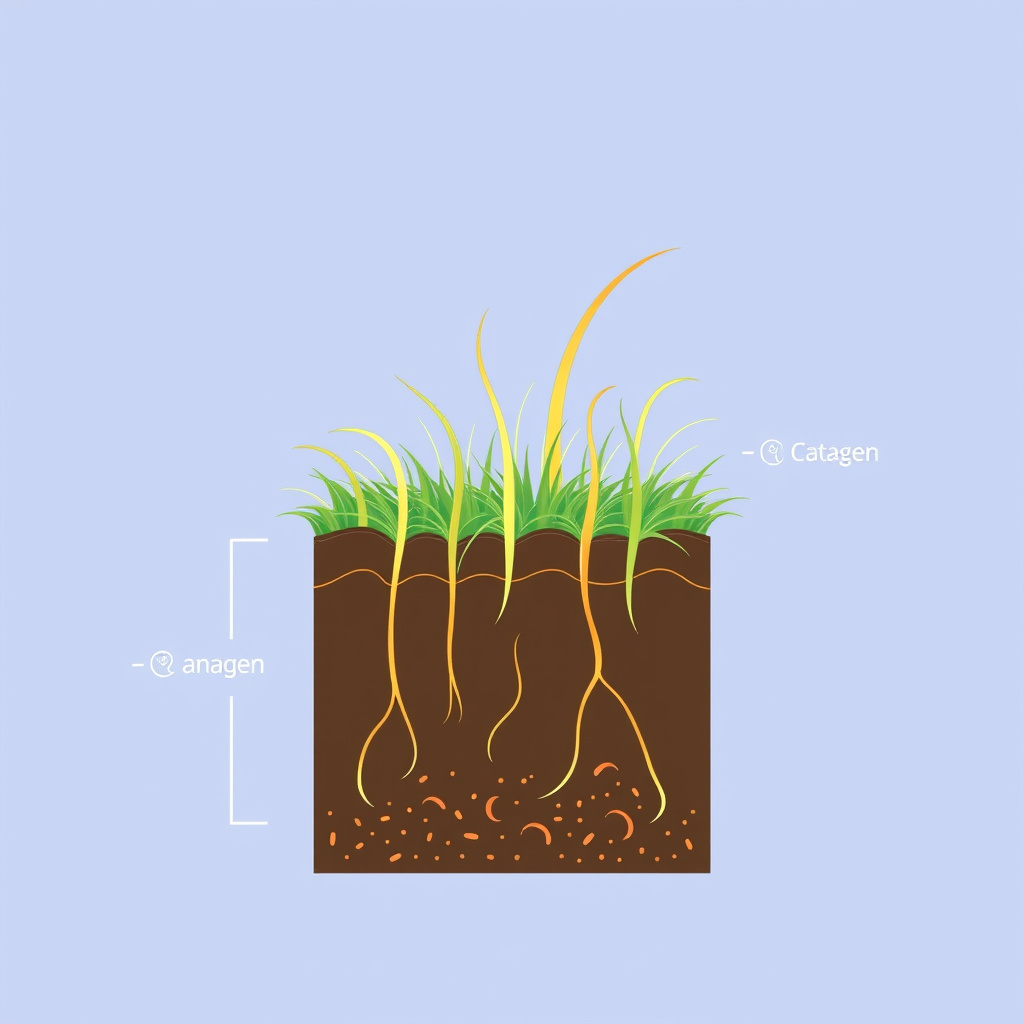
Understanding the Hair Growth Cycle
Hair grows in cycles consisting of three phases: anagen (growth), catagen (transition), and telogen (rest). The anagen phase can last several years, which determines maximum hair length, while the telogen phase lasts a few months before shedding.
Knowing your growth cycle helps explain why some people’s hair grows faster or slower and why trimming doesn’t affect growth speed despite common myths.
For more on this, see our related guide: How Often Should You Oil Clippers to Keep Them Performing Like New?.
Scheduling Haircuts to Align with Growth Phases
Haircuts should ideally be timed so you maintain healthy ends without interrupting the natural growth process. Regular trims remove damaged hair before the shedding phase begins, ensuring stronger strands replace lost ones.
While haircuts don't speed up growth, trimming split ends minimizes breakage, helping retain length. Planning trims every 6 to 12 weeks aligns well with most growth cycles for sustained hair health.
How Styling Goals Influence Haircut Frequency

Maintaining Popular Hairstyles
Hairstyles like undercuts, bob cuts, and layered looks require consistent upkeep to uphold their distinct shape. This usually means haircuts every 4 to 6 weeks to avoid losing form and volume.
For professional or fashion-conscious individuals, regular trims keep styles crisp and prevent styles from becoming unruly or outdated.
Growing Out Hair
If your goal is to grow hair longer, trims become more selective. Cutting every 8 to 12 weeks helps remove split ends without sacrificing length, promoting smoother growth over time.
An occasional trim maintains hair integrity during growth phases, preventing damage that can cause breakage and slow apparent progress.
Factors Affecting How Often You Should Get a Haircut

Environmental and Lifestyle Impacts
Exposure to sun, pollution, heat styling, and chemical treatments accelerates hair damage, which may require more frequent trims to maintain hair health. Swimmers and those in harsh climates might need shorter intervals between cuts.
Lifestyle habits such as diet, stress, and hair care routines also influence hair condition. Regular trims help counteract wear and tear caused by daily factors.
For more on this, see our related guide: Can You Use Clippers on Curly Hair? A Practical Guide.
Personal Hair Health and Texture Changes
Changes in hair texture due to aging, hormonal shifts, or health conditions may require adjustment in haircut schedules. Hair may become more fragile or dry and benefit from closer attention and more frequent trims.
Listening to your hair’s condition and signs of damage is key to setting a haircut frequency that matches current needs rather than fixed intervals.
Common Misconceptions About Haircut Frequency

Do Haircuts Make Hair Grow Faster?
Haircuts don’t speed up hair growth because growth originates from hair follicles beneath the scalp, unaffected by trimming the ends. However, cutting damage away results in healthier-looking hair and less breakage, which helps length retention.
This myth often leads people to trim too frequently or expect rapid length changes immediately after a haircut, which can cause frustration.
For a general overview of haircut history and styling methods, visit the haircut information on Wikipedia. haircut information on Wikipedia.
Is Trimming Split Ends Always Necessary?
While trimming split ends prevents damage from worsening, the need varies by hair type and condition. Some hair textures tolerate longer periods between cuts without noticeable damage, while others require regular maintenance.
Ignoring split ends can lead to increased breakage, so periodic trims contribute to overall hair strength and appearance.
Haircut Frequency Category Comparison
This table compares haircut frequency across different hair lengths, types, and styling goals to help you choose the best approach for your hair.
| Hair Type/Style | Recommended Interval | Benefits | Drawbacks |
|---|---|---|---|
| Short Hair | 4-6 weeks | Keeps sharp style and clean shape | Requires frequent salon visits |
| Long Hair | 8-12 weeks | Preserves length and removes split ends | May allow minor damage buildup |
| Straight/Wavy Hair | 6-8 weeks | Visible split end control, maintains shine | Can feel like frequent trims |
| Curly/Coily Hair | 8-12 weeks | Reduces breakage, maintains curl shape | Trims appear less frequent, may delay maintenance |
| Growing Out Hair | 8-12 weeks | Removes damage, supports healthy growth | Longer wait risks split ends spreading |
Frequently Asked Questions
How do I know when it's time for a haircut?
Look for signs like split ends, hair tangling easily, or a loss of your style’s shape. When ends feel dry or hair appears frizzy, it’s usually time for a trim.
Does hair grow faster if I cut it regularly?
Haircuts don’t affect the actual growth rate from the follicle but cutting split ends prevents breakage, making hair look fuller and healthier.
Can I stretch out my haircut appointments to save money?
You can, especially if growing hair longer, but stretching too long between cuts can lead to damage buildup and unruly hair that compromises style and health.
Is it better to get haircuts at a salon or do it at home?
Professional salons usually provide more precise cuts tailored to hair type and style, which can maintain healthy ends better than at-home trimming.
How does hair care routine affect the need for haircuts?
Good styling and conditioning reduce damage, potentially extending time between cuts, while frequent heat or chemical use increases the need for trims.
Key Takeaways
- Haircut frequency varies by hair length, texture, and style goals.
- Short hair requires trims every 4-6 weeks; long hair every 8-12 weeks.
- Curly and coily hair benefit from less frequent but careful trims.
- Regular trims prevent split ends and support healthier hair appearance.
Conclusion
Choosing how often to get a haircut involves balancing hair length, texture, and your personal styling goals. While short hair demands frequent trimming to maintain its shape, long hair allows more time between cuts but still benefits from occasional maintenance to remove split ends. Understanding your hair growth cycle and damage patterns can guide a haircut schedule that supports healthy hair.
For individuals with straight or wavy hair, sticking to haircuts every 6 to 8 weeks typically maintains shine and reduces damage. Curly and coily hair types should aim for intervals closer to 8 to 12 weeks, prioritizing moisture and taking a gentler approach to trimming. If you’re growing out your hair, trims every 8 to 12 weeks help maintain length without sacrificing health. Short styles like pixie cuts or undercuts thrive with 4 to 6-week trims to keep sharp lines.
Ultimately, listen to your hair’s condition and how quickly your style loses shape. If in doubt, consult with your hairstylist for personalized advice. Regular, thoughtful haircuts paired with healthy hair care habits will keep your hair looking its best. Making haircut frequency part of your routine keeps hair manageable, healthy, and stylish over time.


2 Comments