How Long to Charge Hair Clippers for Best Performance
Hair clippers generally require between one to eight hours to fully charge, depending on the model and battery type. Most modern rechargeable clippers use lithium-ion batteries and top up within 1 to 3 hours, providing several hours of cordless use after a complete charge. Older nickel-cadmium models may take longer, typically 6 to 8 hours, and require less frequent partial charging.
Knowing the right charging time matters because undercharging can result in weaker performance and shorter run time, while overcharging might reduce battery longevity, especially with older technologies. Proper charging habits help ensure your hair clippers remain reliable and efficient over time, whether you use them professionally or at home.
This article examines the charging duration of various types of hair clippers, explains how battery technology affects charge time, and offers practical tips for maintaining battery health. Additionally, you'll find comparisons of popular clipper categories and answers to common questions about charging hair clippers.
Understanding Hair Clipper Battery Types and Charging Time
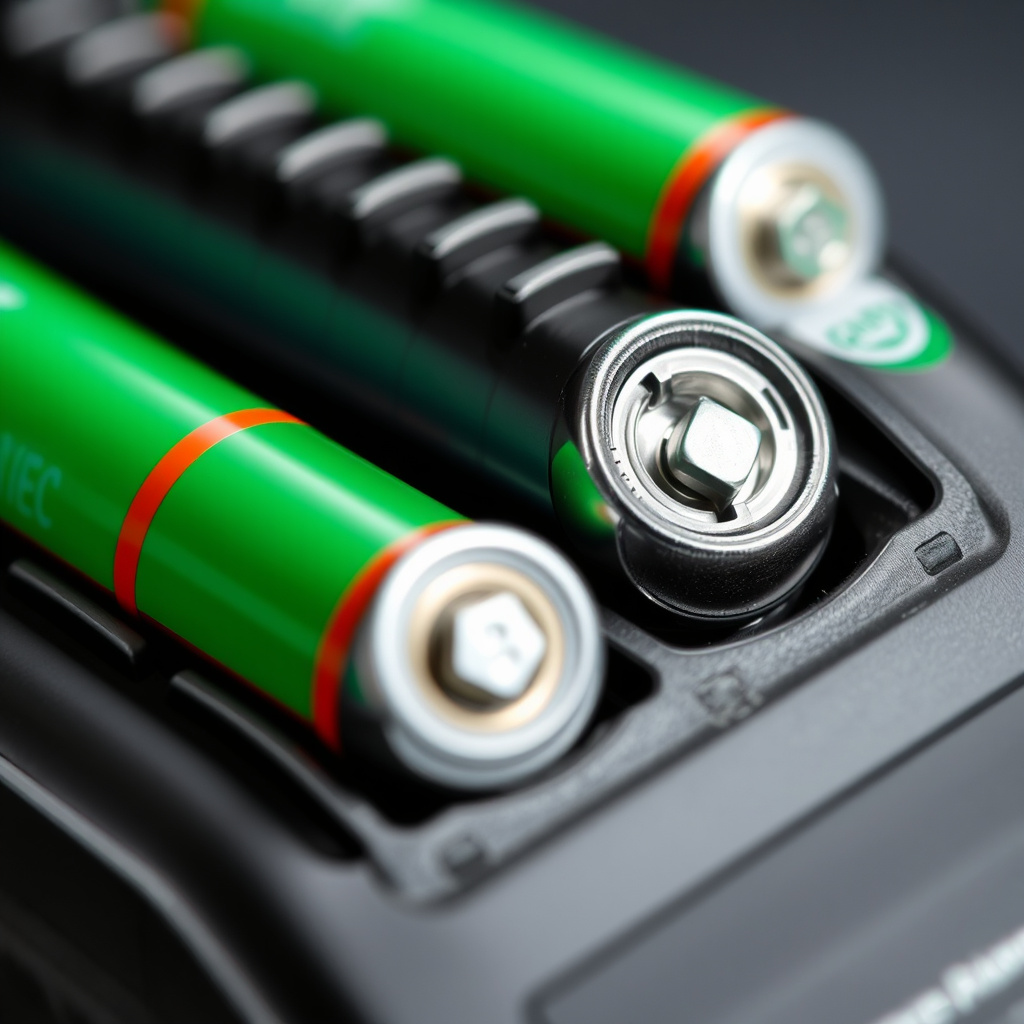
Lithium-Ion Batteries in Hair Clippers
Lithium-ion batteries dominate modern hair clipper models due to their lightweight profile and efficient energy storage. These batteries typically charge fully within 1 to 3 hours. They also have a low self-discharge rate and longer lifespan compared to older battery types.
Most lithium-ion-powered clippers feature fast charging and maintain consistent power output during use, which means you get reliable cutting performance throughout their run time. Their charging circuits often include protection mechanisms to prevent overcharging.
Nickel-Cadmium (NiCd) and Nickel-Metal Hydride (NiMH) Batteries
NiCd and NiMH batteries were common in earlier hair clippers but are less prevalent now. These batteries typically require longer charging times, usually 6 to 8 hours, and are more susceptible to the 'memory effect,' which can reduce overall battery capacity if not charged properly.
Users of NiCd or NiMH clippers should avoid short, partial charges and instead aim for full charging cycles to maintain battery health. However, these batteries often come with longer runtimes once fully charged.
Factors That Influence How Long to Charge Hair Clippers

Battery Capacity and Hair Clipper Usage
The charging time depends directly on the battery capacity, measured in milliampere-hours (mAh). Clippers with larger batteries take longer to charge but last longer during use. Heavy users or professionals might prefer higher capacity batteries even if it means lengthier charging sessions.
Usage habits also affect charging frequency. Frequent short uses may call for more regular recharging, while occasional users can charge fully prior to extended use, making each charging session longer but less frequent.
Charger Type and Charging Technology
Using the charger designed for the specific hair clipper is key to optimal charging time. Some models support fast charging, which delivers a significant charge in under an hour for quick use. Others use standard chargers that require 3 to 5 hours for a full charge.
Wireless charging hair clippers or those with USB-C ports may offer added convenience but can vary in charge times depending on charger power output.
Best Practices for Charging Hair Clippers Safely and Effectively

Avoiding Overcharging and Battery Damage
Most modern clippers include built-in circuitry to prevent overcharging, but it is still advisable not to leave them plugged in for extended periods after reaching full charge. Overcharging, especially with older battery types, can degrade battery life over time.
Consult the manufacturer's instructions regarding maximum safe charging durations and whether it’s necessary to unplug immediately after charging completes.
For more on this, see our related guide: How Long Does a Clipper Battery Last? A Practical Guide.
Charging Environment and Storage
Charge your hair clippers in a cool, dry environment to prevent heat buildup, which can damage batteries and reduce efficiency. Avoid charging near heat sources or in direct sunlight.
When not in use for longer periods, store fully charged but unplugged clippers to extend battery lifespan and prevent potential issues related to battery drain.
Charging Time Variations Among Hair Clipper Categories

Professional-Grade Hair Clippers
Professional-grade hair clippers, designed for salons and frequent use, often come equipped with high-capacity lithium-ion batteries. These typically charge in 1 to 2 hours and offer extended run times of 2 to 3 hours per charge, catering to back-to-back client appointments.
They usually support fast charging features for quick turnaround between uses, which can be crucial in professional settings.
Budget and Home Use Hair Clippers
Budget models or those meant for occasional home use may feature smaller batteries or older designs. They often require longer charging durations, sometimes up to 5-8 hours, but this corresponds with shorter average run times.
These clippers might not support fast charging and often require charging overnight or while not in use for significant time intervals.
Indicators and Tools to Know When Hair Clippers Are Fully Charged

LED Charging Lights and Smart Indicators
Most modern hair clippers include LED indicators that change color or blink to show charging progress. A common pattern is red while charging and green when fully charged. Some also flash during fast charging and glow solid once charging finishes.
Understanding your clipper's indicator signals helps prevent guessing charging duration and facilitates timely unplugging to maintain battery health.
For more on this, see our related guide: How Long Do Hair Clippers Last? Durability and Lifespan Explained.
Using Timers and Charge Monitoring Apps
For clippers without sophisticated indicators, using a timer based on typical charging duration ensures you do not overcharge. Some premium models may connect to smartphone apps to show battery status and send alerts.
Setting reminders with smartphones or smart plugs can assist in managing charging times particularly if you use your clippers regularly.
Troubleshooting Charging Issues with Hair Clippers

Common Causes for Hair Clippers Not Charging
Faulty charging cables or damaged battery contacts are frequent reasons a hair clipper may fail to charge. Dirt or hair clogging the charging port can also interrupt power flow. Inspect cables and connectors carefully if your device isn’t charging.
Battery degradation after years of use might cause clippers to not hold a charge adequately. Replacement batteries may be needed for older models.
For more details on battery types commonly found in hair clippers, you can explore this overview of rechargeable battery technologies. battery technologies used in hair clippers.
When to Seek Professional Repair or Replacement
If the charger or battery shows no signs of damage, but the clipper still won’t charge properly, professional servicing may be necessary. Repair shops can test circuitry and batteries to identify faults.
For inexpensive clippers, replacement might be more cost-effective than repair, especially when battery failure is involved.
Hair Clipper Charging Time Category Comparison
Here's a comparison showing how charging times and runtimes vary across popular hair clipper categories, helping you choose based on your needs.
| Category | Battery Type | Charge Time | Run Time | Fast Charge Support |
|---|---|---|---|---|
| Professional Lithium-Ion | Lithium-Ion | 1-2 hours | 2-3 hours | Yes |
| Mid-Range Lithium-Ion | Lithium-Ion | 2-3 hours | 1.5-2 hours | Sometimes |
| Budget NiMH | NiMH | 6-8 hours | 1-1.5 hours | No |
| Basic NiCd | NiCd | 6-8 hours | 1-1.5 hours | No |
| Wireless USB-C Lithium-Ion | Lithium-Ion | 1.5-3 hours | 1.5-2 hours | Varies |
Frequently Asked Questions
Can I use my hair clippers while they are charging?
Some hair clippers allow use while charging, but not all. Check the manufacturer's instructions, as using clippers during charging can risk damage or electrical hazards if not designed for it.
What happens if I overcharge my hair clippers?
Modern clippers with lithium-ion batteries usually prevent overcharging with smart circuitry. Older battery types may suffer reduced battery life or overheating if left plugged in too long.
How can I increase the battery life of my rechargeable hair clippers?
Avoid letting the battery fully drain regularly, charge fully but not excessively, store clippers in cool conditions, and follow manufacturer guidelines to enhance battery lifespan.
How often should I charge my hair clippers?
Frequency depends on usage. Regular users may charge after each use, whereas occasional users can charge fully before sessions. Avoid partial charges for NiCd batteries but less critical for lithium-ion types.
Is fast charging bad for hair clipper batteries?
Fast charging can generate more heat, potentially affecting battery longevity if done too often. However, lithium-ion batteries are generally designed to handle fast charging safely within specifications.
Key Takeaways
- Charging times range from 1 to 8 hours depending on battery type and clipper model.
- Lithium-ion batteries charge faster and last longer than older NiMH and NiCd batteries.
- Use manufacturer chargers and follow guidelines to avoid damaging battery life.
- Monitor charging indicators to prevent overcharging and maintain performance.
Conclusion
When deciding how long to charge hair clippers, the primary consideration is the battery technology used in your device. Lithium-ion batteries dominate the current market and typically require a short charging window of 1 to 3 hours, allowing convenient and quick top-ups without sacrificing lifespan. Older NiCd or NiMH batteries, while less common today, demand longer charging times and careful handling to avoid capacity reduction. A well-chosen charging regimen tailored to the battery type and clipper use pattern preserves performance and readiness.
For professional or frequent users, investing in lithium-ion professional-grade hair clippers is advisable due to their shorter hair clipper charging time and long run intervals. These devices often support fast charging and provide consistent cordless performance. Budget and home-use clippers may require planning for overnight charging due to longer charge times and limited run length. Paying attention to charger compatibility and battery indicators avoids unnecessary wear and maximizes efficiency no matter the category.
Ultimately, the best approach is to consult your clipper’s manual, follow recommended charging times, and use the original charger. If your clippers feature LED indicators or smart monitoring, use these tools to reduce guesswork. Maintaining a suitable charge cycle enhances your device’s longevity and keeps your grooming routine smooth and uninterrupted.