What Type of Hair Extensions Are Best for Thin Hair: A Complete Guide
The best type of hair extensions for thin hair are lightweight, gentle options that add volume without causing breakage or extra strain. Tape-in and clip-in extensions are often recommended due to their light hold and ease of removal, minimizing damage to fragile strands. Human hair extensions that blend naturally with fine textures typically offer better results than synthetic options.
Hair extensions can instantly transform thin hair by adding body and fullness, but choosing the wrong type can exacerbate hair thinning and cause discomfort. Since thin hair lacks density, extensions that are too heavy or attached too tightly can lead to hair loss or breakage. Selecting extensions specifically designed for delicate hair ensures safer use and a more natural appearance.
This article will cover different extension types suitable for thin hair, techniques to prevent damage, how to maintain your extensions properly, and recommendations tailored for various thin hair goals. We also include a comparison of popular extension categories to help you make a confident choice.
Understanding Different Hair Extension Types for Thin Hair

Tape-In Hair Extensions
Tape-in hair extensions are a popular choice for thin hair because they are lightweight and lie flat against the scalp, making them less detectable and less stressful on fragile strands. The adhesive tape is applied in thin sections, allowing for a natural blend without excessive bulk.
These extensions can last 6-8 weeks with proper care and are reusable. However, it’s important to have them applied by a professional to avoid pulling and to ensure the tapes are properly placed for maximum comfort and minimal damage.
- Lightweight and thin adhesive tapes
- Appears natural and blends well
- Reusable with professional maintenance
Clip-In Hair Extensions
Clip-in extensions are ideal for temporary use and are gentle enough for thin hair since they can be removed daily, reducing strain on the scalp. They provide flexibility to add volume or length without commitment and require no adhesives or bonds that might damage hair.
Because clip-ins do not involve permanent attachment, they are the safest option to test how extensions feel with thin hair. The key is to ensure the clips are small, lightweight, and evenly spaced to prevent pulling.
- Non-permanent and easy to apply
- Daily removal protects natural hair
- Ideal for occasional volume boost
Techniques and Attachments Suitable for Thin Hair
Micro-Bead (I-Tip) Extensions
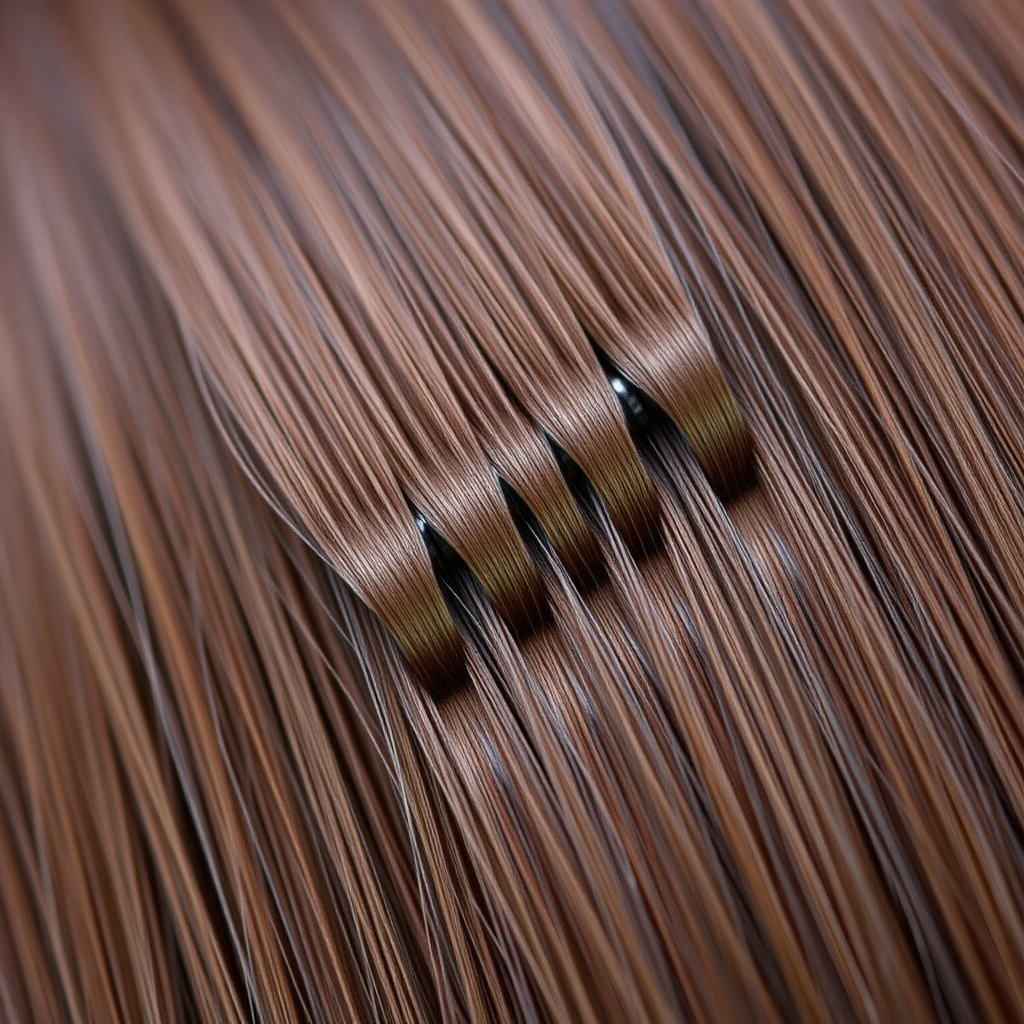
Micro-bead extensions involve attaching small strands of hair using tiny metal beads clamped close to the scalp. When applied correctly, they add volume without adhesives, providing a semi-permanent solution. However, they must be applied sparingly on thin hair to avoid excessive weight.
The placement of beads away from the roots helps reduce pulling, but inadequate installation can lead to tension alopecia. Regular maintenance every 6-8 weeks is essential to adjust beads and prevent damage.
- No glue or heat involved
- Semi-permanent with reusability
- Requires professional application
For more on this, see our related guide: How to Do Faux Locs: A Step-by-Step Guide for Stylish Protective Hairstyles.
Sew-In (Weave) Extensions
Sew-in extensions are generally heavier and less recommended for thin hair as they require braiding natural hair tightly to sew wefts onto the scalp. This tension can cause breakage and hair loss if the base hair is not strong enough.
However, modified methods using loose or partial braids combined with lighter wefts can work for those seeking a durable, long-lasting option, provided the stylist understands the vulnerabilities of thin hair.
- Stronger hold but heavier weight
- Risk of tension on weak hair
- Modified styles can reduce risk
Materials and Quality Factors for Thin Hair Extensions
Human Hair vs. Synthetic Extensions
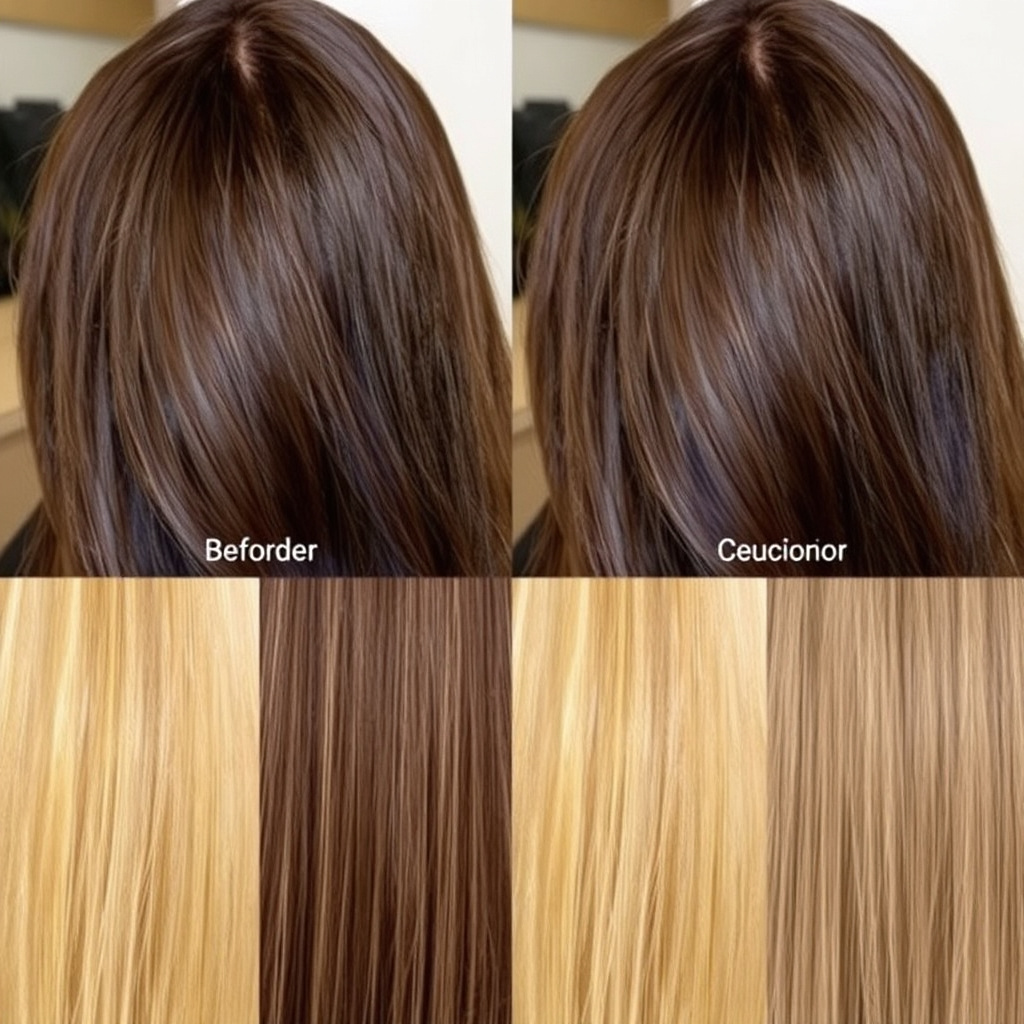
Human hair extensions, especially those that are Remy or virgin, tend to be the safest and most natural-looking choice for thin hair. They blend smoothly, allow styling with heat tools, and last longer without causing excessive tangling or damage.
Synthetic extensions are generally cheaper but less durable and can be stiff or bulky, which may make thin hair look unnatural and can cause extra friction on delicate strands.
- Human hair offers better texture matching
- Synthetic hair less flexible and durable
- Choose Remy or virgin hair for longevity
Color and Texture Matching
Matching the extension color and texture to your thin hair is crucial for a seamless appearance. Slightly lighter shades tend to blend better with fine strands because they don’t create a heavy contrast. Choosing extensions with similar wave or curl patterns preserves natural volume and prevents mismatch.
Sunlight and frequent washing can alter color, so professional coloring or toning may be necessary after purchase for the best match.
- Match hair texture carefully
- Consider slight variations for natural blend
- Professional color matching recommended
Care and Maintenance Tips for Extensions on Thin Hair
Daily Grooming and Washing Instructions
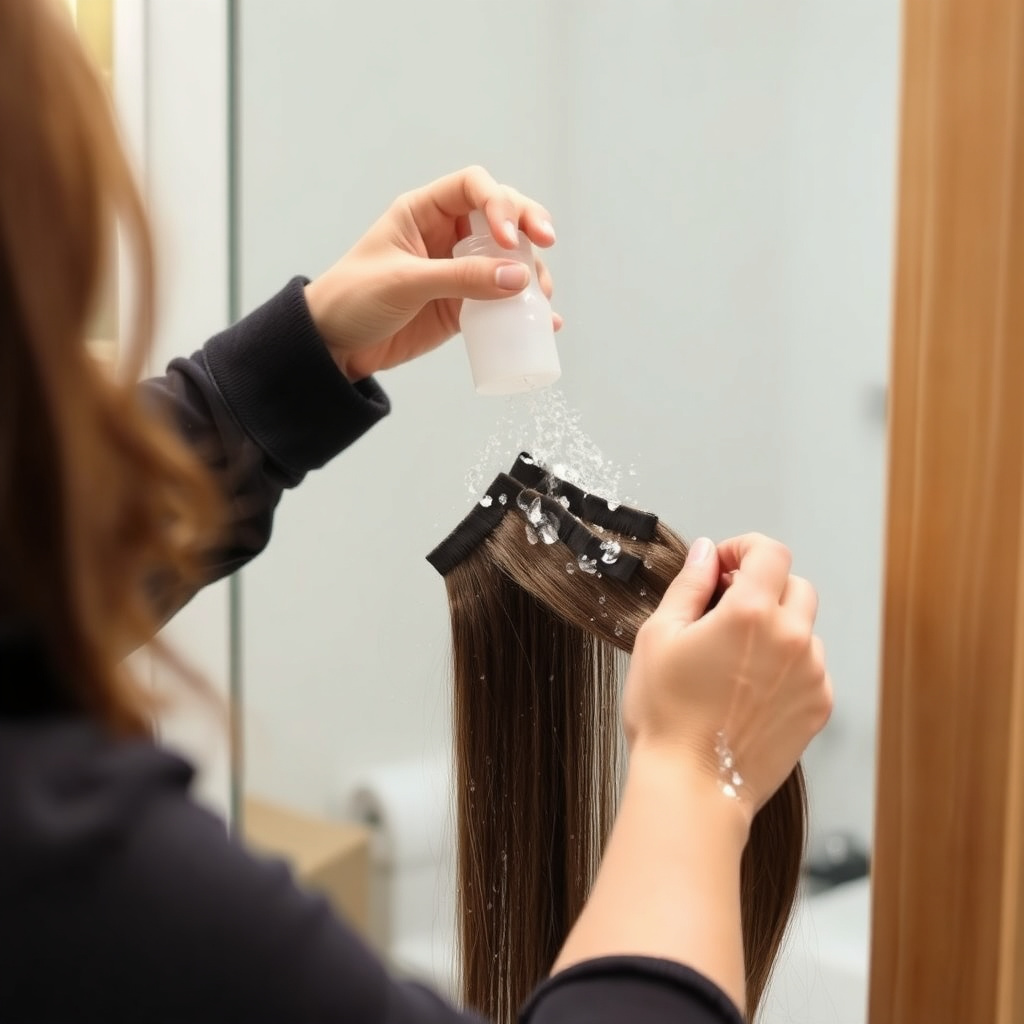
Proper daily care helps preserve thin hair extensions and protects natural hair. Use a gentle, sulfate-free shampoo and conditioner to avoid drying out hair and extension bonds. When brushing, use a wide-tooth comb or extension-specific brush, starting from the tips and working upward to prevent pulling.
Washing should be done carefully without rubbing the extension attachment points. Limiting heat styling with tools set at lower temperatures also reduces stress.
- Use sulfate-free shampoo and conditioner
- Brush gently from ends upward
- Avoid washing too frequently, 2-3 times weekly
For more on this, see our related guide: How to Do Clip In Extensions: A Step-by-Step Guide for Beginners.
Professional Maintenance Sessions
Regular visits to a trusted stylist are vital for maintaining extension integrity, especially for tape-in and micro-bead types. These sessions allow for tape replacement or bead adjustment and check the health of natural hair and scalp.
Neglecting maintenance can lead to matting, slippage, and hair damage, which is especially risky with thin hair. A stylist can also advise on any needed treatments to keep hair nourished.
- Schedule maintenance every 6-8 weeks
- Get expert checks for scalp health
- Timely replacement extends extension life
Styling Strategies to Maximize Volume with Extensions on Thin Hair
Adding Layers and Textures
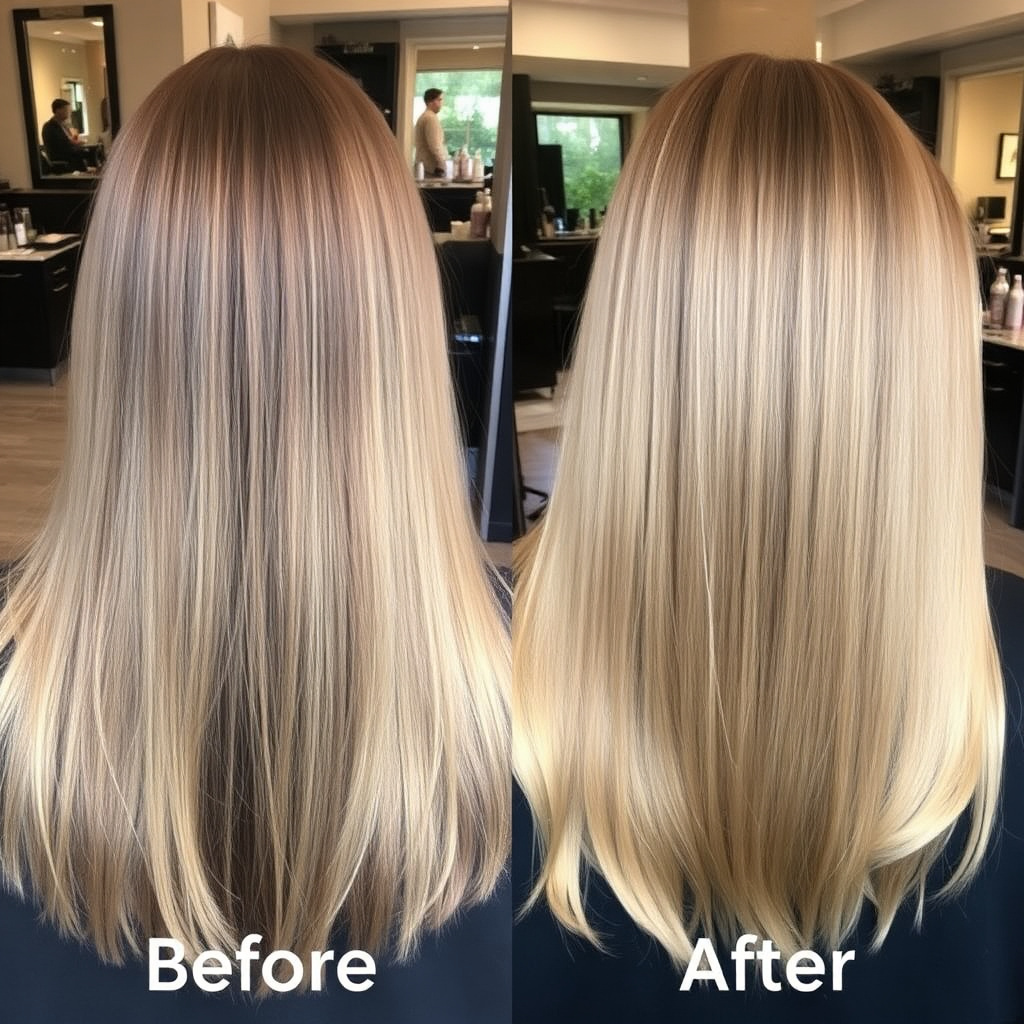
Layered cuts combined with extensions create the illusion of thicker hair by distributing volume evenly. Texturizing thinning areas through subtle waves or curls amplifies fullness and provides body without heaviness.
Styling products formulated for fine hair work best to define shape without weighing hair down or causing buildup that makes thin hair appear limp.
- Use extensions to add length and body
- Incorporate layers for natural fullness
- Light styling mousse or sprays recommended
For more detailed information on hair extensions, you can visit this comprehensive resource. hair extensions.
Avoiding Damage During Styling
Avoid heavy gels or oil-based products around the extension bonds as these can loosen adhesive tapes or beads. Heat protection sprays are essential when using curling irons or straighteners to prevent breakage of both natural and extension hair.
Gentle finger-styling can create volume without stressing fragile roots, reducing the risk of tension-related shedding.
- Use heat protectants liberally
- Avoid heavy or greasy hair products near bonds
- Finger-style rather than aggressively brushing
Hair Extension Types Comparison for Thin Hair
This table summarizes key features of popular hair extension types ideal for thin hair, helping you compare factors like weight, application method, and maintenance.
| Category | Weight on Hair | Application Method | Durability | Maintenance Frequency |
|---|---|---|---|---|
| Tape-In | Lightweight | Adhesive tape | 6-8 weeks | Every 6-8 weeks |
| Clip-In | Very Light | Clips | Temporary, daily | None, user-applied |
| Micro-Bead | Light | Beads clamped | 6-8 weeks | Every 6-8 weeks |
| Sew-In (Modified) | Moderate | Braided tracks with sew-in wefts | Up to 8 weeks | Every 6-8 weeks |
| Traditional Sew-In | Heavy | Braided tracks with sew-in wefts | 6-8 weeks | Every 6-8 weeks |
Frequently Asked Questions
Can I use any type of hair extensions on thin hair?
Not all hair extensions are suitable for thin hair. Lightweight and gentle types like tape-in or clip-in work best to avoid stressing fragile strands or causing breakage.
How often should I get thin hair extensions maintained?
Most semi-permanent extensions, such as tape-in or micro-bead, require maintenance every 6-8 weeks to adjust placement and check hair health.
Are synthetic hair extensions a good choice for fine hair?
Synthetic extensions are generally less ideal for thin hair because they can feel bulky, don’t blend as well, and have limited durability compared to human hair extensions.
Is it safe to color my hair extensions to match my hair?
Coloring human hair extensions is possible but requires professional care to prevent damage, especially when matching fine, thin hair textures and shades.
What styling tips help maintain extensions on thin hair?
Use gentle brushes, avoid heavy products near attachment points, and apply heat protectants when styling to prolong extension life and protect fragile hair.
Key Takeaways
- Tape-in and clip-in extensions are the best types for thin hair due to their lightweight nature and gentle application.
- Human hair extensions provide the most natural blend and flexibility for styling.
- Regular professional maintenance protects both your extensions and your natural hair.
- Avoid heavy or tight extension methods that can strain or damage fragile, thin hair.
Conclusion
Choosing the right type of hair extensions for thin hair involves balancing the need for added volume with protecting delicate strands from damage. Lightweight options like tape-in and clip-in extensions offer a natural look without imposing heavy strain. Considering your hair’s texture, desired wear time, and maintenance willingness is key to selecting extensions that enhance your style safely.
For those seeking a temporary boost, clip-in extensions allow full control and easy removal, making them perfect for special occasions or cautious trial. Tape-in extensions deliver a seamless blend for weeks, suitable for individuals who want a more consistent volume increase without daily upkeep. Micro-bead extensions can also work, but require careful application and ongoing adjustment to avoid tension damage. Avoid traditional sew-ins unless your hair is sufficiently strong to withstand the heavier weight.
Before committing to extension installation, consult a hair care professional who can evaluate the health of your scalp and natural hair. They can guide you toward the best method and quality materials, as well as recommend a maintenance schedule. Starting slow with clip-ins or tape-ins is advisable. Proper care, gentle styling, and periodic professional checkups will help your thin hair extensions stay beautiful and healthy.



3 Comments