How to Do Faux Locs: A Step-by-Step Guide for Stylish Protective Hairstyles
Faux locs can be created by wrapping synthetic or natural hair extensions around natural hair strands to mimic the appearance of traditional dreadlocks. The process generally involves sectioning the hair, prepping it with braids or twists, then wrapping with the chosen hair extensions until the entire length is covered, creating smooth, uniform locs.
This hairstyle is celebrated not only for its aesthetic appeal but also as a protective style that helps minimize damage to natural hair. Faux locs provide versatility and low maintenance, offering a fresh look without committing to permanent dreadlocks. Many choose this style for its blend of cultural expression and hair health benefits.
This article will guide you through the preparation steps, the wrapping technique, maintenance tips, and styling ideas, plus discuss variations and hair extension options. Whether you’re a DIY enthusiast or considering professional help, this guide will equip you to achieve beautiful, long-lasting faux locs.
Preparing Your Hair for Faux Locs

Cleansing and Conditioning
Start by thoroughly washing your hair with a moisturizing shampoo to remove any buildup. Follow up with a deep conditioning treatment to enhance softness and elasticity, which is crucial because healthy hair provides a solid foundation for installing faux locs.
After rinsing, gently towel dry your hair and apply a leave-in conditioner. Avoid heavy products that can weigh your hair down or cause buildup under the locs. Well-prepped hair reduces scalp irritation and enhances the longevity of the style.
Sectioning and Braiding the Hair
Divide your hair into evenly sized sections using a rat-tail comb; these will determine the width and number of your faux locs. Consistency in size helps maintain a neat look. Secure each section with clips or small rubber bands.
Next, create cornrow braids or two-strand twists in each section to form a firm base. The braids/twists should be tight enough to hold hair extensions but not so tight as to cause tension or discomfort. This base ensures your faux locs maintain shape and stability.
- Use a comb with a pointed handle for precise parting
- Braids or twists should extend the full length of each section
Choosing and Preparing Hair Extensions

Types of Hair Extensions
Faux locs typically use synthetic hair like Marley or Kanekalon for a natural texture and durability, although some opt for human hair extensions for a softer, more realistic finish. Marley hair has a coarse texture that blends well with natural hair, while Kanekalon is smoother and more lightweight.
Your choice depends on your budget, desired look, and maintenance willingness. Synthetic options offer affordability and style variety, but human hair extensions provide better versatility for styling and washing.
- Marley hair: coarse, natural-looking texture
- Kanekalon hair: smooth and easier to manipulate
- Human hair: most realistic with heat-styling capability
Preparing Extensions for Installation
Before installation, separate the hair extensions into manageable strands. If you want a tapered faux loc effect, trim one end of the extensions to create a natural looking root-to-tip taper.
Soak synthetic hair briefly in warm water (if instructions permit) to soften fibers. This step makes wrapping smoother and reduces frizz. Avoid using heat tools on synthetic fibers unless they’re heat resistant to prevent melt or damage.
- Fan out extension strands to avoid tangling
- Pre-taper ends for realistic loc thickness variation
Installing Faux Locs: Wrapping Techniques
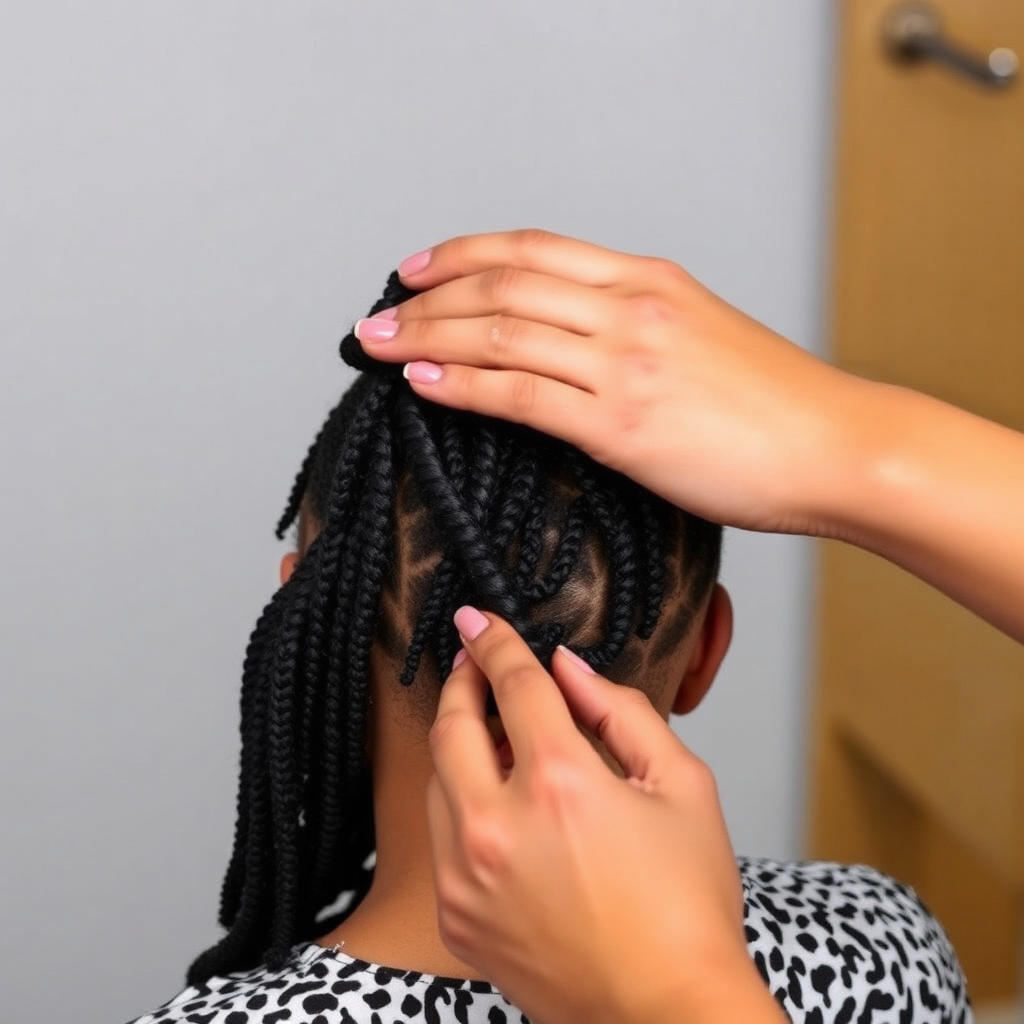
Basic Wrapping Method
Start by anchoring the hair extension at the root of your braided or twisted section. Hold the base securely and wrap the extension around the braid, rolling tightly but comfortably to form a smooth loc.
Continue wrapping down the entire length of the braid until you reach the end. Use scissors to trim any excess hair from the extension and seal the tips with hot water or a lighter, depending on the hair type and instructions.
- Wrap hair around evenly without gaps
- Keep consistent tension to avoid bulkiness or looseness
- Seal ends promptly to prevent unraveling
Advanced Wrapping Styles
You can experiment with different wrapping directions—clockwise or counterclockwise—depending on your hair’s natural growth pattern to reduce tension. Additionally, some stylists combine wrapping with crocheting methods to secure locs more tightly.
Adding embellishments like beads or gold cuffs during or after wrapping personalizes your faux locs. Layering thinner extensions before wrapping bulky ones can also create dimensional locs with natural variation.
- Alternate wrap directions to reduce scalp stress
- Use decorative accessories to enhance style
Maintaining and Caring for Faux Locs

Washing and Moisturizing
Faux locs require careful cleaning to avoid buildup and maintain scalp health. Use diluted sulfate-free shampoos applied directly on the scalp. Rinse thoroughly and follow up with a light, water-based moisturizer or oil to keep both locs and scalp hydrated.
Avoid heavy creams that can cause residue and slow drying, which promotes mildew. Washing every 1-2 weeks strikes a good balance between cleanliness and longevity of the style.
- Dilute shampoo for gentle cleansing
- Moisturize scalp regularly with lightweight oils
- Dry hair completely to prevent mildew
Touch-Ups and Longevity Tips
Regularly inspect the roots for new growth and re-wrap or braid them as needed to maintain neatness. If any locs begin unraveling, rewrap or use crochet needles to tighten them.
Nighttime care is essential; wrap your hair in a silk or satin scarf or bonnet to reduce friction. Avoid heavy styling products that can cause buildup or weaken the locs, which affects how long the hairstyle lasts.
- Rewrap new growth promptly
- Use silk or satin head covers while sleeping
- Limit product use to maintain clean locs
Styling Variations and Customizations
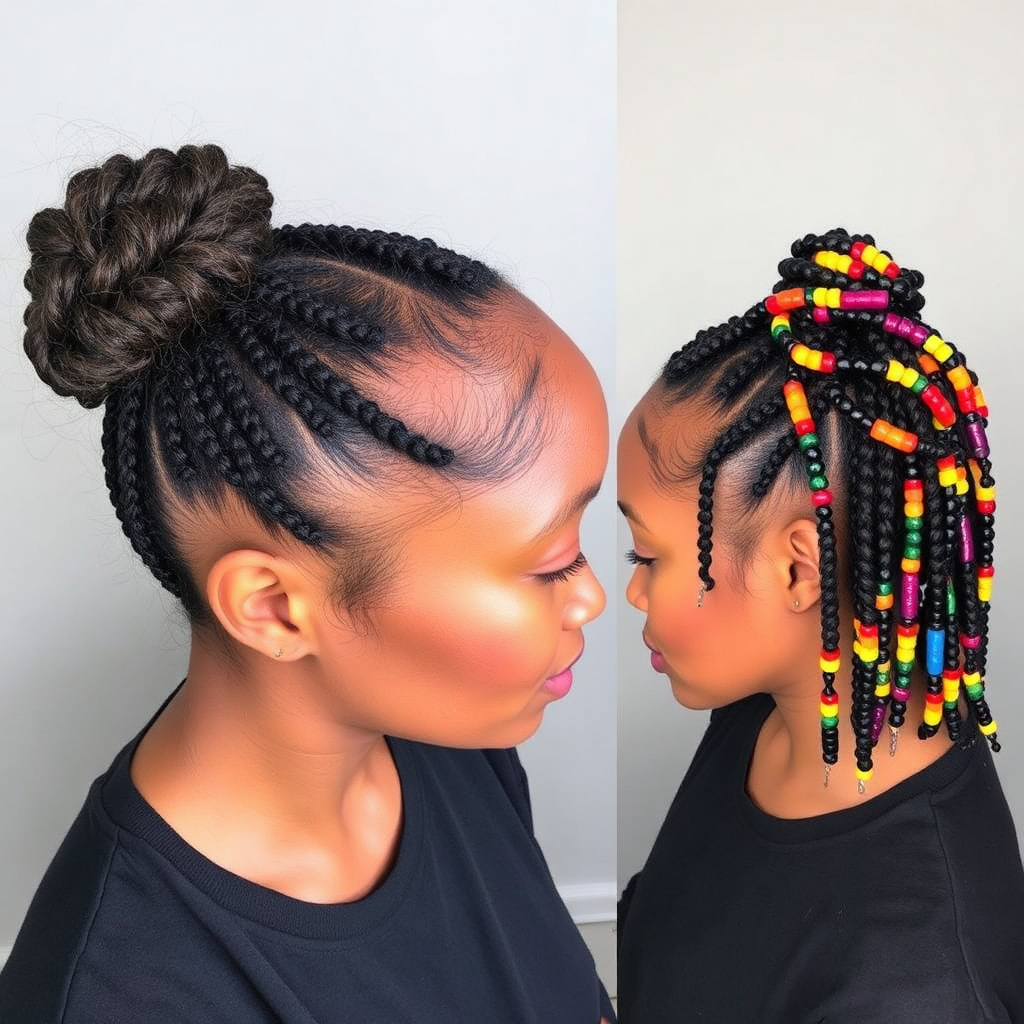
Adding Color and Accessories
One way to customize faux locs is by incorporating colored hair extensions or highlights for a vibrant, bold appearance. Pastels, bright shades, or ombré effects can be added during wrapping for unique results.
Accessories such as beads, shell charms, or metallic cuffs can be woven into locs individually or in clusters to add texture and flair without damaging the style.
- Use colored Marley or Kanekalon hair for highlights
- Add beads or cuffs after wrapping
For a broader understanding of hairstyles that shield hair from damage, the Wikipedia article on protective hairstyles provides useful information. Protective hairstyles on Wikipedia.
Updos and Protective Styles
Faux locs lend themselves well to various styling options including high buns, ponytails, and half-up half-down styles. These protect the ends and reduce manipulation, extending the life of the locs.
For special occasions, you can braid sections of locs or twist them into elegant designs. The flexibility of faux locs makes them a versatile choice for both everyday wear and formal looks.
- Try buns or ponytails to protect ends
- Incorporate braids for elegant variations
Faux Locs Hair Extension Types Comparison
Different hair extensions influence the faux loc style’s look, weight, and maintenance; here’s how common options compare.
| Hair Extension Type | Texture & Appearance | Weight | Price Range | Durability |
|---|---|---|---|---|
| Marley Hair | Coarse, natural matte look | Medium-heavy | $10-$20 per pack | High durability |
| Kanekalon Hair | Smooth, soft texture | Lightweight | $8-$18 per pack | Moderate durability |
| Human Hair | Very natural, versatile | Medium | $30-$50 per pack | Moderate to high durability |
| Synthetic Heat-Resistant | Varies, can mimic human hair | Medium | $15-$25 per pack | Moderate durability |
| Yarn | Matte, thick texture | Heavy | $5-$10 per skein | Lower durability |
Frequently Asked Questions
How long do faux locs typically last?
Faux locs can last anywhere from 4 to 8 weeks depending on hair growth, maintenance, and the type of hair extensions used.
Can I wash my hair with faux locs installed?
Yes, you can wash your hair carefully every 1 to 2 weeks using diluted shampoo, focusing on the scalp to prevent buildup.
Are faux locs damaging to natural hair?
If installed and maintained properly without excessive tension, faux locs can be protective and minimize damage compared to other styles.
Can I install faux locs myself at home?
With patience and practice, many people successfully install faux locs at home following detailed tutorials, but seeking a professional ensures better results.
What is the best hair extension for faux locs?
Marley hair is commonly preferred due to its textured appearance resembling natural locs, offering good durability and aesthetic.
Key Takeaways
- Faux locs are created by wrapping braids or twists with hair extensions for a stylish protective look.
- Choosing the right hair extensions, like Marley or Kanekalon, impacts the look and maintenance.
- Proper hair preparation and maintenance extend the style’s life and prevent scalp issues.
- Customization options include color, accessories, and various styling techniques.
Conclusion
Understanding how to do faux locs effectively involves mastering several key steps: washing and preparing your hair, choosing suitable hair extensions, and applying wrapping techniques that create neat, uniform locs. Paying close attention to the health of your natural hair during installation and maintenance is fundamental to achieving a long-lasting style that doesn't cause breakage or discomfort. By following these guidelines, you can enjoy the aesthetic and protective benefits of faux locs with confidence and style.
Depending on your goals, budget, and personal preferences, different hair extension types offer varied advantages. Marley hair is ideal for blending texture and durability, while Kanekalon offers lightweight softness. If you want a more natural finish and increased styling flexibility, human hair extensions are recommended despite the higher cost. Those seeking creative flair can incorporate colored or heat-resistant synthetic options. Regular cleansing, moisturizing, and gentle care routines are essential no matter which style you choose to maintain both your faux locs and natural hair health.
If you feel ready to try faux locs yourself, gather quality Marley or Kanekalon hair and clear time for careful sectioning and wrapping. For a flawless finish and minimized risk of damage, consulting with a professional stylist familiar with faux locs is a worthwhile investment. Either way, faux locs offer a versatile, low-maintenance protective hairstyle that stands out for its beauty and practicality. Start with the basics detailed here, and adjust the method as you grow more comfortable and creative with your look.




One Comment