What Type of Braids Are the Easiest to Do Yourself?
The easiest type of braids to do yourself are generally three-strand braids. These involve simply dividing hair into three sections and crossing them over each other repeatedly. This basic technique requires minimal skill and can be done quickly by anyone, regardless of hair length or texture.
Understanding which braids are easiest matters because it saves time and frustration, especially for those new to hairstyling. Simple braids like the classic three-strand braid, rope braid, or basic twist braids don’t require complex finger work or precise sectioning, making them accessible for daily wear and casual looks.
This article will explain various braid styles considered easy to make, compare their techniques, and provide tips for beginners. We will also explore easier and slightly more advanced braids, helping you find the best option to suit your hair and styling skill level.
Basic Braids: The Simplest Styles to Master
Three-Strand Braid Technique
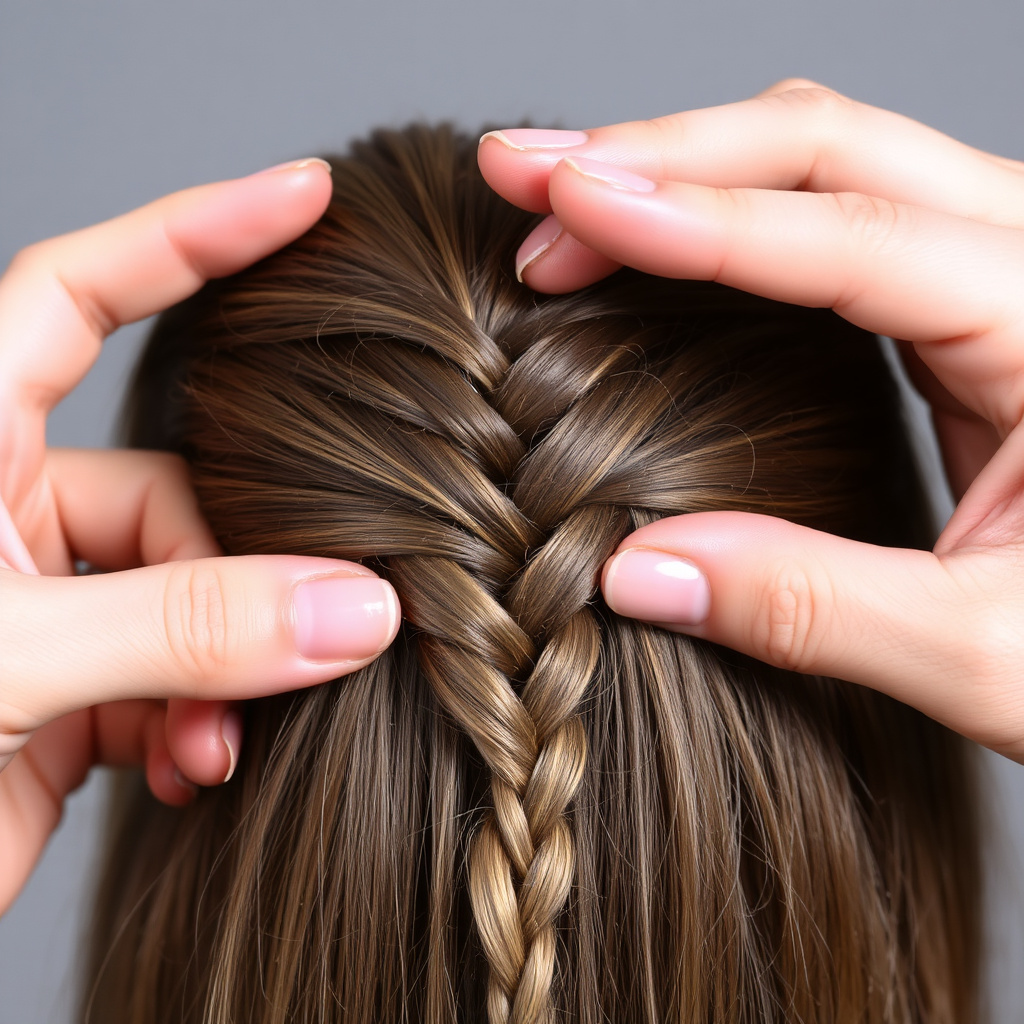
The three-strand braid is the fundamental braid style where hair is divided into three equal sections. You cross the right section over the middle, then the left over the middle, repeating until the braid reaches the end. This braid stays tight and neat when done with consistent tension.
Because it requires only three sections and simple over-crossings, it is easy to learn and remember. It works well on almost any hair type and length, making it the go-to braid for beginners.
- Divide hair into three even strands
- Cross right strand over center, then left strand over center
- Repeat until the braid is complete
- Secure with an elastic band
Rope Braid Basics
A rope braid involves twisting two strands individually, then twisting them together in the opposite direction. This creates a rope-like appearance that holds well and looks neat without complex sectioning.
Though slightly different in technique from the three-strand braid, the rope braid also enjoys a low learning curve and can be easily adapted for casual or formal hairstyles.
- Split hair into two sections
- Twist each section tightly in one direction
- Twist the two sections around each other in the opposite direction
- Finish with a hair tie
Braids with Minimal Sectioning and Finger Work

Two-Strand Twist Braid
The two-strand twist is simpler than the traditional braid because it uses only two sections that are twisted together. It produces a rope-like effect and can be done quickly on dry or damp hair.
Because it is less fiddly than braids requiring multiple strands, it is often recommended for beginners who want a low-maintenance look with minimal practice.
For more on this, see our related guide: What Type of Twist Is Best for Beginners: A Practical Guide.
Chunky Braids and Pull-Through Braids
Chunky braids are made by braiding larger sections of hair, reducing the complexity and time required. Pull-through braids simulate a braid’s look by using ponytails and pulling sections through each other.
These styles require less precise finger coordination, making them easier to execute for those less experienced but still wanting stylish results.
- Use thick hair sections
- Create multiple ponytails for pull-through braid
- Pull sections through each other instead of complex weaving
Easier Braids for Different Hair Types
Braids Suited for Straight Hair
Straight hair can typically hold tight, neat braids like the three-strand or fishtail braid well. Easiest braids for straight hair often involve simple sectioning and smooth finger movements to prevent slipping.
Easy braiding styles such as the classic three-strand braid or two-strand twists work effectively, resulting in polished and manageable looks.
Braids Suited for Curly or Textured Hair
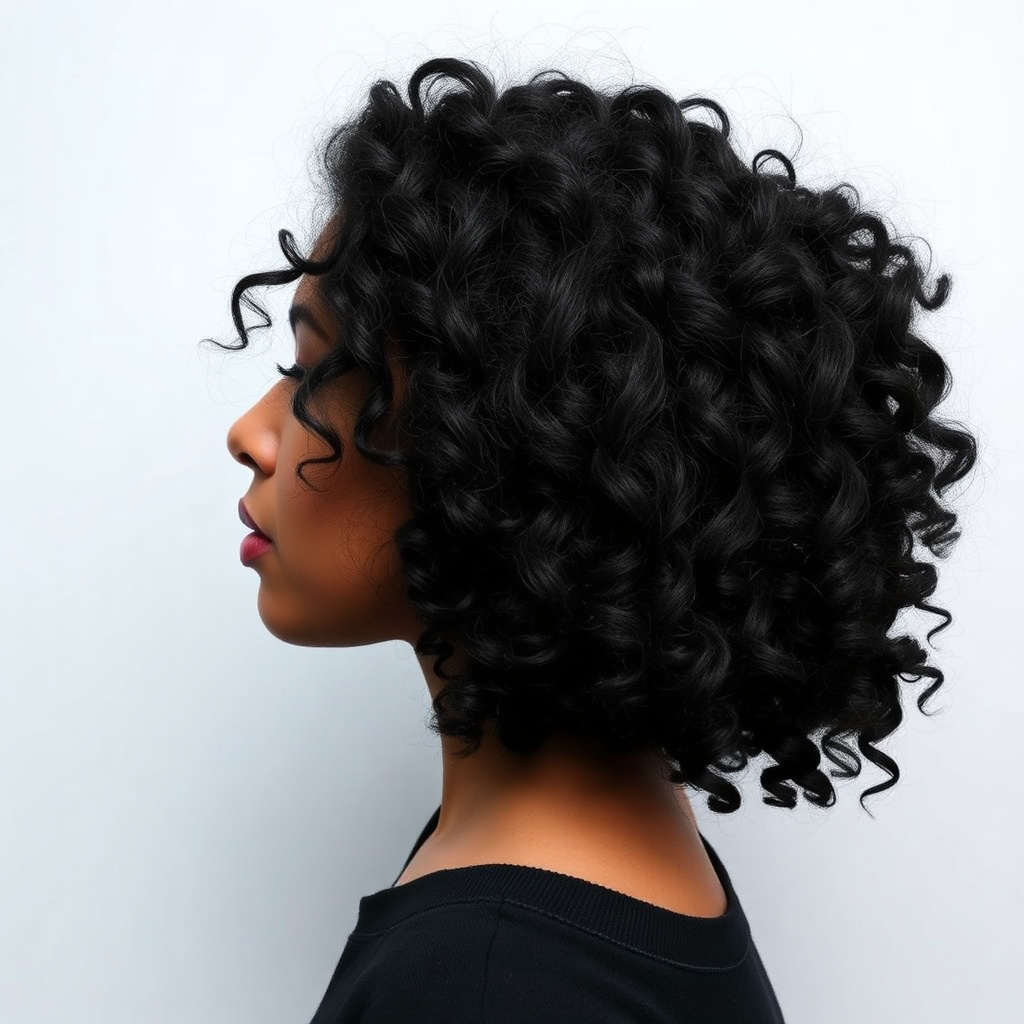
Curly and textured hair usually benefits from braids that embrace volume, such as chunky braids or twist braids. These braid types work with the natural texture and reduce frizz while being easier to handle.
Rope braids and two-strand twists are popular easy braiding styles here because they require less detangling and sectioning precision.
Tools and Tips to Simplify Braiding

Essential Braiding Tools
Simple tools like hair elastics, sectioning clips, and wide-tooth combs can greatly ease the braiding process. Using clips to separate hair sections prevents tangling and slipping as you braid.
Choosing the right hair ties helps secure braids without pulling or damaging hair, which is important for maintaining braid neatness and hair health.
- Elastic bands without metal
- Sectioning clips
- Wide-tooth comb
- Hair mousse or gel for grip
For more on this, see our related guide: What Type of Braids Are Best for Kids: A Practical Guide.
Helpful Braiding Tips for Beginners
Starting braids on detangled, slightly damp hair often results in a smoother finish. Practicing consistent tension while crossing strands helps maintain braid shape.
Using mirrors or asking for help the first few times can build confidence. Choosing simpler braids first builds familiarity before attempting more complicated styles.
- Work on damp or moisturized hair
- Keep consistent strand tension
- Use mirrors to check symmetry
- Practice regularly for muscle memory
Improving Your Braiding Skills Over Time

Practicing Braids Step-by-Step
Breaking down braiding into manageable steps allows learners to focus on one part of the process at a time. Starting with the three-strand braid helps build foundational skills.
Regular practice enhances finger dexterity and familiarizes you with how hair behaves during braiding, reducing mistakes and increasing speed.
- Section hair cleanly
- Cross strands slowly
- Use both hands evenly
- Increment practice sessions daily
To explore more about various braiding techniques and their history, check out this comprehensive article on braiding techniques on Wikipedia. braiding techniques on Wikipedia.
Exploring Slightly Advanced Easy Braids
Once comfortable with basic braids, trying styles like the fishtail or waterfall braid can expand your skills without overwhelming complexity. These braids use similar hand motions but require attention to detail.
Mastering easier braiding styles opens doors for creativity and variety in daily hairstyles.
- Fishtail braid uses two sections with small strand crosses
- Waterfall braid creates cascading braid effect
- Practice patience and follow tutorials
Comparison of Easiest Braids for Beginners
Here’s a quick look at how common easy braiding styles compare on technique, hair suitability, and time to complete.
| Braid Type | Number of Strands | Hair Types Best Suited | Approximate Skill Level | Average Time to Do |
|---|---|---|---|---|
| Three-Strand Braid | 3 | All hair types | Beginner | 5-10 minutes |
| Rope Braid | 2 | Straight, curly | Beginner | 7-12 minutes |
| Two-Strand Twist | 2 | All hair types | Beginner | 3-8 minutes |
| Chunky Braid | 3 or more sections | All hair types | Beginner | 5-15 minutes |
| Pull-Through Braid | Multiple ponytails | Medium to long hair | Beginner | 10-20 minutes |
| Fishtail Braid | 2 | Medium to long hair | Intermediate | 15-25 minutes |
Frequently Asked Questions
Can beginners braid their own hair easily?
Yes, beginners can easily braid their own hair using simple braids like the three-strand or two-strand twists, which require minimal technique and can be learned quickly.
Which braid lasts the longest throughout the day?
Braids like rope braids and three-strand braids made with firm tension tend to last longest during the day, especially if secured well and made on slightly damp hair.
Is braiding suitable for all hair types?
Most braiding styles can be adapted for all hair types. However, textured and curly hair often holds braids better with styles like chunky or twist braids, while straight hair suits finer braids.
Do easy braids require special hair care products?
Using light hair mousse or styling gel can help in gripping strands and reducing flyaways, making easy braids neater, but they are not strictly necessary for simple braids.
How important is hair length for easier braids?
Hair length affects braid complexity; most easy braids work well on medium to long hair, while very short hair may limit braid options or require adapted techniques.
Key Takeaways
- Three-strand braids and two-strand twists are the easiest braids for beginners.
- Simple braids work well on most hair types and lengths with minimal tools.
- Using clips, elastics, and slight hair dampness can make braiding easier.
- Practicing regularly improves speed and braid neatness over time.
Conclusion
When deciding what type of braids are the easiest, focus on styles with fewer strands and straightforward finger movements, such as the classic three-strand braid or two-strand twists. These styles minimize complexity and require little preparation while producing neat, versatile results. Assess your hair type and length to select a braid that maintains hold and suits your style preferences.
For most beginners, starting with the three-strand braid is a reliable choice as it introduces foundational braiding skills applicable to more options later. Those with textured hair might find chunky braids or rope braids more manageable due to better grip. If speed is essential, two-strand twists are simple and fast. For longer hair, experimenting with pull-through and fishtail braids offers variety after mastering the basics.
The next step is to gather simple braid-friendly tools like no-metal elastics and section clips, practice braiding regularly in front of a mirror, and try different easy braiding styles covered here. Over time, your skill and confidence will grow, allowing spontaneous and attractive braided hairstyles for various occasions.