What Type of Braids Are Best for Kids: A Practical Guide
The best type of braids for kids are those that prioritize comfort, protect the hair, and are easy to maintain. Simple styles like French braids, box braids, and two-strand twists offer gentle hair handling while making hair manageable for active children. These braids minimize tangles and reduce breakage, making them ideal choices for everyday wear.
Choosing the right braid type is essential because kids have delicate hair that can be susceptible to damage from tight or complicated hairstyles. Braids that are too tight can cause scalp irritation or hair loss. On the other hand, braids that allow some movement and protect the ends can support healthy hair growth and keep kids comfortable throughout the day.
This article will cover several popular braid types for kids, highlighting their benefits, maintenance tips, and suitability for different hair textures. It will also address styling considerations that keep little ones happy and hair healthy, ensuring you find the perfect braid style for your child’s needs.
Protective Braids That Support Healthy Hair Growth

Box Braids: Durable and Versatile
Box braids are popular for kids because they section hair into small, manageable squares, making detangling easier. They are protective by design, shielding hair ends from exposure and reducing breakage. Box braids can last several weeks with proper care, freeing parents from daily styling.
These braids accommodate various hair textures, especially tightly coiled or curly hair. Since box braids are typically done with some added synthetic hair, it's important to keep them at a comfortable tightness to avoid scalp stress. Regular moisturizing and gentle washing keep the scalp healthy during wear.
- Lasts up to 6 weeks with care
- Requires minimal daily styling
- Best suited for textured hair
Two-Strand Twists: Gentle and Easy to Manage
Two-strand twists are simpler than many braid styles and are gentle on a child’s hair. They involve twisting two sections of hair around each other, creating a rope-like effect. This method is less stressful on the scalp and is perfect for fine or fragile hair.
Besides being a protective style, two-strand twists also help define natural curl patterns and can be styled in various ways. They are quick to install and take down, which is ideal for parents seeking easy braids for kids that don’t require long salon visits.
- Quick to style and remove
- Supports natural curl definition
- Less tension than traditional braids
Styling Braids for Daily Comfort and Play

French Braids: Classic and Secure
French braids work well for kids because they keep hair neatly gathered without pulling too tightly on the scalp. This style integrates hair gradually, distributing tension evenly across the scalp for comfort during active play.
These braids can be styled in one or two rows and accommodate all hair types. French braids also prevent tangling by keeping hair firmly in place, reducing the chances of painful knots after a busy day.
- Keeps hair secure during play
- Distributes tension evenly
- Suitable for all hair types
Pigtail Braids: Fun and Functional
Pigtail braids, which involve two braids positioned on either side of the head, are a charming, playful style favored by many kids. This look is easy to execute and maintain while keeping hair out of children’s faces.
Because pigtails can be loose or firm depending on preference, they provide nice versatility in tension. They are especially good for younger kids or toddlers where hair protection should be combined with comfort and minimal fuss.
- Quick to style
- Adjustable tightness
- Keeps hair tidy and playful
Braids That Encourage Hair Health and Maintenance
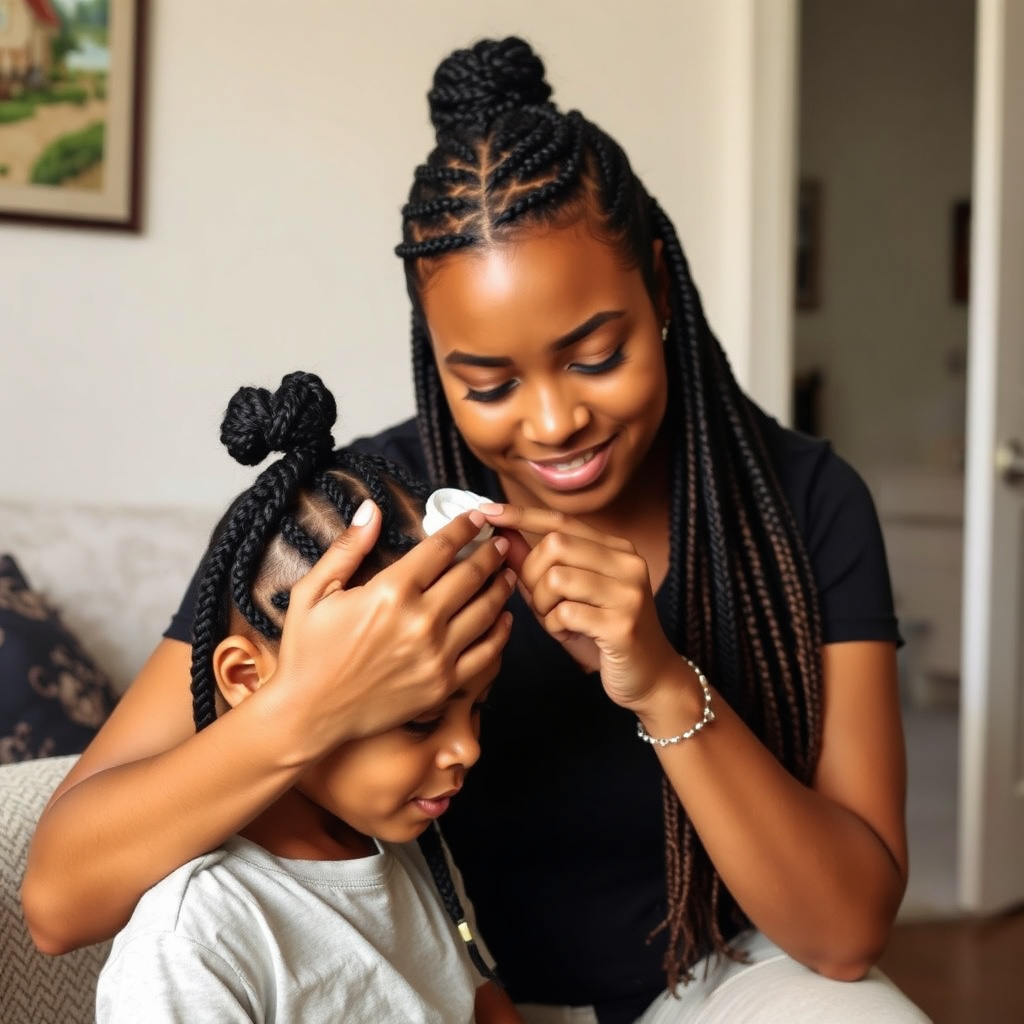
Dutch Braids: Low Maintenance with Style
Dutch braids, often called 'inside-out' braids, provide a raised braid look that stays intact for several days. The technique protects hair strands by weaving them closely and evenly, which minimizes friction and snagging.
This braid style is great for kids who want a neat appearance but still need hair that’s flexible for movement. It can be maintained with light moisturizing sprays and wrapped at night to extend wear and health.
- Stylish and raised braid effect
- Protects against hair friction
- Easy to maintain with routine care
Cornrows: Practical for Active Kids
Cornrows lay flat against the scalp, making them practical for children who are very active or frequently swim. Because the braids are close to the scalp, they lower the risk of hair getting caught or tangled during play.
Cornrows require proper technique to avoid tightness that can cause scalp discomfort. Regular moisturizing and cleaning are key to maintaining healthy hair under cornrows, and this style helps prolong the freshness of the hair's appearance.
- Lies flat on the scalp
- Ideal for active lifestyles
- Requires careful tension management
Maintenance Tips for Kids' Braids

Daily Care Practices
Moisturizing braids daily with water-based leave-in conditioners helps avoid dryness and itchiness. Wearing protective coverings like satin scarves or bonnets at night reduces friction and preserves braid longevity.
It's also important to spot clean the scalp to prevent buildup of sweat and dirt. Avoiding overly tight hairstyles will keep children comfortable and prevent hair damage during daily activities.
- Use water-based moisturizers
- Sleep with a satin bonnet or scarf
- Gentle scalp cleaning regularly
When and How to Remove Braids
Braids should be removed gently to prevent breakage and should not be kept longer than a recommended 4 to 6 weeks to avoid matting. Conditioning hair after removal helps restore moisture and softness.
During removal, detangle carefully with fingers or wide-tooth combs, and avoid pulling. Planning braid removal around times with less activity can reduce disruption to a child’s routine.
- Remove every 4 to 6 weeks
- Condition hair after removal
- Detangle gently to prevent breakage
Choosing Braids Based on Hair Type and Age

Braids for Fine or Straight Hair
Kids with fine or straight hair benefit from looser braids such as soft French or pigtail braids to avoid stress on delicate strands. Lighter braids that allow airflow reduce the risk of scalp irritation.
In these cases, two-strand twists can also work when done gently, offering a natural look that doesn’t weigh the hair down or create tension points.
- Favor looser braid styles
- Use lightweight hair products
- Avoid overly tight braids
For more detailed guidance on hair care and protection while braiding, see these braiding hair care tips from a reliable health source. braiding hair care tips.
Braids for Curly or Coarse Hair
Braids like box braids and cornrows perform well with curly or coarse hair because they help control volume and protect fragile ends from damage. These styles are also beneficial for moisture retention.
When working with this hair type, apply hydrating oils or creams before braiding and maintain moisture regularly. Protective braids here help maintain curl pattern definition and hair health.
- Use moisturizing creams before braiding
- Protect ends to reduce breakage
- Choose braids that control volume
Popular Braid Types for Kids: Category Comparison
Below is a comparison of common braid styles for kids based on ease of maintenance, protection level, and suitability for hair types.
| Braid Type | Ease of Maintenance | Hair Protection | Best Hair Types | Recommended Duration |
|---|---|---|---|---|
| Box Braids | Medium | High | Curly, Coarse | 4-6 weeks |
| Two-Strand Twists | High | Medium | All Hair Types | 2-4 weeks |
| French Braids | High | Medium | Fine, Straight, Curly | 1-3 days |
| Pigtail Braids | High | Low to Medium | All Hair Types | 1-3 days |
| Dutch Braids | Medium | Medium | All Hair Types | 3-5 days |
| Cornrows | Low to Medium | High | Curly, Coarse | 3-6 weeks |
Frequently Asked Questions
Are tight braids safe for kids?
Tight braids can cause scalp discomfort, hair breakage, and traction alopecia in kids. It's best to keep braids comfortably loose to protect delicate hair and avoid tension-related issues.
How often should kids' braids be washed?
Kids' braids should be washed gently every 1 to 2 weeks to remove scalp buildup. Use diluted shampoos and avoid rubbing braids vigorously to maintain style longevity.
Can braids damage a child's hair?
Braids can cause damage if too tight or left in too long, leading to breakage or scalp irritation. Proper technique, regular moisturizing, and timely removal help keep hair healthy.
Which braids are easiest to do at home?
Two-strand twists and simple French braids are among the easiest braids to do at home, requiring minimal skill and providing effective hair management.
Should children sleep with braids?
Yes, but it's best they sleep with a satin bonnet or pillowcase to reduce friction and keep braids neat and hair moisturized overnight.
Key Takeaways
- Choose braids that prioritize comfort and protect children's hair.
- Box braids and cornrows offer high protection but require careful tension management.
- Two-strand twists and French braids are gentle and easy for everyday wear.
- Proper braid maintenance extends style life and supports healthy hair growth.
Conclusion
Selecting the best type of braids for kids involves balancing style, comfort, and hair health. Parents should focus on braid styles that reduce scalp tension and minimize breakage, adapting choices to their child’s hair texture and lifestyle. Protective braids like box braids and cornrows guard hair strands while offering lasting looks, but they must be installed with care to avoid damage. Simpler styles like two-strand twists and French braids keep hair manageable daily and foster hair resilience.
For children with coarse or curly hair, styles such as box braids or cornrows protect hair effectively and control volume, especially when paired with moisturizing routines. Kids with finer or straighter hair benefit from softer, looser braids such as pigtails or French braids that avoid tension and irritation. If ease of maintenance is a priority, two-strand twists are highly recommended because of their simplicity and ability to define natural curls. Choosing the right braid depends on the child’s specific hair needs, age, and activity level.
To proceed, parents should experiment with these braid options and establish a consistent hair care routine that includes gentle moisturizing and protective measures like satin sleep covers. Consulting a skilled stylist specialized in children's braids can provide tailored advice and guarantee healthy execution. By focusing on comfort, protection, and routine care, kids can enjoy beautiful braids that promote strong, healthy hair.


One Comment