What Type of Haircut is Best for Curly Hair: Expert Tips and Styles
The best type of haircut for curly hair is one that embraces the natural curl pattern while adding shape and definition, such as layers designed to reduce bulk and prevent a heavy, triangular shape. Haircuts like the DevaCut, layered cuts, or the curly bob are tailored specifically to nourish and enhance curls, allowing them to bounce and frame the face beautifully.
Curly hair often behaves differently than straight hair because of its texture and natural volume, making the right cut essential to managing frizz and maintaining curl integrity. Without an appropriate haircut, curls can appear undefined, weighed down, or poofy, which affects not just style but hair health and daily maintenance.
This article will cover key haircut styles suitable for various curly hair types, considerations for choosing the right shape, techniques stylists use to optimize curls, and practical tips for communicating your needs to a hairdresser. You'll gain in-depth guidance to confidently select the haircut that works best for your unique curls.
Understanding Curly Hair Types and Their Impact on Haircuts
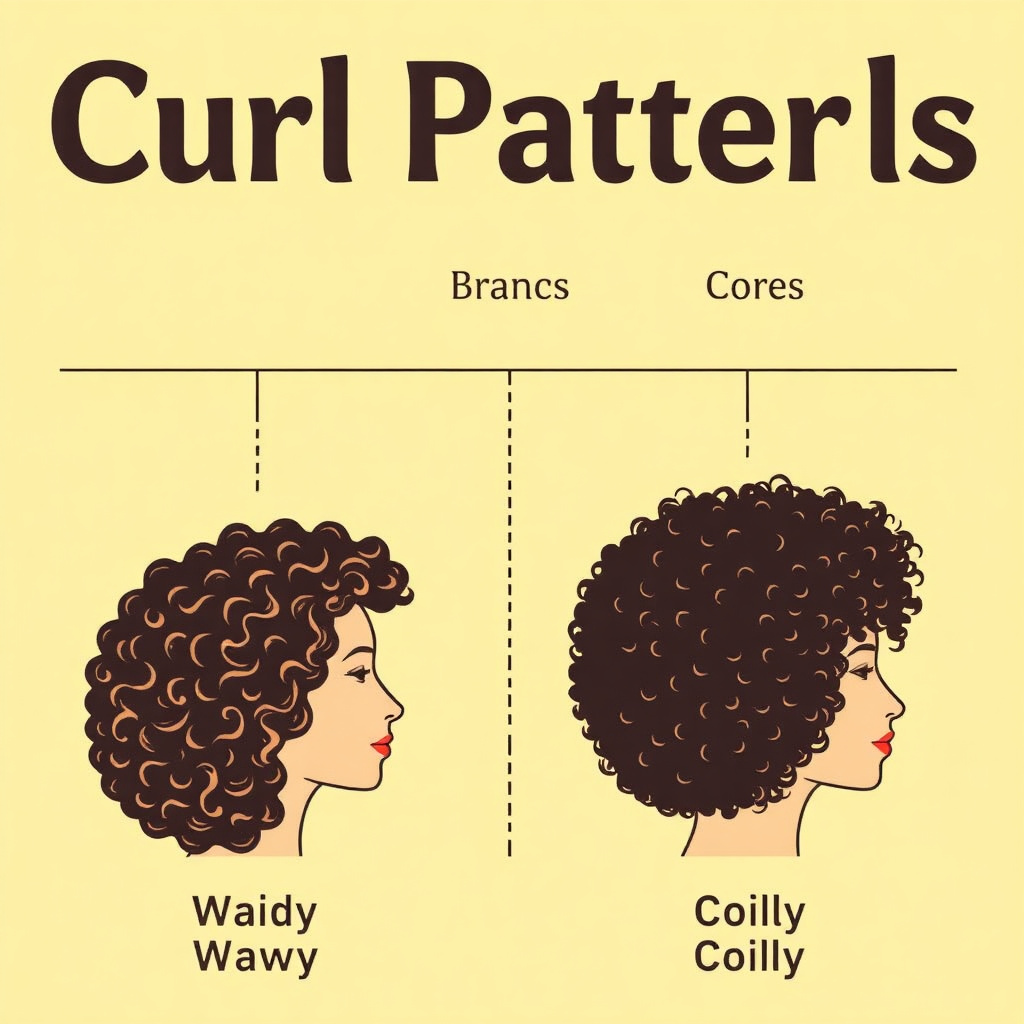
Classifying Curl Patterns for Customized Haircuts
Curly hair is commonly categorized into types 2 (wavy), 3 (curly), and 4 (coily), each with subtypes indicating tighter or looser curls. Understanding your curl type helps determine the best haircut because each responds differently to layering and shaping techniques.
For instance, type 3A curls usually benefit from longer layers that define the coil, while type 4 hair often requires careful shaping to maintain moisture and reduce shrinkage. Recognizing your specific curl pattern helps stylists cut in a way that enhances natural movement.
- Type 2: Wavy, loose S-shaped
- Type 3: Defined curls, springy and bouncy
- Type 4: Tight coils, very textured
Analyzing Curl Density and Hair Thickness
Curl density (how many strands per square inch) and hair thickness (strand diameter) affect how a haircut shapes volume and controls bulk. Dense curls can create a heavy appearance if cut bluntly, while finer curls need structure to avoid looking sparse.
Layered cuts often work well for dense curls by removing excess weight and adding shape, whereas thicker curls tolerate more blunt ends that support the curl’s elasticity. Knowing your density guides haircut decisions that respect both style and curl health.
Layered Haircuts: The Go-To Style for Curly Hair

Why Layers Enhance Natural Curl Formation
Layered haircuts distribute weight evenly, preventing curls from clumping or stretching downward. This results in curls springing back with more definition and less frizz. Strategically placed layers frame the face and add movement, which is ideal for maintaining a lively, natural curl appearance.
Without layers, curls often form a triangular silhouette that appears bulky at the bottom and flat on top. Layers reduce this imbalance and encourage volume where desired, making this technique favored among stylists specializing in curly haircuts.
Types of Layer Cuts for Different Curl Textures
Soft, graduated layers work well for loose curls or wavy hair, building gentle volume and bounce without disrupting curl cohesiveness. For tighter curls, deeper layers can help remove weight while preserving the curl’s natural spring.
Curly hair experts often use the DevaCut method—a dry-cutting technique tailored to the curl pattern—to sculpt layers in real time, ensuring each curl is left at an optimal length. This customized approach differs from traditional salon cuts designed for straight hair.
- Graduated layers for wavy hair
- DevaCut for personalized curl shaping
- Long layers for volume control
Bob Haircuts and Their Adaptations for Curly Hair

The Curly Bob: A Stylish, Manageable Option
A bob haircut is a popular choice for curly hair because it offers a chic shape that can be adapted for volume and curl size. Curly bobs often end near the jawline or slightly below, allowing curls to frame the face while creating a polished silhouette.
This cut reduces the weight that longer curly hair can carry, allowing curls to spring up and avoid drooping. Bobs also make daily styling quicker and are an excellent option for those seeking a shape that blends ease with modern flair.
For more on this, see our related guide: How to Style Natural Hair Medium Length: Easy and Effective Techniques.
Adjusting Bob Length and Layers to Fit Curl Patterns
Depending on curl tightness, bob lengths vary: looser curls suit shorter bobs, while tighter coils do better with slightly longer ones to accommodate shrinkage. Adding subtle layers within a bob prevents curls from bunching and creates more natural volume.
Some stylists recommend an angled bob, longer in front and shorter at the back, which enhances curl movement and frames facial features delicately. Proper maintenance with hydrating products complements this style effectively.
- Jaw-length bob for wave/curl balance
- Angled bob to enhance curl definition
- Longer bob for tighter coils
Maintenance and Styling Techniques for Curly Haircuts

Product Selection for Preserving Haircut Shape
Using the right products helps accentuate the haircut’s benefits by defining curls without weighing them down. Lightweight creams and gels designed specifically for curly hair prevent frizz and lock in shape, supporting layered or bob cuts effectively.
Avoid heavy oils or silicone-laden products that can flatten curls or cause buildup. Instead, choose hydrating, curl-boosting formulas that keep curls soft and elastic throughout the day.
- Curl defining cream
- Lightweight mousse
- Sulfate-free shampoos
Styling Practices That Compliment Curly Haircuts
Techniques such as diffusing rather than blow-drying aggressively preserve the structure of the haircut by minimizing frizz. Finger-combing or using a wide-tooth comb maintains curl clumps and complements layered cuts.
Regular trims to shape the curls and remove split ends keep the haircut fresh and maintain the cut’s integrity, especially for styles like the curly bob that rely heavily on shape.
Communicating Your Curly Haircut Needs with Your Stylist

Describing Your Curl Type and Desired Style Clearly
Being specific about your curl type, hair density, and the amount of daily maintenance you prefer helps your stylist recommend the best haircut. Showing photos of haircuts you like and asking about techniques such as dry cutting can improve results.
Share how much volume you want and whether you prefer low-maintenance styles or are comfortable with daily styling. Clear communication helps set realistic expectations and ensures the haircut works with your natural curls.
For more on this, see our related guide: How to Do a Hair Trim at Home: Step-by-Step Guide for a Clean Cut.
Questions to Ask Your Stylist Before the Cut
Inquire about the stylist’s experience with curly hair and whether they use specialized cutting methods. Ask how the haircut will affect your curl pattern and if any styling advice accompanies the cut.
Clarifying these points beforehand helps avoid mistakes like cuts that disrupt curl shape or layering done incorrectly, which can cause unwanted poofiness or flatness.
- Stylist experience with curls
- Use of dry cutting techniques
- Post-cut care recommendations
Common Curly Haircut Mistakes and How to Avoid Them

Cutting Curly Hair When Wet vs. Dry
Curly hair behaves differently when wet and dry. Cutting curls wet can cause an inaccurate length estimate and result in shorter, uneven curls once dry. Dry cutting allows the stylist to see curl shape and length precisely.
The best curly haircuts often involve some dry cut adjustments post-wash to customize the shape around each curl, preventing unexpected shrinkage or awkward layering.
To understand more about different curl patterns and hair textures, check out this comprehensive curly hair types guide. curly hair types guide.
Over-Layering and Resulting Frizz
Too many layers can break up curls and cause excessive volume or frizz, making hair difficult to manage. Layering should be done strategically to add shape without compromising curl cohesion.
Avoid chop-happy cuts and trust stylists experienced in dealing with curly hair textures. Gradual layering with attention to curl clumps leads to softer, well-defined curls.
- Limit layers to maintain curl integrity
- Avoid aggressive razor cutting on curls
Curly Haircut Category Comparison
Here’s a comparison of popular curly haircuts, noting ideal curl types, maintenance levels, and styling benefits.
| Haircut Type | Best Curl Type | Maintenance Level | Styling Flexibility |
|---|---|---|---|
| Layered Cut | All types (especially 3 & 4) | Medium | High – allows shaping and volume control |
| DevaCut | All curl types | Medium-High | Very High – precise curl customization |
| Curly Bob | 3A to 3C | Low-Medium | Moderate – chic and manageable |
| Long Blunt Cut | Looser curls (2A-2C) | Low | Low – natural movement but less shape |
| Graduated Layers | Wavy to Curly (2B-3B) | Medium | High – adds softness and volume |
| Angled Bob | Tighter curls (3B-4A) | Medium | Moderate – modern and defined shape |
Frequently Asked Questions
Is it better to cut curly hair dry or wet?
Cutting curly hair dry is usually better because it allows the stylist to see the natural curl pattern and shape, preventing surprises in length and volume once the hair dries.
How often should I trim my curly hair?
Trimming every 8 to 12 weeks helps keep curls healthy, removes split ends, and maintains the haircut’s shape without disrupting the natural curl pattern.
Can I get layers if I have very tight curls?
Yes, but layers should be carefully tailored to avoid excessive volume or frizz. Skilled stylists use techniques that respect curl integrity while adding shape and reducing bulk.
What products help maintain a curly haircut?
Lightweight curl creams, mousse, and sulfate-free shampoos suit curly hair best by enhancing definition and reducing frizz without weighing curls down.
Are bob cuts suitable for all curly hair types?
Bobs work well for many types but must be adjusted for curl tightness and shrinkage. Angled or longer bobs often suit tighter curls better to maintain balance and shape.
Key Takeaways
- Layered cuts enhance curl shape and reduce bulk for nearly all curly hair types.
- The DevaCut method offers personalized dry cutting tailored to natural curls.
- Curly bobs create chic, manageable shapes but must be adapted to curl tightness.
- Proper communication with your stylist ensures a haircut that respects your curls.
Conclusion
Selecting the best type of haircut for curly hair means focusing on cuts that complement and enhance your natural curl pattern rather than fighting it. Styles like layered cuts and the DevaCut method provide shape, control volume, and bring out curl definition, turning natural texture into your hair’s signature feature. Recognizing your curl type, density, and daily styling goals plays a central role in choosing the haircut that suits you best.
For those with looser curls or waves, layered cuts and graduated layers offer softness and movement, while tighter curls or coils often benefit from customized dry cutting like the DevaCut or carefully blended bobs. The curly bob is an excellent choice for medium curl types seeking a fashionable yet manageable style. Maintain the haircut’s benefits by using suitable curl products and scheduling regular trims to keep shape and health intact.
Ultimately, the next step is to communicate clearly with your stylist, sharing your curl type, maintenance preferences, and styling aims. Bringing photos and asking about their experience with curly haircuts can help secure the look that fits your unique curls and lifestyle. With the right haircut, your curls will look lively, defined, and easier to care for every day.


One Comment